REVIEW · SEOUL
3D Private Seoul Highlight tours with DMZ & Korean Folk Village
Book on Viator →Operated by Here Korea Travel · Bookable on Viator
Seoul can feel like a lot. This plan packs the big moments fast, then gives you real breathing room through private flexibility. You’ll move from royal-era sights and hanok lanes to the DMZ and back to modern Seoul views, with included meals and hotel nights.
What I like most is the balance: you get Joseon-era icons like Gyeongbokgung and Bukchon, plus a serious, clearly structured DMZ day and UNESCO Hwaseong Fortress in Suwon. Second, the guide factor matters here. In past tours, English-speaking guides like Hammin, Joo-Ee, and Wookie have been praised for communication and keeping the schedule on track, so the days don’t turn into a frantic blur.
One consideration: this is a lot to fit into ~3 days. Even with private pacing, you’ll be on the go most days, and the package price is high at $1,250 per person, with airport transfers not included.
In This Review
- Key things that make this Seoul private tour work
- A three-day Seoul highlights plan that actually feels practical
- Day 1: Gyeongbokgung, Insadong antiques, Bukchon hanok lanes, and N Seoul Tower
- Gyeongbokgung Palace and optional hanbok rental
- Insadong: crafts, antiques, and old-school Seoul browsing
- Bukchon Hanok Village: hundreds of hanok houses in tight lanes
- N Seoul Tower: skyline views with an easy payoff
- Jogyesa Temple: central Seoul, peaceful detour
- Gwangjang Market: street food with real local energy
- Day 2: Korean Folk Village lessons, UNESCO Hwaseong Fortress, and Starfield Library
- Korean Folk Village: late Joseon culture with hands-on classes
- Hwaseong Fortress (UNESCO): built from 1794 to 1796
- Starfield Library: a modern pause after old walls
- Day 3: DMZ sights with Dorasan, Dora Observatory, and the Third Tunnel
- The DMZ framework: a weapons-free buffer zone
- Dorasan Station: the northernmost rail symbol
- Dora Observatory: views across the border
- The Third Tunnel: a dramatic piece of Cold War planning
- Hongdae afterward: modern Seoul for your last taste of city life
- Gamaksan Chulleong Bridge: a scenic suspension bridge with war history behind it
- How private touring and real-time flexibility actually help
- Price and what you truly get for $1,250 per person
- Who should book this 3-day private Seoul highlights tour
- Should you book it?
- FAQ
- What’s included in the tour price?
- Does the tour offer hotel pickup?
- Are meals included during the 3 days?
- Is hanbok rental included?
- Can I request a vegetarian meal?
- What is the cancellation window for a full refund?
Key things that make this Seoul private tour work
- Real highlight coverage in 3 days: palace, hanok village, markets, a skyline tower view, DMZ, and UNESCO Hwaseong Fortress
- Guide-driven flexibility: you can customize destinations since it’s private, without being pushed through mandatory shopping stops
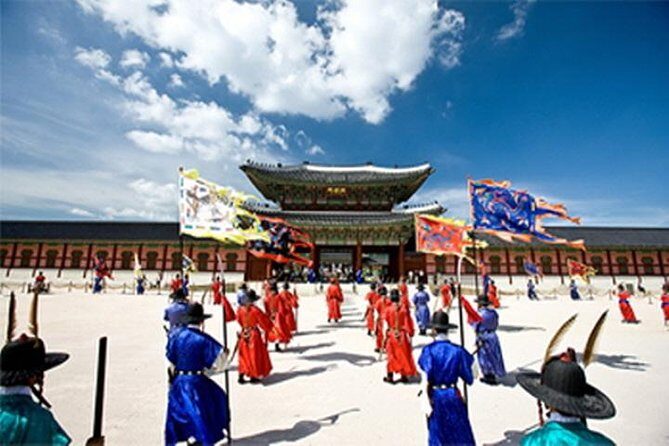
- Hanbok at Gyeongbokgung (optional): you can wear traditional dress inside the palace grounds
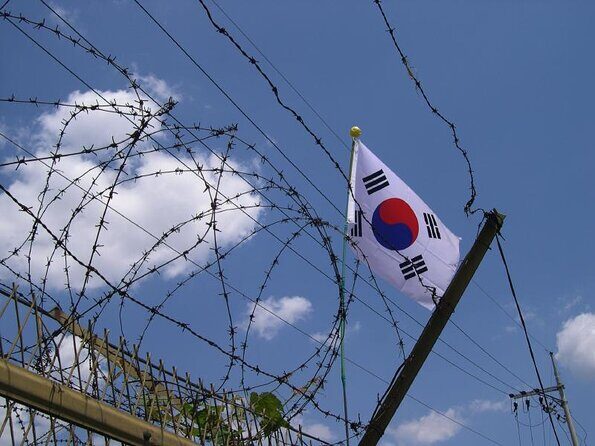
- The DMZ is the main event: Dorasan Station, Dora Observatory, and the Third Tunnel are built into Day 3
- Korean Folk Village + Suwon: hands-on traditional culture and a UNESCO fortress in the same day
- Suspension bridge on Mt. Gamaksan: a calmer, scenic finish after the intensity of the border sights
A three-day Seoul highlights plan that actually feels practical
Seoul is a city of layers. One moment you’re in palace courtyards. The next, you’re walking through hanok alleys that feel tucked away from the modern skyline. Then you swing out of the city for the DMZ and come back with a view of Seoul from high above—plus market food and local neighborhoods.
The big advantage of a private format is control. The itinerary is discussed up front, and you can customize destinations so your time goes where you want it. That matters, because Seoul can overwhelm you fast if you’re trying to do everything on your own. Here, you’re not just following a checklist—you’re making decisions with a guide who can suggest the best local restaurants and keep the timing realistic.
You’ll also get a smoother logistics baseline than many tours. The package includes an air-conditioned vehicle, bottled water, a driving English-speaking guide, 2N accommodation in Seoul, and meals (2 breakfasts, 3 lunches). Admission fees for the planned stops are included too, so you’re not constantly doing mental math at every gate.
You can also read our reviews of more private tours in Seoul

Day 1: Gyeongbokgung, Insadong antiques, Bukchon hanok lanes, and N Seoul Tower
Day 1 is the classic Seoul story arc: royal roots → traditional crafts → narrow hanok streets → city view → temple calm → street-food night.
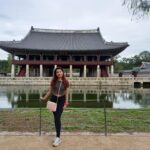
Gyeongbokgung Palace and optional hanbok rental
You start with a hotel pickup at 09:00 and head to Gyeongbokgung Palace. The plan includes 2 hours and the admission fee. Before entering, there’s an optional hanbok rental, so you can wear Korean traditional dress while strolling the palace grounds.
This is one of those choices that can be worth it if you like visuals and atmosphere. Hanbok makes the palace feel like a different time period, and it’s also a simple way to slow down. Just know it’s optional, and you’ll want to plan for how long you’re comfortable wearing it before you switch back to normal clothes.
Insadong: crafts, antiques, and old-school Seoul browsing
After the palace, you’ll move to Insadong, known for older craft and antique stores. Think ceramics, calligraphy supplies, embroidery, and theater-mask-style items. If you’re the type who likes to browse rather than buy, Insadong is a strong fit because it’s visual and walkable.
One practical tip: keep your purchases light on Day 1 if you’re moving hotels or doing lots of walking later. Your day already has a lot of stops, so you’ll want your energy for the next two major neighborhoods.
Bukchon Hanok Village: hundreds of hanok houses in tight lanes
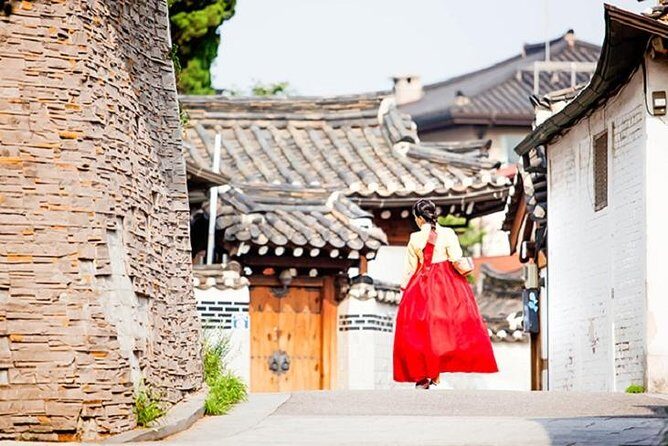
Next up is Bukchon Hanok Village, where you wander through a maze of traditional hanok houses—homes packed close together, sometimes sharing walls. The feel here is part architecture, part atmosphere. It’s not just something you look at once. You’ll likely want to slow down to understand how the streets and buildings relate.
If you’re traveling with older family members, this is the day where you might feel the walking. The terrain is not described as steep, but the hanok streets do involve uneven surfaces and lots of turns.
N Seoul Tower: skyline views with an easy payoff
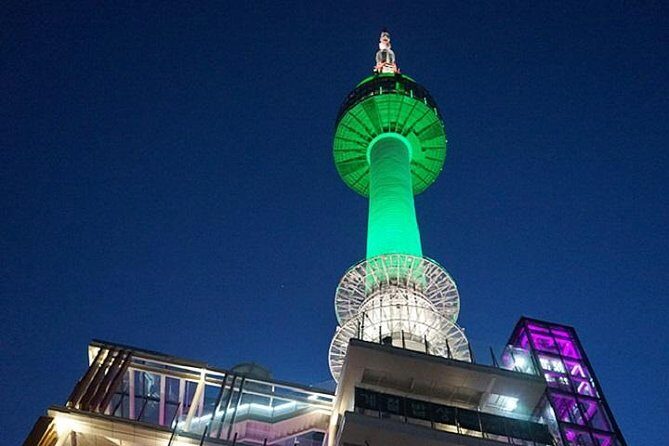
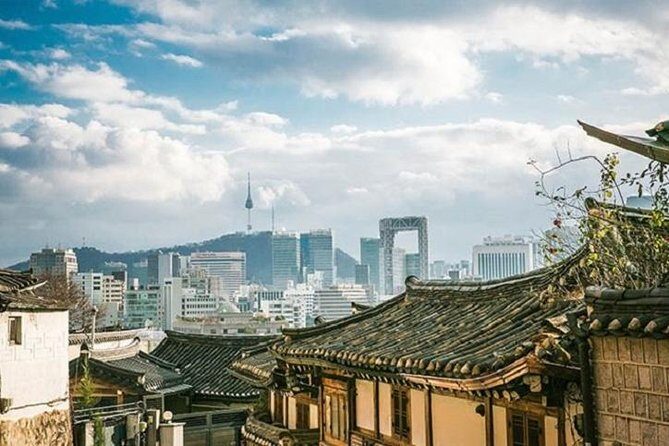
You then head to N Seoul Tower for a 1-hour stop with admission included. It’s a clear, high-reward moment: a 360-degree view over the Seoul metropolis. The top sits almost 480m above sea level when you include Namsan Mountain plus the tower height.
This is a great place to reset your bearings. After walking through old neighborhoods, the tower gives you a map in the air—so when you look down, you understand where you’ve been and what’s around you.
Jogyesa Temple: central Seoul, peaceful detour
A short 30-minute stop takes you to Jogyesa Temple. It’s located in the center of Seoul and has a reputation for festivals. Admission is free here, so it’s a low-cost pause in your day—useful if your feet are starting to complain.
Gwangjang Market: street food with real local energy
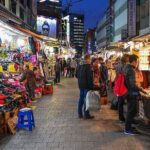
You end Day 1 at Gwangjang Market, a street-food and traditional-food hub. The tour includes 1 hour, and it’s described as a filming location for the Netflix series Street Food. Even if you don’t care about the TV connection, this is the kind of market where you can eat your way through Korea’s comfort-food style.
If you’re picky with spice, or you want to try Korean classics without taking huge risks, this is where you’ll want a guide. The plan includes lunch, but markets are your flexible dinner moment, and a guide can help you choose what fits your taste.
Day 2: Korean Folk Village lessons, UNESCO Hwaseong Fortress, and Starfield Library
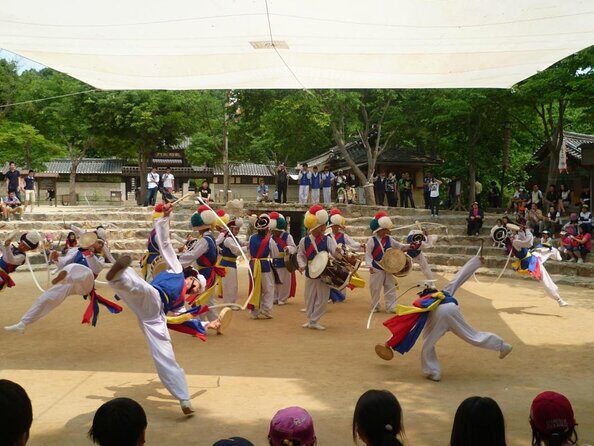
Day 2 starts again with 09:00 pickup from your hotel, then heads to Yongin Korean Folk Village. This day is the cultural anchor of the trip: tradition you can watch, and some experiences you can do.
Korean Folk Village: late Joseon culture with hands-on classes
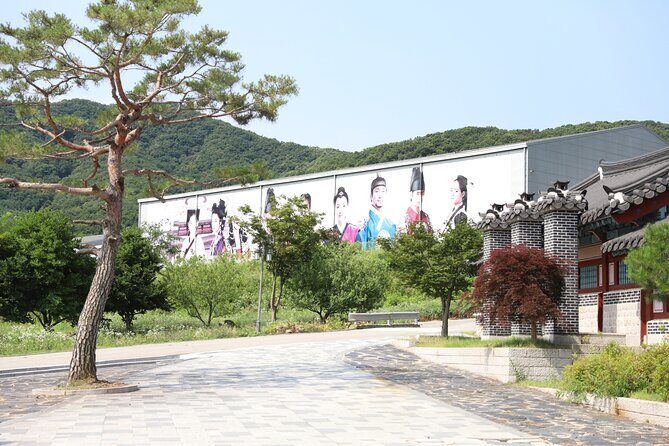
The Korean Folk Village is described as teaching traditional culture from the late Joseon period through cultural classes. Expect a mix of learning and short experiences rather than just looking at buildings. It’s a good counterpart to the palace day, because it adds everyday-style culture rather than only royal-era sites.
A practical angle: give yourself permission to take breaks here. If you like museums, you’ll probably keep going. If you get tired of standing and watching, look for the parts that let you participate, then come back to the walking areas with a fresh start.
Hwaseong Fortress (UNESCO): built from 1794 to 1796
Next is Hwaseong Fortress in Suwon, with admission included and 1 hour on the ground. The fortress is part of the reason Suwon is so famous: it was constructed from 1794 to 1796 and served as the official fortress of Suwon during the latter part of the Joseon Dynasty. The plan ties it to King Jeongjo’s building project.
This stop is valuable because it shows how Korea engineered defense and movement at a big scale. You’ll probably notice details like how the fortress layout controls views and access points, even if you don’t read every sign.
One drawback to keep in mind: fortress sites often mean uneven walking and steps. If your group has mobility limits, talk to your guide early about how much time you want to spend on the steepest sections.
Starfield Library: a modern pause after old walls
Finally, you’ll stop at Starfield Library, which is described as a new, interesting mall-and-library space with 1 hour and free admission.
This is a nice counterbalance after Hwaseong. It’s not the same kind of history, but it gives you a modern atmosphere and a place to take photos without feeling like you’re forcing another major sight. Think of it as your reset before Day 3 ramps up again.
Day 3: DMZ sights with Dorasan, Dora Observatory, and the Third Tunnel
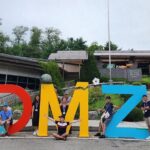
Day 3 is the emotional and historical heavyweight. The plan takes you to Paju for the DMZ, starting with 09:00 pickup and a long, structured set of border-related stops.
The DMZ framework: a weapons-free buffer zone
The DMZ is described as a weapons-free buffer zone between North and South Korea, established on July 27, 1953. That date matters because it places this space in the long arc of post-war history. You’re not just visiting a place for pictures—you’re seeing how geography and politics collide.
This is also where the schedule can feel tighter than your palace day, because everything is tied to access and timed viewing. If you dislike being on a strict timetable, this is the one day you should mentally prepare for less freedom than the rest of the trip.
Dorasan Station: the northernmost rail symbol
At Dorasan Station, admission is included with 1 hour. It’s described as the northernmost railway station in South Korea. Historically, trains connected South and North Korea, and industrial-supplies transport used the station temporarily. Now, it’s closed.
For many people, stations are powerful because they represent movement that stopped. Dorasan feels like that: a reminder of what was possible and what isn’t right now.
Dora Observatory: views across the border
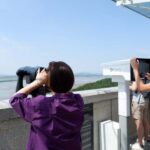
At Dora Observatory, you get 1 hour with admission included. From here, visitors can overlook North Korea through the viewing area, and the plan specifically mentions views of places like Gaeseong and Songaksan, plus the Kim Il-Sung Statue. You also get broader visuals of structures in that region.
A simple practical tip: if you wear glasses, clean them before you arrive. These view stops are very sensitive to clarity, and you’ll want your vision dialed in.
The Third Tunnel: a dramatic piece of Cold War planning
The Third Tunnel stop is another 1 hour with admission included. It’s described as one of four known infiltration tunnels under the border, discovered in 1978. The tunnel is about 1 mile long, penetrating roughly 435 meters south from the military demarcation area.
This is where your guide’s explanation really matters. A tunnel is just a fact on a sign unless someone explains why it mattered. The best tours are the ones where you leave understanding the purpose, not just the location.
Hongdae afterward: modern Seoul for your last taste of city life
After the DMZ sites, you’ll have time in Hongdae, described as a trend neighborhood associated with young Koreans, cafés, underground culture, and freedom of self-expression. The data doesn’t list a fixed duration for Hongdae, but it’s included as a stop that helps your Day 3 shift from heavy history to modern street energy.
If your group wants quieter shopping or just coffee, this is a better place to wander without the pressure of seeing one major landmark right away.
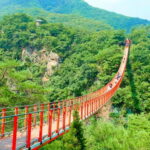
Gamaksan Chulleong Bridge: a scenic suspension bridge with war history behind it
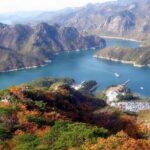
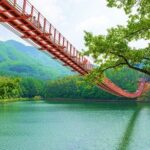
The final stop is Gamaksan Chulleong Bridge, a suspension bridge on Mt. Gamaksan. It’s listed as 50 minutes with free admission. The plan mentions this area was a fierce battlefield during the Korean War, but now it’s known for beautiful scenery.
This is a smart ending. After the DMZ intensity, you get open air and views. It’s also a reminder that the peninsula’s story isn’t frozen in time—people rebuild, and places become places again.
How private touring and real-time flexibility actually help
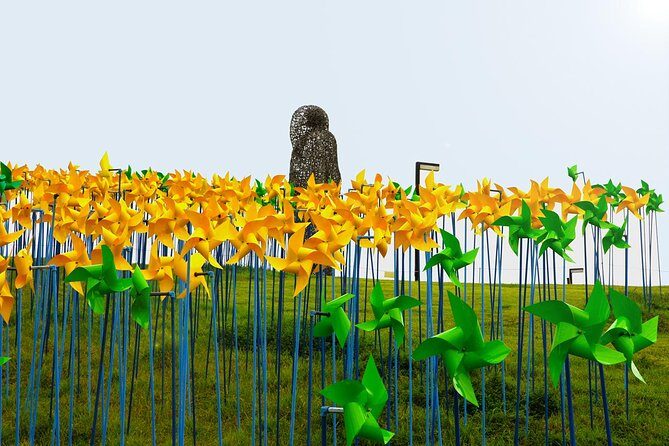
The tour is private, so your group is the only group participating. That’s the part that makes planning feel less like a factory line. You can customize destinations during the tour so you can spend time effectively, and the overview notes that the plan avoids compulsory shopping centers.
In the past tours, guides named Joo-Ee and Wookie were praised for being helpful, friendly, and good at managing time. Hammin was also singled out for strong communication. That’s not just nice to hear. In a packed itinerary like this, a guide who can keep you on track without steamrolling your preferences is what turns a long day into a smooth day.
A practical way to use the flexibility:
- If you love photos, ask for slightly more time at the tower view and hanok lanes.
- If you’re food-focused, decide what you want from markets and tell your guide what you avoid.
- If your feet are tired, trim one of the walk-heavy neighborhoods and add that time back at a more relaxed stop.
Price and what you truly get for $1,250 per person
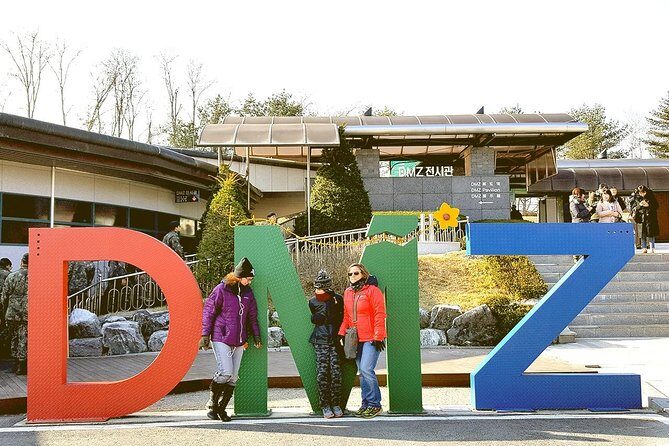
Yes, $1,250 per person sounds steep at first. But this package isn’t just a car and a guide. It includes 2N accommodation in Seoul, 2 breakfasts and 3 lunches, admission fees on the plan, and a private English-speaking driving guide with hotel pickup.
Here’s the value equation you should run:
- If you already have a hotel and are planning to cover admissions and meals yourself, the price might feel harder to justify.
- If you’re starting from scratch and you want DMZ access plus UNESCO and major Seoul highlights handled with transport, it starts to look more reasonable.
- Group discounts can help if you’re booking with others, and private tours usually cost more because you’re paying for your own schedule and vehicle.
Two things that are not included:
- Tips (optional)
- Airport transfers from and to ICN
So if you’re budgeting, plan for getting to and from the airport on your own unless you arrange it separately.
Who should book this 3-day private Seoul highlights tour
This is a strong fit if you want:
- Maximum highlights with minimal decision-making, especially for DMZ day
- A mix of royal sites, neighborhoods, markets, and modern skyline views
- An English-speaking guide who can manage timing and explain what you’re seeing
- Included structure: hotel nights, meals, and entrance fees built into one price
It also works well for couples or small families because it’s private and the itinerary can be adjusted. The data includes child pricing rules for ages 24–144 months, with differences depending on extra bed and whether there’s a bed—so if you’re traveling with kids, you’ll want to confirm room setup early.
If you’re the type who hates packing days, this might feel like a sprint. But if you like intensity and clarity, you’ll appreciate how the stops are grouped by theme: Day 1 is Seoul classics, Day 2 is culture and fortress history, Day 3 is border history and a scenic reset.
Should you book it?
I’d book it if your goal is a one-trip Seoul greatest-hits plan that still covers the serious stuff like the DMZ and UNESCO Hwaseong without turning into a mess of separate tickets and haggling. The included hotel nights, meals, and admission fees make it easier to budget, and the private setup gives you enough flexibility to steer time toward what matters to you.
I’d hesitate only if you’re on a tight budget or you prefer slow travel where you can linger for hours without worrying about the next scheduled stop. Also, remember the DMZ day is heavy and time-driven—if you want maximum wandering freedom, you may feel constrained.
FAQ
What’s included in the tour price?
The package includes an air-conditioned vehicle, an English-speaking driving tour guide, bottled water, entrance fees on the plan, 2N accommodation in Seoul, and meals: 2 breakfasts and 3 lunches.
Does the tour offer hotel pickup?
Yes. Hotel pickup in Seoul is listed for each day, with a 09:00 start time.
Are meals included during the 3 days?
Yes. You’ll have 2 breakfasts and 3 lunches included.
Is hanbok rental included?
Hanbok rental is optional at Gyeongbokgung Palace. The tour notes you can rent hanbok and wear it inside the palace grounds.
Can I request a vegetarian meal?
A vegetarian option is available. You need to advise when booking.
What is the cancellation window for a full refund?
You can cancel up to 6 days in advance for a full refund. If you cancel less than 6 days before the experience, the refund depends on how close you are to the start time.