DMZ tours are emotional because they’re real. This one layers tunnels, North-facing viewpoints, and a crossing-style day plan with optional views from a gondola or a swinging suspension bridge. Add an optional lecture by a North Korean defector, and you get context that goes beyond photos.
Two things I especially like: the schedule is built around the key DMZ stops (Imjingak, tunnels, Dora Observatory, and Unification Village), and you get an English-speaking guide who sets you up before each site so you know what you’re looking at. The tour also includes round-trip transport and paid entries, which keeps the day simple.
One drawback to plan for: it’s physically demanding. The tunnel areas involve climbing and uneven steps, and the 3rd tunnel has entry limits for people with certain health issues.
In This Review
- Key highlights you’ll care about
- What makes this DMZ day different: tunnels, Dora, and an optional defector lecture
- Monday vs Tue–Sunday: 2nd tunnel days and 3rd tunnel days
- Imjingak Park and the bridge entry: setting the stage without rushing you
- The tunnel portion: what to expect in the 2nd and 3rd areas
- Dora Observatory and Unification Village: seeing the border from the South
- Gamaksan suspension bridge or a gondola ride on the Imjin River
- Guide-led pacing: why timing feels strict (and how to work with it)
- Practical comfort notes: shoes, photos, and lunch breaks you manage yourself
- Price and value at about $46: what you’re getting for the cost
- Who should book this DMZ tour, and who should choose a different plan
- Should you book this DMZ guided tour?
- FAQ
- What’s included in the DMZ guided tour from Seoul?
- Which tunnel does the tour visit on Monday?
- Which tunnel and viewpoints does the tour visit from Tuesday to Sunday?
- Can I meet a North Korean defector on this tour?
- Is there a health or mobility limitation for the 3rd tunnel?
- Is a monorail available on this tour?
Key highlights you’ll care about
- Choice of routes by day: Monday focuses on the 2nd tunnel; Tue–Sun centers on the 3rd tunnel and Dora/Unification Village.
- North-facing viewpoints built in: Dora Observatory is your main “see North Korea from the South” moment.
- Optional scoring routes: pick a gondola ride for river views or the Gamaksan suspension bridge for swing-and-snap photos.
- Defector talk is optional: a separate human story that adds weight to the day’s sites.
- Tight pacing: you’ll move steadily, with short photo windows at some stops.
- Weather and politics can change plans: cancellations mean reschedule or refund.
What makes this DMZ day different: tunnels, Dora, and an optional defector lecture
A DMZ tour can feel like history-as-a-museum. This one tries to feel like history-as-a location. You’re not just looking at buildings. You’re moving through the spaces connected to infiltration routes and the tension around the Armistice area.
The big win is the “stacking” of viewpoints and access points: Imjingak area first, then infiltration tunnels, then Dora Observatory, and finally Unification Village. Even if you only remember a few details later, the route gives your brain a map of what happened and why this line matters.
If you choose the optional North Korean defector meeting, you’ll hear a personal account in lecture format. It’s not the same as standing in a tunnel, but it changes how the day lands emotionally. Many people feel the day is heavier after that kind of testimony.
If you’re sensitive to strong political content, keep that in mind. This is a day built around the Korean Peninsula’s most tense border story.
You can also read our reviews of more guided tours in Seoul


Monday vs Tue–Sunday: 2nd tunnel days and 3rd tunnel days
This tour runs on different tracks depending on the day, and that matters for what you’ll physically do.
Every Monday: you visit the 2nd infiltration tunnel plus the Peace Observatory and Woljeongri train station, then you finish with a suspension bridge option. This track is a full DMZ-focused circuit, just not the “3rd tunnel + Dora” sequence.
Every Tuesday to Sunday: you go to the 3rd infiltration tunnel and then continue to Dora Observatory and Unification Village. You also have optional add-ons: a gondola ride (for panoramic views and Imjin River views) and/or the Gamaksan suspension bridge.
What if the 3rd tunnel is unavailable? The plan can switch to another destination. That’s not fun to hear, but it’s helpful: the operator tries to keep the day moving rather than just cancelling on the spot.
So, how do you pick? If you want the Dora/Unification Village combination, choose a Tue–Sun date. If your priority is the 2nd tunnel circuit, book Monday.
Imjingak Park and the bridge entry: setting the stage without rushing you
Your day starts with pickup in Seoul and a drive to Imjingak Park, where you begin the DMZ-area experience. There’s an early orientation feel here: you’re introduced to the geography before you get into the access points.
On Tue–Sun, there’s a stop at Imjingak Pyeonghoa-Nuri Park, described as the starting point for the DMZ tour and connected to the 3rd tunnel route. One useful detail: you get to see a train remnant there, which helps the theme click. It’s easier to understand later stops when you’ve seen the remnants first.
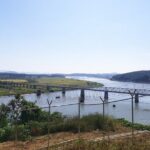
Then you return to Imjingak area for entering the DMZ zone, including crossing a bridge (called Freedom Bridge in the overview and Unification Bridge in the routing details). That crossing works as a psychological transition. You go from “watching history” to “moving through it.”
If you’re short on time, the bridge-entry moment is also a good place to get your bearings and set your photo expectations. The whole day is structured, and after the crossing, you’ll spend more time at specific sites than wandering.
The tunnel portion: what to expect in the 2nd and 3rd areas
The tunnels are the centerpiece, and they’re also the part where you’ll feel the workload.
On Monday, the tunnel focus is the 2nd infiltration tunnel along with the Peace Observatory and Woljeongri train station. Expect climbing and walking up/down routes. Reviews point out the day feels like a small workout, not a gentle bus tour.
On Tue–Sun, you go through the 3rd infiltration tunnel. This has important entry limitations: if you have heart disease, or issues with back or respiratory conditions, you can’t enter the 3rd tunnel. The tour also notes it requires an intermediate hiking level, so don’t assume “DMZ” equals “flat sidewalks.”
The tunnel itself is physically tight and low in places, which means you should plan to crouch and move carefully. Bring a slow-and-safe mindset, not a “race to the end” mindset.
Practical tip: wear shoes you can grip on stairs. The tour keeps a schedule, and you’ll want your legs to cooperate rather than negotiate with your footwear.
If the 3rd tunnel isn’t available, your itinerary can change, so your exact tunnel experience might differ. That’s why I think you should treat the tunnel choice as “the tour’s heart,” not a single guaranteed photo.
Dora Observatory and Unification Village: seeing the border from the South
After the tunnel segment, the day shifts into “viewing mode,” but it’s still not casual sightseeing.
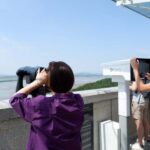
Dora Observatory is your key North-facing stop. From here, the experience is about observation and context: you’re positioned to look across toward North Korean territory, and your guide’s job is to help you interpret what you’re seeing (and what you can’t).
Unification Village follows on Tue–Sun dates. Even if you don’t know much Korean history going in, this stop is built to make the concept of division feel immediate. It turns abstract politics into physical space.
What I like about this portion is that it’s not just a single photo viewpoint. It’s paired with the tunnel story earlier. Your brain connects the “infiltration” theme with the “watching and observing” theme, which makes Dora feel earned rather than random.
One caution: with a packed day, your time at each point can be short. People who want long wandering sessions should plan to accept photo windows and follow your guide’s timing.

Gamaksan suspension bridge or a gondola ride on the Imjin River
This is where the tour gives you a choose-your-own-feel moment.
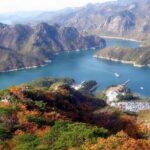
On Tue–Sun, you can add a gondola ride. It’s positioned as a scenic route to Gallery Greaves with panoramic views, including views of the Imjin River. If you like calmer movement and wide views, this option helps balance the tunnel effort.
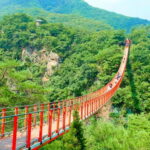
You can also choose the Gamaksan suspension bridge. The bridge stop is reached after a drive (about 25 minutes), and the tour frames it as swing-and-shoot scenery. Reviews describe it as requiring climbing to reach it, so think of it as a photo stop with effort, not a flat promenade.
Can you do both? The booking options are described as gondola and/or suspension bridge choices. The exact combination depends on what you selected when booking, so double-check your confirmation details.
My practical take:
- If you’re prioritizing scenic comfort and river views, choose the gondola.
- If you want the adrenaline-photo moment and don’t mind steps, choose the suspension bridge.
- If you’re on the edge physically, the gondola is often the easier bet.
Either way, don’t schedule anything tight after the tour. This is a full day where your legs and your attention both get used.
Guide-led pacing: why timing feels strict (and how to work with it)
A DMZ day has two enemies: wasted time and uncertainty. A good guide prevents both.
In this tour, you’ll likely get a guide who runs a clear rhythm. Names that come up often include Patrick, Roy, and April, and the common thread is strong structure: they brief you before key areas, keep you on track, and explain the historical context while you’re actually there.
That structure is great for first-time DMZ visitors. It also explains the occasional complaint about pacing. Some experiences feel strict, with short windows to explore and photograph. That can frustrate people who want long, slow viewing.
Here’s how you make the pacing work in your favor:
- Be early at each meeting point.
- Keep your camera ready before you get there.
- If a site is quick, focus on one or two shots, not ten.
- Listen to your guide’s notes, because they help you “read” what you’re seeing before you move on.
If you’re the kind of person who hates time pressure, this tour might feel intense. If you’re okay with a guided, concentrated day, it’s a good fit.
Practical comfort notes: shoes, photos, and lunch breaks you manage yourself
This is a full-day outing with a mix of bus time and walking. The total duration is listed as about 7 to 11 hours, and the day includes transfers plus site entry.
Even with an air-conditioned vehicle and paid admissions, your comfort will depend on the walking parts. Expect inclines and stairs around tunnel areas and (if you choose it) the suspension bridge access.
What to wear:
- Comfortable, grippy shoes for stairs and uneven surfaces.
- Layers if the wind picks up near viewpoints.
- Bring any required personal medications. You’ll be outdoors and moving for stretches.
Lunch:
Meals and beverages are not included. The schedule includes some kind of lunch break, and the quality of that break can vary. So treat lunch as “plan on paying for it,” not “the tour will feed me well.”
One more detail: the tour uses a mobile ticket, which can speed entry. Still, keep a screenshot or offline copy in case your phone battery gets low.
And don’t forget: the itinerary timing can change due to traffic. Drop-off locations can shift too.
Price and value at about $46: what you’re getting for the cost
At around $45.86 per person, the headline price looks almost too low for a full-day DMZ circuit. The value comes from what’s bundled:
Included items cover:
- Round-trip transfers from Seoul
- An English-speaking tour guide/driver
- Admission tickets for the listed attractions
- Air-conditioned vehicle
- Optional-choice transport (the gondola ticket and/or the suspension bridge, depending on what you booked)
Meals are the main gap. So if you’re doing this on a tight budget, you’ll need to add lunch and snacks yourself.
Here’s the value logic I like: You’re paying for access, not just transportation. DMZ stops are regulated and timed, so your costs are tied to entry permissions and guided movement. You’re also getting context through live explanation, which is a big part of why DMZ tours feel worth it.
If you’re comparing this to a “DIY DMZ day,” the difference is the guided structure plus the included admissions. For many first-timers, that’s the best kind of money spent: it prevents the day from turning into confusion.
Who should book this DMZ tour, and who should choose a different plan
This tour is a strong match if you:
- Want a structured DMZ day with the major stops (Imjingak, tunnels, Dora Observatory, Unification Village on Tue–Sun).
- Prefer an English-speaking guide who explains what you’re seeing rather than reading signs on your own.
- Like the idea of optional scenic add-ons: gondola views of the Imjin River or the Gamaksan suspension bridge photo stop.
It’s not a great match if you:
- Need a low-activity day. This route includes climbs, steps, and tunnel walking.
- Have medical limits that prevent entry into the 3rd infiltration tunnel.
- Want long, slow free time at each site. The day is paced.
A good strategy: if you’re unsure, pick the day track that matches your comfort level. Monday’s 2nd-tunnel circuit and Tuesday–Sunday’s 3rd-tunnel circuit aren’t the same workload.
If you’re traveling as a family, this tour can work for older kids and teens who handle walking and follow instructions. But plan footwear and expect a serious day.
Should you book this DMZ guided tour?
I’d book it if you want the essentials of DMZ in one guided day, and you’re comfortable with a physical, scheduled experience. The inclusion of admissions, transport, and guide-led context makes the price feel fair, and the optional gondola/suspension bridge gives you control over how you want the scenery to land.
Skip or reconsider if you’re expecting a relaxed stroll, or if your health situation makes the 3rd tunnel a problem. The DMZ day is emotional and physically active, and you’ll enjoy it most if you show up ready for both.
If you do book, do two things for a smoother day: wear shoes you trust on stairs, and give yourself a little mental flexibility for route changes tied to conditions beyond anyone’s control.
FAQ
What’s included in the DMZ guided tour from Seoul?
It includes round-trip transfers, an English-speaking tour guide/driver, admission tickets to the listed attractions, and an air-conditioned vehicle. It also includes the gondola ticket and/or the visit to the suspension bridge if you select those options.
Which tunnel does the tour visit on Monday?
On Monday, the tour visits the 2nd infiltration tunnel, plus the Peace Observatory and Woljeongri train station, and includes a suspension bridge.
Which tunnel and viewpoints does the tour visit from Tuesday to Sunday?
From Tuesday to Sunday, the tour focuses on the 3rd infiltration tunnel, then goes to Dora Observatory and Unification Village. It also includes optional gondola or suspension bridge experiences depending on what you booked.
Can I meet a North Korean defector on this tour?
The meeting with a North Korean defector is listed as optional, and you can include it when booking.
Is there a health or mobility limitation for the 3rd tunnel?
Yes. The tour states you cannot enter the 3rd tunnel if you have heart disease or certain back or respiratory problems. It also notes the 3rd-tunnel area involves intermediate-level hiking.
Is a monorail available on this tour?
No. The tour information states that the monorail is not available.