REVIEW · SEOUL
Seoul: Herbal Tea Class & Korean Medicine Tour
Book on GetYourGuide →Operated by Heojunoppa · Bookable on GetYourGuide
Forty herbs, one cup of your own tea. I like the hands-on tea-making and the way Sungil Choi connects ideas in traditional Korean medicine to what you’re actually handling, including TKM museum guidance. One heads-up: some museum signage may not be in English, so having a translation app ready can help.
Sessions feel built for real people, from first-timers to medical professionals, and you choose herbs to match your interests. You’ll get clear lessons on Yin-Yang and the Five Elements while you blend, not just a lecture where everything stays theoretical.
At 2:00 p.m., you meet at Room 401 in Seoul, learn in English, and finish back at the same spot. Optional healing add-ons after the museum cost extra, but the included core is strong: tea materials, tea to take home, and expert museum commentary.
In This Review
- Key Things I’d Zoom In On
- What Makes This Herbal Tea and Korean Medicine Tour Feel Worth Your Time
- Workshop Start in Seoul: Room 401, Tea Materials, and 40-Plus Herbs
- Blending Your Own Herbal Tea: Personalized Choices That Actually Mean Something
- The Yin-Yang and Five Elements Lesson (Explained Without the Math)
- K-medi Center and the TKM Museum: Guided Context After the Workshop
- Optional Treatments After the Museum: What Costs Extra and What You Should Know
- Price and Value: Why $50 Can Make Sense (If You Care About the Tea)
- Language, Guide Style, and Photo Consent: How to Set Yourself Up for a Smooth Day
- Who This Tour Suits Best (And Who Might Want to Skip It)
- Tips to Get the Most Out of Your Herbal Tea Class
- Should You Book This Seoul Herbal Tea and TKM Tour?
- FAQ
- What time does the tour start?
- Where is the meeting point?
- Where does the tour end?
- What language is the tour offered in?
- How much does it cost?
- What is included in the tour fee?
- How many herbs will we see or work with?
- What is not included in the tour price?
- Can the guide help if I want a clinic consultation?
- Is reserve and pay later available, and can I cancel?
Key Things I’d Zoom In On
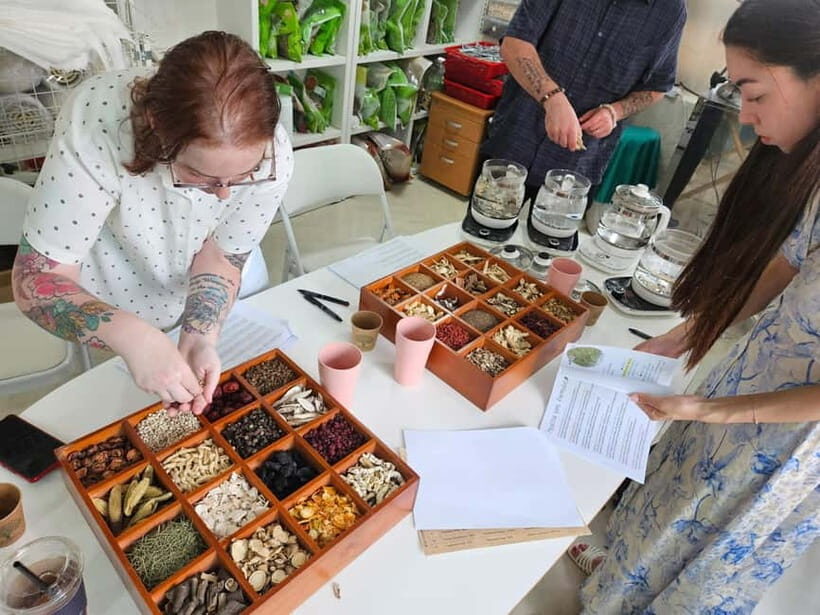
- Touch and compare around 40 TKM herbs in Sungil Choi’s workshop
- Blend a personalized herbal tea that suits your choices, then take the bottle home
- Learn Yin-Yang and the Five Elements in practical, beginner-friendly language
- TKM Museum at K-medi Center with guided commentary (helpful when exhibit text isn’t English)
- Optional treatments priced separately like foot baths, meridian massage, acupuncture, and moxibustion
- After-tour support: you can stay connected for questions, and Sungil Choi can help interpret symptoms for clinic consults
What Makes This Herbal Tea and Korean Medicine Tour Feel Worth Your Time
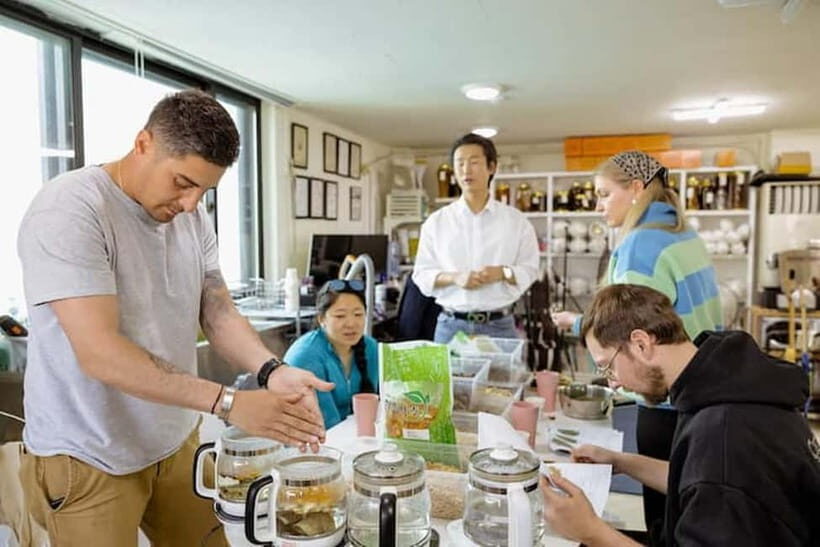
This isn’t a sit-and-watch class. You start in a workshop where you can see, touch, and handle the kinds of medicinal herbs commonly used in Traditional Korean Medicine (TKM). Then you build your own herbal tea by choosing the ingredients yourself.
What I like most is the balance: you get enough theory to understand the system, but the day keeps moving back to real herbs and real preparation. Sungil Choi, who has been an herbal specialist since 2017 and majored in herbal studies, also adjusts his session depending on what you care about, so the class doesn’t feel stuck on one level of knowledge.
The second big plus is the museum follow-up at the K-medi Center in the Yaknyeong Market area. You’re not just walking around reading exhibits. You get museum commentary from a Traditional Korean Medicine expert, which matters because some exhibit text may not be in English.
You can also read our reviews of more tours and experiences in Seoul

Workshop Start in Seoul: Room 401, Tea Materials, and 40-Plus Herbs
Your day begins at 2:00 p.m. in Sungil Choi’s workshop. The meeting point is Room 401, and if you’re not familiar with the address, you’ll get detailed directions for how to get there on the day.
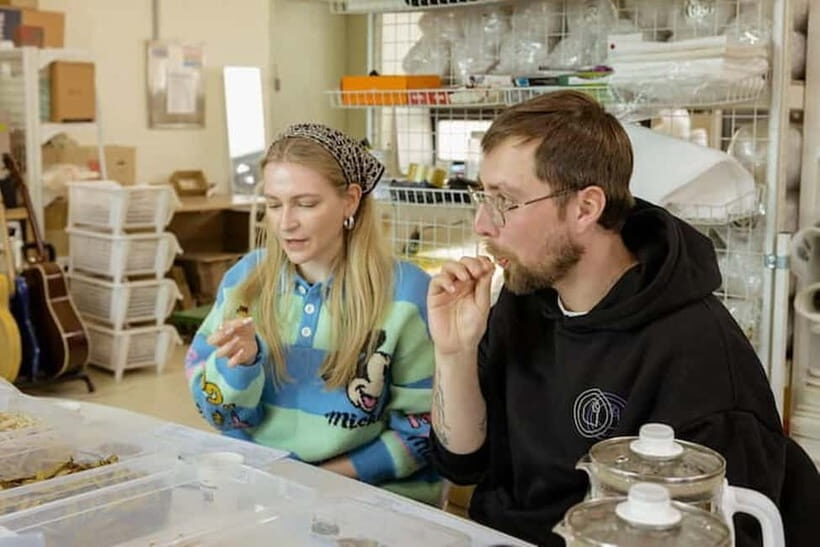
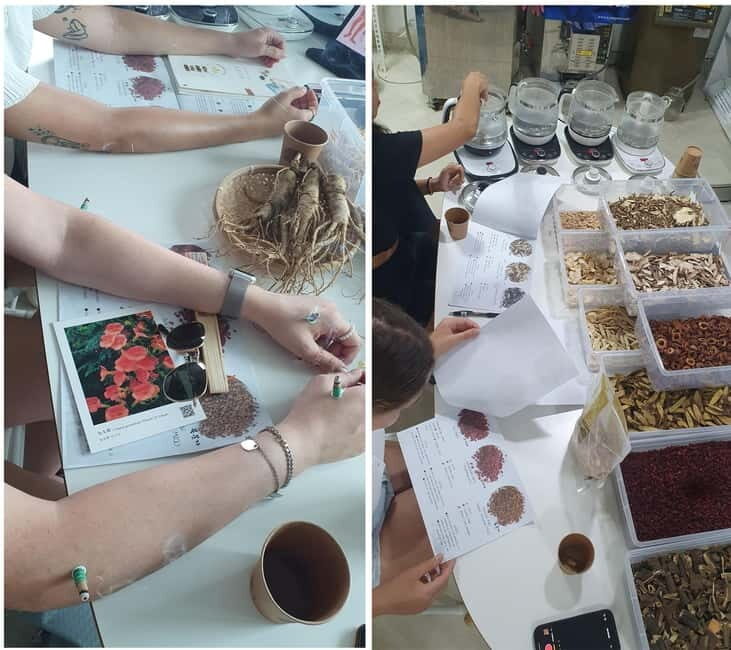
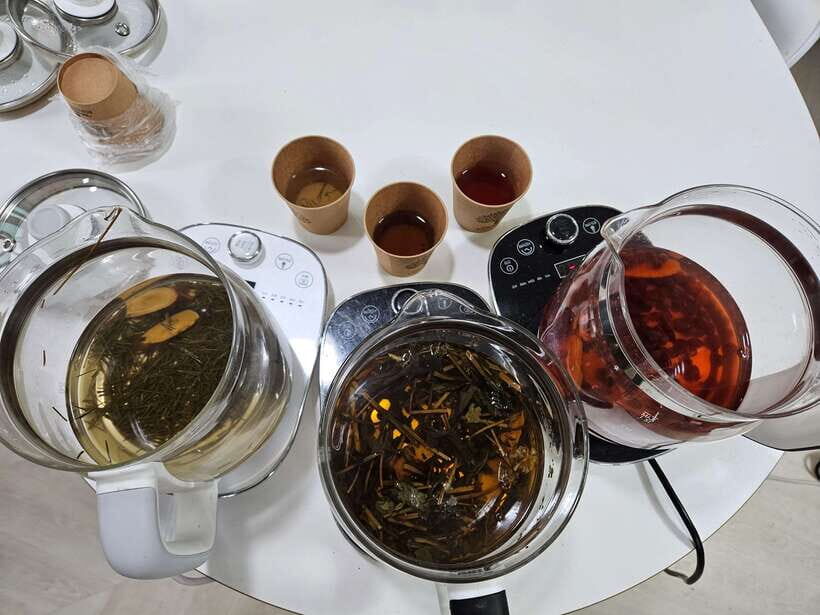
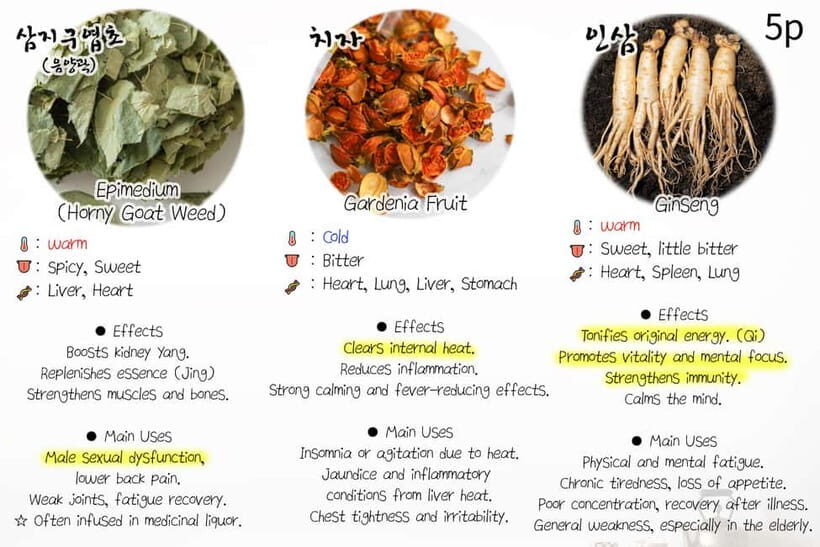
Once you’re in, you get a welcome drink: herb medicine tea. It’s a small thing, but it sets the mood. Then the real fun begins—around 40 commonly used medicinal herbs in TKM. This is not staged “look but don’t touch” tourism. You’re meant to handle the herbs, compare them, and understand that plants are the base ingredient of the whole approach.
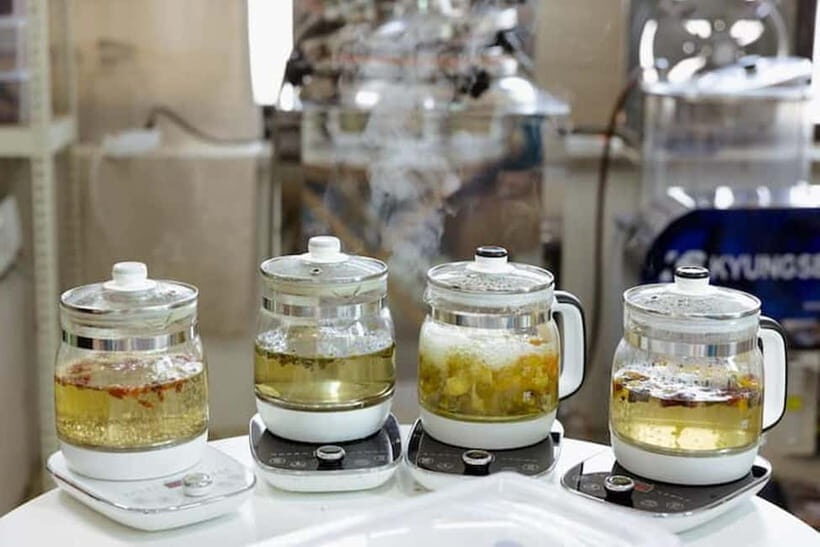
You’ll also get what you need to blend your own tea: the herbs and a teapot for preparation. At the end, you receive a bottle to take your tea home in. That makes the experience more than a one-time souvenir. It turns into something you can revisit later in your own kitchen.
Blending Your Own Herbal Tea: Personalized Choices That Actually Mean Something
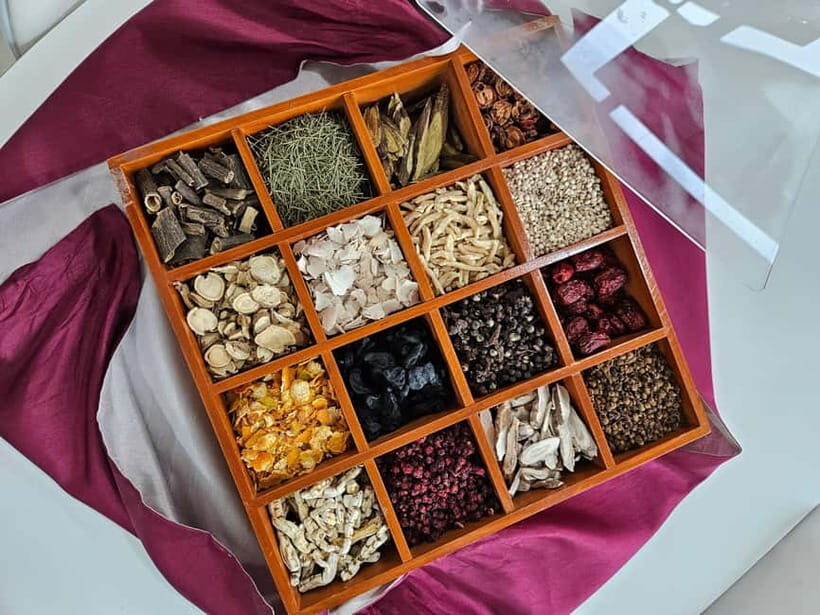
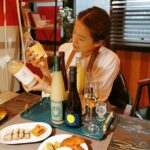
The centerpiece of the tour is picking your herbs and blending your tea. You’re not handed a fixed recipe and sent on your way. You select ingredients that suit you, and Sungil Choi explains what you’re choosing as you work.
This is where the tour becomes both simple and surprisingly thoughtful. Simple, because the blending process is hands-on and approachable. Thoughtful, because you’re learning the logic behind why herbs get grouped and used in TKM.
If you’re nervous about doing something wrong, don’t be. The whole point is guided selection. Think of it like building your own herbal tea blend with coaching, not like running your own herbal lab for the first time.
Tip: During blending, ask the question you’d normally save for later. For example, ask what the Yin-Yang or Five Elements idea means for the kind of blend you’re making, based on your choices. It’s easier to connect the concepts while you’re still holding the ingredients.
The Yin-Yang and Five Elements Lesson (Explained Without the Math)
Along with tea-making, you’ll get a basic lecture on Traditional Korean Medicine. Sungil Choi includes easy-to-understand explanations of core principles—especially Yin-Yang and the Five Elements—plus differences between Eastern and Western medicine.
This matters for two reasons. First, it gives you a framework for how to interpret the herbs beyond taste alone. Second, it helps you avoid the common trap of treating TKM like random plant mixing.
You don’t need prior study to follow along. The lesson is designed to fit a mixed group, including people with deeper interest in TKM and people who are new to herbs. Even if you’re a long-time herbal fan, you might still enjoy hearing how the concepts are explained in a Korean medical context.
One practical consideration: if your goal is to quote and memorize terminology, this may feel more “understanding” than “flashcards.” The strength is clarity and application while you blend and then see related exhibits at the museum.
K-medi Center and the TKM Museum: Guided Context After the Workshop
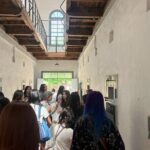
After the tea break, you head to the K-medi Center for the TKM Museum visit. This is where the tour connects the workshop to a wider picture of how Korean medicine has been presented, explained, and preserved.
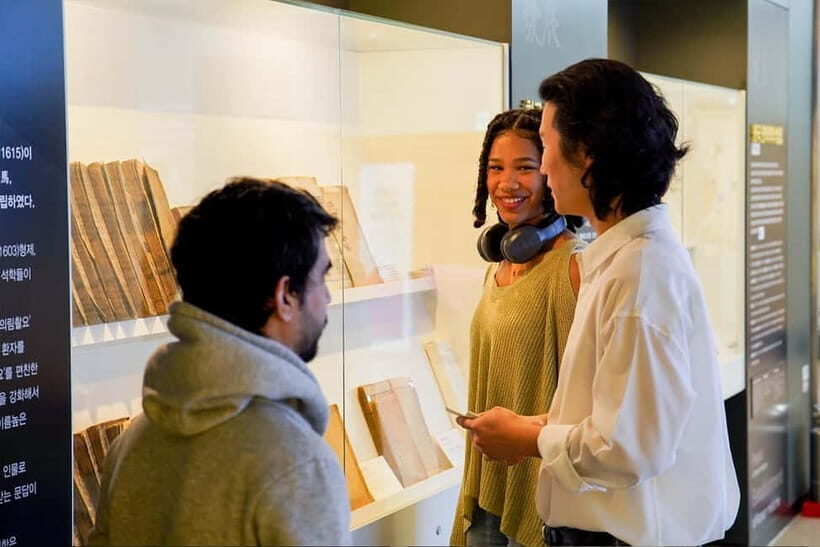
You’ll get museum commentary by a Traditional Korean Medicine expert, which is a real advantage. Some exhibit text may not be in English, so having a guide explain what’s important helps you get value without relying only on translations on your phone.
In the museum, expect a more guided interpretation: you’re not just walking around collecting impressions. The commentary helps you connect what you saw in the workshop herbs to how TKM is organized and communicated.
If you’re the type who likes asking questions, this is a good time. The museum stop is your chance to ask for context that goes beyond the tea you blended.
Optional Treatments After the Museum: What Costs Extra and What You Should Know
Once the museum part wraps, you can add optional activities depending on your interests. Importantly, these are not included in the $50 tour fee. You pay for them directly.
Here are the costs listed for common options:
- Outdoor foot bath: 6,000 KRW per tub (fits 2 people)
- Meridian massage: 5,000 KRW per person
- Moxibustion or acupuncture: approximately 50,000 KRW
- Korean medicine clinic treatment: around 50,000 KRW without health insurance (price may vary slightly)
If you want an acupressure massage, or shopping for herbs as an add-on, those options may also be available. But the key point is simple: treat the workshop and museum as the core value, then decide on extras based on your budget and curiosity.
Also, Sungil Choi offers support that goes beyond “point and translate.” He can assist with interpreting your symptoms to a doctor and guide you through the consultation and treatment process, and he’ll connect you with the appropriate specialist based on your needs. That doesn’t change the fact that medical treatment fees still aren’t included, but it can reduce the stress of navigating clinic language and process.
Price and Value: Why $50 Can Make Sense (If You Care About the Tea)
At $50 per person, the value depends on what you want out of the day. The good news is that the included items cover more than a basic museum ticket.
Your included package covers:
- Welcome drink (herb medicine tea)
- Herbs and teapot for blending traditional Korean herbal tea
- Basic lecture on Traditional Korean Medicine
- A bottle to take your tea home
- Museum entry ticket
- Museum commentary by a Traditional Korean Medicine expert
That combination is the real reason this price can work. You’re paying for a guided education experience plus hands-on materials, then getting context through museum commentary. If you end up doing an optional foot bath or another treatment, your total day cost will rise, but you’ll already have the included “main event” done.
If you’re someone who only wants museum wandering and doesn’t care about tea-making, you might prefer a different format. But if herbs, TKM logic, and building a personal blend is your kind of travel activity, $50 is a reasonable entry point.
Language, Guide Style, and Photo Consent: How to Set Yourself Up for a Smooth Day
This tour runs in English, so you’re not stuck guessing in the dark. Still, museum exhibits may not have English text, so plan for some moments where you’ll rely on the expert commentary and your translation app.
One more practical note: ask about photo and video expectations early. If you’re the kind of person who hates being filmed without clear consent, mention it at the start of the tour. If you’re happy being photographed, you can also ask what’s happening so you’re not surprised later.
Guide quality can matter a lot for tours like this. In this experience, the best moments tend to be when Sungil Choi takes time to explain and connect herbs, concepts, and museum exhibits in a way you can actually use. If you want extra explanation, ask for it. This is the kind of class where questions improve the experience quickly.
Who This Tour Suits Best (And Who Might Want to Skip It)
This is a great fit if:
- You want hands-on herbal learning in Seoul
- You’re curious about Traditional Korean Medicine but don’t want it to be vague
- You like the idea of learning the principles (Yin-Yang, Five Elements) while doing something practical
- You’d enjoy taking a personal herbal blend home in your own bottle
- You’re traveling with a partner and want a shared activity that still feels personal
It may be less ideal if:
- You mainly want a heavily English-text museum experience, since some exhibit language may not be fully English
- You’re looking for only passive sightseeing and not the work of choosing herbs and blending tea
- You prefer tours with a very strict, never-changing schedule and no detours, because the session can be flexibly designed around guest interests
Also, if your goal is medical treatment, treat this as educational and consult-support oriented. Optional treatments exist, and Sungil Choi can help connect you to specialists, but the core tour fee is not a treatment package.
Tips to Get the Most Out of Your Herbal Tea Class
A few practical moves make this day smoother:
- Arrive a little early and double-check directions to Room 401.
- Bring a translation app for museum text you can’t read.
- During blending, ask one or two questions tied to your ingredient choices so the concepts stick.
- If you plan to add a clinic visit, bring any relevant symptom notes in whatever language you’re comfortable with, then let Sungil Choi help interpret.
- If you’re sensitive about photos, say so early.
This is the kind of activity where your attitude matters. If you treat it like an experiment—handle herbs, ask questions, taste what you make—you’ll get more out of it.
Should You Book This Seoul Herbal Tea and TKM Tour?
Book it if you want a hands-on Korean herbal experience with real expert guidance, plus a TKM museum stop that adds context. I especially like it for travelers who value practical learning: you leave with a blended tea, not just photos.
Skip or compare options if you want a strictly English-first museum experience and don’t care about blending or basic TKM education. Also, if you only want medical services, remember optional treatments have separate fees.
For most people who are curious about Korean medicine, this is a smart use of a few hours in Seoul. You’ll come away understanding the logic more than just collecting herbs.
FAQ
What time does the tour start?
The tour starts at 2:00 p.m.
Where is the meeting point?
The meeting point is Room 401. If you are not familiar with the address, detailed directions are sent on the day.
Where does the tour end?
The activity ends back at the meeting point.
What language is the tour offered in?
The tour is offered in English.
How much does it cost?
The price is $50 per person.
What is included in the tour fee?
It includes a welcome drink (herb medicine tea), herbs and teapot needed for blending herbal tea, a basic lecture on Traditional Korean Medicine, a bottle you can take home, museum entry ticket, and museum commentary by a Traditional Korean Medicine expert.
How many herbs will we see or work with?
You will see and experience around 40 traditional medicinal herbs.
What is not included in the tour price?
Costs for individual activities after the museum, such as outdoor foot baths, meridian massage, moxibustion, acupuncture, clinic treatments, and related shopping expenses, are not included.
Can the guide help if I want a clinic consultation?
Yes. The guide can assist with interpreting your symptoms for a doctor and can connect you with the appropriate specialist. Clinic treatment fees are separate.
Is reserve and pay later available, and can I cancel?
Reserve & Pay Later is available. Cancellation is accepted up to 24 hours in advance for a full refund.