REVIEW · SEOUL
South Korea Demilitarized Zone, DMZ Tour from Seoul
Book on Viator →Operated by I Love Seoul Tour · Bookable on Viator
A border like this changes how you see the world. This early DMZ day trip from Seoul mixes major sights—Imjingak Park, Dora Observatory, and the Third Tunnel—with a guide who explains what you’re looking at.
I really like two things here: the morning start helps you avoid the biggest afternoon crush, and the tour keeps the pace practical with no obligatory shopping stops. It’s also set up for comfort, with an air-conditioned vehicle and guided time at each key site.
The main drawback to plan for: this tour does not include the Joint Security Area (JSA), so if that’s your must-see, you’ll need a different option.
In This Review
- Key highlights worth knowing before you go
- DMZ Tour Value for about $30: what that gets you
- Early start and a long day: how to plan your morning
- Passport checks and military scheduling: the reality behind the border
- Imjingak Pyeonghoa-Nuri Park: where the Korean War is not history
- The DMZ exhibition stop: the short video that sets the mood
- Third Tunnel: going underground and feeling the scale
- Dora Observatory: views across a border that feels close
- Dorasan Station stop: a border symbol tied to movement
- Comfort and pacing: how the tour keeps from feeling like chaos
- What to do in the real world: your packing checklist
- Should you book this DMZ tour?
- FAQ
- Is the tour price really low for a DMZ day trip?
- How long is the DMZ tour from Seoul?
- What stops are included on this tour?
- Is lunch included?
- Can I visit the Joint Security Area (JSA) on this tour?
- What documents do I need?
- What if the tour is changed or canceled due to conditions or military decisions?
Key highlights worth knowing before you go
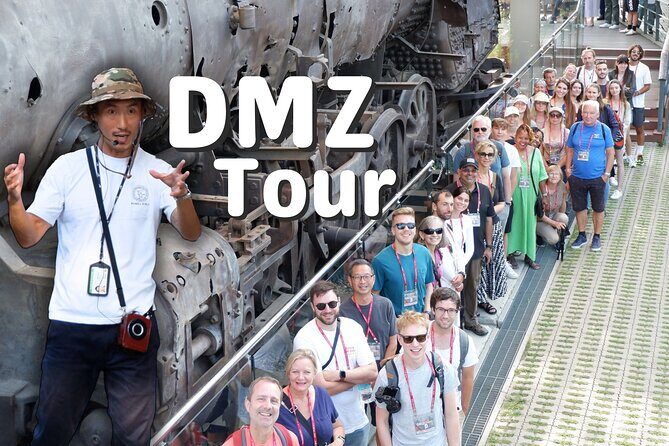
- Morning timing to dodge the worst crowds and keep the day feeling manageable
- Imjingak Park + DMZ exhibition to understand the conflict before you look outward
- Third Tunnel visit tied to the DMZ’s most physical, underground clue
- Dora Observatory viewpoints aimed at North Korea’s visible landmarks
- Air-conditioned transportation and a guide who keeps the story straight
- A no-shopping format that leaves room for real questions
DMZ Tour Value for about $30: what that gets you
For around $30 per person, this DMZ outing is less about luxury and more about value: transportation, a professional guide, and admission fees are wrapped in. That matters because DMZ access is tightly managed, so being packaged with the right entry permissions and timed stops saves real effort.
The itinerary is also built to fit a shorter Seoul visit. Instead of dragging the day out, you get several of the most requested DMZ-related stops in one run, with guided explanations at each location so you’re not just looking at signs.
You should still set expectations: this is a security-area experience, not a relaxed sightseeing stroll. You’ll move through checkpoints, follow instructions from staff, and adapt if the military changes access or timing.
You can also read our reviews of more tours and experiences in Seoul.
Early start and a long day: how to plan your morning
This tour is designed around an early departure so you can see the sites before the afternoon rush. The pick-up time people mention is around 6:30am–6:50am, which means you’ll want to be up, ready, and not negotiating with your alarm clock.
The day runs about 7 hours 30 minutes (approx.). That’s long enough that I’d treat it like a full day trip and pack accordingly—water, a light snack if you want one, and layers because weather near the DMZ can feel different than Seoul.
A practical tip from the tour style: because you’re crisscrossing several locations, you’ll get a better day if you keep your bag simple. You’ll go through security and spend time walking to viewpoints and tunnel areas.
Passport checks and military scheduling: the reality behind the border
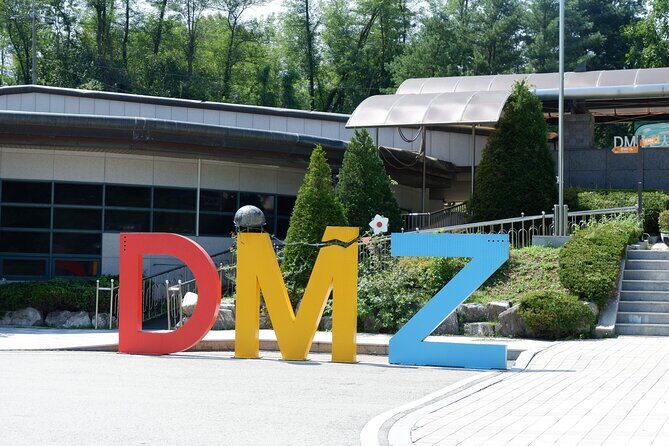
The DMZ is operated by the military, so the day can feel more controlled than your average tour. You’ll do passport checks by soldiers before you move toward the DMZ area.
Plan for schedule changes. Weather (dense fog, storms, heavy snow) or government/military orders can shift timing, and sometimes the trip can be canceled without prior notice. The operator notes that refunds can’t be granted in some military-related cancellation cases, so I’d only book this if you can be flexible with your Seoul schedule.
Also note one key access limitation up front: while you’ll see major DMZ sights, this particular tour does not include the JSA. That’s a clear boundary, not a small detail.
Imjingak Pyeonghoa-Nuri Park: where the Korean War is not history
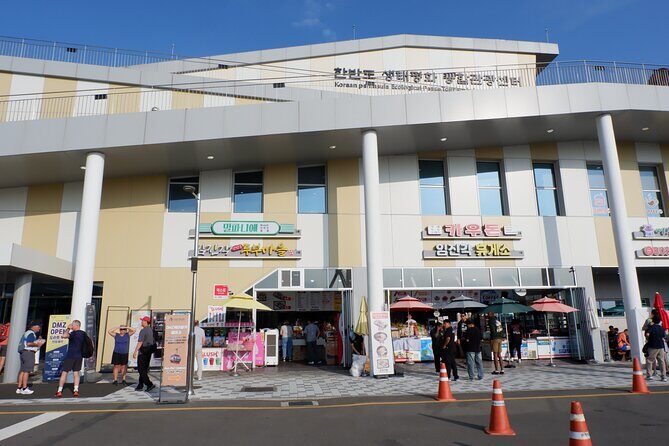
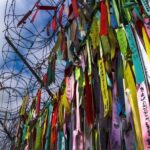
Your first stop is Imjingak Pyeonghoa-Nuri Park, about 7 km from the Military Demarcation Line. This park was built in 1972 with the hope of possible unification someday, and it’s set up as a space that connects visitors to the human cost of division.
You’ll have about 1 hour there, with admission included. I like this start because it gives you context before the hard visuals. Instead of going straight to observation points, you begin with a place designed to explain why people still talk about this border as more than politics.
What to do with that hour: don’t rush. Read the signs, watch any short videos if they’re available, and let the guide’s framing sink in before moving on. This is the stop that makes later viewpoints feel less like a postcard.
The DMZ exhibition stop: the short video that sets the mood
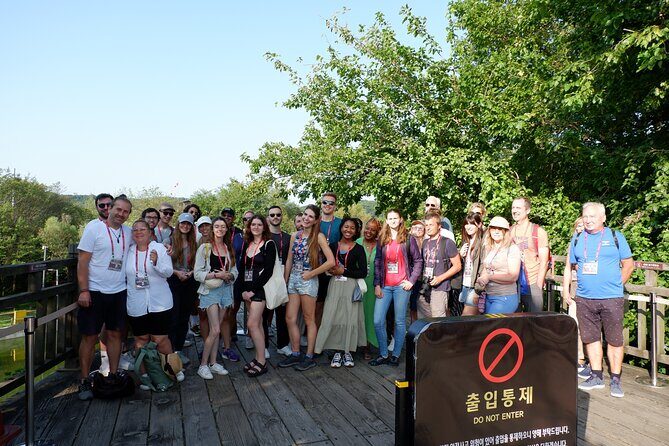
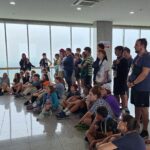
Next comes the DMZ segment (around 30 minutes, admission included). After passport checks, you may explore the DMZ exhibition hall, which includes a short video and exhibits.
This is one of those parts that can feel simple on the surface—until you realize it’s doing important work. The exhibition helps you connect the physical separation you’re about to witness to real events and lived consequences. It’s a quick education module, but it prevents the day from becoming only “looking and snapping photos.”
If you’re a history fan, this is where the narrative becomes clearer. If you’re new to the topic, it gives you the basics so the rest of the stops make sense.



Third Tunnel: going underground and feeling the scale
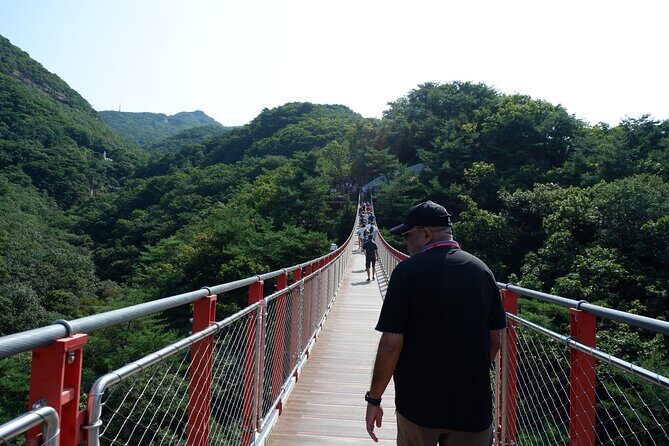
The Third Tunnel stop is about 40 minutes. This tunnel was discovered by South Korea in 1978, and the numbers tell you why it’s such a big deal: it’s around 1,635 meters long, about 2 meters wide, and about 2 meters high.
It’s also far enough from Seoul—about 52 km—that you feel you’re really leaving the city behind. Your guide will help connect the tunnel’s existence to the tension of the era and why tunnels mattered so much to military planning.
Here’s the physical side to respect: the tunnel involves moving through a confined space. Reviews note a downhill walk, a need to crouch in parts, and a harder uphill return. If you have moderate mobility limits, this is the part that demands the most from you.
So bring the right footwear. The tour strongly recommends you avoid flip-flops, slippers, or shoes with heels. You’ll be happier if you wear something grippy and comfortable for walking and climbing in tight areas.
Dora Observatory: views across a border that feels close
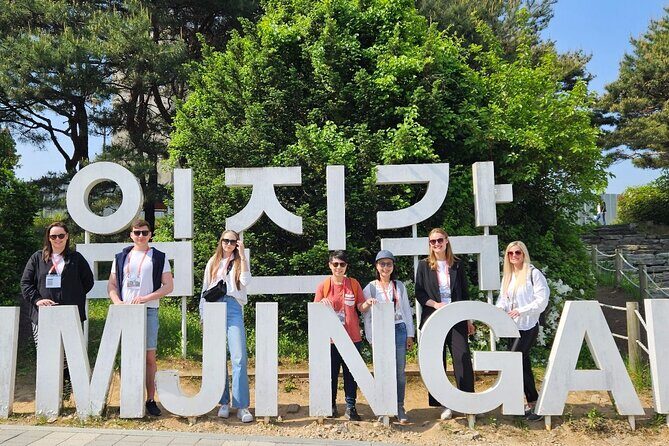
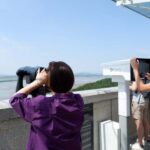
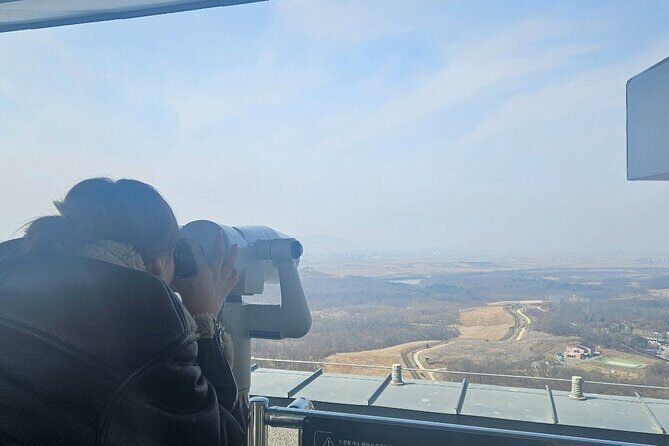
After the tunnel, you’ll head to Dora Observatory for about 30 minutes. This is the stop people remember because it gives you an outdoor “look” into North Korea—Gaeseong, Songaksan, the Kim Il-Sung Statue, and Cooperation Farm (Geumamgol) are specifically mentioned as visible from the observatory.
This is where the DMZ becomes personal. Even when you’re looking at a far horizon, it’s hard not to feel how one line on a map becomes an everyday reality for generations.
A practical note: sightlines and rules can shift. Some days may limit what you can photograph from certain spots. If photo rules change, don’t let it derail your focus. The value is in what you can see and what your guide explains while you’re there.
Dorasan Station stop: a border symbol tied to movement
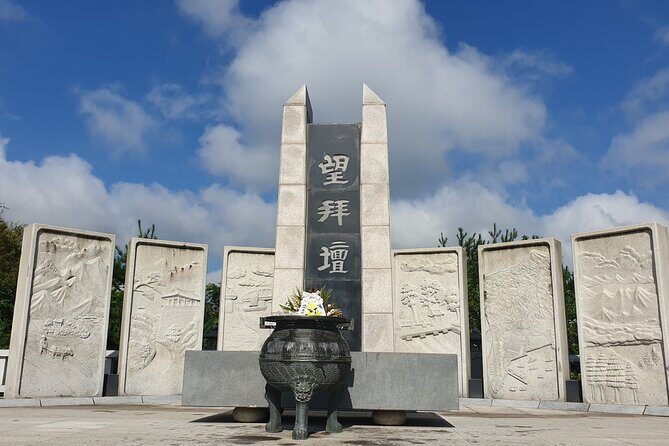
The tour overview includes Dorasan Station as one of its DMZ-related stops. Even if you don’t get long there, it’s a powerful place to pause and think about transportation as a symbol—movement planned, movement blocked, and movement imagined.
Because your time is limited across the day, the biggest way to get value here is to listen closely. Guides usually connect these border stations to the bigger story of division, negotiations, and the future people still hope for.
If you’re the type who likes to understand the “why” behind locations, this stop works well as a bridge between the tunnel’s past and the observatory’s view.
Comfort and pacing: how the tour keeps from feeling like chaos
This is a group tour with air-conditioned transport, and it’s structured to keep the day from melting into confusion. Most stops are timed in a way that balances walking time with explanation time, so you can actually process what you’re seeing.
Group size also matters. The operator notes a maximum of 500 travelers, which usually means you’ll be in a bus group rather than a huge crowd stampede. Still, you’ll want to be patient at checkpoints since the DMZ is run by military procedures, not tourism schedules.
The tour also avoids the classic trap of “we’ll take you to a shop so you can browse.” This one is described as not stopping at any shopping centers, which helps keep your day focused on history and viewpoints rather than forced detours.
And yes, the guide quality is a major part of the experience. Names that show up with strong feedback include Winnie, Kenny, Grace, Stella, Thomas Bae, and Sophie. The common theme is guides who stay organized, explain clearly, and keep the mood engaging even when the topic is heavy.
What to do in the real world: your packing checklist
You’re leaving Seoul and entering a security-controlled environment, so plan like a visitor who expects rules and walking.
Bring:
- A current valid passport (required on travel day)
- Comfortable, flat shoes (avoid heels, flip-flops, slippers)
- A light layer (morning can be cool)
- Water and a small snack if you like (lunch isn’t included)
Also expect some chances to buy refreshments at stops. The tour doesn’t include lunch, but multiple stops tend to have opportunities to purchase drinks and snacks, so you’re not completely stranded. Souvenirs may be available at some locations too, but the main point is you’re not locked into a shopping stop.
Should you book this DMZ tour?
Book this tour if you want the big DMZ highlights in one day with a guide who keeps you oriented. It’s especially a good fit when you have limited time in Seoul, like the idea of an early start to avoid crowds, and care about understanding what you’re looking at—not just collecting photos.
Don’t book it if your top priority is the JSA. This tour skips it, and no amount of tunnel and observatory time will fully replace that specific access point.
Finally, book with a mindset for flexibility. The DMZ is military-run, so schedules can shift. If you can handle that and you want a focused, story-rich day, this one is a strong value play at roughly $30.
FAQ
Is the tour price really low for a DMZ day trip?
Yes. The cost is listed at $30.00 per person, and the tour includes an air-conditioned vehicle, a professional tour guide, and admission fees for the stops mentioned. Lunch is not included, but most other major costs for the experience itself are handled.
How long is the DMZ tour from Seoul?
The duration is listed as about 7 hours 30 minutes (approx.).
What stops are included on this tour?
The experience covers Imjingak Pyeonghoa-Nuri Park, the DMZ (with an exhibition hall option), the Third Tunnel, Dora Observatory, and it also includes a stop at Dorasan Station as part of the overall DMZ highlights.
Is lunch included?
No. Lunch is not included.
Can I visit the Joint Security Area (JSA) on this tour?
No. Visit to the Joint Security Area (JSA) is not included.
What documents do I need?
A current valid passport is required on the day of travel, and you should expect passport checks by soldiers.
What if the tour is changed or canceled due to conditions or military decisions?
The operator notes the trip may be canceled without prior notice because the DMZ is operated by the military. The tour can also be canceled or altered due to weather, government order, strikes, road conditions, or other unforeseen military reasons. In some military-related cases, they state they cannot grant refunds. If you cancel yourself in advance, free cancellation is offered up to 24 hours before the experience start time for a full refund.