REVIEW · SEOUL
7 Day Essential Korea Tour(Seoul, Nami, DMZ, Andong, Gyeongju, Busan_Meal Incl.)
Book on Viator →Operated by Bergen travel · Bookable on Viator
Some trips show you photos. This one shows Korea.
This private 7-day tour strings together Seoul highlights, a proper swing through the countryside, and coastal Busan—so you get variety without spending days planning. I like that it’s private (your group only), and it keeps moving at a human pace by covering transport, admissions, and most meals up front.
My favorite part is the day-by-day structure: you get major sights like Gyeongbokgung Palace and the DMZ, plus time to wander on your own in each city. And the food plan matters. You’re not stuck guessing where to eat every day, because the tour includes 3 breakfasts, 7 lunches, and 6 dinners.
One possible drawback: the itinerary is packed with stops that cover a lot of ground. If you love slow mornings and long, unplanned evenings, you’ll want comfy shoes and a flexible mindset.
In This Review
- Key points to know before you go
- A Private 7 Days Through Korea’s Big Hits
- Price and Logistics: What $3,399 Buys You
- Day 1 Seoul: Palaces, Temples, Bukchon, and Kwangjang Market
- Day 2 Nami Island, Petite France, and the Garden of Morning Calm
- Day 3 DMZ and N Seoul Tower Views
- Day 4 Andong Classics: Buseoksa, Hahoe Folk Village, Buyongdae, and Byeongsan Seowon
- Day 5 Gyeongju Silla Sites: Bulguksa, Seokguram, Wolji, and Cheomseongdae
- Day 6 Busan Coast and Markets: Haedong Yonggungsa, Nurimaru, Dongbaekseom, Jagalchi, UN Cemetery
- Day 7 Gamcheon Culture Village: The Santorini of Busan Style
- The Meal Plan: 16 Meals That Keep You From Guessing
- Comfort and Pace: Transport, Hotel Nights, and Free Time That Actually Helps
- Who This Tour Fits Best
- Should You Book This Essential Korea Tour?
- FAQ
- What does the tour include for meals?
- Is pickup and drop-off included?
- Is this tour private?
- Are admission fees included?
- Where are the included hotel nights?
- What stops are included on the itinerary?
- Is transportation included?
- Does the tour have free time?
- Who provides the guide services?
- What is the cancellation window?
Key points to know before you go
- Private group touring: It’s your group only, with an official English-speaking guide.
- 16 included meals: 3 breakfasts, 7 lunches, 6 dinners keep the trip easy to manage.
- UNESCO-focused heritage days: You’ll hit major culture sites across Seoul, Andong, Gyeongju, and Busan.
- Seoul hands-on culture mix: Palaces, temples, traditional neighborhoods, and a classic street market in one day.
- DMZ + skyline contrast: One day is history and tension; the next gives you big Seoul views.
A Private 7 Days Through Korea’s Big Hits
If you want Korea with structure, this tour fits. You’re not jumping between apps, schedules, and train transfers while you’re still adjusting to Korean signs and timing. Instead, you get a private transportation setup and a licensed guide who keeps you on track, day after day.
The itinerary is designed like a best-of sampler with depth. Seoul gets a full heritage-and-food day, then the next days push into story-heavy places: Nami Island and French-themed Petite France for fun contrast, and the DMZ for a dose of real-world history. Then you move into the old-school Korean cultural corridor (Andong and its village traditions), and finish in Gyeongju and Busan where the Silla-era sites and coastal vibe land well together.
Who this suits best: people who want maximum value for limited time, and who don’t want to spend their vacation on logistics. It also works well for food lovers, since you’ll be eating with your guide often and trying a lot beyond what you’d stumble into by accident.
You can also read our reviews of more tours and experiences in Seoul
Price and Logistics: What $3,399 Buys You
At $3,399 per person, you should think of this as paying for convenience plus guided access, not just transportation. This package includes private air-conditioned vehicle transport, a professional English guide with an official license, and most major costs that normally add up fast on a Korea trip.
What’s included that protects your budget:
- Admission fees for the listed stops
- 3 breakfasts, 7 lunches, 6 dinners (so you’re budgeting far less for food)
- Hotel nights (3 nights total) in Andong, Gyeongju, and Busan, in 4-star or 3-star properties
- Pickup and drop-off at your Seoul hotel
In real terms, you’re buying time and certainty. Instead of pricing out each temple ticket, sorting transit between provinces, and hunting for restaurants that match your preferences, you’re following a plan built around big destinations. Past guests also highlighted that the meals didn’t feel repetitive—lunch and dinner with the guide each day, and different dishes every time. That’s a quality-of-life win, especially when your schedule is tight.
Day 1 Seoul: Palaces, Temples, Bukchon, and Kwangjang Market
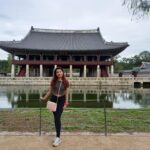
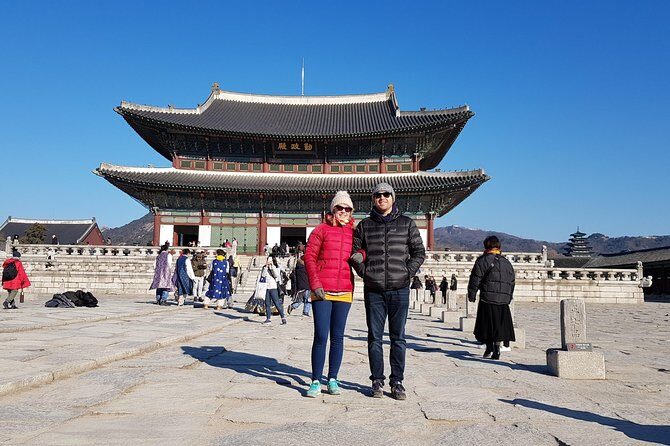
Day 1 is a full-spectrum Seoul day. It starts with the big royal statement: Gyeongbokgung Palace. It was the first and largest Joseon Dynasty palace, and it anchors the day’s theme of how Korea’s capital grew into what you see now. If you like seeing how power and design shaped daily life, this is your foundation stop.
Right after, you head into cultural memory at the National Folk Museum of Korea, covering Korean culture and folk history from prehistoric times through the end of the Joseon Dynasty. It’s a good move because it gives you context before you hop into neighborhoods where tradition still shows up in architecture and street life.
Then come the old-house streets: Bukchon Hanok Village. You’ll see hanok alleyways on a hillside layout, where the texture of Seoul feels older than the skyline. Nearby, you visit Jogyesa Temple, a central Seoul Buddhist headquarters. The location in the heart of the city makes it feel different from temples you reach only by leaving town.
For traditional arts and shopping energy, the route includes Insadong—craft workshops, antique shops, galleries, and traditional-style teahouses. The itinerary also includes a tea break at the Kyung-In Museum of Fine Art tea garden, where you taste traditional tea and relax at a tea house featured among the top traditional tea houses in Seoul.
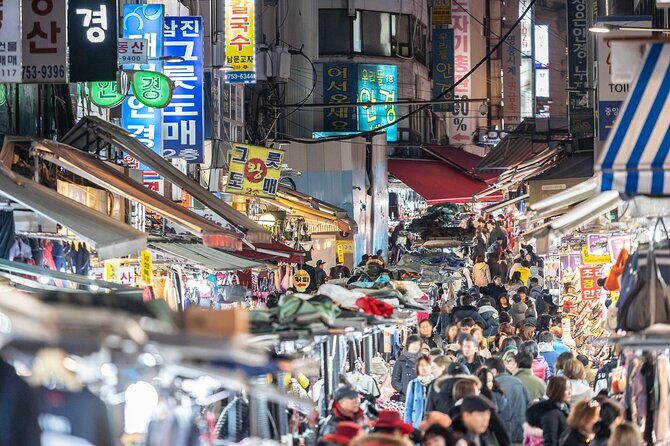
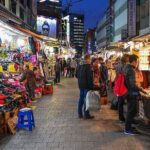
To balance all that heritage, you then walk the urban refresh at Cheonggyecheon Stream, an 11-kilometer eco waterway rebuilt as a public recreation space. It’s a nice reset before your evening street-food finale: Kwangjang Market. This is one of the oldest traditional markets in South Korea, and it’s famous because you can sample a wide range of street foods in one place without hunting town-to-town.
Practical note: this day has a lot of indoor-outdoor switching. Plan on layered clothing and shoes that handle walking.
Day 2 Nami Island, Petite France, and the Garden of Morning Calm
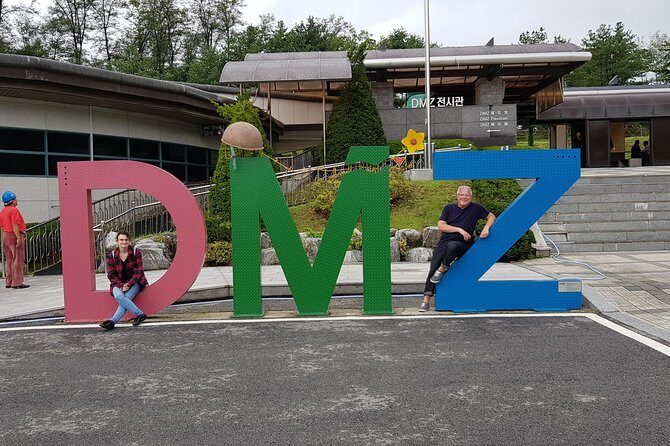
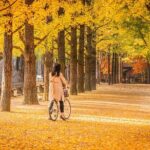
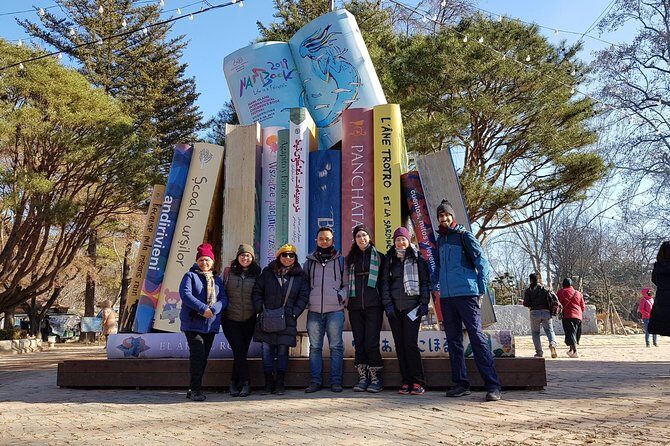
Day 2 is the fun contrast day. You start at Nami Island, which is known for tree-lined paths, woodlands, and riverside walks. The key point here is variety by season—so even if you come during a less “perfect” weather window, it still tends to feel photo-friendly and easy to explore.
Next up is Petite France, a French culture village in Korea. It’s small, but it’s packed with European-themed programs and performances, so you get a different mood than you’ll see in palace courtyards or Buddhist temple halls.
Then you close the day at the Garden of Morning Calm, an 82-acre garden with more than 20 smaller themed gardens. The stop is built for wandering at your own pace, and that’s where you’ll likely use some of your included free time feeling the layouts rather than just moving through them.
Who will enjoy this day most: people who want “less heavy” sightseeing while still getting beautiful, organized places. It’s not just a single attraction—you’re getting three distinct atmospheres: nature paths, a themed cultural village, and a landscaped garden world.
Possible consideration: because these are popular with visitors, you may want to adjust your mindset. You’re going for the scenery and experience, not for solitude.
Day 3 DMZ and N Seoul Tower Views
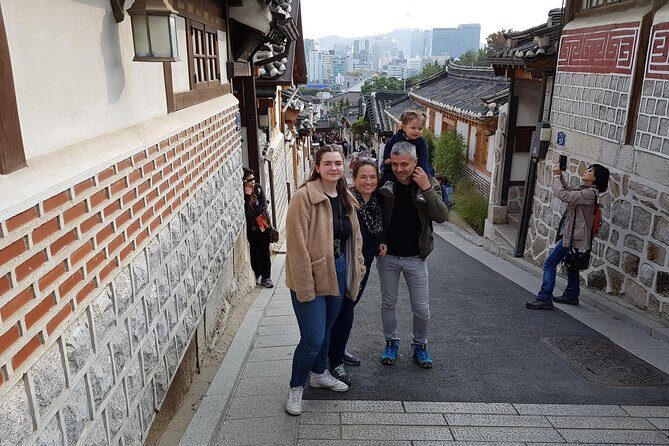
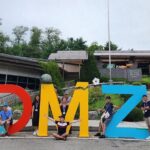
Day 3 is your history-and-views day, and the contrast is part of the impact. You visit the DMZ (Demilitarized Zone), established in 1953 after the Korean War. It’s one of the most unique attractions in the world, and the tour route includes key DMZ stops such as the Freedom Bridge, the 3rd Infiltration Tunnel, Imjingak Park, and Dora Observatory.
This is the kind of day where your guide’s pacing matters. Even if you know the broad story, seeing how the sites are arranged—and hearing what each stop represents—makes it feel much more real than reading about it.
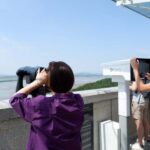
After that heavier stop, you get a mood shift with N Seoul Tower (Namsan Seoul Tower). It offers panoramic views of Seoul, and it’s listed as one of Lonely Planet’s 500 best places to visit in the world. It’s a smart way to end the day: you finish with perspective—literally—over the city you’ve been walking through since Day 1.
Tip for you: if you’re the type to take lots of photos, bring the habit you already have. This is a place you’ll want your camera ready.
Day 4 Andong Classics: Buseoksa, Hahoe Folk Village, Buyongdae, and Byeongsan Seowon
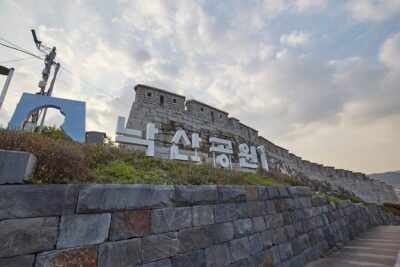
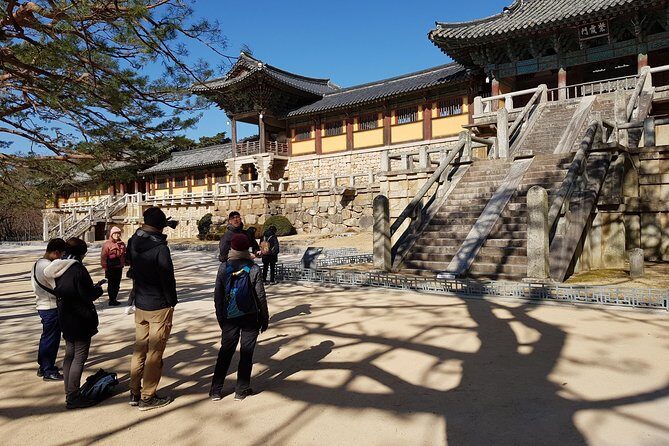
Day 4 begins with Buseoksa Temple, built in 676. The itinerary highlights its scenery and the fact it has the longest wooden building in Korea, plus national treasures like wooden structures and mural paintings. This stop gives you that “real site” feeling—old stone and wood, not just modern displays.
Then you move to Andong Hahoe Folk Village. This is a traditional community that has preserved its housing and living conditions, with roots reaching back to the early Joseon Dynasty, about 600 years ago. The point isn’t only to see buildings—it’s to see a way of life that stayed intact.
Across the river, you get the view payoff at Buyongdae, a 64-meter-high cliff opposite Hahoe village. It’s a short stop, but it’s built for one job: letting you see the full layout and understand why the village is arranged the way it is.
The day also includes Byeongsan Seowon, a Confucian private school and shrine area. It’s tied to Confucian scholarship and includes a shrine to house tablets of spirit and portraits of famous scholars. If you want to understand how education and philosophy shaped traditional Korea, this is a strong final piece.
Practical consideration: this is a day of travel between sites. If you get car-sore, plan a simple routine—water, a snack if you’re allowed (food isn’t included beyond what’s specified), and something to keep you comfortable during transit.
Day 5 Gyeongju Silla Sites: Bulguksa, Seokguram, Wolji, and Cheomseongdae
Gyeongju is a major payoff day. You start at Bulguksa Temple, built in 751 during the Silla kingdom era. It’s described as the representative relic of Gyeongju, famous for its beauty and its Buddhist heritage. Even if you’re not a temple expert, Bulguksa is the kind of place that makes the past feel physical.
Next you go to Seokguram, a Buddhist stone temple built in 751 on the slope of Mt. Tohamsan. The inside features a round-shaped main hall with a huge granite Bonjon statue. This is one of those stops where you’ll likely slow down, because the form and setting do a lot of the work for you.
Then you visit Donggung Palace and Wolji Pond. This secondary palace was used by the crown prince of the Silla Kingdom and also served as a banquet site for important national events and important visitors. It’s a great pairing with temples because it adds a different side of Silla life: governance, ceremony, and social space.
You finish with Cheomseongdae Observatory, built around the 7th century and described as a hollow cylindrical observatory, designated as a national treasure. It’s a reminder that “culture” includes science and observation, not just architecture.
Finally, you explore the Daereungwon Tomb Complex, home to large tombs of kings and nobles from the Silla Kingdom. The itinerary highlights the famous tombs Cheonmachong and Hwangnamdaechong, which were excavated. It’s a long day, but it’s also a coherent one: you move from religious structures to royal sites to science to burial history.
Day 6 Busan Coast and Markets: Haedong Yonggungsa, Nurimaru, Dongbaekseom, Jagalchi, UN Cemetery
Day 6 is where Busan starts feeling like Busan. You begin at Haedong Yonggungsa Temple, positioned on the coast. Most Korean temples aren’t right on the shoreline, and that difference is the point—it’s a temple setting with ocean energy.
Then you visit Nurimaru APEC House, which was used as the conference hall for the 13th APEC summit in November 2005. This is a “modern landmark” stop that shows Busan’s role on the international stage, not just its old-town character.
Next comes Dongbaekseom, the island at the west end of Haeundae Beach, with the description noting camellias in the area. It’s short, but it gives you room to walk near the water and reset after indoor temple time.
For classic sensory eating, you go to Jagalchi Market, described as the biggest fish market in Korea and famous throughout the country. You buy raw fish at shops on the first floor and bring them to restaurants. It’s one of the best places to understand Busan’s coastline identity in a single stop.
You also visit the UN Memorial Cemetery, which honors UN soldiers from 16 countries and UN aids from five countries killed during the Korean War from 1950 to 1953. The itinerary notes it’s the only memorial cemetery in the world with that distinction. It’s a solemn ending to a day that starts in bright coastal scenery and ends with remembrance.
If you’re sensitive to memorials, give yourself a respectful pace. Don’t rush your thoughts.
Day 7 Gamcheon Culture Village: The Santorini of Busan Style
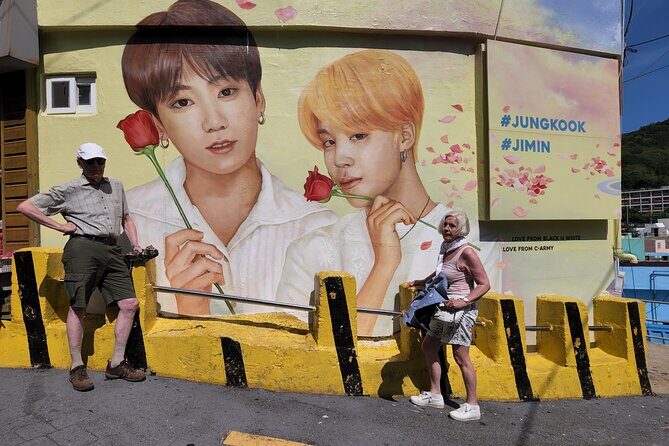
Your final day uses Busan’s creative side: Gamcheon Culture Village. The description says the village has houses built in staircase-fashion on the foothills of a coastal mountain—earning it the nickname Santorini of Busan. The alleys cut through the community, so it’s the kind of place where you’ll do more wandering than “checking off.”
This final stop is also a good way to absorb what you’ve learned earlier. You’ve seen tradition (palaces, folk villages, seowon) and you’ve seen modern influence (APEC House, skyline views). Here you see how coastal geography shapes daily life and design, and how a community turns that into something visitors can explore.
Practical tip: this is likely more uphill walking than you expect. Pack comfortable shoes and let your legs set the pace.
The Meal Plan: 16 Meals That Keep You From Guessing
Meals are a big part of why this tour works for real life. You’re getting 16 included meals total: 3 breakfasts, 7 lunches, and 6 dinners.
Why it matters: on a trip with many provinces, eating is usually the hidden time drain. You either waste time finding a place that’s open, in a neighborhood you didn’t plan for, or you end up with the same “safe” food because it’s easy. Here, the structure reduces those headaches.
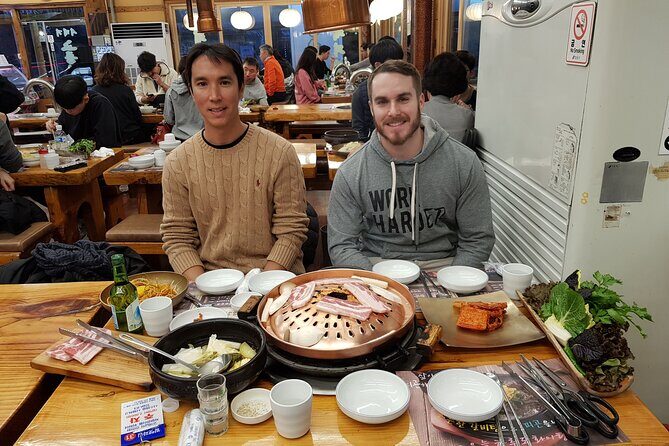
One of the most praised details from earlier groups is that lunch and dinner with the guide didn’t feel repetitive. People specifically said the meals were different every day and that they got to experience more real Korean food than they expected.
Also, the itinerary quietly includes “food moments” inside cultural stops. On Day 1, you’re invited into a traditional tea house experience at the Kyung-In Museum of Fine Art tea garden. That kind of small pause helps break up the heavy heritage schedule without turning the day into a long sit-down.
Comfort and Pace: Transport, Hotel Nights, and Free Time That Actually Helps
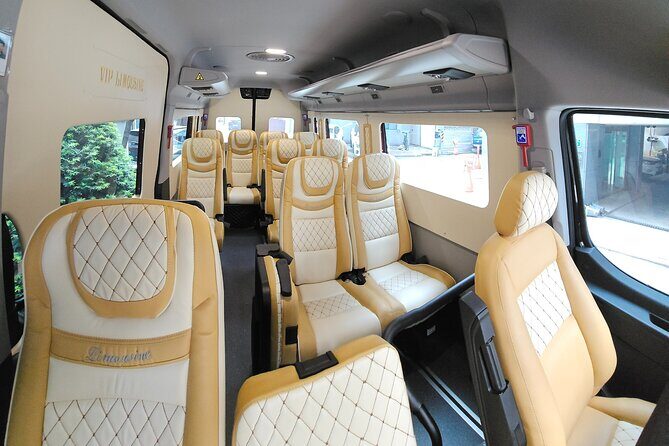
This tour uses a private air-conditioned vehicle and includes pickup and drop-off at your Seoul hotel. That matters because you’re traveling between cities and need predictable timing. You also have some free time in each city to explore independently, which is a lifesaver if you want to slow down, buy small souvenirs, or just step away from the schedule for a bit.
The hotel part is straightforward: you get 3 night accommodations in Andong, Gyeongju, and Busan, in 4-star or 3-star properties. The room setup follows a 2-per-room approach, with an adjustment if your group count is odd.
One more comfort note: the guide experience seems to be a strong point. Earlier guests praised Bergen Park for care and comfort, including the idea of a luxury-style car ride and well-chosen hotels. When transportation and hotels are handled well, the sightseeing days feel less stressful.
Who This Tour Fits Best
This is a strong fit for:
- You want a guided plan but still like breathing room for your own walking time
- You’re short on days and want Seoul + countryside + Busan without a second trip
- You care about food and prefer trying dishes with local guidance
- You’d rather pay once for a structured plan than assemble parts yourself
It might be less ideal if:
- You need a very relaxed pace with lots of free hours
- You hate car time and prefer staying in one city
Should You Book This Essential Korea Tour?
If you want Korea in 7 days with far less planning stress, I think this booking makes sense. The big reason is the bundle: private transport, a licensed English guide, admissions, and 16 included meals. That combo is what turns an itinerary into a smooth vacation.
Book it if you like the idea of starting in Seoul’s palaces and neighborhoods, tackling the DMZ, then moving through Andong and Gyeongju’s cultural sites, finishing with Busan’s coast, markets, and Gamcheon’s stairway streets.
One final check for you: look at the schedule and decide if you’re okay with a full day of moving between multiple stops. If your answer is yes, you’ll probably walk away feeling like you got the essential shapes of Korea—Seoul, heritage towns, and coastal Busan—without losing your vacation time to logistics.
FAQ
What does the tour include for meals?
The tour includes 3 breakfasts, 7 lunches, and 6 dinners, which totals 16 meals.
Is pickup and drop-off included?
Yes. Pickup and drop-off at your hotel in Seoul is included, with a start time of 9:00 am.
Is this tour private?
Yes. It’s listed as a private tour/activity, and only your group participates.
Are admission fees included?
Yes. Admission fees for the listed stops are included.
Where are the included hotel nights?
The package includes 3 nights of accommodation in Andong, Gyeongju, and Busan in 4-star or 3-star hotels.
What stops are included on the itinerary?
The itinerary includes major stops such as Gyeongbokgung Palace, Bukchon Hanok Village, Nami Island, the DMZ, Buseoksa Temple, Andong Hahoe Folk Village, Bulguksa Temple, Seokguram, and multiple Busan stops including Haedong Yonggungsa and Jagalchi Market, plus Gamcheon Culture Village.
Is transportation included?
Yes. Private transportation with an air-conditioned vehicle is included.
Does the tour have free time?
Yes. There is free time to explore independently in each city.
Who provides the guide services?
The tour includes a professional English-speaking guide with an official tour guide license, provided by Bergen travel.
What is the cancellation window?
You can cancel up to 3 days in advance of the experience’s start time for a full refund. Changes made less than 3 full days before the start time aren’t accepted.