REVIEW · SEOUL
Korean Cooking Class Full Meal with BBQ on an All in One Table
Book on Viator →Operated by Soop Table: The Hansik Atelier · Bookable on Viator
Cooking in Seoul, the cozy way.
What makes this class special is that you focus on real hands-on Korean home cooking instead of rushing through a crowd or hunting ingredients. I like the calm Hanok-inspired studio setting and the fact that you build an entire Korean meal yourself, side dishes through bibimbap presentation. One consideration: since this is designed as a cooking class (not a market tour), you may not get that before-dinner wandering-stalls energy.
You start with a seasonal welcome tea, then roll up your sleeves for four kinds of banchan made with fresh, seasonal vegetables and fermented pastes like doenjang and gochujang. The chef also shares that the flavors aren’t random; they connect to nature, season, and fermentation. Also, BBQ is served by the chef rather than something you cook, so if you want every item fully hands-on, set your expectations now.
The upside is how the meal comes out. Korean dining here is served all at once, the way a table of dishes is meant to be shared, and you’ll eat what you make. With a maximum of 8 travelers, you get clear instruction and time to actually work at your own station, not just watch.
In This Review
- Key things that make this class worth your time
- Inside Soop Table: a Hanok-inspired studio kitchen in Mapo-gu
- Welcome tea and fermented-paste basics you can use at home
- Four banchan side dishes: learning the art of a shared table
- Choosing your main dish and soup/stew the Korean way
- Bibimbap plating: presentation training you can actually see
- Chef-handled BBQ on an all-in-one table
- Dessert together: the satisfying end to a full Korean meal
- Price and value: is $89 fair for Seoul cooking?
- Who should book this cooking class in Seoul
- Should you book Soop Table’s Korean cooking class?
- FAQ
- How long is the Korean cooking class?
- What does the $89 per person include?
- How many people are in a group?
- Is this class a market tour?
- What do I cook during the class?
- How is the meal served?
- Where is the meeting point?
- What’s the cancellation policy and what happens if weather is poor?
- Do I need a mobile ticket?
Key things that make this class worth your time
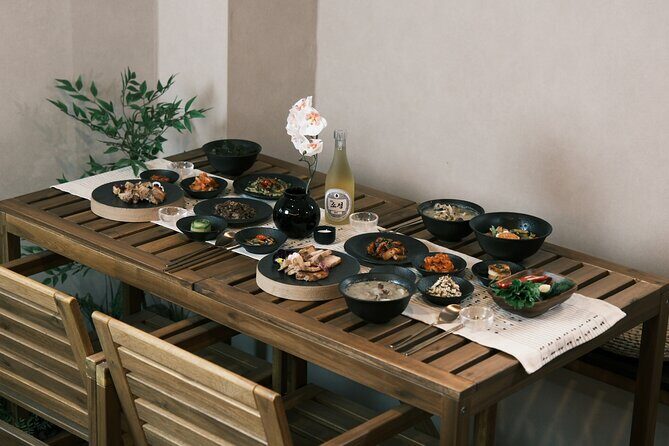
- Hanok-style cooking space built for calm, focused cooking
- Four banchan + a chosen main + soup/stew for a complete meal
- Bibimbap plating practice so your food looks like it belongs on a Korean table
- Chef-served grilled pork belly BBQ plus a small taste of traditional liquor
- Small group limit (up to 8) for better guidance and breathing room
- Dessert-making together so you finish the meal as a group
Inside Soop Table: a Hanok-inspired studio kitchen in Mapo-gu
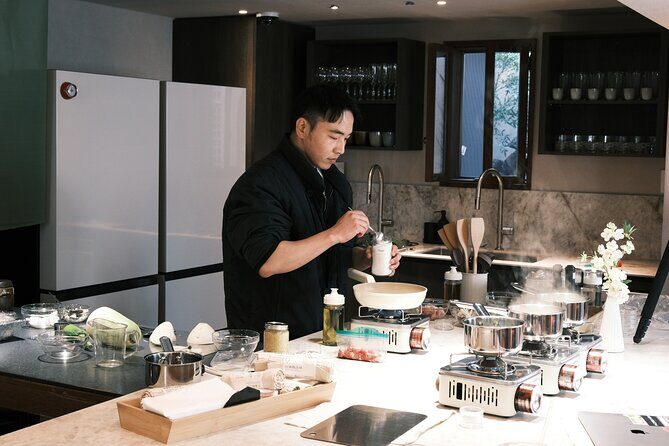
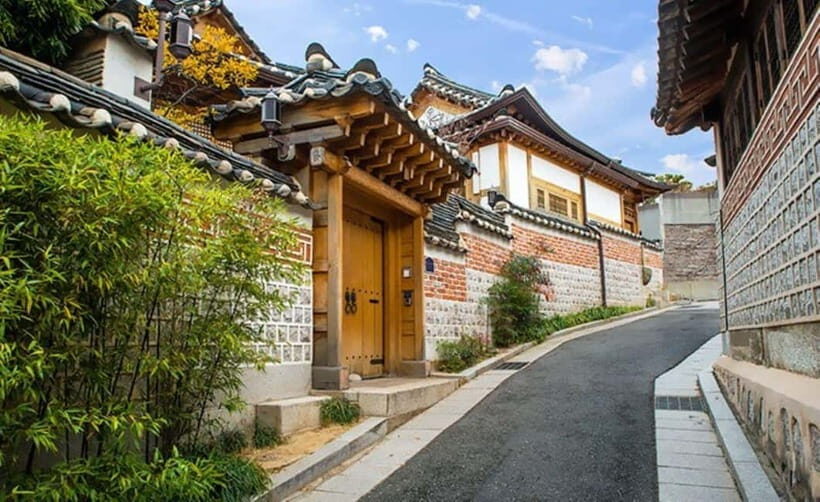
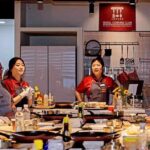
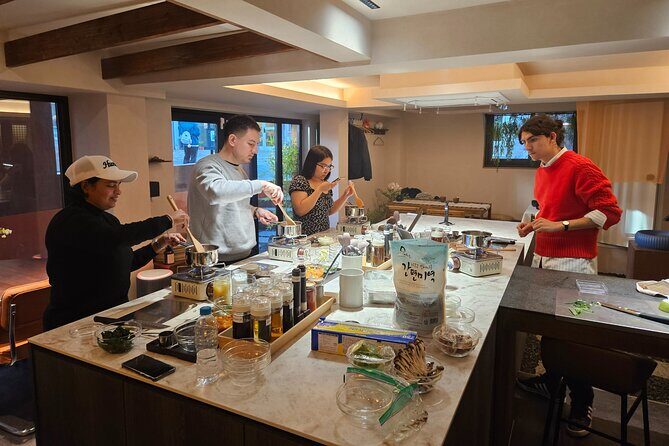
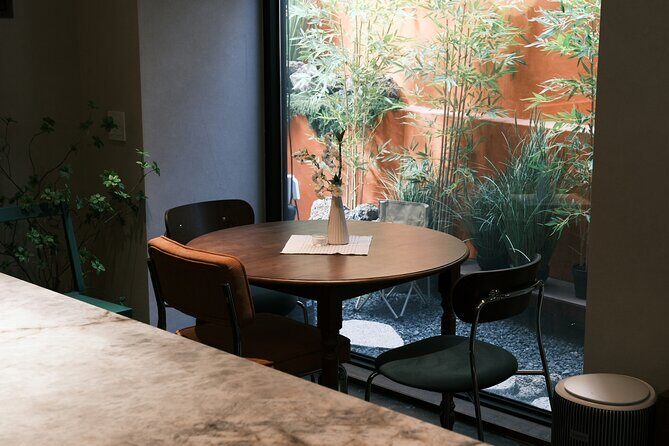
You’ll meet at Soop Table: Korean Cooking Class (The Hansik Atelier) in Mapo-gu, at Donggyo-ro 46-gil 34, 1st floor. The class is designed to feel like a quiet Korean home kitchen rather than a tourist assembly line, and the studio is inspired by traditional Hanok architecture. That matters more than you’d think. A comfortable, well-set kitchen helps you stay calm when you’re chopping vegetables, portioning ingredients, and timing dishes.
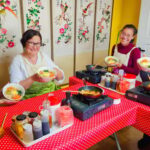
This is also a small-group experience, capped at 8 travelers. In practical terms, that makes instruction easier to follow. You’re not yelling your questions over noise, and you don’t feel like you’re constantly in the way. If you’re traveling with a partner or a small group and you want a structured activity that still feels personal, this setup fits well.
The timing is short enough to keep it fun—about 3 hours—but long enough for you to actually cook. That’s the sweet spot for people who like food but don’t want a half-day class.
You can also read our reviews of more cooking classes in Seoul
Welcome tea and fermented-paste basics you can use at home
Before you start cooking, you’ll get a seasonal Korean welcome tea. It’s a small step, but it sets the tone: this isn’t just about recipes; it’s about the rhythm of a Korean meal.
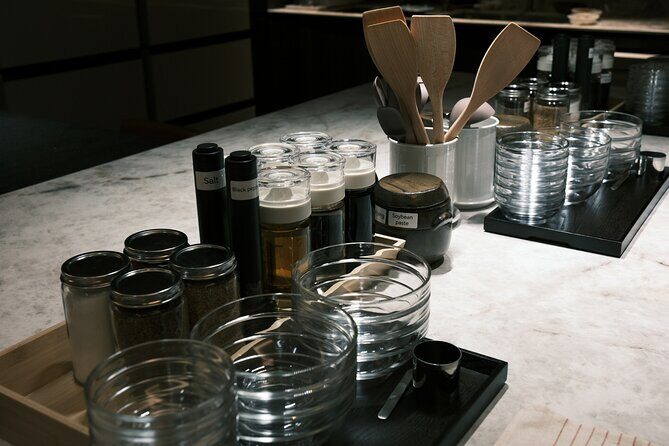
Then you’ll get hands-on with essential Korean ingredients and sauces, with special attention to fermented pastes such as doenjang and gochujang. The class frames these flavors in a way that helps you taste with your brain, not just your tongue. Fermentation affects depth, saltiness, and the slow-building umami that makes Korean dishes feel complete.
If you’ve ever tasted Korean food and thought it was somehow more layered than you expected, this is where you learn why. You’re not memorizing fancy steps; you’re understanding what gives the food its backbone. And once you understand that part, your cooking at home becomes much less guesswork.
Four banchan side dishes: learning the art of a shared table
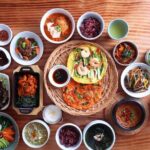
One of the most satisfying parts of this class is that you don’t just make one dish and call it a day. You’ll make four kinds of Korean side dishes (banchan) using fresh vegetables and the season-inspired ingredient approach the class emphasizes.
Four sides is a strong number for two reasons:
1) you practice different textures and flavor balances, not one repeating pattern
2) you understand Korean “table logic,” where the sides are meant to work together with the main
In Korean dining, banchan aren’t an afterthought. They’re part of how the meal stays interesting from the first bite to the last. In this class, you’ll learn that concept in a very practical way because your hands are doing the work. You’ll also get a feel for how vegetables can taste very different depending on sauces, seasoning, and how you treat timing.
Choosing your main dish and soup/stew the Korean way
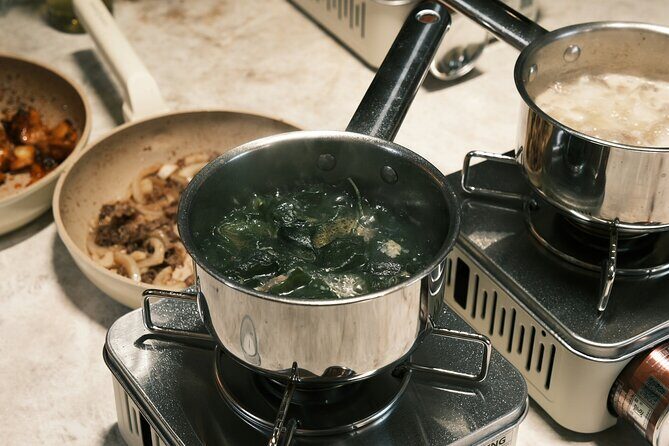
Next comes the meal centerpiece decisions. You’ll choose one main dish and one soup or stew based on your taste. The key here is control. Instead of getting only one pre-set menu, you’ll shape your table to match what you actually want to eat.
This choice also matters because Korean meals are designed to be eaten together, not delivered like a Western-style sequence. The class specifically leans into that: dishes aren’t treated like separate “courses.” You’re building a table.
When you select your main and soup/stew, you’re also thinking about balance:
- something comforting (often through stew or soup)
- something satisfying as the main
- banchan to brighten and cut through richness
Even if you don’t know Korean cooking yet, this structure helps you taste the meal as a system, not as isolated dishes.
Bibimbap plating: presentation training you can actually see
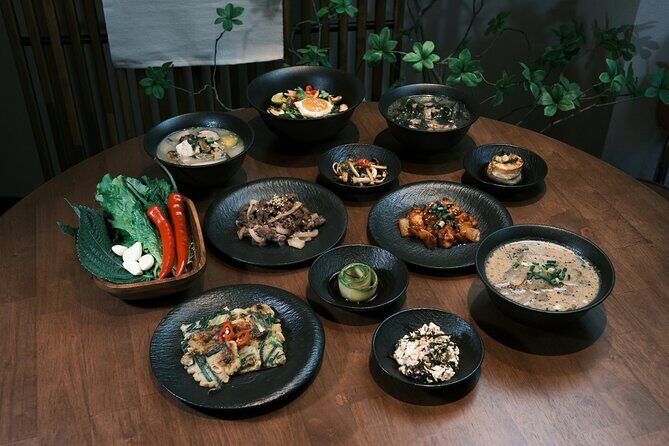
If there’s one skill that pays off fast after a cooking class, it’s plating. Here, you’ll plate your own bibimbap beautifully, with your own style. That doesn’t mean it’s showy for show’s sake. Bibimbap is visually organized on purpose. Color, ingredient placement, and sauce balance are all part of the experience.
This is also where you’ll feel how the teacher approach focuses on clarity. In particular, the instructions are described as easy to follow, and presentation gets real attention. If you’ve ever cooked something and thought it tasted great but looked messy, this part should feel reassuring. You’re not judged; you’re coached.
And because the meal is served all at once, the plating step isn’t a separate performance. It’s a part of the meal rhythm. You’ll learn to assemble with timing and intent.
You can also read our reviews of more tours and experiences in Seoul

Chef-handled BBQ on an all-in-one table
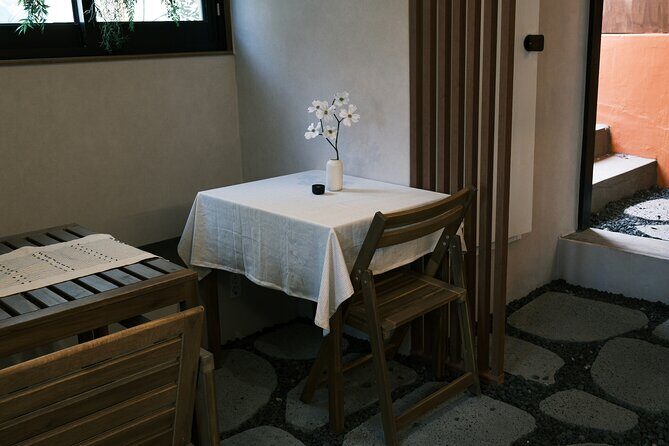
After you cook most of the meal, you get a shift in pace. The chef serves grilled pork belly BBQ at the table. You don’t cook the BBQ yourself, which is a smart choice. It keeps the focus on what you’re learning while still letting you experience the Korean dining full package.
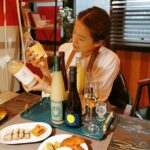
You’ll also get a taste of traditional liquor during the meal. Again, this is chef-served, so you get the cultural element without needing to manage extra cooking steps.
Why I think this “you cook most, chef completes the table” format works: it prevents burnout. A three-hour class already asks you to chop, mix, season, and plate. When the BBQ arrives, you can concentrate on tasting, comparing flavors, and enjoying the table you built instead of rushing to finish everything yourself.
Dessert together: the satisfying end to a full Korean meal
Once the main meal is done, the class doesn’t fade out. You’ll enjoy making a popular Korean dessert together. It’s another hands-on moment, and it rounds out the experience so you leave with the feeling that you completed a full dining arc.
Dessert in Korea often plays a different role than in some other food traditions. Instead of being an afterthought, it can feel like the final piece that makes the meal feel complete. In this class, the dessert is built into the structure, so you don’t leave hungry for one more course or scramble to find something later.
Price and value: is $89 fair for Seoul cooking?
At $89 per person for about 3 hours, this class sits in the mid-range for hands-on food experiences in Seoul. Whether it feels like a bargain depends on what you compare it to.
Here’s the value math that matters:
- You’re not just learning one recipe. You make four banchan, plus a chosen main and a soup/stew.
- You plate your own bibimbap, not just assemble and eat.
- The class includes a seasonal welcome tea, plus chef-served grilled pork belly BBQ and a taste of traditional liquor.
- You also make dessert together.
So you’re paying for time, instruction, ingredients, and a full meal experience that goes well beyond eating. If you like cooking and want your money to translate into actual skills and real meals, the structure justifies the price.
If you’re mainly hunting for the cheapest way to eat Korean food, you might find cheaper options. But if you want a class where the table is the point, the cost is easier to accept.
Who should book this cooking class in Seoul
This is ideal if you:
- want a full Korean table, not a quick bite or a restaurant meal
- like hands-on cooking with clear steps and a calm environment
- enjoy Korean flavors and want to learn how sauces and fermented ingredients shape taste
- travel with someone (especially a partner) and want a shared, structured experience
It’s also a great fit for people who like culture through food. The class is described as cultural, with a focus on how nature and season connect to ingredients, and how time shapes flavor through fermentation.
The main group you might want to consider carefully:
- If your dream Seoul food day includes a market walk and shopping for ingredients first, this isn’t that kind of tour. The emphasis stays on cooking and table dining.
- If you specifically want to cook the BBQ yourself, you should know it’s chef-served here.
Should you book Soop Table’s Korean cooking class?
I’d book it if your priority is learning how Korean home cooking builds a meal: sides, soup or stew, bibimbap plating, and then eating together at one table. The best part is that you’re not just tasting Korean food—you’re practicing the logic behind it.
Skip it if you mainly want a market tour, or if you’re expecting a long, multi-stop food crawl. This is a focused cooking journey with a full dining finale, and it works best when you like structure and hands-on work.
FAQ
How long is the Korean cooking class?
It lasts about 3 hours.
What does the $89 per person include?
You’ll cook multiple dishes (four side dishes, plus a chosen main and soup/stew), plate bibimbap, and make dessert. The experience also includes a seasonal welcome tea, chef-served grilled pork belly BBQ, and a taste of traditional liquor.
How many people are in a group?
The class has a maximum of 8 travelers.
Is this class a market tour?
No. It’s a genuine Korean cooking journey focused on cooking and eating. The provider may share trusted local market recommendations if you’re curious, but the core experience is not a commercial market tour.
What do I cook during the class?
You’ll make four kinds of Korean side dishes, choose one main dish and one soup or stew to cook, plate your own bibimbap, and make a popular Korean dessert together. The BBQ is served by the chef rather than cooked by you.
How is the meal served?
Korean meals are served all at once, and this class is designed to follow that dining style.
Where is the meeting point?
You’ll start at Soop Table: Korean Cooking Class at South Korea, Seoul, Mapo-gu, Donggyo-ro 46-gil, 34 1층, and the experience ends back at the same meeting point.
What’s the cancellation policy and what happens if weather is poor?
You can cancel for free up to 24 hours in advance for a full refund. If it’s canceled due to poor weather, you’ll be offered a different date or a full refund.
Do I need a mobile ticket?
Yes, the experience provides a mobile ticket.