REVIEW · SEOUL
Seoul: Traditional Korean Dessert Workshop with Korean Tea
Book on GetYourGuide →Operated by K-Vibe Studio · Bookable on GetYourGuide
You shape tiny edible art in Seoul. I love how the Dasik workshop turns a tasty dessert into patterned pieces with meaning from Korea’s past. You also get to make it yourself instead of just watching.
The tea tasting part slows the pace down in a calm room. It’s not only tasty; it helps you understand why these sweets are served with Korean tea, not afterthought coffee-and-cake.
At $58 for 90 minutes, it’s a treat-price class, not a budget snack stop. If you’re purely after cheap food sampling, you may feel the cost faster than value.
In This Review
- Key highlights to know before you go
- Arriving at K-Vibe Studio for Korean tea first
- What Dasik actually is, and why the patterns matter
- The ingredients mix: omija, injeolmi, plus chocolate and pistachio
- Tea tasting: the calm part that makes the dessert click
- How the workshop flows during the 90 minutes
- Taking home your handmade sweets in a premium box
- Price and value: what $58 buys you in Seoul
- Who should book this workshop (and who might skip it)
- Should you book the Dasik workshop in Seoul?
- FAQ
- Where is the meeting point?
- How long is the workshop?
- Is the workshop taught in English?
- What will I make?
- What ingredients are used?
- Is it suitable for young children?
- How much does it cost, and is there free cancellation?
Key highlights to know before you go
- Make Dasik with real cultural context, including what the patterns mean
- Tea tasting in a calm traditional space that feels almost meditative
- Traditional + modern ingredients, including omija and injeolmi plus chocolate and pistachio
- Your sweets come in a premium box, built for taking home or gifting
- English instruction with helpful support, so you can follow along without stress
Arriving at K-Vibe Studio for Korean tea first
The workshop meets at 1 Floor, K-Vibe Studio. Plan to arrive a few minutes early so you can settle in, choose your seat, and get comfortable before the first step.
What I like about starting with tea is that it gives you a mental reset. The class is built around a slower rhythm—tea first, then dessert—so you’re not rushed from station to station. Several past participants also describe the hosts as welcoming and friendly, which matters in a hands-on food class where you’ll want quick help when you need it.
This is also a solid plan when Seoul weather is rough. One past experience called it a great wet-weather option, and the workshop format stays the same whether it’s bright or cold outside.
You can also read our reviews of more tours and experiences in Seoul.


What Dasik actually is, and why the patterns matter
Dasik is a traditional Korean tea dessert made from natural grains and nuts (think soybean, almond, and similar ingredients). It’s traditionally enjoyed with tea, and it has been around since the Joseon Dynasty.
Here’s the part you’ll appreciate more as you work: each piece is made with beautiful patterns, and those shapes aren’t random decoration. In class, you learn the history and meaning behind the sweets you’re creating, so you don’t just leave with something pretty—you leave knowing what you made and why it matters in Korean food culture.
Also, Dasik is often called a dessert for the eyes. That’s true, but the practical takeaway is this: your final pieces are designed to look good up close, which is why it makes such a strong “I did this” souvenir. You’re not buying a pre-made pastry; you’re producing a small edible artwork.
The ingredients mix: omija, injeolmi, plus chocolate and pistachio
The workshop includes making Dasik using both traditional and modern flavor ideas. On the traditional side, you’ll work with ingredients such as omija and injeolmi. Omija brings a signature Korean flavor profile associated with the drink of the same name, while injeolmi is tied to the classic roasted soybean-and-rice-cake style you’ll recognize from Korean desserts.
Then you’ll also get modern twists, including chocolate and pistachio. This is a great balance if you’re curious about tradition but still want flavors that feel familiar and current.
A practical thought: having both traditional and modern options helps you decide what you truly like. If you’re the type who usually skips “funky” ingredients in desserts, modern flavors can keep the experience fun. If you’re the type who loves learning old-school food customs, omija and injeolmi give you a more rooted Korean taste.
Tea tasting: the calm part that makes the dessert click
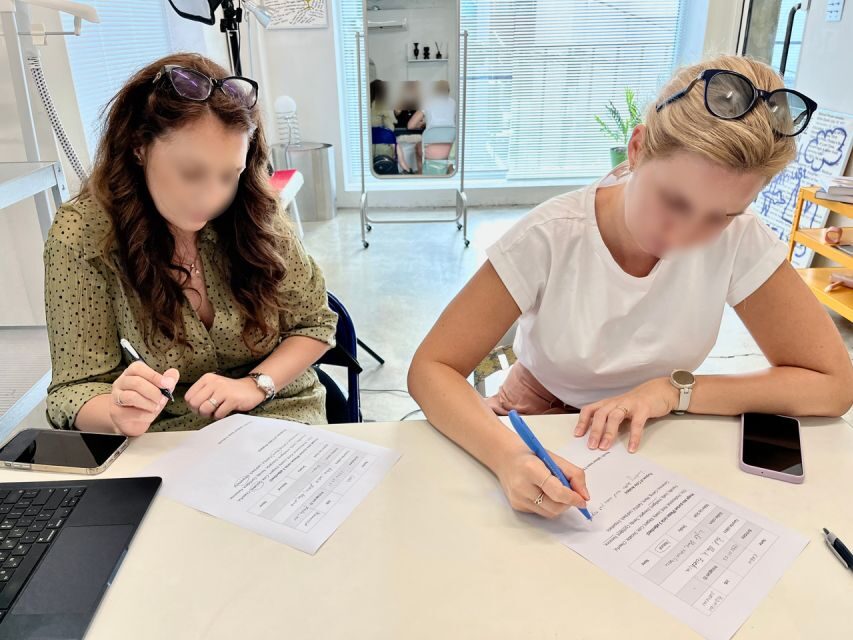
Your 90 minutes aren’t only about hands. You’ll also get an experience of Korean tea culture through a tea tasting in a calm, beautiful traditional space.
This matters because Dasik is designed to be eaten with tea, not in a hurry between walking tours. Tea changes the whole experience: it clears your palate, softens sweetness, and makes the nut-and-grain base feel more natural.
Several participants also mention extra tea and dessert offered by the hosts. That’s a nice bonus if you get curious, want another sip to compare flavors, or just happen to be chatting with the group. On especially cold days, one experience notes they were even given hand warm packs when leaving—small, thoughtful touches that make the class feel cared for.
How the workshop flows during the 90 minutes
The class runs for 90 minutes, which is long enough to learn and make something real, but short enough that you won’t feel like you gave up your whole day.
Even with no written itinerary on hand, you can expect the structure to follow a simple logic:
1) You get oriented and start with tea.
2) You learn what Dasik is and how the patterns and ingredients fit the tradition.
3) You make your own pieces, with English guidance throughout.
4) You finish with tasting and cleanup, then take your work home safely.
The English instruction is a key point. The instructor teaches in English, and there’s also AI-powered translation support mentioned for other languages, so you’re not limited if your Korean is beginner-level.
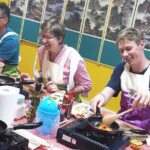
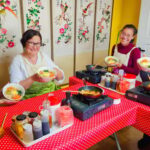
Also, the class can feel social in a good way. One past participant described meeting like-minded people from all over the world. In other words, it’s not just you and a table of tools—it’s a shared cultural moment, where conversation and questions are welcome.
You can also read our reviews of more tours and experiences in Seoul



Taking home your handmade sweets in a premium box
You don’t just leave with a snack in a paper bag. The workshop includes a premium box for your handmade Dasik.
That’s a big deal for two reasons:
- It protects your work. Patterned sweets look best when kept intact.
- It turns your dessert into a gift. The box is designed so you can share it later, not right away only.
If you like souvenirs that are edible and meaningful, this setup is ideal. It’s also convenient if you want something to bring back without hunting for ingredients or packaging on your own.
One useful mindset: treat the box like part of the experience. Your finished pieces are the result of the class, so keep them safe and enjoy them at a calm moment later—often the tea-and-sweet rhythm is part of why Dasik tastes so good.
Price and value: what $58 buys you in Seoul
Let’s talk money honestly. $58 per person is not a “grab it and go” price. For the cost, you’re paying for:
- a hands-on Dasik-making session
- tea culture experience (not just a sip)
- a premium take-home box for your finished desserts
- English instruction and guided learning
So is it value? In my view, it’s worth it when you want an activity, not just a purchase. Food classes tend to feel expensive if you’d rather eat your way through Seoul. But if you like doing something with your hands and learning what you’re making, the value lines up well for a 90-minute experience.
It’s also a good value for its format. You get a “make + learn + taste + take home” package in a short window. That’s hard to beat if your schedule is tight and you want something more personal than a generic dessert stop.
Who should book this workshop (and who might skip it)
This class fits best if you:
- want a hands-on food activity that produces a giftable result
- enjoy tea culture and want context, not just sweetness
- like learning food meaning—why patterns, ingredients, and traditions matter
- want a structured plan that works in cold or wet weather
It may feel like the wrong fit if:
- you’re traveling with kids under 6, since the activity isn’t suitable for them
- you’d rather spend money on meals than on a short guided workshop
- you want a fully immersive Korean-only language challenge (the class is English-led, which is usually a plus, but it won’t satisfy language-immersion goals)
Also, if you want downtime built into your Seoul trip, this offers that. One past participant described the experience as almost meditative, and I get what they mean: tea plus careful making creates a natural pause in the busy city pace.
Should you book the Dasik workshop in Seoul?
If you’re deciding between another dessert stop and an activity, I’d lean toward booking this one. You get a real skill (making Dasik), cultural meaning (pattern symbolism and the Joseon connection), and a take-home result in a premium box. It’s a small investment of time with a satisfying payoff you can actually share.
Book it if you like calm, hands-on experiences and you want to bring home something that feels earned. Skip it only if $58 feels too steep for a 90-minute class or if you’d rather keep your budget for food you can eat all day.
FAQ
Where is the meeting point?
The meeting point is 1 Floor, K-Vibe Studio.
How long is the workshop?
It lasts 90 minutes.
Is the workshop taught in English?
Yes. The instructor teaches in English, and there’s AI-powered translation support available for other languages.
What will I make?
You will make Dasik, a traditional Korean tea dessert made from natural grains and nuts.
What ingredients are used?
The class uses traditional ingredients such as omija and injeolmi, and also includes modern flavors like chocolate and pistachio.
Is it suitable for young children?
No. It is not suitable for children under 6 years.
How much does it cost, and is there free cancellation?
The price is $58 per person. You can cancel up to 24 hours in advance for a full refund.