REVIEW · SEOUL
Seoul History Tour: Dark Past & Market Street Flavors
Book on GetYourGuide →Operated by TRIPPER · Bookable on GetYourGuide
Seoul has a darker side—and great noodles. I like how this tour connects Seodaemun Prison to modern Korea, not just dates and facts. I also love the mix of Deoksugung Palace with market meals, so the story keeps moving. The only real catch is that Seodaemun can feel emotionally heavy, and you’ll be doing a moderate amount of walking.
You’ll get history with context, then you’ll get fed. After sites tied to Korea’s fight for independence, you end up at Namdaemun Market for comforting local favorites like hotteok and knife-cut noodle bowls. Guides such as Janice and Ron are especially good at turning big themes into clear, human stories you can actually follow.
One more consideration: this experience isn’t for everyone. It isn’t suitable for wheelchair users, and it’s not geared to people with altitude sickness. Also, it runs in rain or snow, so plan for weather and wear comfortable shoes.
In This Review
- Key highlights you’ll feel fast
- Seoul from Independence Gate: how the tour sets the mood
- Inside Seodaemun Prison History Hall: resistance in stone
- Dilkusha and Albert Taylor: Korea’s cause went global
- Deoksugung Palace: Korean royal ground with Western hints
- Seoul City Hall and Sungnyemun Gate: the city’s southern heartbeat
- Namdaemun Market: Kalguksu Alley and comfort food after hard stories
- Price and food value for $65, with entrances and transport covered
- Who this Seoul dark past and market-food tour fits best
- Should you book this Seoul dark past and market street-food tour?
- FAQ
- What is the tour price?
- Where does the tour start?
- Where does the tour end?
- What language is the tour offered in?
- What stops are included in the itinerary?
- What food will I get during the tour?
- Is transportation included?
- What should I bring?
- Will the tour run in bad weather?
- Is this tour suitable for wheelchair users?
Key highlights you’ll feel fast
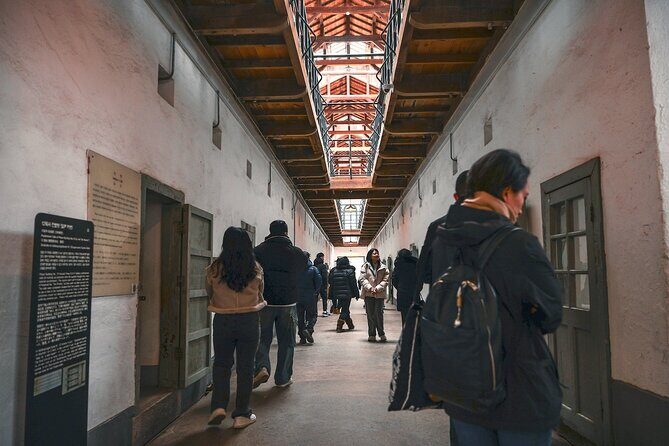
- Seodaemun Prison History Hall: somber cells and execution grounds tied to independence activists under Japanese colonial rule
- Dilkusha and Albert Taylor: an American journalist’s home and his role in spreading Korea’s cause
- Deoksugung Palace’s Korean-Western mix: Emperor Gojong’s era, set against a modern skyline
- Sungnyemun (Namdaemun) Gate: a 600-year-old national treasure at Seoul’s southern entrance
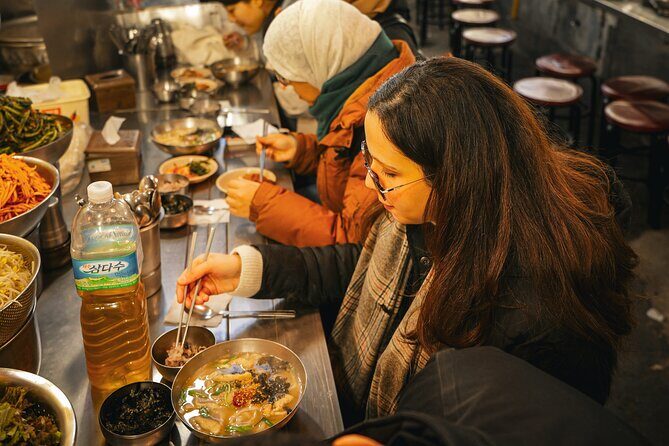
- Namdaemun Market’s Kalguksu Alley: steaming knife-cut noodles eaten in tight, local stalls
- Street-food tastings included: you’ll snack in the market instead of just looking
Seoul from Independence Gate: how the tour sets the mood
The day starts at Dongnimmun (Independence Gate) Station, Exit 5, and you’ll spot your guide holding a Tripper sign. Starting there matters. It’s a reminder that independence is not just a page in a textbook in Korea—it’s built into the city’s wayfinding and public memory.
This is a small-group format, which helps a lot on a tour like this. When you’re switching between prison walls, royal halls, and food alleys, you want a guide who can keep the story straight without rushing you. And the pacing here is designed that way: you move from heavy history to everyday life in a natural order.
If you like asking questions, you’re in luck. The guides on this route (including people like Janice and Ron) tend to keep the conversation open, whether you’re curious about what colonial rule meant or why a noodle bowl is comfort food in any country.
You can also read our reviews of more historical tours in Seoul
Inside Seodaemun Prison History Hall: resistance in stone
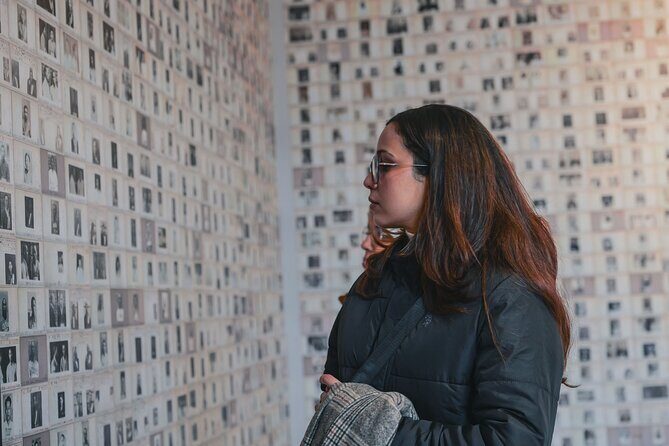
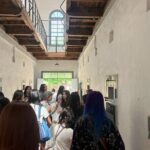
Seodaemun Prison is the emotional anchor of the whole experience. You walk through somber cells and execution grounds where Korean independence activists were imprisoned during the Japanese colonial era. This isn’t a “quick photo stop.” Expect to slow down and take in how place can explain power and fear better than a lecture.
What I value most in this stop is the way the guide ties personal stories to larger political realities. You hear real-life accounts of resistance fighters and you’ll see exhibits that show how Korea’s road to independence took shape under colonial pressure. Even if you only remember a few names afterward, you’ll come away with a clearer sense of what everyday life meant under that system.
There’s also a practical side: this is your moment to mentally prepare for the rest of the day. Once you understand the stakes here, Dilkusha and Deoksugung Palace don’t feel like separate “tourist sights.” They start feeling like chapters in one long story.
One caution: if you don’t handle heavy history well, Seodaemun can land hard. The upside is that the tour doesn’t leave you stuck there. It moves you onward, and that contrast is the point.
Dilkusha and Albert Taylor: Korea’s cause went global
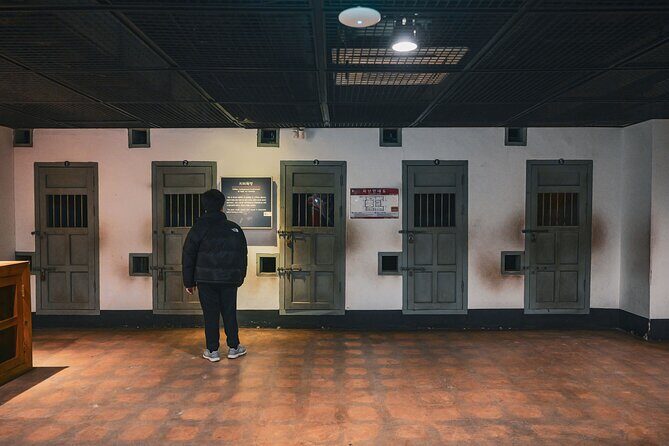
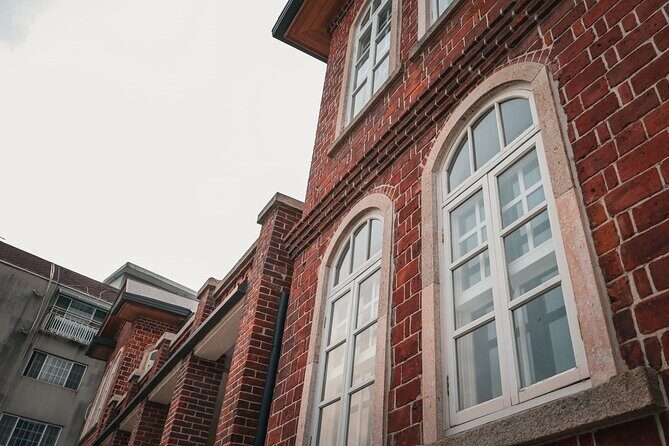
After Seodaemun, you shift from imprisonment to influence, and that change is refreshing. Dilkusha is the home of Albert Taylor, an American journalist who supported Korea’s independence movement. This stop matters because it broadens the story beyond Korea’s borders.
You’ll learn how international support played a role and why Taylor’s home became more than just a residence. Even if you’re not a journalism-history person, the idea is easy to grasp: movements need attention, allies, and communication. Taylor’s support helped spread Korea’s cause to the wider world.
I like this part because it avoids a one-note narrative. Korean resistance is front and center, but you also get a sense of how global awareness can affect local struggles. It’s a “how change spreads” lesson, wrapped in a specific, real place.
Deoksugung Palace: Korean royal ground with Western hints
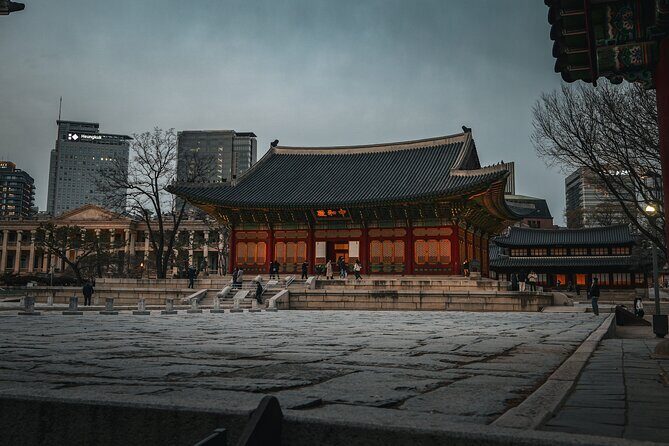
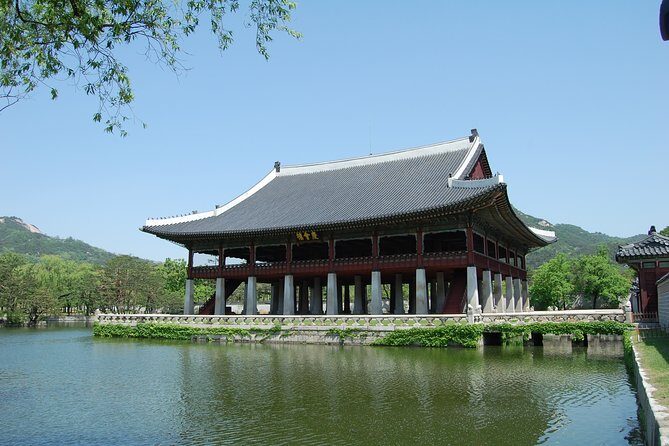
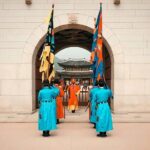
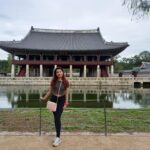
From Dilkusha, you’ll head to Deoksugung Palace, where the visual story gets more complex in a good way. This palace is known for a blend of Korean and Western architecture in the same royal setting. That isn’t just an aesthetic detail. It’s a snapshot of a country moving between old systems and new pressures.
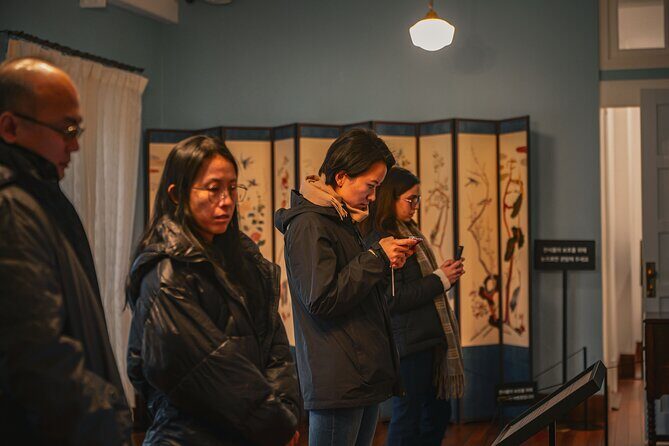
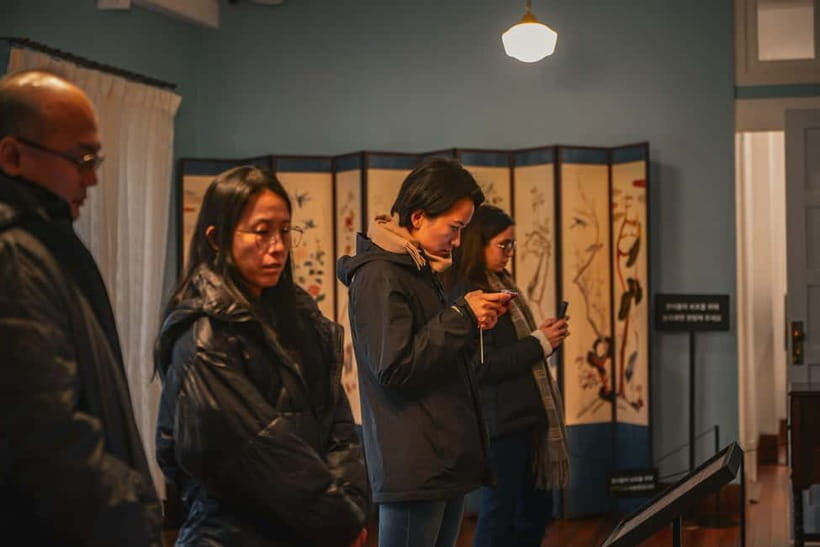
The big focus here is Emperor Gojong, the last emperor of Korea. You’ll walk through areas connected to the period when he sought refuge and worked through Korea’s modernization. In other words, this is where you see political transition reflected in buildings and space.
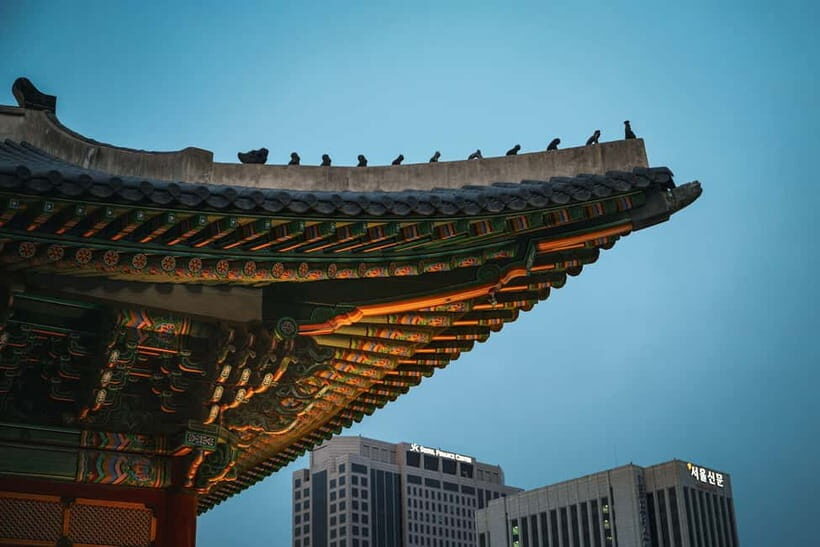
Then there’s the contrast you can’t miss. Deoksugung Palace sits with the modern skyline around it, including a clear visual connection to Seoul City Hall. That background keeps the story anchored in the present: Korea didn’t simply change once. It kept changing, sometimes quickly, sometimes painfully.
If you’re the type who likes architecture, you’ll enjoy how this palace lets you compare styles without needing a lecture. If you’re not, the guide will still translate what you’re seeing into the history of the time.
Seoul City Hall and Sungnyemun Gate: the city’s southern heartbeat
Next up are the stopovers near Seoul City Hall and Sungnyemun (Namdaemun) Gate. This is the “place where history still runs the city” part of the day.
Seoul City Hall gives you a quick lens on transformation—from the grip of colonial past into today’s democracy. It’s not the kind of site that demands long reading, but it helps you connect the earlier themes to what Korea built afterward.
Then you get Sungnyemun, the national treasure gate that has served as a southern entrance since the Joseon Dynasty. The fact that it’s around 600 years old isn’t just a number. It’s a reminder that Seoul’s identity didn’t start with modern skyscrapers. Gateways, routes, and symbols have always mattered.
I like having this stop after the palaces and before you hit the market. It gives your brain a reset without letting the story go cold. You’re still on the same historical track—you’re just swapping royal focus for city geography.
You can also read our reviews of more shopping tours in Seoul
Namdaemun Market: Kalguksu Alley and comfort food after hard stories
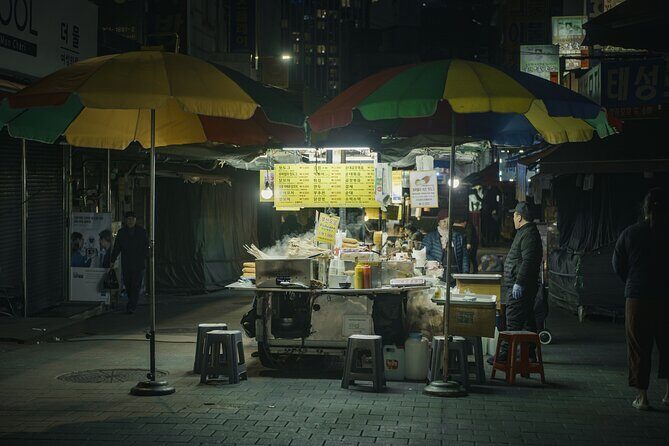
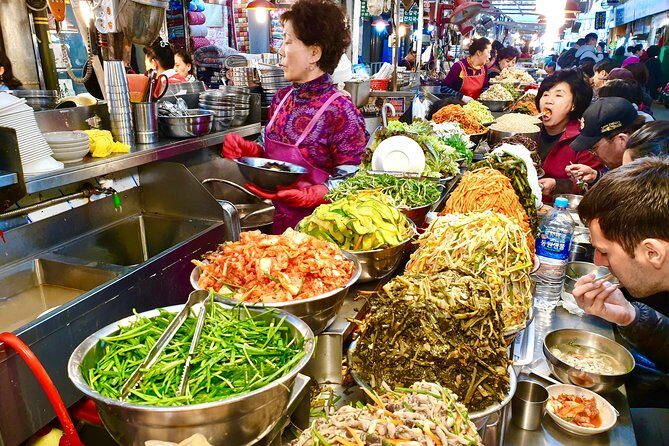
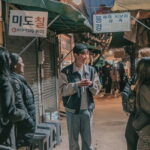
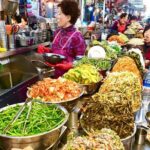
Namdaemun Market is where the day turns from survival to taste. This is Seoul’s largest and oldest traditional market, with vendors selling goods for over 600 years. You can feel the age in the rhythm of the stalls, even if you’re just walking through for the first time.
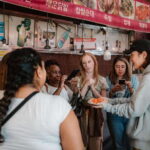
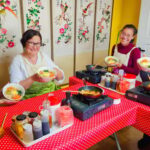
Your guide brings you into the market’s everyday rhythm through specific food areas. One highlight is Kalguksu Alley, where locals gather at small, busy stalls for handmade knife-cut noodles in steaming bowls. The noodles are cut by hand, which affects texture and bite. And in plain terms: when you’ve been through Seodaemun, a hot bowl feels like a life decision.
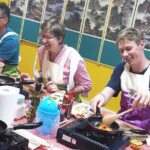
You’ll also taste street foods like hotteok, a comforting, sweet-and-savory treat that works well as a snack while you keep moving. The tour includes food tastings at Namdaemun Market, so you’re not stuck deciding on everything yourself before you’re ready.
What makes this market stop valuable is that it’s not a random food crawl. You’ll connect the morning’s themes with the way people actually live now. After walls and architecture, you end up in the place where daily life keeps going. That’s the emotional math of the tour: hard history, then warmth.
Practical tip: go slow through the food areas. The market is a sensory place—smells, noise, steam. If you rush, you miss the best parts of the experience: how the food looks in the moment and how easy it is to talk to vendors and your guide.
Price and food value for $65, with entrances and transport covered
At $65 per person, this isn’t a “cheap snack tour,” and it’s also not priced like a private museum driver. The value comes from what’s included:
- An English-speaking professional guide
- All entrance fees
- Transportation cost
- Food tastings at Namdaemun Market
So you’re paying for both sides of the equation: structured history access and a guided food experience. Many tours force you to pay for admissions on top, or they include only one or two tastings. Here, you get multiple major stops across the day, and then you eat on the backend while you’re already in the right neighborhood.
What’s not included is extra fees. In practice, that means you should budget a bit for anything you choose to buy beyond the tastings, especially if you find a stall you love. But the core experience is already covered: you’re not guessing whether your tickets and entrances will multiply later.
If your Seoul plan includes palaces and markets anyway, this is often the easiest way to connect them with meaningful context. You’ll spend your time more efficiently because your guide does the linking for you.
Who this Seoul dark past and market-food tour fits best
This is a great match if you want a Seoul that has layers. If you’re the kind of person who reads a plaque and then asks why it was placed there, you’ll enjoy the storyline from resistance to modernization to everyday life.
You’ll also appreciate it if you like variety in one day. The tour moves from prison history to an American journalist’s home to palace architecture to city landmarks, then finishes with market comfort food. That rhythm keeps it from feeling repetitive.
Where it may not fit:
- If you need a completely light, feel-good day, Seodaemun Prison may be too intense.
- If you have mobility constraints, note that it’s not suitable for wheelchair users and includes moderate walking.
- If you’re dealing with altitude sickness, this tour isn’t suitable for you.
Weather is another factor. The tour operates as scheduled in rain or snow, and your route may shift depending on on-site conditions. That’s usually fine, but it’s a reminder to dress for the day, not the brochure.
Should you book this Seoul dark past and market street-food tour?
I’d book this if you want history that actually changes how you see Seoul, not just a list of stops. The strongest reason is the pairing: Seodaemun Prison’s resistance story followed by a market where locals eat warm noodles and street snacks. That contrast is memorable and, honestly, satisfying.
Choose it if you’re comfortable with moderate walking and you’re okay with emotional themes. Skip it if you want an easygoing day with minimal heavy content, or if you need wheelchair access or altitude-sickness accommodations.
If you do book, wear comfortable shoes and go in hungry. By the time you reach Namdaemun Market, you’ll be ready for a bowl that tastes like relief.
FAQ
What is the tour price?
The price is $65 per person.
Where does the tour start?
It starts at Dongnimmun (Independence Gate) Station, Exit 5. You should look for the guide holding a Tripper sign.
Where does the tour end?
It ends back at the meeting point.
What language is the tour offered in?
The tour is offered in English.
What stops are included in the itinerary?
Key stops include Seodaemun Prison History Hall, Dilkusha, Deoksugung Palace, Seoul City Hall & Sungnyemun Gate (Namdaemun), and Namdaemun Market.
What food will I get during the tour?
Food tastings at Namdaemun Market are included, including items like hotteok and noodles at Kalguksu Alley.
Is transportation included?
Yes. Transportation cost is included.
What should I bring?
You should bring comfortable shoes.
Will the tour run in bad weather?
The tour operates as scheduled in rain or snow. Only if weather makes it completely impossible will you be contacted separately.
Is this tour suitable for wheelchair users?
No, it is not suitable for wheelchair users.