REVIEW · SEOUL
Seoul: Experience Korean Cooking in Modern Hanok Kitchen
Book on GetYourGuide →Operated by O'ngo Food Communications · Bookable on GetYourGuide
Korean cooking gets real fast in a Hanok kitchen. This class pairs hands-on cooking with a calm, step-by-step chef-led flow, all set in a recently renovated studio in Bukchon.
I especially like that you make two dishes yourself, not just watch. And I like the way the class connects flavors to everyday Korean home-meal habits, not just recipes on paper.
One thing to consider: if you’re sensitive to spice, confirm how the second dish is handled. Jeyuk-bokkeum is famously spicy, but the class can customize for diet needs—so speak up early.
In This Review
- Key things I’d watch for before you book
- Why this modern Hanok kitchen class feels different from a generic cooking tour
- Getting to O’ngo Food Communications in Bukchon without stressing
- The class flow: chef demo, then you cook your own two-dish meal
- Bibimbap: the dish that teaches Korean home-meal logic
- Your second dish: Jeyuk-bokkeum, Japchae, or Bulgogi
- Jeyuk-bokkeum (spicy pork barbecue with gochujang)
- Japchae (glass noodles and vegetables, non-spicy by default)
- Bulgogi (soy-sesame-garlic marinated beef)
- How diet customization actually works in practice
- What it’s like tasting your own Korean food at the end
- Price and value: is $84 for 2 hours actually fair?
- Who this cooking class is perfect for (and who should think twice)
- Practical tips to get the best results on the day
- Should you book this modern Hanok Korean cooking class?
- FAQ
- How long is the cooking class?
- How much does it cost?
- Where do I meet the group?
- Is the class taught in English?
- What dishes will I cook?
- Can the class adapt for dietary restrictions?
- Will I cook my own food or just watch?
- Is there an option for private or customized classes?
- What happens if I’m late?
Key things I’d watch for before you book
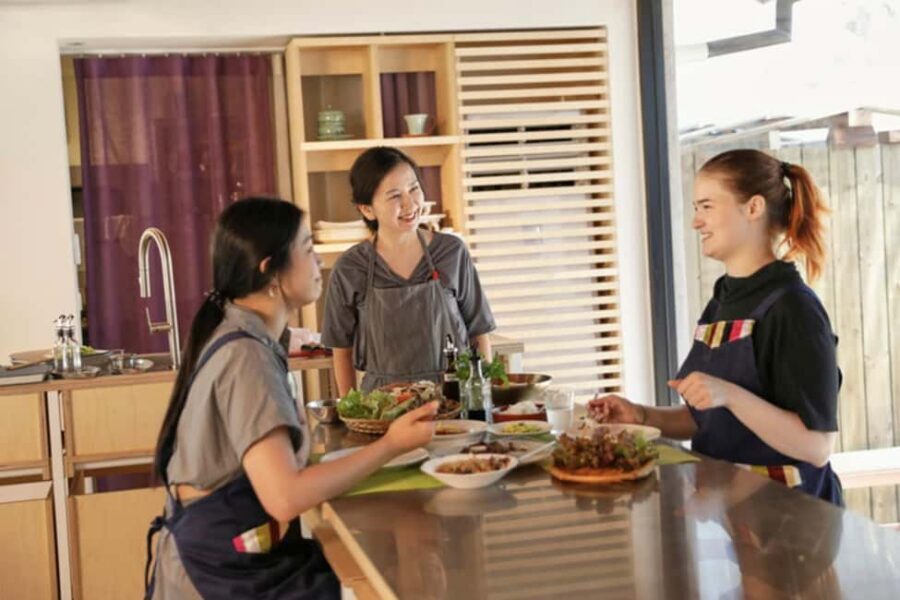
- Modern Hanok setting in Bukchon: a renovated Hanok studio makes the experience feel authentic without being inconvenient
- You cook at your own station: individually prepared dishes keep the class feeling personal
- Ingredient prep demo first: you learn how to get organized before the heat starts
- Bibimbap is the anchor dish: build a rice bowl with seasonal veg and a sunny-side-up fried egg
- Choose your flavor option for dish #2: Jeyuk-bokkeum, Japchae, or Bulgogi style cooking
- Diet-friendly customization: let them know restrictions and you’ll still get a satisfying plate
Why this modern Hanok kitchen class feels different from a generic cooking tour

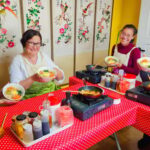
Seoul has a lot of food tours. This one is different because the focus is on technique and building a meal you could repeat at home. The setting matters too: you cook in a recently renovated modern Hanok studio in the Bukchon area, which feels more like a real home-kitchen upgrade than a staged restaurant lesson.
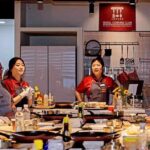
The class is led by a professional chef, and the rhythm is practical. The chef shows you what you’ll do, you cook your own dishes with your own ingredients, and you get time to taste what you made. That mix is the real value. You leave with muscle memory, not just photos.
And because it’s a small, kitchen-style setup, you’re not stuck listening from across a room. The attention level is usually high, especially when the group is smaller. In one version of this class, the chef Jia was praised for calm, patient explanations and for adding cultural context while teaching—exactly the kind of approach that helps you understand why things are done a certain way.
You can also read our reviews of more cooking classes in Seoul
Getting to O’ngo Food Communications in Bukchon without stressing
Your meeting point is O’ngo Food Communications at 137-11 Bukchon-ro, Jongno-gu, Seoul. The class is in Bukchon, so plan for normal city walking time and a little neighborhood wandering. If you’re late, you’re responsible for missing participation in the program—so build in extra time.
I like that the experience is only 2 hours. It’s long enough to learn two dishes, but short enough that it doesn’t mess up your day. If you’re already doing palace or neighborhood sightseeing, this kind of lesson works well as a midday reset. You’ll come out with a full meal and less decision fatigue later because you already know what you cooked.
The class flow: chef demo, then you cook your own two-dish meal
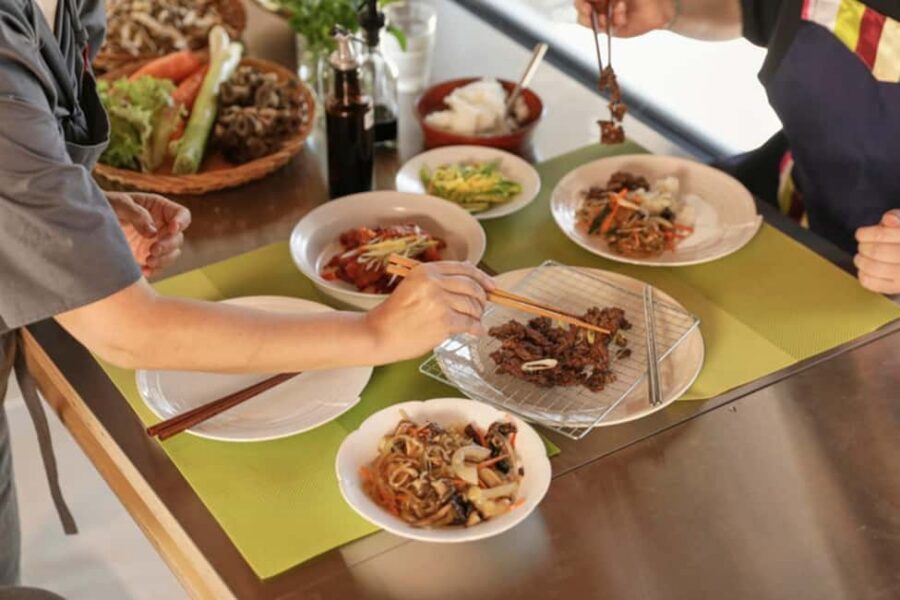
Here’s how the experience generally runs, based on the structure of the class and the way it’s described: you start with a chef-led explanation and prep demonstration, then you cook at your own station.
The ingredient-prep demo is a big deal. When the chef walks you through steps before you start—how to portion, mix, and organize—you waste less time mid-cook. That keeps the class low-stress, even if you’ve never cooked Korean food before.
After you cook, you eat what you made. You’re not just tasting at the end like a side activity. You create and taste your own two Korean dishes, which is the only way to really know whether the flavor balance worked for you.
Bibimbap: the dish that teaches Korean home-meal logic
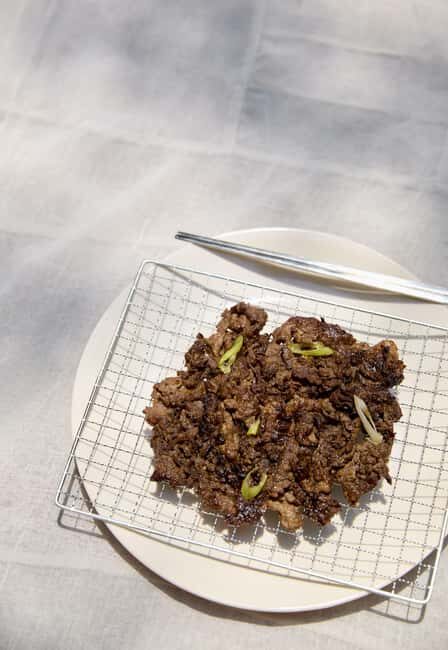
Bibimbap is one of the best choices for a first Korean cooking lesson because it teaches the underlying idea: assemble components, then bring them together with sauce and heat.
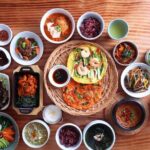
You’ll master the art of bibimbap, built around a rice bowl topped with:
- seasonal vegetables that are cooked
- a sunny-side-up fried egg
- the textures and flavors that make the bowl feel complete
What you learn here isn’t just how to make one dish. It’s how Korean meals often work: multiple components that feel separate on the plate, but come together in the bowl. When you cook, you’re practicing timing and seasoning rather than relying on one sauce to do all the work.
A practical tip: while you cook, treat your bowl like a system. Keep vegetables organized and avoid overcooking anything while you’re multitasking. Bibimbap can get chaotic if everything goes into the pan at once, so follow the chef’s sequence closely.
Also, don’t rush the egg. A sunny-side-up egg is part of the signature experience, and it’s one of the things that makes your bowl look right when you finally taste it. When that egg runs a bit, it changes the whole bite.
Your second dish: Jeyuk-bokkeum, Japchae, or Bulgogi
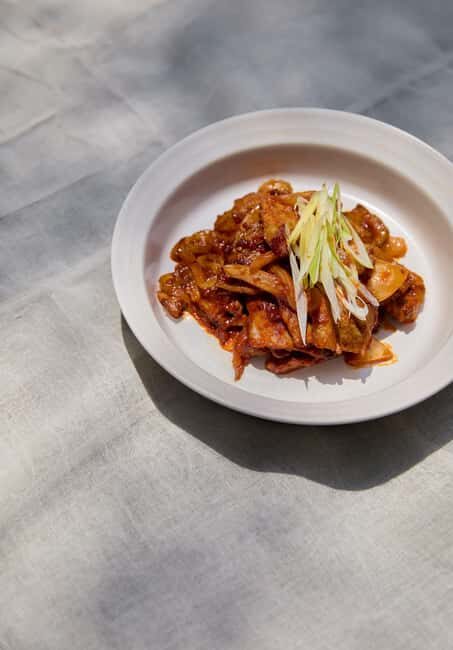
The class doesn’t stop at bibimbap. You also make a second Korean dish, and the menu choice is built around popular Korean comfort foods. Based on what’s offered, your options include Jeyuk-bokkeum, Japchae, and Bulgogi—each teaching a different flavor profile and cooking style.





Jeyuk-bokkeum (spicy pork barbecue with gochujang)
Jeyuk-bokkeum is a marinated pork barbecue seasoned with a special gochujang sauce. This is the one to think about if you like bold heat and sweet-savory sauce depth.
If you’re worried about spice, tell the chef or guide ahead of time. The class is described as customizable for all diet options, so you can at least get guidance on how spice intensity is handled. But don’t assume. Jeyuk-bokkeum is often requested because it tastes powerful and addictive, so being proactive is smart.
Japchae (glass noodles and vegetables, non-spicy by default)
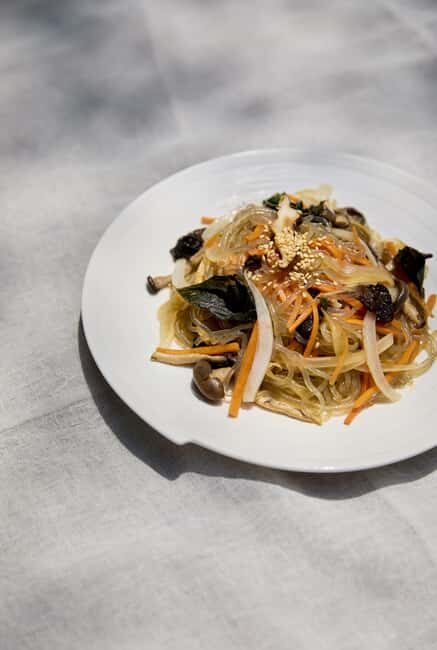
Japchae is a favorite in Korea and a great contrast to spicy dishes. You cook a variety of vegetables and mix them with glass noodles to create what’s described as a delightful salad style dish. It’s specifically presented as a non-spicy option.
This dish teaches you a different skill: managing noodles and vegetables so everything feels coated and not clumpy. It’s also a helpful second dish if you want something that tastes balanced and works well with bibimbap without doubling the heat.
Bulgogi (soy-sesame-garlic marinated beef)
Bulgogi is Korea’s national dish in the way this class frames it: thinly sliced prime beef marinated in soy sauce, sesame, and garlic. It’s the kind of dish where the marinade drives most of the flavor.
In the class structure, bulgogi is often a hit because it’s straightforward and low-stress when the chef demonstrates prep first. Reviews of this experience highlight that the ingredient prep and cooking steps are shown clearly before you start. That’s exactly what you want for bulgogi: the slice + marinade process is simple, but it’s easy to overthink when you’re standing at the station.
How diet customization actually works in practice
The class is built for dietary needs. The key instruction is to let them know your dietary restrictions or allergies before you arrive. The way it’s presented, you’ll still create and taste two dishes customized for all diet options.
One of the most reassuring details is the reported flexibility when someone forgets to mention they don’t eat meat ahead of time. In at least one instance, the chef stepped in quickly with tofu as an alternative in about 10 minutes, and it worked well. I take that as a sign the kitchen is used to adjustments, not just a rigid script.
Still, don’t rely on last-minute fixes. You’ll get better results if you share your needs early. If you’re vegetarian, ask how they handle replacements for pork or beef flavor bases. If you’re gluten-free, be clear about what sauces and marinades include, since the class focuses on Korean sauces that may contain common allergens.
Bottom line: you’re not attending a class where you watch everyone eat. You’re cooking and tasting food that fits your rules.
What it’s like tasting your own Korean food at the end
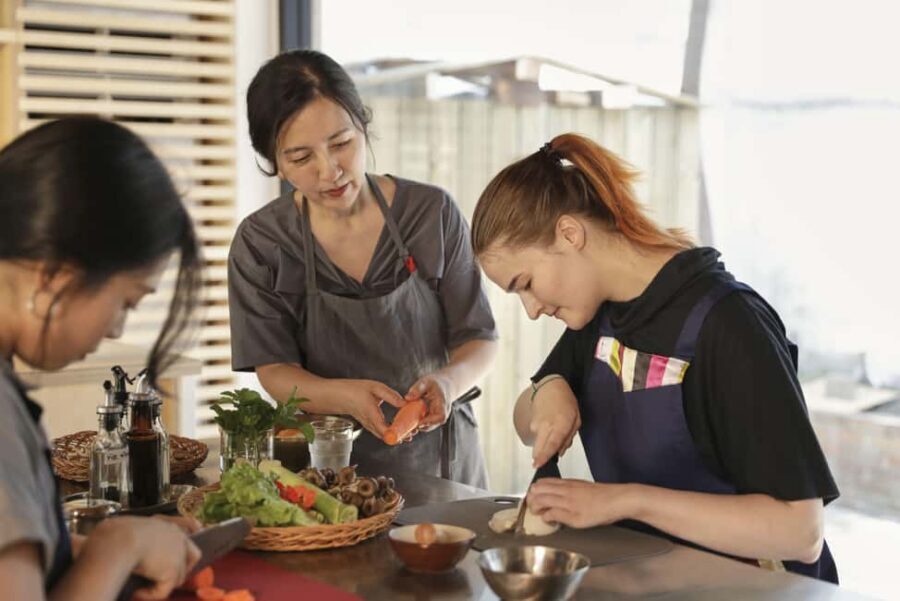
Tasting your own two dishes is where the lesson locks in. Bibimbap especially benefits from this. When you build the bowl yourself—rice base, cooked vegetables, egg—you understand how each component contributes.
And the second dish matters for your confidence at home. If you cook something like Japchae, you’ll learn how to make noodles and vegetable seasoning feel cohesive. If you cook Bulgogi, you’ll get a feel for how soy-sesame-garlic marinades taste when they actually hit the pan.
I also like that the class is set up for you to learn techniques you can repeat. Some kitchens teach you a dish; this one teaches you a process, which is why you’ll likely want to recreate it when you’re back in your regular kitchen.
Price and value: is $84 for 2 hours actually fair?
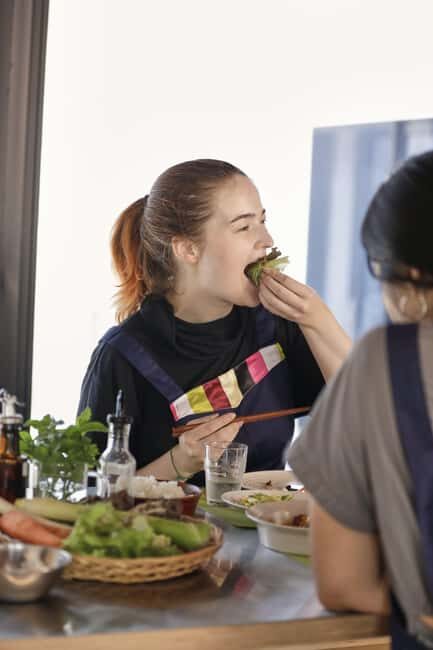
At $84 per person for a 2-hour class, you’re paying for three things at once: chef instruction, real ingredient prep, and the fact that you cook at your own station. Many food experiences in Seoul either cost more and give you less hands-on time, or they stay casual and leave you with vague steps.
Here, the value is pretty direct:
- You learn two specific dishes: Bibimbap plus a second Korean staple
- You cook individually, with your own ingredients, not just one shared pot
- You’re tasting what you made immediately, so you know what to adjust next time
- The class can be customized for diet options, which is often where value disappears in other experiences
If you’re a confident cook, you might only use this as inspiration. But if you’re a beginner or even a “cook a little” person, this kind of guided, structured session is worth it. You’re buying clarity and repeatable technique.
Who this cooking class is perfect for (and who should think twice)
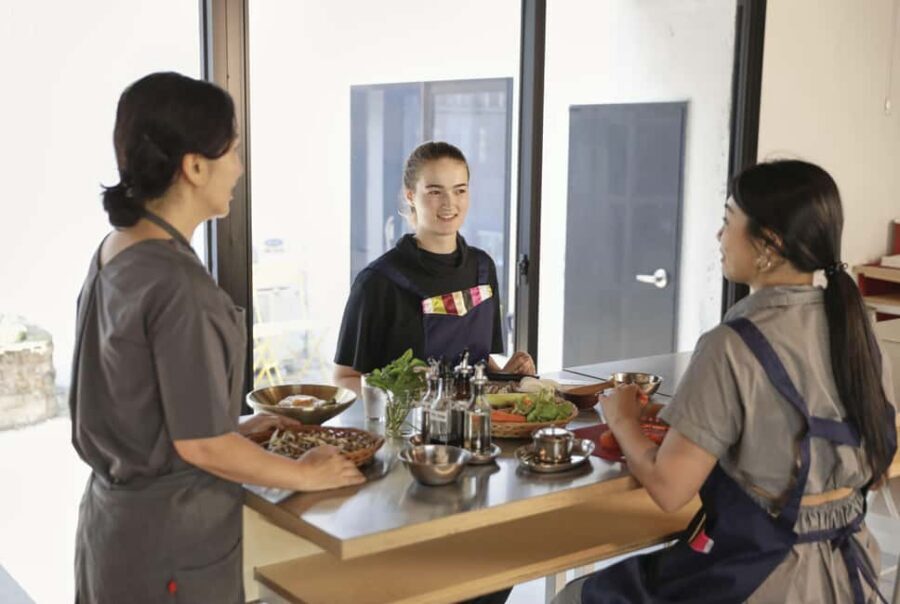
This class is ideal if you want:
- a hands-on Seoul experience that’s not just walking and sampling
- a structured way to learn Korean home cooking
- a dish anchor in bibimbap plus a second option like Bulgogi, Japchae, or Jeyuk-bokkeum
- dietary flexibility with advance notice
It might be less ideal if:
- you want a long, sightseeing-style experience with big landmarks as the main event
- you dislike cooking in close quarters for any reason
- you want a fully fixed menu with no variation at all (the class structure supports options, so the exact second dish can vary)
Practical tips to get the best results on the day
A few things will make your time smoother:
- Let them know dietary restrictions or allergies before you go, so your dishes match your needs from the start.
- Watch the chef demo carefully before you start your own cooking. The class flow is designed around that lead-in.
- If you’re sensitive to spice, flag it early. Jeyuk-bokkeum is designed around gochujang flavor and can lean hot.
- Wear comfortable clothes you don’t mind getting a little kitchen-scented. Cooking studios can get warm, and you’ll be standing and moving while you cook.
Also, take a moment to think about what you want from the lesson. If your goal is repeatability, focus on getting the order of steps right for bibimbap and your second dish. That’s what turns the experience into a skill.
Should you book this modern Hanok Korean cooking class?
If you want a real cooking lesson in Seoul—one where you cook and taste two dishes and where the chef uses a clear process—this is a strong pick. The modern Hanok studio in Bukchon gives it an authentic feel, and the class includes enough structure to make beginners comfortable.
I’d book it if you’re excited by bibimbap and you want a second dish from the Korean classics list: Bulgogi, Japchae, or Jeyuk-bokkeum. And I’d book it especially if you have dietary needs, because the class is designed to customize and keep you included at the table.
FAQ
How long is the cooking class?
The class runs for 2 hours.
How much does it cost?
It costs $84 per person.
Where do I meet the group?
You meet at O’ngo Food Communications, 137-11 Bukchon-ro, Jongno-gu Seoul.
Is the class taught in English?
Yes, it includes an English live tour guide.
What dishes will I cook?
You’ll learn to make bibimbap and create a second Korean dish. Options described include Jeyuk-bokkeum, Japchae, or Bulgogi.
Can the class adapt for dietary restrictions?
Yes. You should tell the organizers about any dietary restrictions or allergies, and the class is described as customized for all diet options.
Will I cook my own food or just watch?
You cook your own dishes at the cooking studio, and each participant prepares their individually prepared dish.
Is there an option for private or customized classes?
Private and customized classes are available by request.
What happens if I’m late?
If you are late, you are responsible for missed participation in the program.