REVIEW · SEOUL
Seoul: Bukchon Hanok Village Walking Tour
Book on GetYourGuide →Operated by Korea Guide Tour · Bookable on GetYourGuide
Bukchon Hanok Village makes history feel close. This walking tour centers on Hanok (traditional Korean houses) and the stories that shaped everyday life there, with guide commentary that turns pretty streets into context. I love how the route mixes well-preserved houses with explanations you can actually picture.
What I like even more is the pacing: it’s not a frantic “see everything” sprint. You’ll hear history and culture in a way that feels calm—plus you get coffee or tea, which makes the whole afternoon feel less like an errand and more like a break.
One thing to weigh: availability can be unpredictable around weekends and holidays, and the operator may cancel if fewer than 4 people book. If your Seoul dates are fixed, plan a backup.
In This Review
- Key highlights worth your attention
- Walking Bukchon: why these streets feel different
- Hanok 101: what you’ll learn as you walk
- OraeGage: the old shop culture you might miss on your own
- What the house interiors add (and why it’s worth it)
- Court-era lifestyle: food, etiquette, and art as context
- The tea stop: coffee or tea in a traditional setting
- Price and value: is $54 per person fair?
- Logistics that actually matter: meeting point and timing
- Who should book this Bukchon Hanok tour?
- Should you book? My straight answer
- FAQ
- Where is the meeting point?
- What does the tour include?
- What language is the tour offered in?
- What should I wear or bring?
- Does it end near where it starts?
- Is a reservation always confirmed on weekends or holidays?
- What happens if too few people book?
- What is the cancellation policy?
Key highlights worth your attention
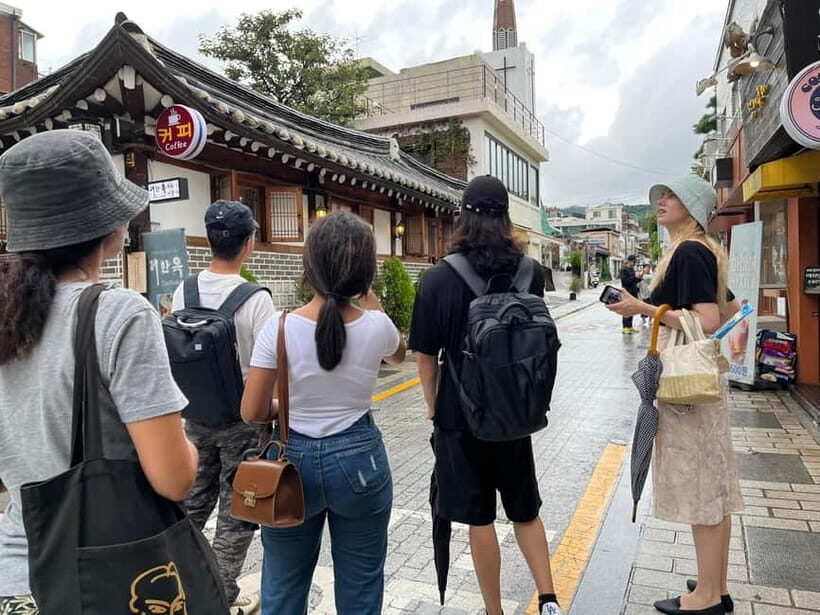
- Hanok from different eras: you’ll spot how these homes changed over time
- Well-preserved Bukchon streets: classic architecture stands next to modern Seoul
- OraeGage shop stories: learn how old shop culture is recognized and protected
- Interiors + street explanations: you’re not just looking from the outside
- Tea-house stop: coffee or tea is part of the experience
- Guide-led atmosphere: multiple visitors praised attentive, anecdote-heavy guiding
Walking Bukchon: why these streets feel different
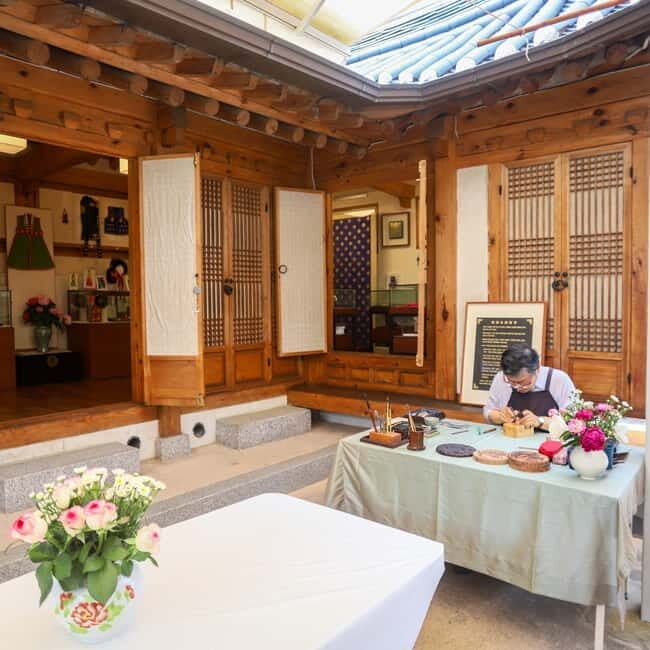
Bukchon Hanok Village sits north of the Cheonggyecheon Stream and in the Jongno area—an older part of Seoul with a 600-year urban history. The big idea here isn’t just that the houses look traditional. It’s that they survived, adapted, and stayed rooted in Korean life as the city modernized around them.
When you walk, you start to notice why Bukchon has such a strong draw. The area’s hanok are described as being well preserved and not distorted by outside influences. That matters, because it lets the architecture do its job: it shows you how space, materials, and design supported everyday routines long before today’s Seoul skyline took over.
The tour also frames the neighborhood as a “past-to-present” connection. You’re not studying buildings like museum pieces—you’re learning how the form relates to culture, etiquette, and the way people lived.
You can also read our reviews of more walking tours in Seoul


Hanok 101: what you’ll learn as you walk
A hanok is a traditional Korean architectural style that evolved across different eras, and the tour takes you through that story. You’ll learn that these houses have features that reflect the needs and values of the time—then you’ll see how they changed, not all at once, but in ways you can notice as you move around.
Here’s what I think this kind of explanation does well for you as a visitor: it turns “cool photos” into actual understanding. Instead of guessing why a roof angle looks the way it does or why a layout might feel different from what you know, you get a guided narrative that helps you read the building.
You can also expect to visit Hanok houses connected to different periods. The most practical payoff is that you’re given context for what you’re seeing—especially inside—so it’s easier to remember later (and harder to confuse Bukchon with other Korean neighborhoods).
OraeGage: the old shop culture you might miss on your own
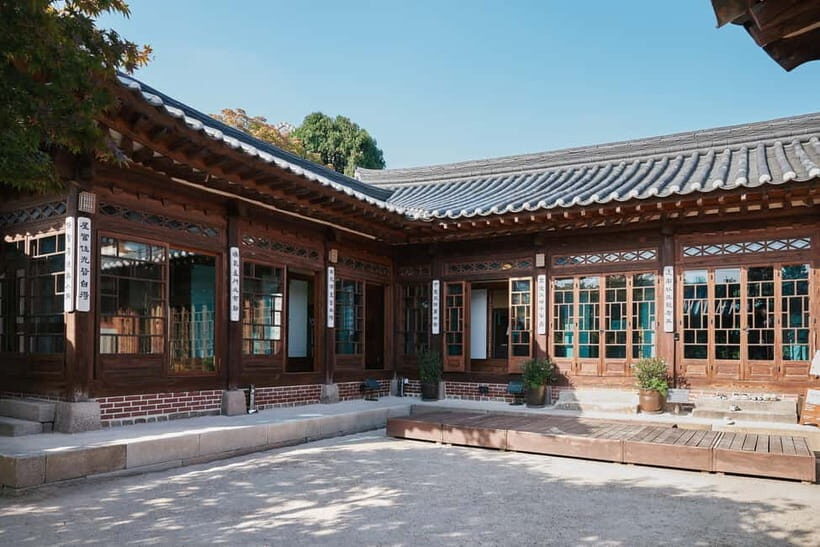
One of the most distinctive parts of this experience is its emphasis on OraeGage. In simple terms, OraeGage refers to older stores that have carried on Seoul’s traditions and values for a long time.
What makes this concept especially interesting is that Seoul has been identifying and designating OraeGage stores for years (from 2017, with five years of designation mentioned). The point isn’t just heritage branding. It’s meant to help visitors understand Seoul through places that have held steady—shops that keep local stories alive.
On this tour, OraeGage isn’t treated like a random stop. It’s a lens. You start seeing that “history” in Seoul isn’t only palaces and temples. It’s also everyday commerce, community memory, and the idea that some businesses are meant to last.
Even if you only know a little Korean culture going in, you’ll leave with a clearer mental map: Bukchon isn’t isolated, and these traditional houses weren’t cut off from the city’s daily rhythm.
What the house interiors add (and why it’s worth it)
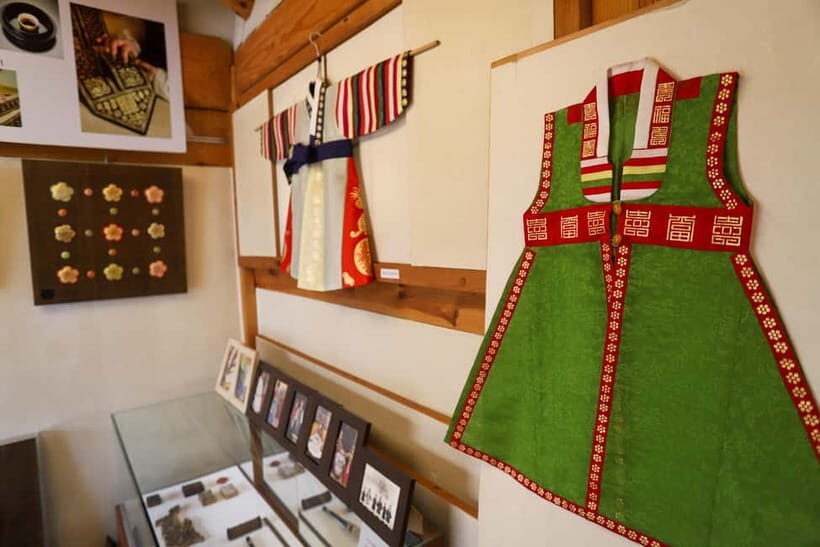
Street views are great for photos. Interiors are where the tour starts to click.
During the walk, you’ll see inside typical hanok houses and learn about features and how they transformed across periods. That matters because the layout and room logic are usually harder to decode from the outside. Interiors can show you how people moved through space, how daily routines might have shaped design, and how family life connected to the house.
Also, the guide portion is key here. In one set of experiences, a guide named Alan was specifically praised for explaining Bukchon Hanok Village with enthusiasm and courtesy, and for showing interiors of typical houses in a way that felt friendly rather than lecture-like. Another standout detail: the same guide was noted as a good photographer, which is handy if you want the photos to look like you know where you’re going.
I won’t promise that every guide will be exactly like Alan, but the general value of interior access and commentary is consistent: it’s the difference between seeing buildings and understanding them.
Court-era lifestyle: food, etiquette, and art as context

This tour doesn’t only talk architecture. It also connects hanok life to culture associated with Korean nobles (the idea is that you’ll learn about lifestyle themes like food and etiquette from that era).
The experience description points to traditional Korean cuisine and how people experienced it, along with etiquette and art. That’s useful for you because it adds meaning to what you see. Without that context, a courtyard or room arrangement can stay abstract. With it, you begin to connect design choices to social expectations and daily rhythms.
And since you’re walking through a living neighborhood setting—not just a fenced-off complex—these cultural explanations help you interpret the environment while you’re still there, not later when you’re already distracted by the next Seoul stop.




The tea stop: coffee or tea in a traditional setting
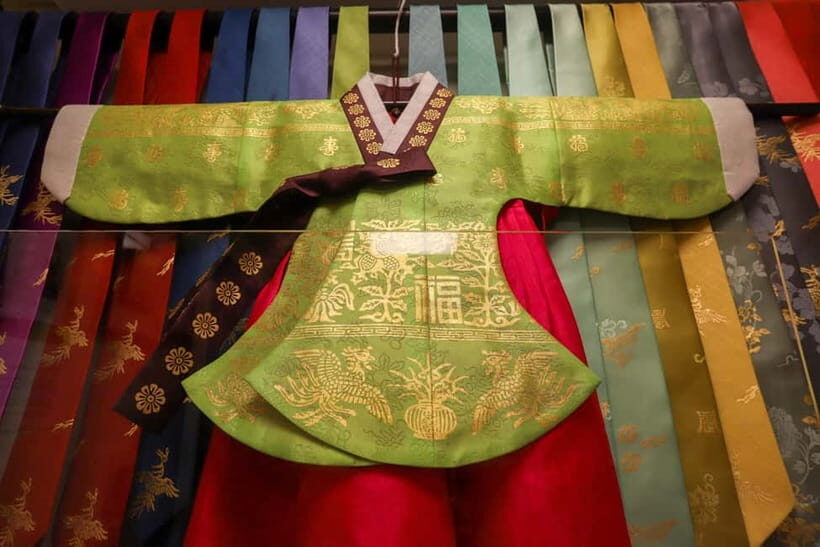
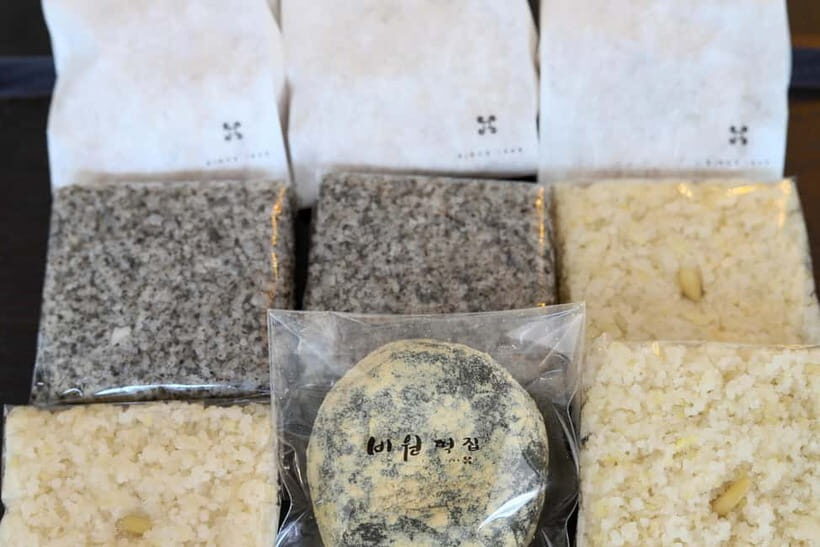
You get coffee or tea as part of the tour. In at least one experience, the guide brought the group to a tea house and offered tea and sweets, and did it at a comfortable pace rather than rushing.
This matters more than it sounds. A tea break changes how you experience Bukchon. The architecture has a way of feeling delicate and detailed. If you’re walking nonstop, you tend to skim. With a pause, you slow down enough to actually notice.
It’s also a morale boost midway through an afternoon walk—especially in Seoul, where you often end up doing a lot of metro plus walking in the same day.
Price and value: is $54 per person fair?
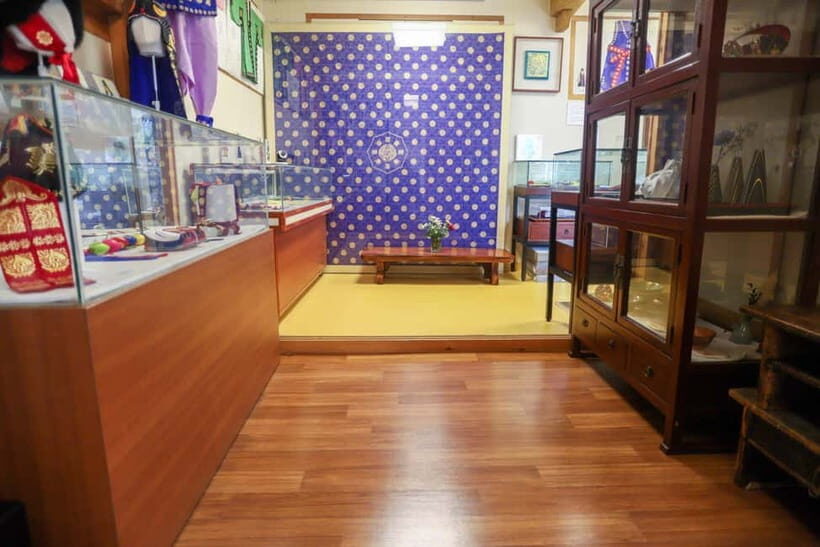
At $54 per person, this tour sits in the midrange for a guided cultural walk in central Seoul. The value comes from three things that aren’t just marketing:
First, you’re paying for an English local guide who provides historical and cultural commentary, not just directions. The guided anecdotes and history were highlighted as a strength, and that kind of storytelling is what makes the tour memorable.
Second, the itinerary includes time that goes beyond a standard exterior stroll—specifically visiting interiors of typical houses and learning about changes across periods.
Third, the tour includes coffee or tea, which reduces the “hidden costs” feeling that sometimes hits when everything else is extra.
So while $54 isn’t a bargain-basement price, it can feel like a good use of time if you want an organized way to understand Bukchon fast. If you’re the type who likes wandering on your own, you might not need a guide. But if you want structure and interpretation, this price starts to look reasonable.
Logistics that actually matter: meeting point and timing
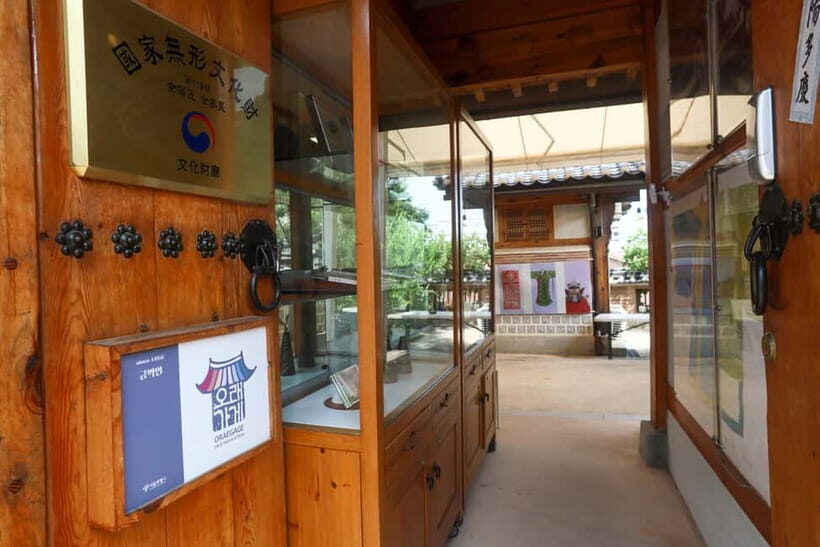
You meet at Anguk Station Exit 3 on Subway Line 3. The activity ends back at the meeting point, which helps you avoid late-day navigation stress.
The tour is English-language. You should plan on being on foot and bring comfortable shoes. That’s the only “must” listed, but it’s an important one because Bukchon is a walking neighborhood and you’ll want to move steadily.
Two practical booking considerations are also worth understanding early:
- Reservations cannot be confirmed on weekends and holidays.
- If the number of participants is under 4, the tour can be canceled, with notice sent by WhatsApp.
If you’re visiting during peak travel times, it’s smart to treat this as a strong option but not your only plan.
Who should book this Bukchon Hanok tour?
This experience is a great fit if you:
- want architecture and culture explained in plain language
- enjoy calm walking tours where you learn as you go
- like the idea of seeing hanok interiors rather than only exteriors
- want a short cultural “anchor” stop in central Seoul (with tea included)
It may not be the best match if you’re only interested in photo hotspots and you’re fine reading everything on signs or apps. Also, if your schedule is tight for a weekend or holiday, you’ll want to be realistic about confirmation and possible cancellation if fewer people book.
Should you book? My straight answer
I’d book this tour if you want Bukchon to make sense fast. The combination of hanok across time, cultural context (food, etiquette, art themes), and an included tea stop adds up to more than a pretty walk.
I’d hesitate if your trip dates land on a weekend/holiday and you can’t absorb the risk of no confirmation or a possible cancellation when group size is small. In that case, keep another activity lined up near Anguk Station.
If you book with that mindset, you’re set up for an afternoon where the neighborhood’s details feel personal—less like scenery, more like a story you can walk through.
FAQ
Where is the meeting point?
You start at Anguk Station Exit 3 (Subway Line 3).
What does the tour include?
A local tour guide and coffee or tea are included.
What language is the tour offered in?
The tour is offered in English.
What should I wear or bring?
Bring comfortable shoes for walking.
Does it end near where it starts?
Yes. The activity ends back at the meeting point.
Is a reservation always confirmed on weekends or holidays?
No. Reservations cannot be confirmed on weekends and holidays.
What happens if too few people book?
If there are under 4 participants, the tour will be canceled and you’ll be notified by WhatsApp.
What is the cancellation policy?
You can cancel up to 24 hours in advance for a full refund. No refund is issued in case of a no-show or cancellation on the day of the tour.