REVIEW · SEOUL
Hiking Adventure Bukhansan Highest Peak & Old Buddhist temples visit (Lunch inc)
Book on Viator →Operated by Honey Trail · Bookable on Viator
Bukhansan turns Seoul into a memory. This hike takes you to Baekundae peak with big city views, plus a stop at the 9th-century Doseonsa Temple, guided by Lee who keeps the trail stories clear and easy to follow. The one real catch: you’ll need to bring your own water for the day.
I like that it feels stress-free. You hike with a small group (up to 15), and the route is designed as the shortest way to the summit, so you’re not fighting for position or burning all your energy too early.
One more thing to think about: this is a mountain hike. Wear proper shoes, and expect a steady climb even if the pace is manageable with a guide.
In This Review
- Key things to know before you hike Bukhansan
- Bukhansan and Baekundae: the Seoul view that surprises you
- Doseonsa Temple (862) and the Silla legend you can picture
- Walking into Bukhansan National Park: how the hike actually feels
- Bukhansanseong Fortress: a historical walk above the city
- Lunch (seaweed roll) and the snack/water reality
- Price, group size, and what you’re really paying for
- Who should do this hike (and who might skip it)
- Practical tips for a smoother Bukhansan morning
- Should you book this Honey Trail Bukhansan hike?
- FAQ
- How long is the hike?
- What time does the tour start?
- What’s included in the price?
- Where does the tour start and end?
- Is this hike for people with moderate fitness?
- What stops are included on the route?
- What if the weather is bad?
Key things to know before you hike Bukhansan
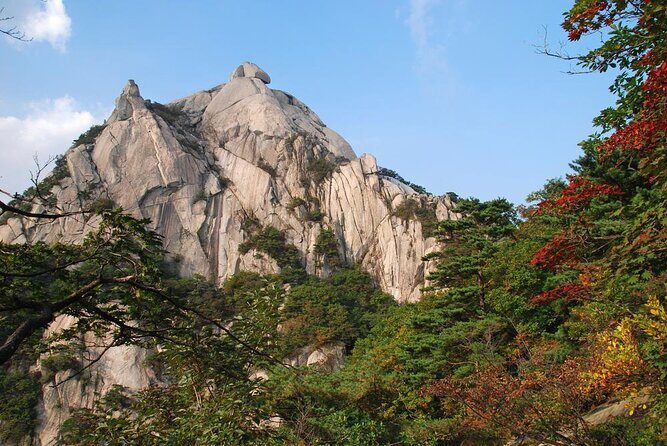
- Lee’s trail guidance feels personal, with history and wildlife commentary woven right into the walking
- Doseonsa Temple (est. 862) brings the Silla-era story to life, including a famous carving legend
- Baekundae peak delivers sweeping views of Seoul and the surrounding hills
- Bukhansanseong Fortress adds Joseon-era context to the hike, not just scenery
- Small group size (max 15) makes it easier to ask questions and stay together
- Lunch is included, but you still need water and a snack plan
Bukhansan and Baekundae: the Seoul view that surprises you
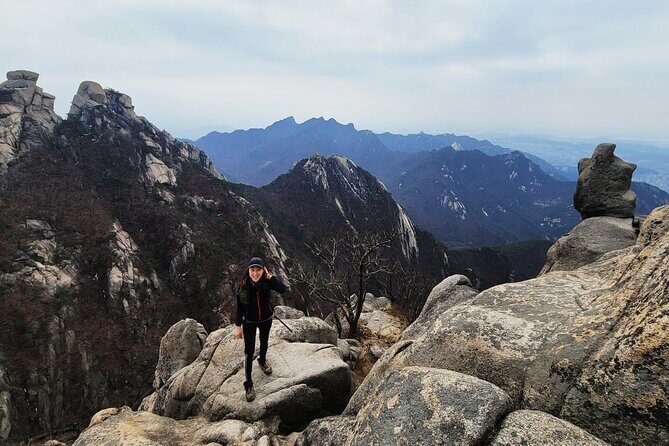
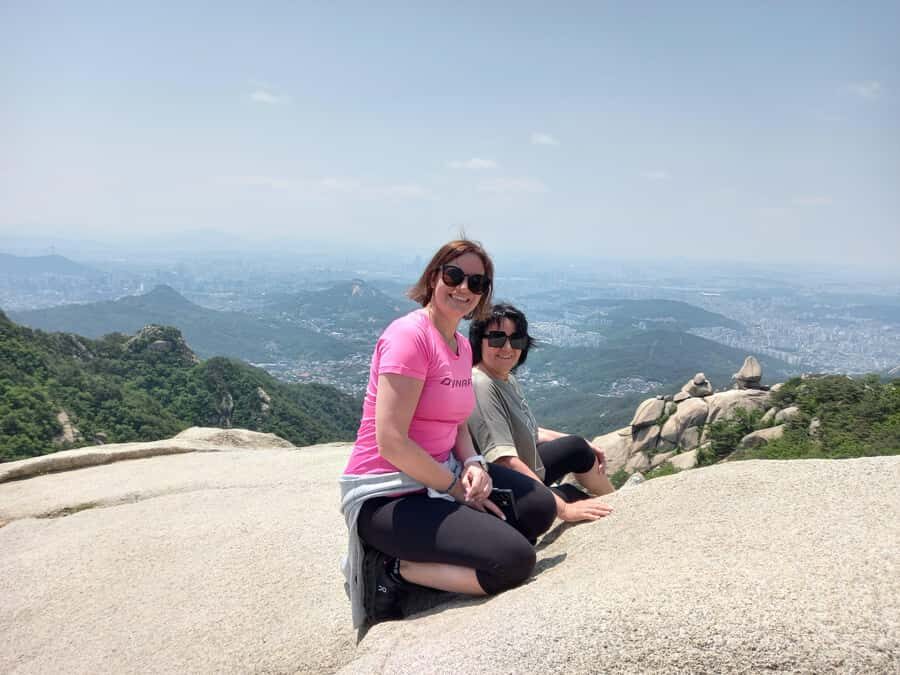
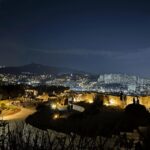
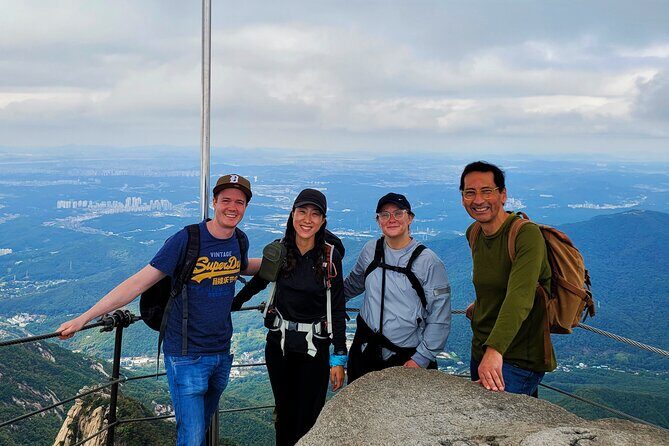
This is the kind of day that flips your mental map. Seoul is loud, flat-ish in your head, and very scheduled. Then you step into Bukhansan National Park, and suddenly you’re walking on rocky paths with real mountain air and a view that makes the whole city look like it’s been drawn on a model.
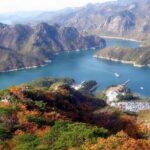
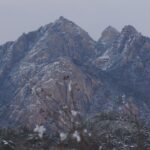
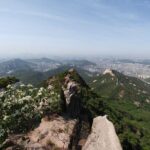
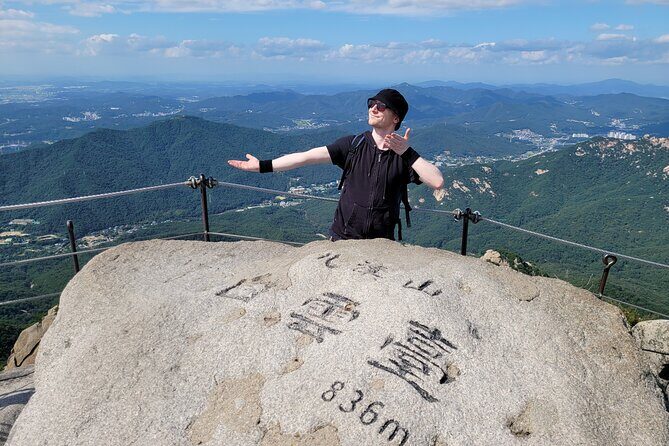
The hike heads for Baekundae, the highest peak in Seoul, and you’ll get that summit payoff: an expansive look over the city and out into the surrounding natural areas. It’s not just a pretty reward. The guide’s commentary helps you connect what you’re seeing to what shaped the mountains around the capital—wildlife patterns, local history, and why Koreans keep returning to this park.
A big practical win: this tour is built around a shorter summit route. That matters if you’re visiting Seoul and you want mountain time without turning your vacation into a cardio project. Your total time on the trail is about six hours, which is enough for a proper outing, but not so long that the day disappears.
One more detail that helps you plan: it’s a group hike with a maximum of 15 travelers. That usually means better question time and less “lost in the crowd” energy—especially when you’re pausing for temple stops and viewpoint breaks.
You can also read our reviews of more tours and experiences in Seoul

Doseonsa Temple (862) and the Silla legend you can picture
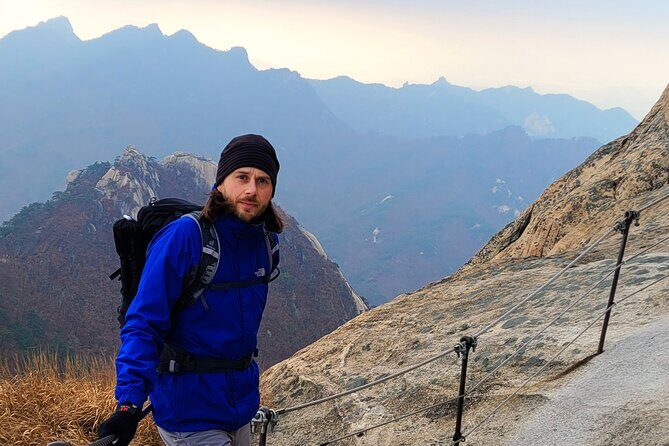
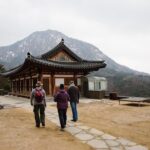
Doseonsa is not a random stop. It’s a 9th-century Buddhist temple with a backstory that explains why people go quiet when they reach it.
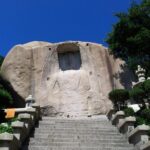
The temple was established in 862 during the Silla Kingdom by the monk Doseonguksa. The legend says he broke huge rocks with his bare hands and carved a Buddha. The story has an eerie realism: there are no visible signs of chisel marks, which adds to the sense that this place holds more than just architecture—it holds belief.
On a guided hike, this kind of legend is exactly what you want, because it changes how you look at the temple. Instead of seeing it as a photo spot, you start noticing small features and the placement of things in the surrounding terrain. You also get context for why Buddhist temples were often woven into mountains. In Korea, mountains weren’t only for looks. They were where people sought calm, spiritual focus, and a kind of refuge.
Time-wise, Doseonsa sits early enough to set the tone for the morning. You start the day already in “history mode,” then keep that momentum as you move onto the park and the climb. If you love cultural stops that feel connected to where you’re walking—not bolted on—this one lands well.
Walking into Bukhansan National Park: how the hike actually feels
You’ll meet near the Bukhansan area in the morning. One common spot is Bukhansan UI station, where there are shops for last-minute snacks, lunch items, or basic hiking gear if you forgot something. Your start time is 9:00 am, and the pace is guided, which helps a lot if you’re not used to hiking in a foreign country.
As you hike, the guide talks about Korean wildlife and history. Even if you don’t identify every bird or plant, you’ll come away with a better sense of what lives here and how people historically understood the mountain. That makes the day feel like more than a viewpoint sprint.
The route is described as the shortest route to the summit, aimed at the kind of hike that many locals do. The park is popular—over 10,000 locals hike in Bukhansan every day, and total visitors reached over 6 million in 2020. That kind of use is a hint: this is a real working park, not a tourist set piece. You’ll see that in the atmosphere once you’re on the trail.
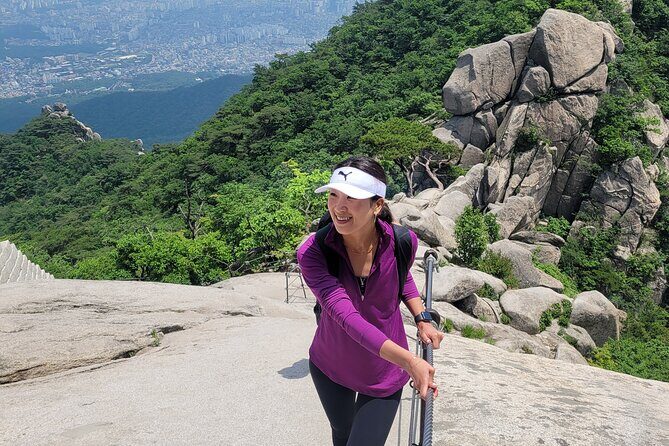
Is it hard? The tour is listed for travelers with moderate physical fitness. In plain terms: if you can manage a steady uphill walk for a few hours, you’ll be fine. If you’re dealing with knee issues or you hate climbing, you may feel it. The upside is that the guide keeps things organized, and the stops give you natural breathing moments.
Bukhansanseong Fortress: a historical walk above the city
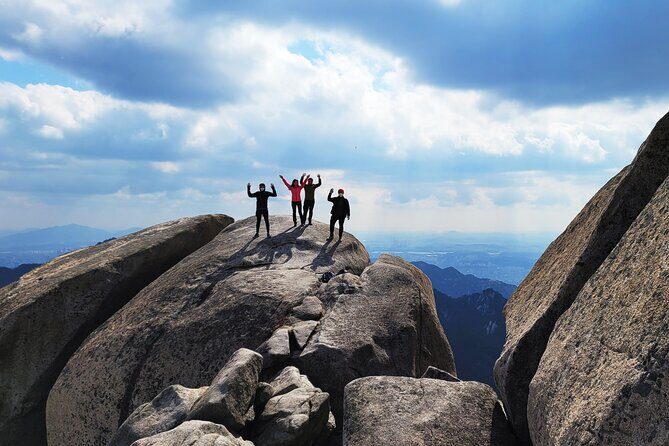
After the temple stop and during the hike, you also walk along Bukhansanseong Fortress. This is where the mountain turns into a story of defense and survival.
The fortress was built in 1711 to protect the Joseon dynasty from foreign enemies. That detail matters because it explains why fortifications were placed where they could watch long distances. When you’re moving on uneven stone and looking out over Seoul’s sprawl, the idea of observation makes instant sense.
Fortress walls and gates on a hike aren’t just “extra sights.” They change your body rhythm too. You slow down when the footing gets interesting, and you look longer when the views open. That’s a good thing on a guided day. It prevents the whole experience from becoming one long grind upward.
This stop also balances the day. You get Buddhist spirituality at Doseonsa, then you get nature and wildlife commentary, and then you get Joseon-era military architecture. You’re not bouncing between unrelated stops. It all stays connected to the same mountain and its role in Korean life—spiritual, natural, and strategic.
Lunch (seaweed roll) and the snack/water reality
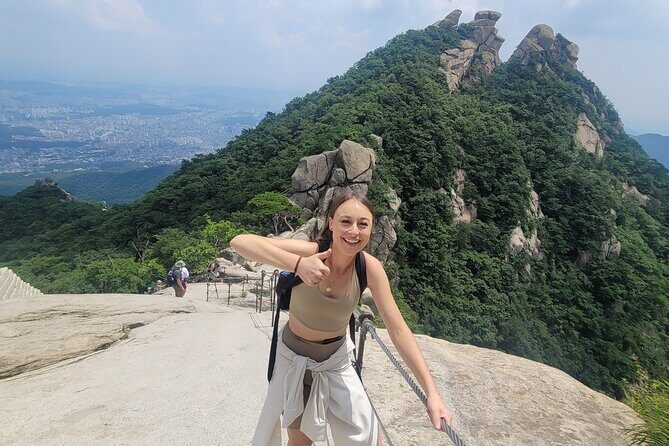
Lunch is included—specifically a seaweed roll provided before the hiking. It’s the kind of simple fuel that makes sense for a mountain outing: easy to eat, portable, and not too messy when you’re getting ready to walk.
But here’s the practical point: you still need to bring your own water. The tour info is clear on that. So even if the lunch is taken care of, your hydration plan is on you.
Also, plan for food the way locals do on a day hike. If you want extra calories, you can buy snacks such as gimbab (seaweed roll) near the trail. Shops around the meeting area can also help if you need a last-minute snack or basic gear.
This is where a guide makes a difference. In the experience, Lee is described as very helpful and organized—someone who can point you toward sensible choices and keep you moving without making the day feel rushed. When lunch is built into the timing, you’re less likely to blow up your energy early, then regret it at the steep sections.
One more thought: seaweed roll is great, but it’s not a full feast. I recommend bringing a small extra snack for yourself if you tend to get hungry on hikes. You’ll feel better, and you won’t have to start thinking about food while you’re trying to enjoy the view.
You can also read our reviews of more hiking tours in Seoul
Price, group size, and what you’re really paying for
At $97.27 per person for about six hours, this tour sits in the mid-range for Seoul half-day to full-day activities. What makes it reasonable is that you’re not just buying access to a park. You’re paying for:
- a certified tour guide
- built-in stops at Doseonsa Temple and Bukhansanseong Fortress
- lunch included (seaweed roll)
- a small group size (max 15) with a more controlled pace
You also get a mobile ticket and group discounts, which can help if you’re traveling with friends. The tour is often booked about 34 days in advance, which usually signals steady demand for a guided mountain day without the hassle of planning every stop.
If you were doing this on your own, you’d pay for transit to the trailhead, then spend time figuring out which sections match your time window. Here, the guide handles the “what next” and turns the walk into a guided cultural experience—temples and fortifications included.
That value is especially strong for first-time visitors to Seoul who want to escape crowds. You’re still near a major city, but the hike gives you a Korean way to spend a morning: outdoors, organized, and not overly touristy.
Who should do this hike (and who might skip it)
This is a great fit if you want one organized mountain outing during your Seoul stay. It’s also ideal if you care about context—wildlife and history—without needing to read a guidebook the whole time.
You’ll likely enjoy it most if:
- you can handle moderate hiking over several hours
- you want temple + fortress time, not only a summit photo
- you prefer a guide who keeps you safe and answers questions as you go
- you want to avoid planning every turn
It may be less ideal if you’re looking for a very casual stroll. This is a climb to Baekundae, and you’ll feel it in your legs. Also, the experience doesn’t include water, so you need to think ahead on hydration.
The small group size helps beginners and intermediate hikers feel included. And based on how Lee is described, the tour style is supportive—she keeps you feeling comfortable and makes sure you don’t get stuck in the awkward parts of a foreign trail.
Practical tips for a smoother Bukhansan morning
Here’s what I’d do before you go, based on the way this hike is set up:
Wear comfortable shoes with good grip. Trails can be rocky, and you’re climbing toward a peak. Good shoes are not optional here.
Bring enough food for the day, even though lunch is included. That doesn’t mean you need a feast. It just means you don’t want to run out and start rationing while you’re walking.
Bring your own water. The tour provides lunch but not hydration, so pack a bottle you can manage easily.
If you’re missing snacks or gear, you can find options near Bukhansan UI station. But don’t count on that as your only plan. It’s best to arrive ready.
Also, remember that this is a popular park. Even with a guided group, expect some other hikers. The guide’s job is partly to help you keep your pace and stay focused on the stops.
Should you book this Honey Trail Bukhansan hike?
Book it if you want a Seoul escape that still feels culturally grounded. The combination is strong: Doseonsa Temple, then the summit to Baekundae, and a walk along Bukhansanseong Fortress. You also get a guide experience that seems genuinely caring and safety-minded, with Lee able to explain wildlife and history in a way that makes the trail feel understandable.
Skip it only if you want a very easy walk, or if you’re not comfortable climbing for about six hours. Also, if you forget essentials easily, set a reminder—water and proper shoes matter here.
If you’re on the fence, this is the kind of tour that works well as your one “mountain day” in Seoul. You’ll come back with a real sense of place: temples on rock, fort walls above the city, and a view that makes Seoul look surprisingly far away.
FAQ
How long is the hike?
The experience lasts about 6 hours.
What time does the tour start?
The start time is 9:00 am.
What’s included in the price?
You get a certified tour guide and lunch (seaweed roll) provided before the hiking. You’ll need to bring your own water.
Where does the tour start and end?
It starts in Bukhansan, Seoul, South Korea, and ends back at the meeting point.
Is this hike for people with moderate fitness?
Yes. The tour is listed for travelers with a moderate physical fitness level.
What stops are included on the route?
You’ll visit Doseonsa Temple, hike in Bukhansan National Park toward the peak of Baekundae, and walk along Bukhansanseong Fortress.
What if the weather is bad?
The tour requires good weather. If it’s canceled due to poor weather, you’ll be offered a different date or a full refund.