REVIEW · SEOUL
Seoul: Authentic Korean Cooking Class and Market Tour
Book on GetYourGuide →Operated by Seoul : Authentic Korean Cooking at a Local Home & Market Tour · Bookable on GetYourGuide
That first market walk changes how you shop for Korean food. You’ll love the real-ingredient shopping and the calm, hands-on cooking in a traditional, hand-embroidered home. Only potential drawback: the group is very small, so if you want a loud, big-group party vibe, this isn’t it.
In This Review
- What Makes This Class Feel Like Korean Home Life
- Key Points You’ll Care About
- A 210-Minute Seoul Taste Lesson You Can Repeat at Home
- Finding the Meet-Up at Sillim Station (Line 2, Station #230)
- Market Walk: Choosing Seasonal Ingredients (and Knowing What They Mean)
- The House with Hand-Embroidered Rooms: Cooking Where the Stories Live
- Cooking Your Chosen Dishes: Hands-On, Unhurried, and Practical
- Lunch at the Table: A Meal That Makes the Learning Click
- Dessert Making and Tea-Time: The Sweet Finish in an Embroidery-Filled Room
- Price and Value: What $69 Buys You (and Why It Feels Fair)
- Who This Class Fits Best (and Who Might Want a Different Day)
- A Few Smart Tips Before You Go
- Should You Book This Seoul Cooking Class?
- FAQ
- How much does the Seoul cooking class and market tour cost?
- How long does the experience take?
- What time does it start and where do we meet?
- Is there help in English?
- How big is the group?
- What do we do in the market?
- What kinds of dishes can I cook?
- Is lunch and dessert included?
- Is tea included?
- What is the cancellation policy?
What Makes This Class Feel Like Korean Home Life
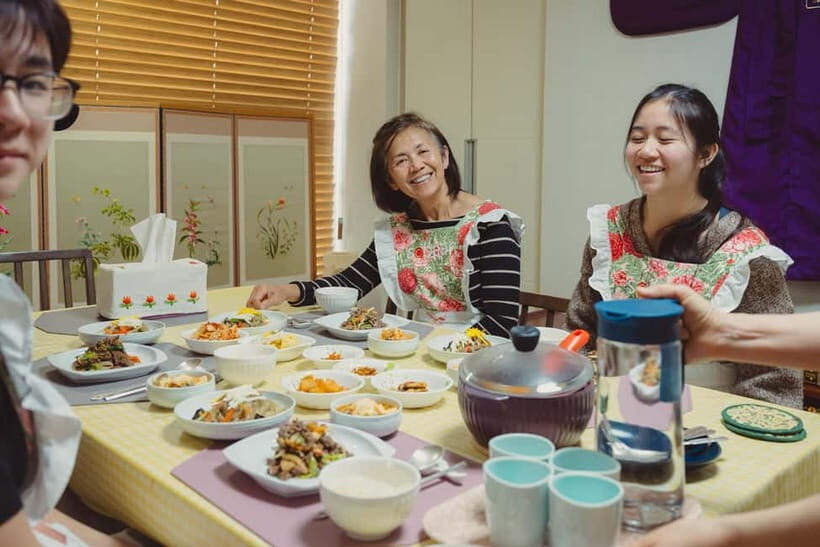
This is the kind of experience where you learn by doing, not just watching. You pick what you want to cook, shop with guidance, and end with dessert and tea in a room that feels like it has a story behind every wall.
Key Points You’ll Care About
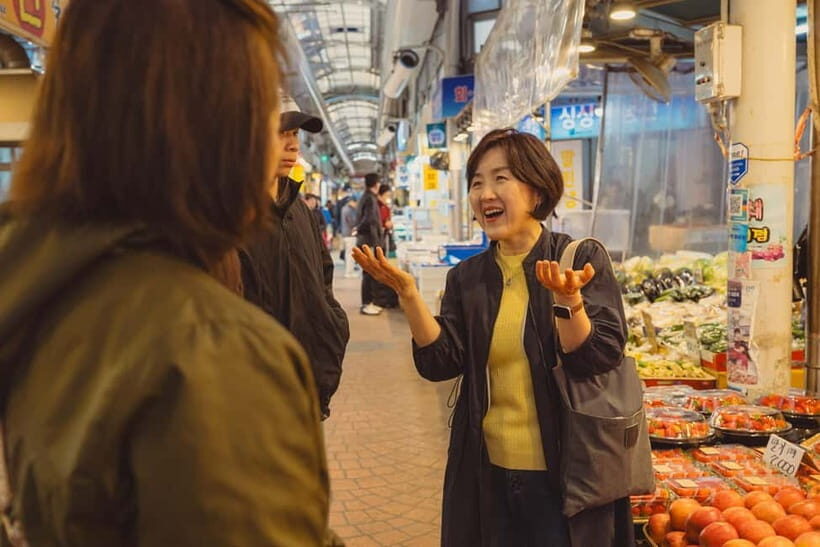
- Market shopping with practical ingredient tips so you know what to buy (and why)
- Small-group format (max 4) that keeps the pace friendly and questions easy
- Cook dishes you choose including bulgogi, bibimbap, and kimchi pancakes
- Lunch + tea-time included, plus a traditional Korean dessert you help make
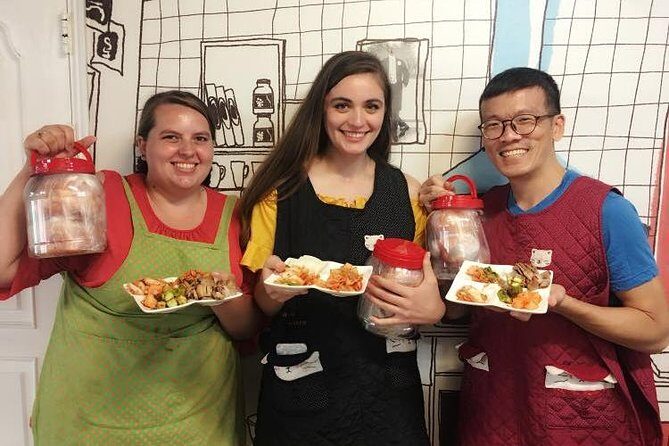
- A beautiful embroidery-filled home, with welcoming hosts like Ann and her family
You can also read our reviews of more shopping tours in Seoul
A 210-Minute Seoul Taste Lesson You Can Repeat at Home
For $69, this isn’t just a cooking show. It’s a full food-focused outing that takes you from market shelves to a kitchen you can actually learn from. You leave with more than recipes; you leave with a better sense of Korean ingredients and how they work together.
The timing also matters. In 210 minutes, you get enough structure to learn, cook, eat, and still make dessert without feeling rushed. If you’ve ever cooked Korean food at home and wondered why it didn’t taste the same, this kind of ingredient-first approach helps.
And because this is a small group, you’re not stuck waiting for your turn. You can ask about basics—like what seasonings to look for at the market—and your guide can adjust to what you want to cook.
Finding the Meet-Up at Sillim Station (Line 2, Station #230)
You’ll meet inside Sillim station at 10:30am. The station details are specific for a reason: you’ll meet inside the subway area, before you go out through the exit, near Cafe Mignon.
Look for someone holding a Sobaan cooking sign—that’s how you’ll spot your host quickly. This setup is helpful when Seoul stations feel like mazes, especially if you arrive early and want to orient yourself fast.
One thing to plan: arrive a few minutes early and give yourself time to find Cafe Mignon inside the station. Since the meeting point is inside, you won’t have street-level landmarks to guide you.
Market Walk: Choosing Seasonal Ingredients (and Knowing What They Mean)
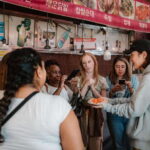
The experience starts with a guided tour of a local traditional market. This part is where the day becomes more than a hands-on class. You’ll learn the cultural stories behind dishes and get practical tips for picking ingredients from real vendors—not generic descriptions.
A few things I like about this market stage:
- You don’t just browse. You shop together for fresh produce and authentic seasonings.
- You get guidance on what matters in Korean cooking, so you buy with confidence.
- You make stops where the guide explains typical foods and their background, not just how they taste.
From the way the day is described, you’re likely to learn how seasonal ingredients affect flavor. Even if you don’t memorize every detail, you’ll come away thinking differently when you see Korean staples in a grocery store back home.
The House with Hand-Embroidered Rooms: Cooking Where the Stories Live
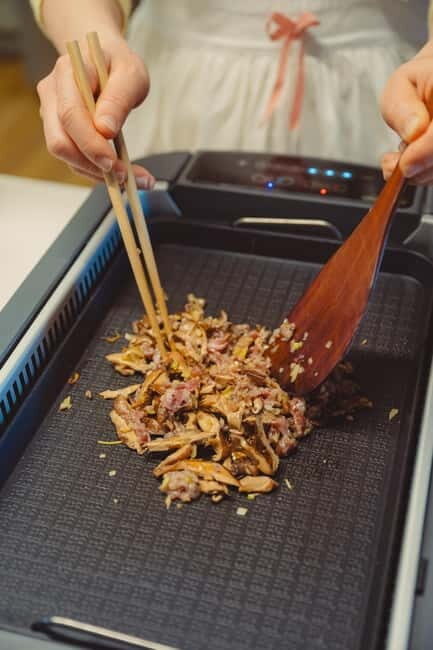
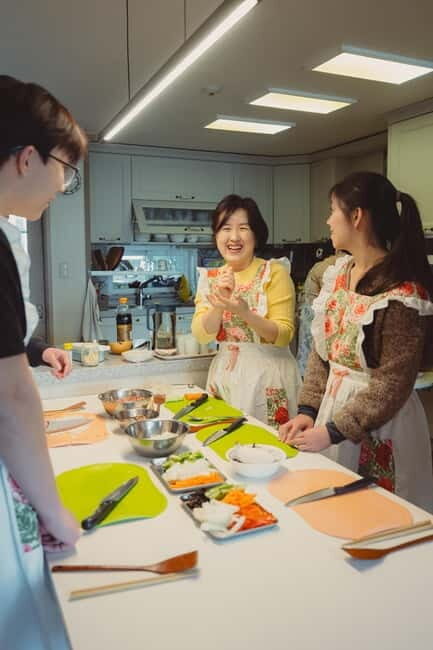
After the market, you head to a Korean house filled with traditional hand-embroidered works. It’s not just a pretty backdrop. This setting helps explain why the food feels personal—this is the kind of place where meals are part of family life.
You’ll be welcomed into the home and shown around. Then you move into cooking, with a calm pace that leaves room for questions and real participation. The class structure is hands-on, and you’re not just doing one task and then watching the rest.
A highlight here is that you cook dishes you choose. Options mentioned include bulgogi, bibimbap, kimchi pancakes, or something else you’re curious about. That flexibility is valuable because it shapes the whole day: you’ll pay attention to the steps that matter for your meal, not a preset menu.
You can also read our reviews of more tours and experiences in Seoul



Cooking Your Chosen Dishes: Hands-On, Unhurried, and Practical
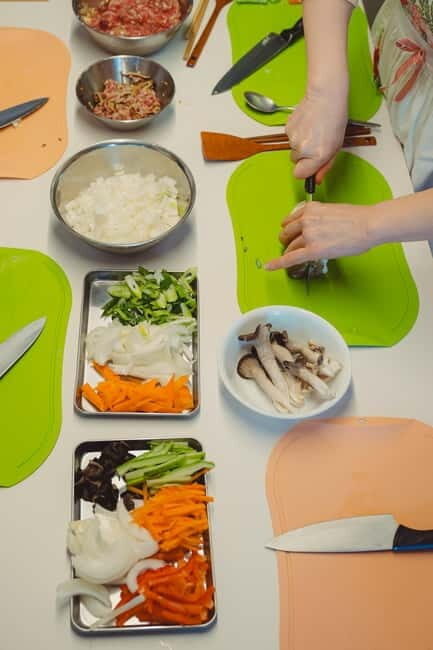
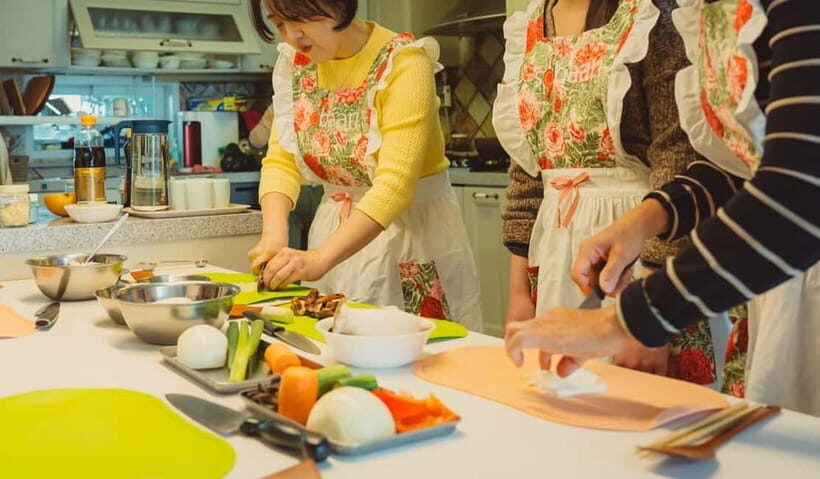
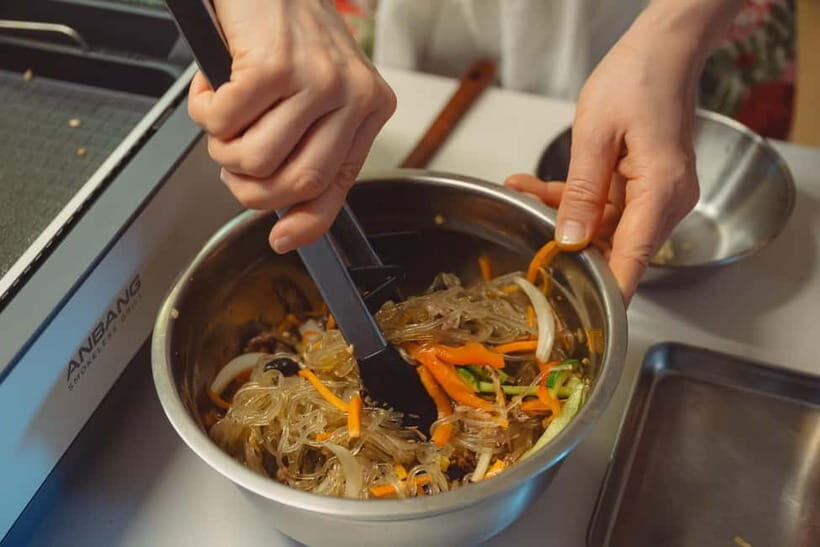
In the kitchen, you’ll cook Korean dishes using what you selected at the market. That ingredient-to-dish link is the point. If you’re the type who wants to understand the why behind cooking, this method works because you saw the ingredients up close first.
The teaching style is practical. You’re guided through the steps, and the pace is designed so you can actually participate without feeling like you’re sprinting. You also get a clear sense of what the finished food should look and taste like.
Why this matters for you:
- You’re more likely to remember the steps because you picked the dish in advance.
- You’ll learn technique, not just a list of ingredients.
- You can adjust based on your preferences, since your dish choices drive the class.
If you’ve been intimidated by Korean cooking before—maybe from complicated-looking bowls or the number of components in a meal—this format helps because you’re focusing on a few key dishes, not trying to learn everything at once.
Lunch at the Table: A Meal That Makes the Learning Click
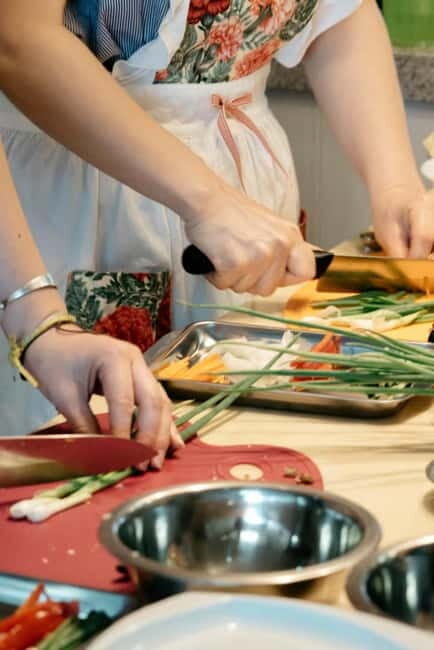
You’ll enjoy a homemade Korean lunch after cooking. This is a simple but important part of the experience: tasting confirms what you did right.
Because the class includes lunch, you won’t have to figure out where to eat or how to order safely if you’re still getting comfortable with Korean menus. Instead, you eat what you made, in the setting where it was prepared.
It also makes the cooking portion feel complete. You don’t leave the kitchen and then hope the flavor matches what you intended. You taste immediately—while the steps are still fresh in your mind.
Dessert Making and Tea-Time: The Sweet Finish in an Embroidery-Filled Room
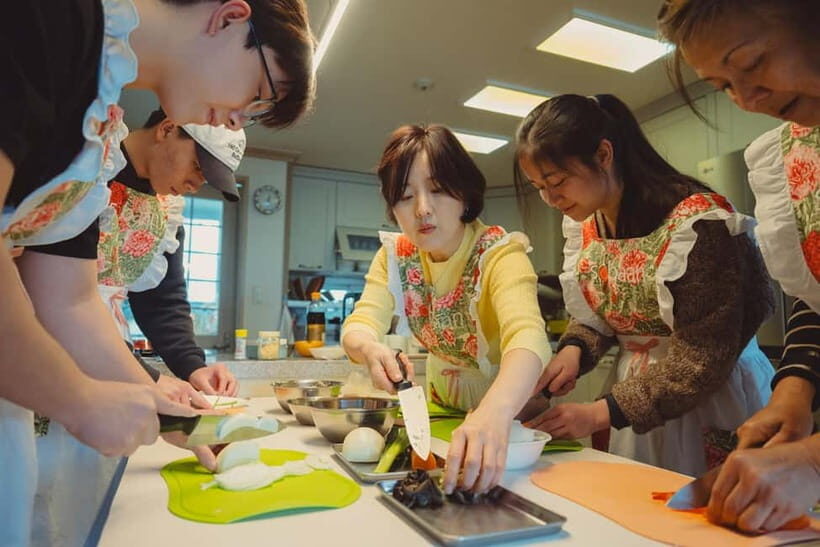
After lunch, you’ll craft a traditional Korean dessert together. Then comes tea-time, relaxing in the same beautiful home environment—described as being filled with hand-embroidered works.
This part is more than a finale. Dessert-making helps reinforce the day’s theme: you learn Korean food as something everyday people actually make and share, not just something fancy for special occasions. Making it together also gives you a moment to slow down and enjoy the atmosphere.
Tea-time works like the closing chapter. You can talk about what you liked, ask follow-up questions, and mentally collect the steps you’ll want to repeat later.
Price and Value: What $69 Buys You (and Why It Feels Fair)
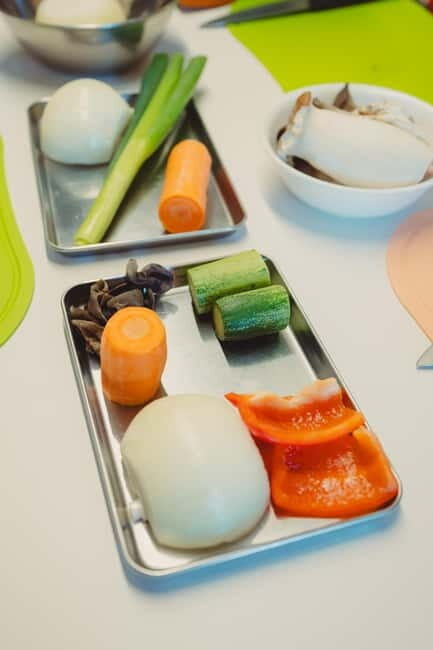
At $69 per person for 210 minutes, the value is in the mix. You’re paying for:
- A guided market tour with shopping for fresh produce and authentic seasonings
- A cooking class in a real Korean home
- Homemade lunch
- Dessert making
- Tea-time in an embroidery-filled room
The price feels fair because you’re not just buying access to a kitchen. You’re getting guidance, shopping support, and multiple meals included in the experience. And the small group size (limited to 4 participants) matters: it reduces waiting and keeps attention on you rather than splitting time among a crowd.
Also, the host uses English, which reduces the risk of feeling lost. You’ll get explanations you can actually use, especially during market shopping.
If you’re comparing this to cooking classes that only cover one recipe and send you off to find your own food, this format is a better deal for most people.
Who This Class Fits Best (and Who Might Want a Different Day)
This experience is a strong match if:
- You want a hands-on cooking session where you help make the food
- You like learning ingredients first, then cooking with confidence
- You enjoy quieter, more personal cultural experiences instead of big-group tours
- You want to cook dishes that you actually care about (not a fixed menu you didn’t choose)
It might be less ideal if:
- You prefer a high-energy group setting with lots of social noise
- You want only one quick recipe with no market shopping or dessert
Because it’s limited to four participants, the vibe tends toward calm and personal. For many travelers, that’s the point.
A Few Smart Tips Before You Go
These are small things that help you get more out of the day:
- Go hungry but not ravenous. You’ll snack at the market only if you find the rhythm, but lunch is included.
- If you have a favorite Korean dish, think about it ahead of time so you can choose quickly in the kitchen.
- Bring curiosity about ingredients. This day is built around learning what to buy and how it connects to the final taste.
Also, if you’re sensitive to smell or spice levels, just pay attention when choosing dishes—your cooking choices drive what you’ll be working with.
Should You Book This Seoul Cooking Class?
I think it’s worth booking if you want an experience that feels like Korean food culture, not a tourist performance. The combination of market shopping, cooking in a home, and finishing with dessert and tea is exactly the kind of structure that helps you learn—and remember—what you ate and how you made it.
Book it if you like:
- practical ingredient knowledge
- a small group where you can ask questions
- a full food day instead of a short demo
Pass if you want a big-group energy or a super fast “one recipe and done” workshop. But if you’re planning a Seoul trip around food, this one belongs on the list.
FAQ
How much does the Seoul cooking class and market tour cost?
It costs $69 per person.
How long does the experience take?
The duration is 210 minutes.
What time does it start and where do we meet?
Meet at 10:30am inside Sillim station (subway line 2, station number 230), in front of Cafe Mignon, before you find any exit.
Is there help in English?
Yes. The host or greeter provides English support.
How big is the group?
It’s a small group limited to 4 participants.
What do we do in the market?
You take a guided tour of a local traditional market, learn about ingredients, and shop for fresh produce and authentic seasonings.
What kinds of dishes can I cook?
You cook Korean dishes you choose. Examples mentioned include bulgogi, bibimbap, and kimchi pancakes, or another dish you’re curious about.
Is lunch and dessert included?
Yes. You’ll have homemade Korean lunch, then you’ll make a traditional Korean dessert together.
Is tea included?
Yes. The day ends with tea-time in an embroidery-filled room.
What is the cancellation policy?
You can cancel up to 24 hours in advance for a full refund.