REVIEW · SEOUL
Gwangjang market Netflix Food Walking Tour with Insadong
Book on Viator →Operated by S.A. Tour · Bookable on Viator
You taste Seoul’s past and present on foot. This tour links Insa-dong art streets with the food-leaning streets of Gwangjang Market, with stops that explain why these neighborhoods matter and what to try along the way.
I especially like the guide-led pacing and storytelling. A name you may see connected with this experience is Alan Han, and his approach shows up in what matters most on a walking food tour: clear explanations, lots of room for questions, and patience when the day gets hot or rainy.
One possible drawback: it’s scheduled as an afternoon walk and it needs good weather, so rain can make the streets—and you—feel soggier than you planned.
In This Review
- Key highlights to know before you go
- Insa-dong to Gwangjang: the smart way to connect Seoul’s two moods
- The 3-hour route: a practical afternoon with a clear start point
- Insa-dong Culture Avenue: how crafts and tea houses teach you the neighborhood
- Ikseon-dong Alley: where narrow lanes tell two eras at once
- Gwangjang Market: street snacks plus the story behind them
- The included food: what you’re actually paying for
- Price and logistics: when this $48.60 makes sense
- Who should book this and who might want a different style
- Should you book the Gwangjang Market with Insa-dong food walk?
- FAQ
- What is the duration of the Gwangjang Market Netflix Food Walking Tour with Insadong?
- Where does the tour start and where does it end?
- How much does the tour cost?
- What food is included?
- Is there a maximum group size?
- What happens if the weather is poor?
Key highlights to know before you go
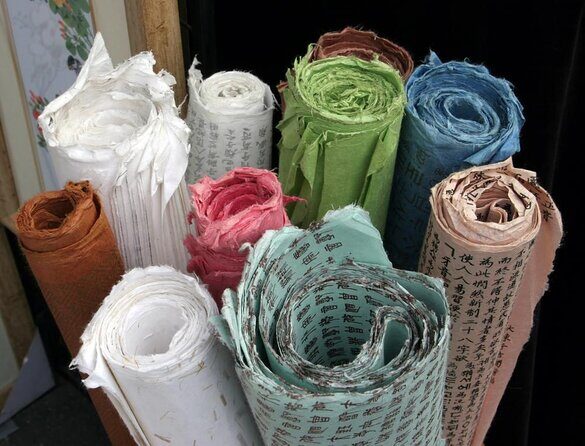
- Insa-dong Culture Avenue: traditional crafts, tea-house stops, and art galleries that help you read the neighborhood fast
- Ikseon-dong Alley: narrow lanes where old hanok-style streets meet newer cafés
- Gwangjang Market focus: street food tastings tied to what the market has meant since the early 1900s
- Small group size: up to 10 people, which usually means less rushing and more Q&A time
- Included eats: honey dessert plus specific favorites like fish cake and mung-bean pancake
Insa-dong to Gwangjang: the smart way to connect Seoul’s two moods
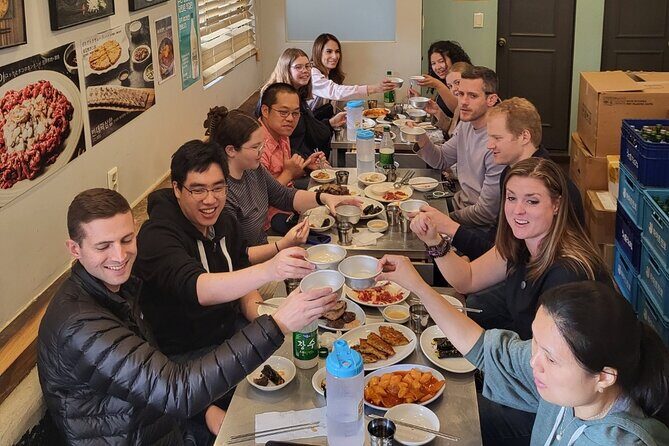
If you’ve only got one afternoon to explore, this is a good plan. You’re not just walking for photos. You’re moving through two very different vibes in Seoul—traditional crafts and everyday market life—and a guide helps you connect the dots.
Insa-dong is the kind of place where the storefronts carry stories: art galleries, craft shops, antique-style browsing, and tea houses that make you slow down. You also get the context for why it’s been seen as a center for Korean culture. That matters because without it, you can end up treating the area like a shopping strip.
Then you shift toward Gwangjang Market, one of Seoul’s older major markets (in operation since 1905). Here, the focus turns to what people actually ate and bought for daily life, especially through the 1990s lens your tour covers. It’s a great contrast to Insa-dong’s slower craft rhythm.
You can also read our reviews of more walking tours in Seoul

The 3-hour route: a practical afternoon with a clear start point
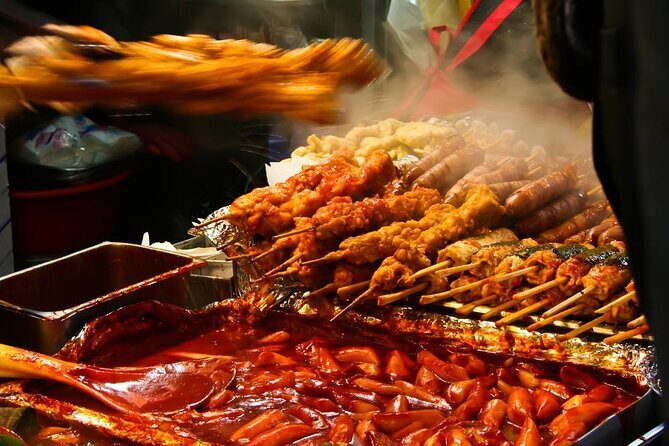
This tour runs about 3 hours and starts at 3:00 pm. That afternoon timing works well in Seoul if you want daylight for walking but you still want to finish before the night gets too late.
You’ll meet at Anguk Station and then end at Gwangjang Market (88 Changgyeonggung-ro, Jongno District). Starting at a subway stop like Anguk is a big deal. It keeps you from burning time on taxis or confusing transfers, especially if you’re already in Jongno.
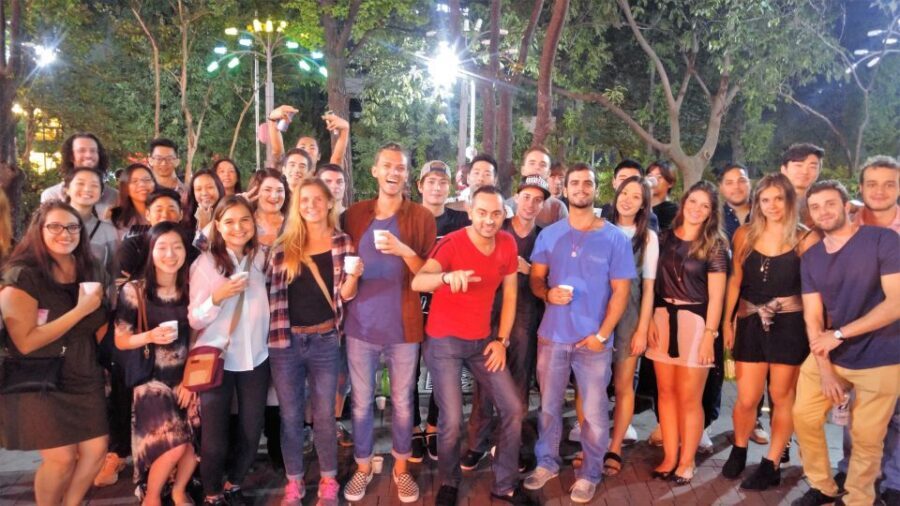
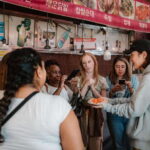
The tour is for a maximum of 10 travelers, which helps a lot. With a bigger group, food tours often become line-waiting marathons. Here, the small group size makes it more likely you’ll get the explanations you came for and still have time to look around.
One more practical note: you’ll get a mobile ticket, so you can keep everything simple on your phone. And since it’s a walk, wear shoes you don’t mind getting a little dirty.
Insa-dong Culture Avenue: how crafts and tea houses teach you the neighborhood
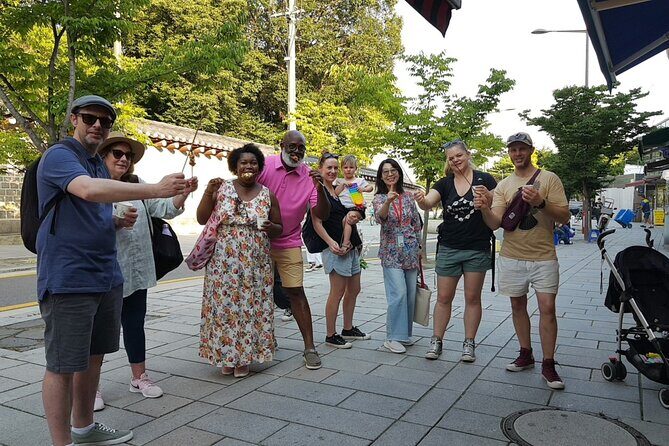
Insa-dong is one of those Seoul areas where details matter. You’ll see traditional architecture, and you’ll also spot the types of shops people visit specifically for Korean-made goods—pottery, calligraphy-brush styles, traditional paper, and other handmade items you can often only find when you’re already walking the right blocks.
What I like here is that the tour doesn’t treat Insa-dong as a static museum. It frames it as a cultural center for Korea’s arts and crafts, so when you see antique browsing or art galleries, you understand what you’re looking at beyond just the display.
This is also the right moment for a quick coffee or tea-house pause if you feel yourself rushing. Even if you skip a snack, Insa-dong’s rhythm helps you transition from sightseeing mode into “slow down and notice” mode.
Potential downside: Insa-dong is shop-heavy. If you’re the type who wants long browsing time in every store, you may feel the tour keeps moving. The upside is that you’ll leave with a clearer sense of what’s worth returning to later.
Ikseon-dong Alley: where narrow lanes tell two eras at once
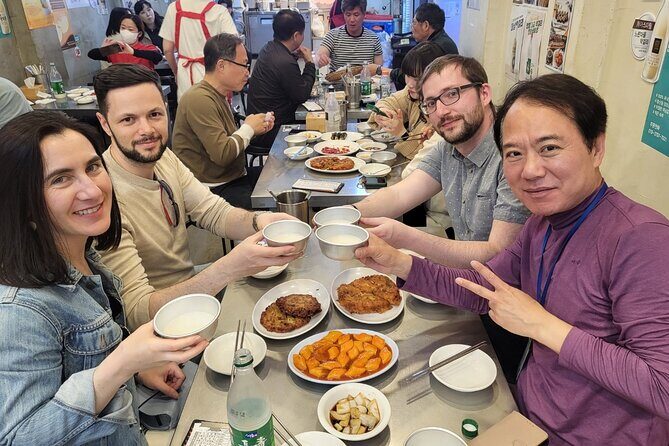
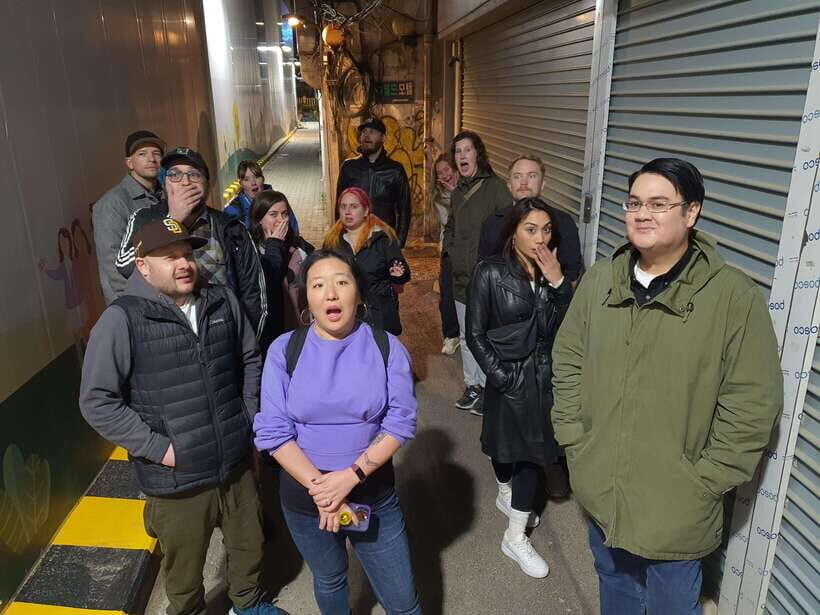
Between Insa-dong and the market area, you’ll spend time in Ikseon-dong Alley. This is where the tour feels more like storytelling than shopping.
The big idea is contrast. You’re walking through narrow lanes where you can still spot traditional hanok-style houses and older street patterns. But you’ll also notice newer cafes and a newer social scene. The tour explains the neighborhood’s history and how it turned into a popular cultural stop again.
I like Ikseon-dong for this simple reason: it teaches you how Seoul “layers” change. You’re not just looking at buildings. You’re watching a place adapt without deleting its older bones. That’s useful when you later explore other parts of Seoul and start to see patterns instead of random sights.
One practical thing: alleys mean tighter walking and more turning. Keep your phone ready for directions, but also take a second to relax your pace. The best part of Ikseon-dong is noticing how the lane structure shapes what you see.
Gwangjang Market: street snacks plus the story behind them
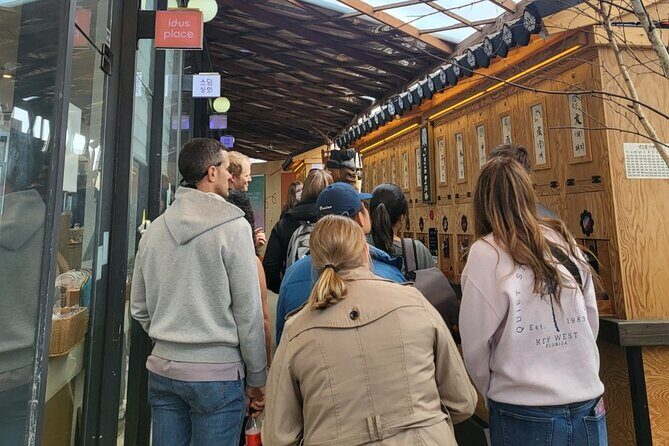
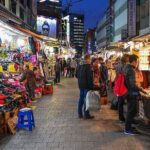
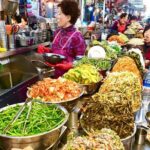
Then you arrive where food does the talking: Gwangjang Market in Jongno-gu. This market is known for two categories that go together in a way beginners might miss: street food and textiles/handmade goods.
You’ll hear how long the market has been around—operating since 1905—and how it connects to local daily life. That context turns what could be a simple food crawl into something more satisfying. You’re tasting meals and also learning why the market became a place people relied on.
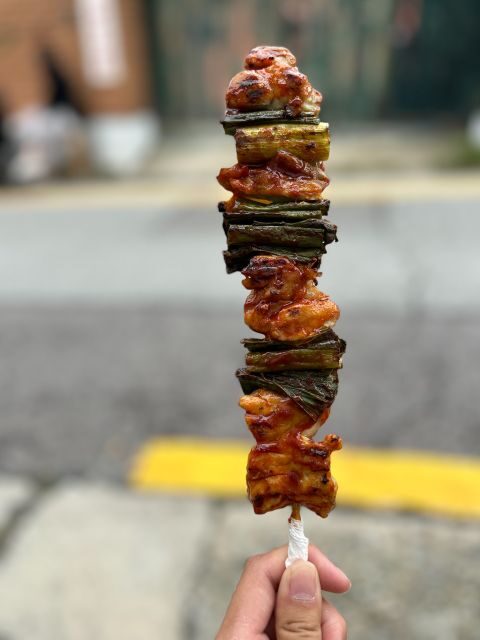
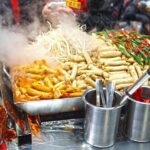
The tour includes tastings from the parts of the market that are most famous for street-food energy. Expect you’ll see and try items like bindaetteok (mung-bean pancake) and fish cake. If you’ve never had mung-bean pancake, it’s a great first taste because it shows up as savory, crispy-edged comfort food, and you can usually spot what makes a stall’s version different.
You’ll also get Korean rice wine during the food flow. If you don’t drink alcohol, you might want to mention that to your guide before the tastings start. It’s better to manage expectations early than to feel rushed later.
Potential drawback: Gwangjang is a real market area, not a staged food court. That means you’re walking among stalls and people actively shopping. It’s part of the charm, but you’ll want to keep your bag secured and your feet steady.
You can also read our reviews of more food & drink experiences in Seoul

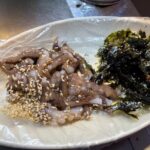
The included food: what you’re actually paying for
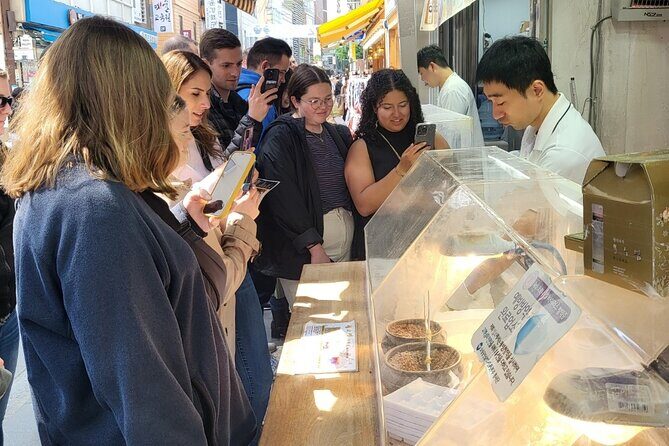
For $48.60 per person, the value isn’t just that food is included. It’s that you get a guided bite-by-bite structure that helps you try multiple items without wasting time hunting for where to start.
Your included set lists:
- 3–5 kinds of street food tasting
- Honey dessert
- Fish-cake
- Mung-bean pancake
- Korean rice wine
That’s a solid sampling lineup for a 3-hour walk. You’re not stuck with just one dish. You get savory staples, plus a sweet finish with the honey dessert.
Here’s the practical takeaway for you: eat at the tour’s pace. With included food, it’s easy to accidentally over-order later because you’re still hungry. Once you’ve finished the last included bite, you’ll be in a better place to decide whether you want to keep exploring on your own.
Also, you’ll learn what to order and why. Even if you come back to Seoul another time, this can help you repeat a good street-food strategy instead of playing guesswork.
One more thing: hot days happen. The guide’s approach (especially the kind of patient, question-friendly style credited to Alan Han) matters here, because it keeps the experience comfortable even when you’re sweating.
Price and logistics: when this $48.60 makes sense
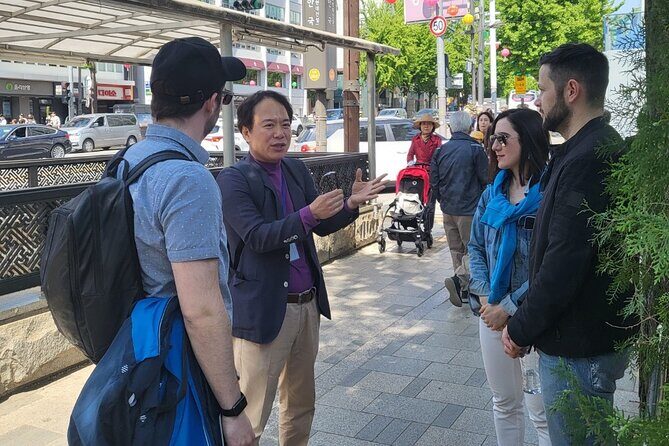
At $48.60 for about 3 hours, you’re paying for three things:
1) a professional English-speaking guide,
2) multiple tastings (not just one snack),
3) a route that ties the neighborhoods together so you understand what you’re eating.
If you try to DIY this route, you can certainly walk from Anguk to Insa-dong and then to Gwangjang. But DIY tends to have two problems: you might not know what to try, and you may end up spending more time trying to figure things out than actually tasting.
This tour also caps group size at 10, which usually improves the experience. In food culture tours, that limit often matters as much as the itinerary does.
Finally, the tour uses a mobile ticket and runs from a subway-friendly meeting point. That reduces friction for you, especially if you’re juggling a busy day and want to keep it simple.
Who should book this and who might want a different style
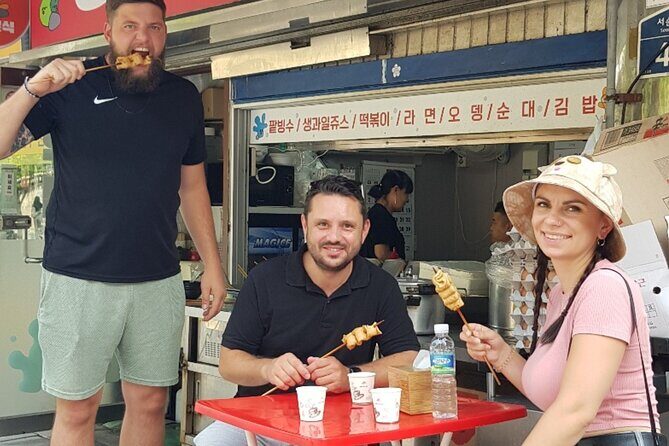
This tour fits best if you want:
- a guided walk through Insa-dong and Ikseon-dong, not just a self-guided stroll
- street food sampling with enough structure to avoid decision fatigue
- explanations in English that help you understand what you’re seeing and eating
You might consider skipping it if:
- you hate alcohol tastings (the tour includes Korean rice wine, even though you can always ask how it’s handled)
- you want a long, slow shopping afternoon with zero food focus
- you’re sensitive to weather changes, since the experience requires good weather and walking comfort matters
If you’re comfortable with a paced walking tour and you like learning while you eat, this is a strong afternoon pick.
Should you book the Gwangjang Market with Insa-dong food walk?
Yes—if you want the easiest way to connect Seoul’s arts-craft side to its market-food side. The route makes sense, the group size stays small, and the included food list hits several major icons: mung-bean pancake, fish cake, plus a sweet honey dessert and Korean rice wine.
I’d book it especially if you’re short on time and you want a guide to do the heavy lifting: picking good stalls for tastings and explaining why these neighborhoods became important. You’ll leave knowing what to look for next time you walk these areas on your own.
Just plan like a walker. Wear good shoes and keep an eye on the sky. If you catch a rain moment, you’ll likely still be fine—just don’t expect dry socks and photo-perfect stroll conditions.
FAQ
What is the duration of the Gwangjang Market Netflix Food Walking Tour with Insadong?
It lasts about 3 hours.
Where does the tour start and where does it end?
It starts at Anguk Station in Seoul and ends at Gwangjang Market (88 Changgyeonggung-ro, Jongno District, Seoul).
How much does the tour cost?
The price is $48.60 per person.
What food is included?
The tour includes 3–5 kinds of street food tasting, honey dessert, fish cake, mung-bean pancake, and Korean rice wine.
Is there a maximum group size?
Yes. The tour has a maximum of 10 travelers.
What happens if the weather is poor?
The experience requires good weather. If it’s canceled due to poor weather, you’ll be offered a different date or a full refund.