REVIEW · SEOUL
From Seoul: Seoraksan Mountain with Cable Car- Shuttle Bus
Book on GetYourGuide →Operated by S.A. Seoul · Bookable on GetYourGuide
Cable cars and temples in one day. Seoraksan National Park in autumn is a nice mix of big views and calm temple time, highlighted by the 14-meter bronze Buddha at Sinheungsa and a cable car up toward Gwongeumseong Fortress. I also like that you get an expert guide to connect what you’re seeing to Korea’s mountain-temple world. One thing to keep in mind: weather (like strong winds) or Seoul traffic can shorten the hiking time, so this is best if you’re flexible.
This is a practical add-on from Seoul: round-trip air-conditioned transport, admissions covered, and the cable car ticket included. Just make sure you eat breakfast first, wear comfortable shoes, and don’t expect a perfectly long, relaxed hike every time the schedule meets real-world conditions.
In This Review
- Key things I’d circle before you go
- Getting to Seoraksan From Seoul (and why it matters)
- Sinheungsa Temple: the 14m Gwaneumjeon Buddha you came for
- Cable car up to Gwongeumseong Fortress: the views are the schedule
- Mount Seorak in autumn: October color, plus the reality check
- Price and value: is $67 a good deal?
- What to wear, bring, and do to avoid a rough day
- Who this tour is best for (and who should skip it)
- Should you book this Seoraksan cable car + Sinheungsa tour?
- FAQ
- What is included in the $67 per person price?
- Is food included on this tour?
- Do I need a breakfast before starting?
- What should I bring?
- Which cable car ride is included?
- What language is the guide?
- Is the tour suitable for wheelchair users?
- How many people are required for this tour to run?
- What happens if the tour is canceled due to force majeure or unforeseen events?
- Can I cancel for a full refund?
Key things I’d circle before you go
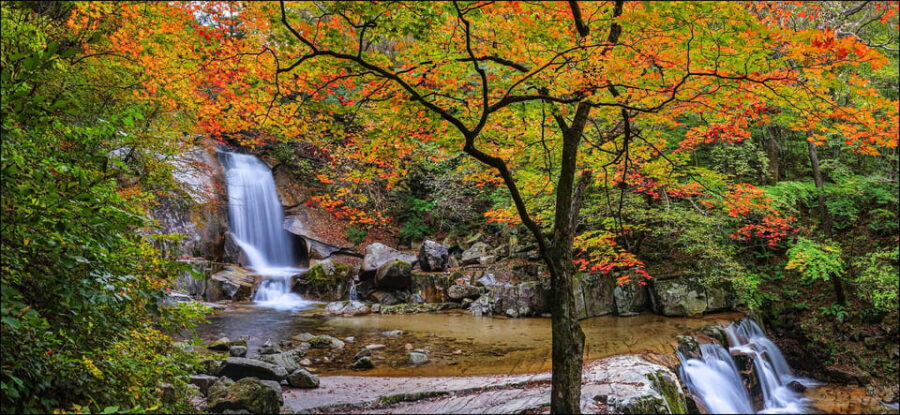
- Gwaneumjeon (the 14-meter bronze Buddha): a huge focal point at Sinheungsa that’s easy to spot and great for photos
- Mount Seorak’s scale: you’re visiting Korea’s third-highest mountain, so the views have weight
- Cable car to Gwongeumseong Fortress: the ride is part of the experience, not just transport
- Guides in English and Chinese: names you might hear include Peter Park and Yami, and they can make the temple visit click
- Autumn timing is weather-dependent: maple colors in October aren’t guaranteed, and strong winds can limit trails
Getting to Seoraksan From Seoul (and why it matters)
Most of the stress of a day trip like this is the getting-there part. Here, the value is that you’re handed round-trip air-conditioned transportation plus a guide and key tickets, so you’re not negotiating bus schedules or trying to find cable car stations mid-morning with sore feet.
Your pickup and drop-off depend on the option you booked, and the meeting point can vary. Either way, the tour ends back where you started—handy if you’re staying in Seoul and don’t want to coordinate onward plans at the end of a long day.
Two practical tips from how these days tend to run:
- Eat breakfast before you start. This tour is built around multiple stops, and there’s no food included.
- Be ready for a group pace. If traffic is heavy or conditions change, you may end up with less time on the mountain paths than you hoped. One review described a rushed day due to Seoul traffic, and that’s exactly the kind of scenario you should plan around.
You can also read our reviews of more tours and experiences in Seoul.
Sinheungsa Temple: the 14m Gwaneumjeon Buddha you came for
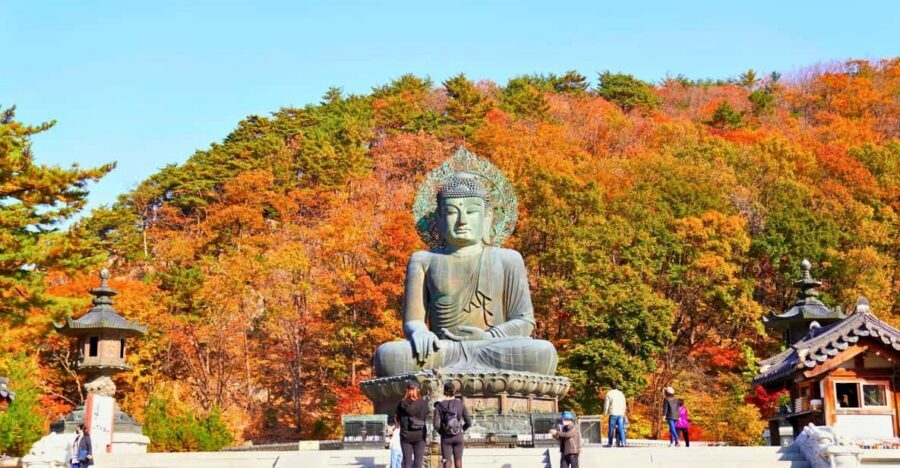
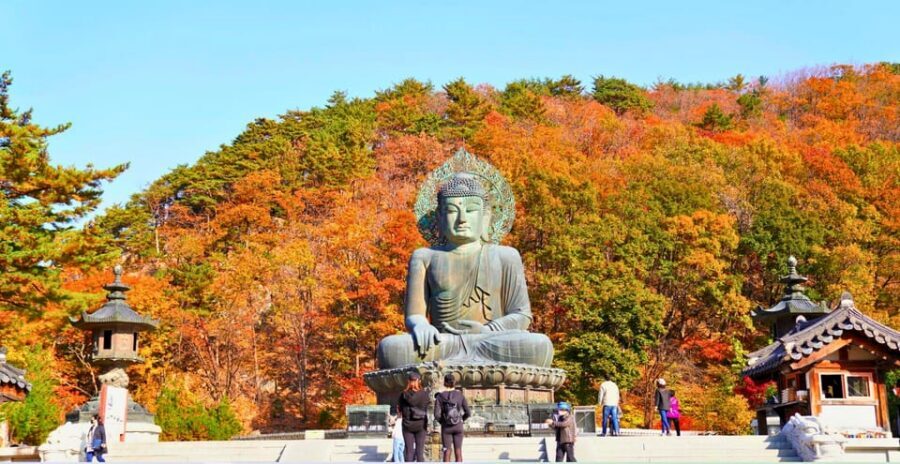
Sinheungsa Temple is the spiritual anchor of the outing. You’ll start at the park area and then focus on the temple grounds, where the headline sight is the Gwaneumjeon, a colossal bronze Buddha statue measuring about 14 meters tall.
What I like about this stop is how visual it is. Even if you don’t know temple vocabulary, you’ll quickly understand why this statue is such a landmark. The scale is the point: when something this large is in front of you, it changes your sense of time. You also get that pleasant contrast of materials—bronze, stone, and the surrounding trees—so the photos don’t look like random snapshots.
This temple visit also comes with context from a guide. You’re told that the landmark Buddha dates back to the era of Queen Jindeok. That detail matters because it turns the statue from a standalone attraction into part of a longer story about Buddhism, rule-making, and how people used mountain sites for ceremony and refuge.
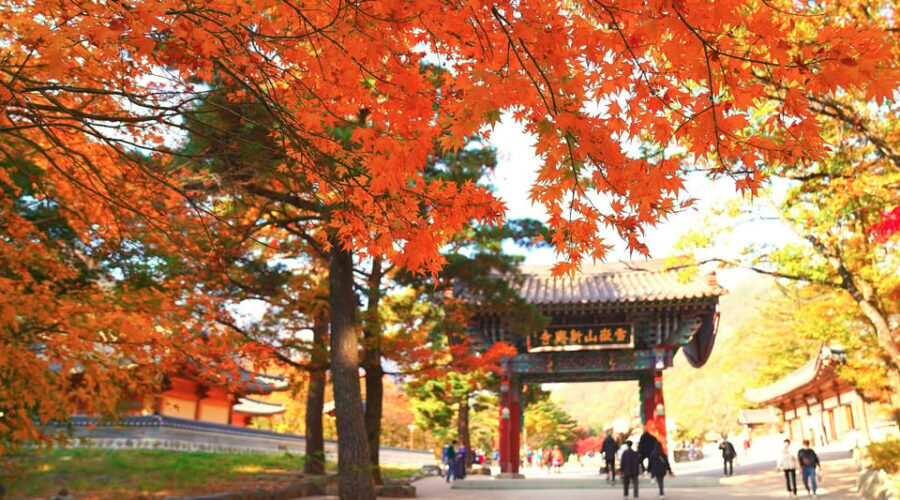
As you wander around, you’ll notice the setting is made for autumn viewing. You’re specifically looking at the temple surrounded by pine and maple trees, so the colors often frame the statue instead of competing with it.
A small drawback to watch for: if winds are strong, parts of the wider park trails may be affected. Even then, the temple area can still be worth it, but your day’s hiking portion may change.
Cable car up to Gwongeumseong Fortress: the views are the schedule
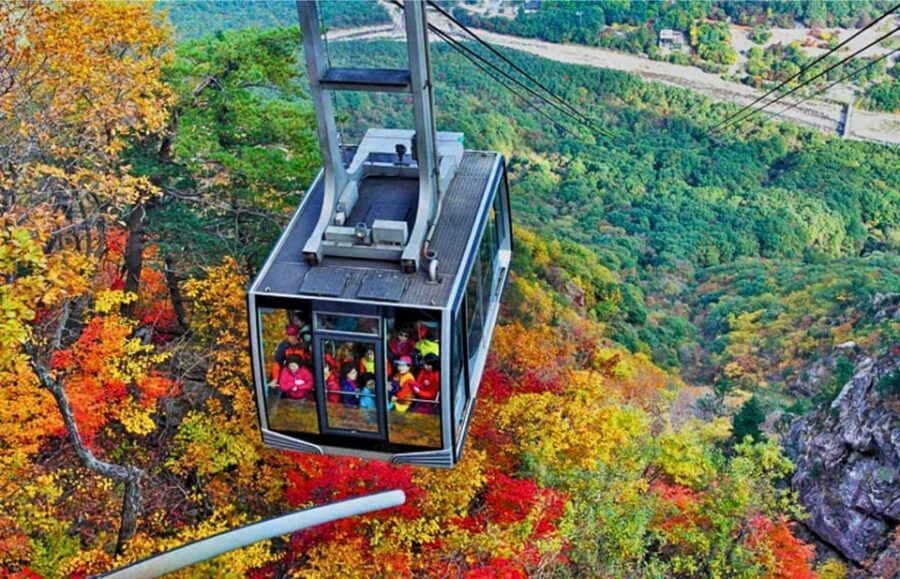
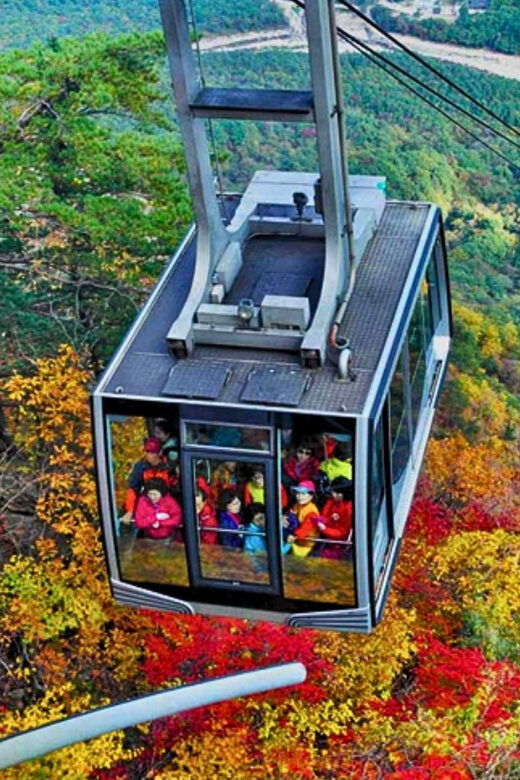
After the temple, you’ll ride the cable car up toward Gwongeumseong Fortress. This is one of those experiences where the ride itself does real work. The cable car gives you elevated perspectives of the mountain area without forcing you to gain all that height on foot.
For many people, that’s the sweet spot: you get the drama of height and distance, but you don’t arrive at the fortress entrance already exhausted. It’s a smart balance, especially if you’re traveling from Seoul and you want a full day without turning it into a training hike.
What you should do in practice:
- Plan to take slow moments during the ride and at the top, not just quick photos.
- Keep your outer layer ready. Mountain weather can shift fast, and wind can be a factor. One review noted that strong winds led to closures of hiking trails—again, not anyone’s fault, just reality up there.
So if your goal is autumn scenery plus a comfortable route up, the cable car is a major reason this tour feels worth it.
Mount Seorak in autumn: October color, plus the reality check
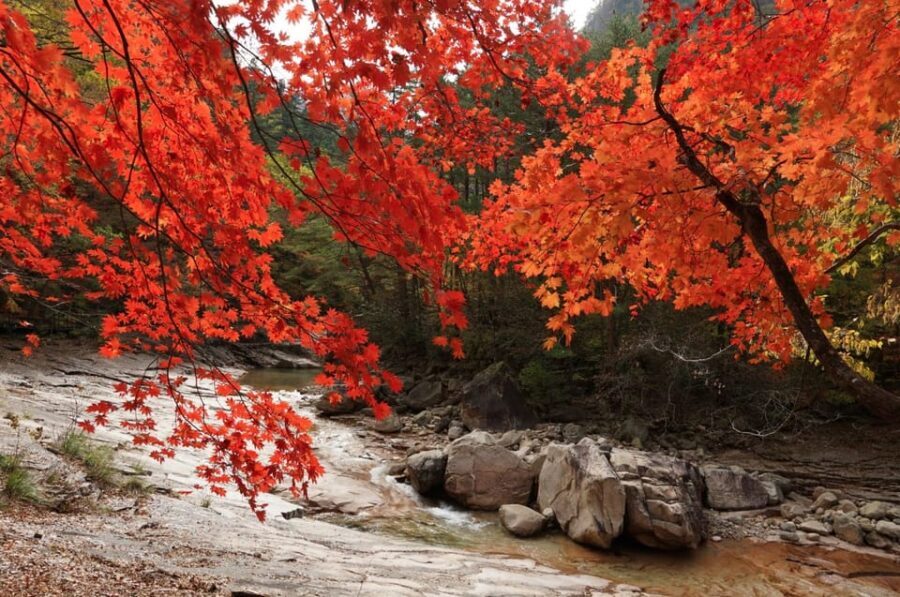
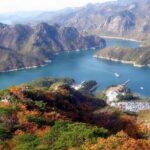
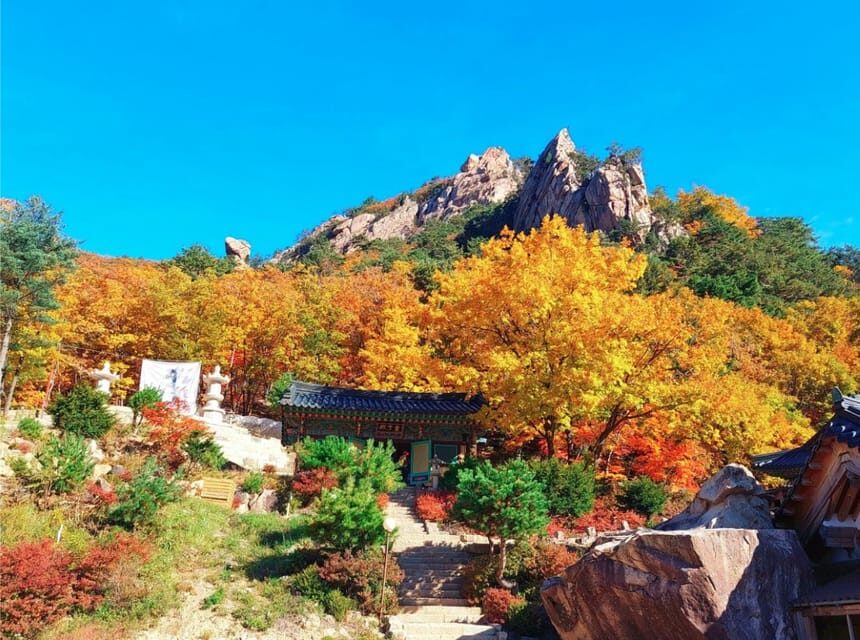
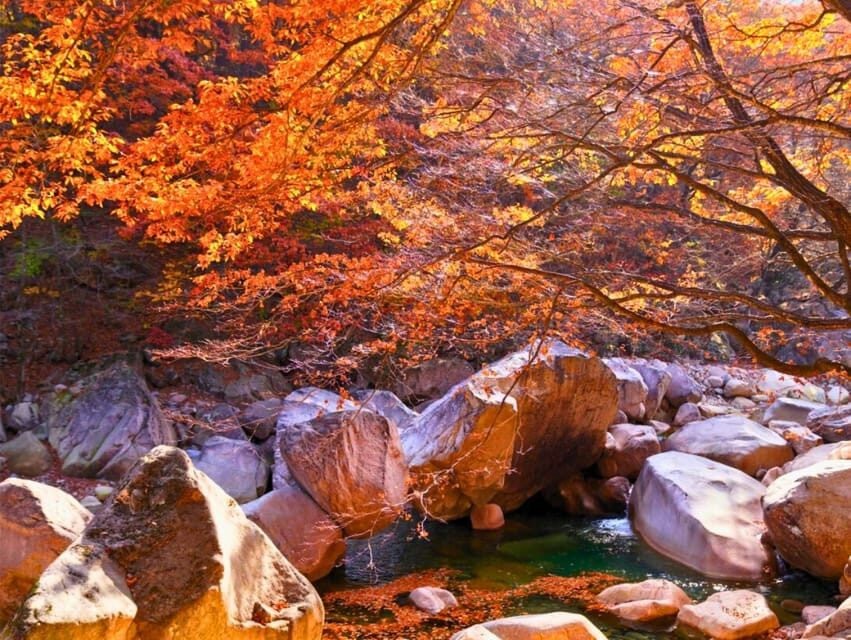
Seoraksan National Park is known for big seasonal scenery, and this trip is timed around autumn. The key point is that maple leaves change color around October, and you’ll see the park’s transformation framed by temple trees and mountain views.
But here’s the honest part: the autumn period is adjusted based on weather conditions, and the maple-leaf situation is not guaranteed. That means you’re booking a chance at autumn, not a contract for perfect leaf-peeping.
What still makes it worthwhile even if the colors aren’t at peak:
- Seorak’s scale doesn’t disappear. Even on a less-perfect color day, the mountain form and the viewpoints still land.
- The temple visit stays meaningful in any season. The statue and the guided context aren’t dependent on peak foliage.
If you’re sensitive to weather, bring a flexible mindset. If winds are strong, some trails may be closed, and your hiking options can shrink. You’ll still likely see plenty from the temple area and cable car viewpoints, but expect less wandering if conditions are rough.
Price and value: is $67 a good deal?
At about $67 per person, this tour can be good value if you want a hassle-free day with core costs already handled.
Here’s what you’re typically paying for:
- Round-trip air-conditioned transportation
- A professional guide fluent in English and Chinese
- Admission fees
- The Seoraksan cable car ticket
- (If you booked the private option) hotel pickup and drop-off
What’s not included is food and beverage, plus personal expenses. So you’ll want to budget for snacks or meals on your own, especially if you’ll be outdoors for a good chunk of the day.
Why this price can feel fair: cable car tickets, admission, and guided transportation from Seoul can add up fast if you piece it together alone. Where value can wobble is timing. If your day becomes rushed due to traffic or if hiking trails are closed due to wind, you may feel like you didn’t get as much mountain time as you wanted. The tour is still doing its job—just with conditions beyond anyone’s control.
My advice: treat this as a guided highlights day—temple + cable car + views—with hiking as a bonus, not the guarantee.

What to wear, bring, and do to avoid a rough day
A day on Seoraksan isn’t about fashion, it’s about grip and comfort. You’re told to wear comfortable shoes, and I’d take that seriously. Even if the route is shorter than a full self-guided trek, mountain paths can be uneven, and autumn weather can mean slippery spots.
Bring practical layers:
- It can feel cooler at elevation and during wind.
- If trails close, you’ll still be outdoors near viewpoints, so you want to stay warm enough to enjoy the waiting and photos.
Also, don’t underestimate the timing factor. One review described losing hiking time because the schedule moved earlier than expected. You can’t control traffic, but you can reduce your stress by:
- leaving extra buffer in your day plans back in Seoul
- keeping your energy for the on-site walking you actually get
Who this tour is best for (and who should skip it)
This tour is a strong fit if you:
- Want a guided day from Seoul that covers the key highlights
- Prefer a guided temple visit with explanations (you’ll get that)
- Like autumn views and want a cable car component rather than a purely on-foot climb
- Are comfortable with some flexibility due to weather and traffic
It’s not suitable for wheelchair users, based on the tour details provided.
If you’re traveling with kids, the information notes that non-seat-occupying children under 36 months can join for free with valid IDs. Still, the mountain environment is the main reality check.
Should you book this Seoraksan cable car + Sinheungsa tour?
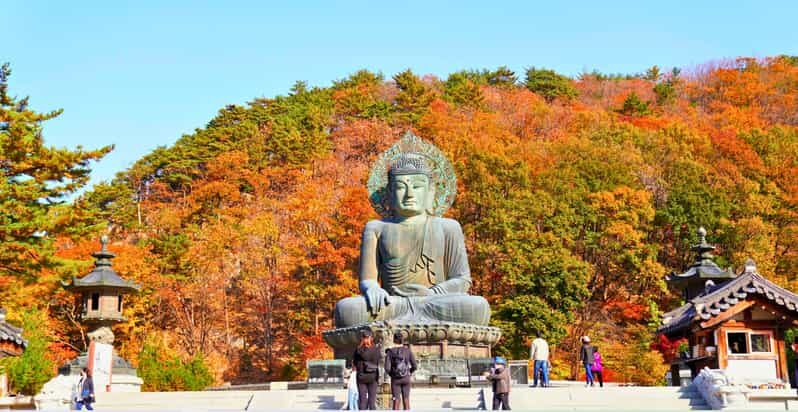
If your goal is a guided highlights day with Sinheungsa’s 14-meter bronze Buddha and a cable car ride for sweeping views, I think this is worth considering. The biggest strength is that the guide makes the temple stop more than a photo op—names like Peter Park and Yami show up in positive experiences, and that’s exactly what you want from a day-trip guide.
But book with the right expectations. Trail time can shrink when conditions are tough, and strong winds can lead to closures. Also, because you’re traveling from Seoul and the day involves roads, traffic can affect the pace.
My call: book if you’re flexible, you want a structured day, and you’ll enjoy the views even if you don’t get the longest hiking window. Skip if your top priority is a specific hiking length or you’re going only for peak autumn leaves.
FAQ
What is included in the $67 per person price?
The tour includes round-trip air-conditioned transportation, a professional tour guide fluent in English and Chinese, admission fees, the Seoraksan cable car ticket, and hotel pick-up/drop-off if you selected the private option.
Is food included on this tour?
No. Food and beverage are not included, so you’ll need to plan your own meals or snacks.
Do I need a breakfast before starting?
Yes. You’re advised to eat breakfast before the activity begins.
What should I bring?
Wear comfortable shoes, and plan to dress for outdoor mountain weather.
Which cable car ride is included?
The tour includes a Seoraksan cable car ticket, used to reach Gwongeumseong Fortress.
What language is the guide?
Guides are provided in English, Chinese, and Korean.
Is the tour suitable for wheelchair users?
No, the tour is not suitable for wheelchair users.
How many people are required for this tour to run?
A minimum of 6 people are required. If the minimum isn’t met, the tour may be canceled and you’ll be notified by email 1 day prior to departure.
What happens if the tour is canceled due to force majeure or unforeseen events?
If that happens, the provider may cancel the tour. You’ll be offered a reschedule or a full refund.
Can I cancel for a full refund?
Yes. You can cancel up to 24 hours in advance for a full refund.