REVIEW · SEOUL
Spiritual Adventure: Into Inwangsan and Korean Shamanism
Book on GetYourGuide →Operated by Ethan Kim · Bookable on GetYourGuide
Seoul has a live shaman path. I love how this tour makes Korean shamanism feel practical and human, not just folklore, with real shrines, real offerings, and a guide who explains the symbolism clearly. You also get standout photo moments on the slopes of Inwangsan, plus the chance to add your own wish or prayer charm at the shrine.
Two things I especially like: the storytelling from English guide Ethan Kim, and the respectful, personal style of the shaman’s consultation, which can include a live fortune reading. It’s a small-group feel, so you’re not stuck listening from the back while everyone else gets the attention.
One consideration: it’s a moderate uphill walk and a spiritual experience, so if you want a purely casual sightseeing stroll (or you’re sensitive to intense religious themes), plan for a slower pace and bring a respectful, open mindset.
In This Review
- Key highlights you will remember
- Why Inwangsan Feels Different in Seoul
- Meet Ethan Kim and Get Your Head Ready
- Walking Up Inwangsan: Forest Shrines, Offerings, and Stories
- Guksadang Shrine: What You See, What It Means
- The Climax: Live Divination or a Spiritual Consultation
- Your Wish or Prayer Charm: More Than a Souvenir
- Photo Spots and Sunset Mood on the Mountain
- Timing, Walking Pace, and What to Bring
- Price and Value: Why About $27 Can Make Sense
- Who This Tour Is For (and Who Might Want to Skip It)
- Should You Book This Spiritual Adventure?
- FAQ
- How long is the tour?
- Where do I meet the guide?
- Is the shaman reading included?
- How much walking is involved?
- What should I bring?
- What language is the tour in?
- Is the wish or prayer charm included?
- Who should not book this experience?
- Are food or drinks included?
Key highlights you will remember
- Inwangsan’s spiritual vibe inside the city, with shrine stops you won’t spot on your own
- Ethan Kim’s English storytelling, including help with questions and interpretation
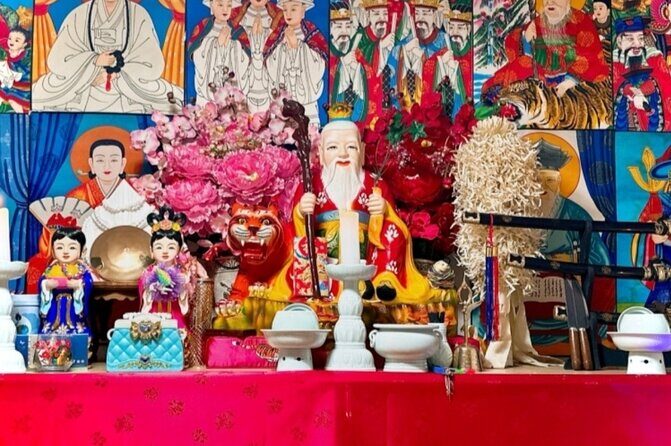
- Guksadang Shrine and the meaning of gut rituals you can actually see described in context
- A live divination session or spiritual consultation with a real Korean shaman (optional)
- Wish/prayer charm writing to take home or leave at the shrine
- Camera-ready views plus forest-path atmosphere all the way up
Why Inwangsan Feels Different in Seoul
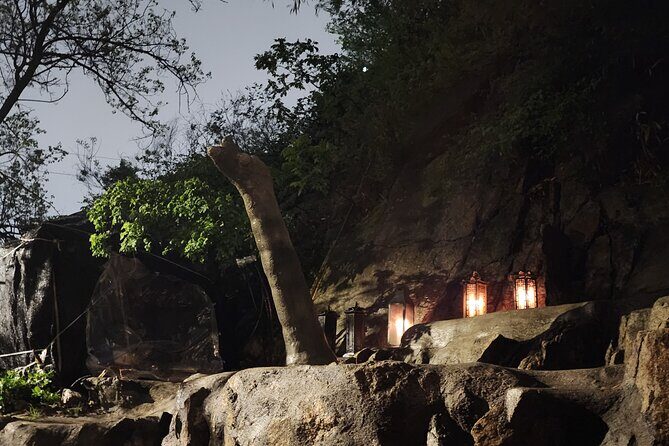
Inwangsan is one of those rare places where Seoul’s skyline still can’t fully drown out older layers of belief. The mountain is treated as sacred, and that matters because the tour isn’t just about points on a map. It’s about why people return to the same spots again and again—especially places like Guksadang, where shamanism’s public face becomes very real.
What makes this experience interesting is the way the walk ties nature and daily life together. Korean shamanism is strongly tied to the idea that spirits, fate, and well-being aren’t separate from ordinary routines. When you see offerings in the right places—candles, rice, alcohol, and written prayers—it starts to click as a system of meaning, not a random ritual show.
You can also expect a “guided meaning” approach. Your guide will explain symbolic items and what they’re meant to do, so the experience stays grounded. That’s a big deal if you’re curious but worried you might miss the context.
You can also read our reviews of more tours and experiences in Seoul.

Meet Ethan Kim and Get Your Head Ready
This tour runs with an English-speaking guide, and Ethan Kim is specifically mentioned as a standout for being patient and helpful. I like that style because shamanism can raise questions fast—especially the tricky ones. You’re not just handed a script. You’re encouraged to ask, and interpretation helps if you’re not familiar with the cultural references.
Small-group energy is part of the value here. When the group is not huge, your guide can slow down for explanations and check whether you’re comfortable with the next stop. That also helps for the shaman segment, where a calm, respectful tone is essential.
Come with an open mind. That doesn’t mean you have to believe everything you hear. It means you should let the tradition make sense in its own terms while you watch what’s happening. You’ll get more out of it if you treat it like cultural contact, not a performance to score.
Walking Up Inwangsan: Forest Shrines, Offerings, and Stories
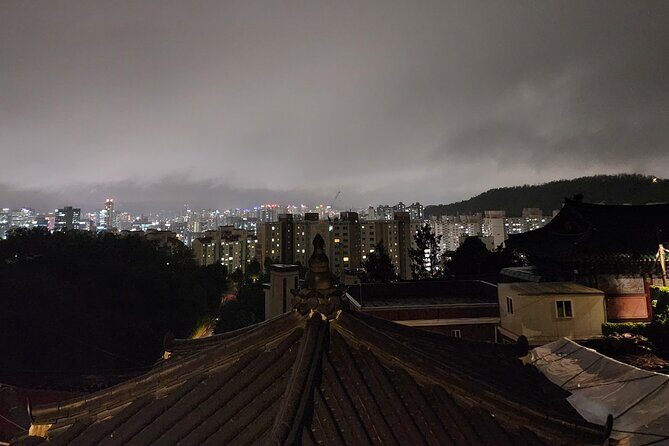
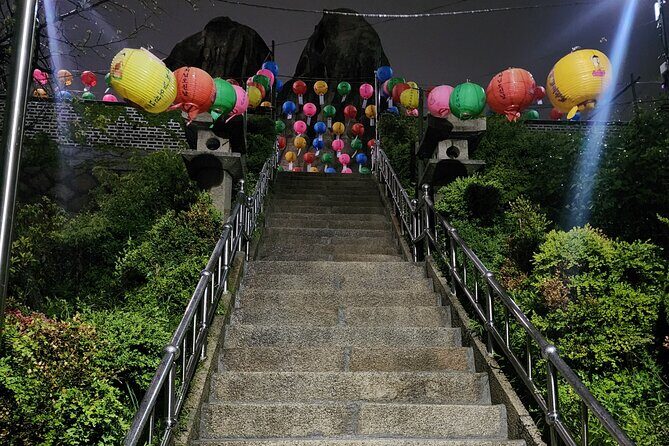
You start at one of the meeting options, including the area near Dongnimmun Station (Exit 3), and then you begin moving toward Inwangsan’s shaman-connected areas. The walk includes a mix of hiking and guided stops, so you get both the physical experience and the interpretive layer. Plan for comfortable shoes and a little uphill effort, especially if you go when the path is damp or it’s cooler outside.
Along the way, you’ll get photo stops and viewpoints on the way up. But the camera moments are not random. They’re timed to the route’s rhythm—when the scenery opens up and when the shrine settings create that quiet, otherworldly contrast with Seoul around you.
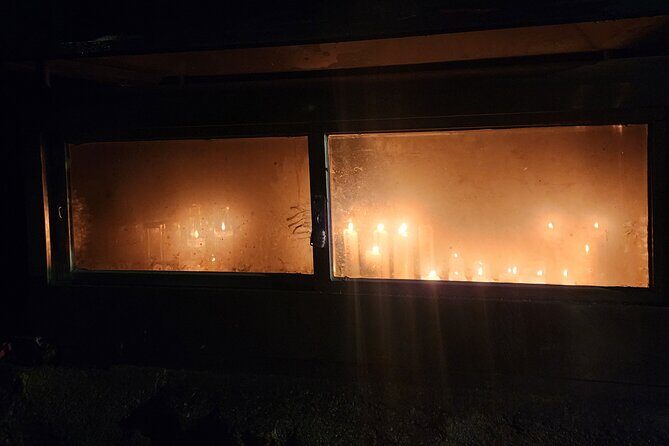
You’ll also see smaller shrines and ritual sites tucked into the landscape. The tour focuses on offerings left by local shamans and villagers—things like candles, rice, alcohol, and written prayers—and then explains what those offerings symbolize. This is where the tour becomes more than walking. You start understanding the logic of an animistic worldview, where nature and spirits are linked rather than separate.
One practical tip: expect the tour to be active but not extreme. The experience is often described as good exercise with limited strain for many participants, around an hour and a half for the hiking portion depending on pacing and conditions. Still, if you’re used to flat city walking only, bring an attitude of slow steps and stop as needed.
Guksadang Shrine: What You See, What It Means
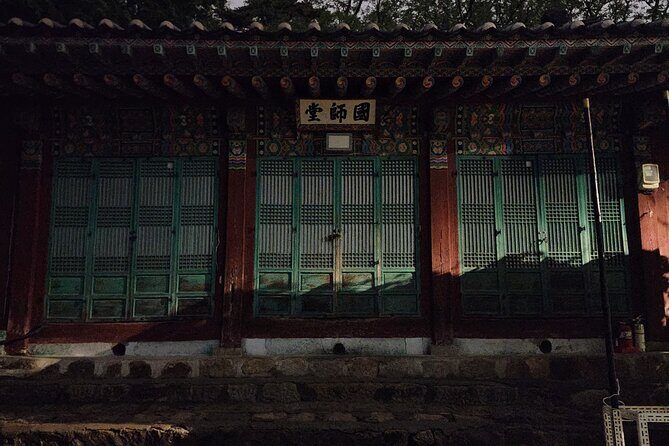
Eventually, you reach the key stop: Guksadang, described as the most iconic shamanic shrine in Seoul. This is where the tour’s cultural explanation gets sharper. You pause for a storytelling session that covers the shrine’s turbulent history and the resistance spirit embedded in Korean shamanism.
That “resistance” angle matters, because it helps explain why shamanism survived periods of pressure and modernization. The tradition didn’t only exist as private belief. It also carried social meaning, and that’s part of what makes Guksadang feel more than scenic.
At this stage, you’ll hear about gut rituals, which are shamanic ceremonies, and about the role of a mudang (a shaman) as a spiritual mediator. The guide will also discuss the ritual tools you might see referenced in ceremony contexts, such as swords, bells, and fans.
Here’s what to watch for as you stand there: it’s not about spotting props as decorations. It’s about recognizing how each item supports the ritual’s purpose—calling attention, signaling spiritual presence, and creating structure for the consultation. If you stay attentive to the guide’s translation of symbolism, the shrine stops feeling like a stage and starts feeling like a lived tradition.
The Climax: Live Divination or a Spiritual Consultation
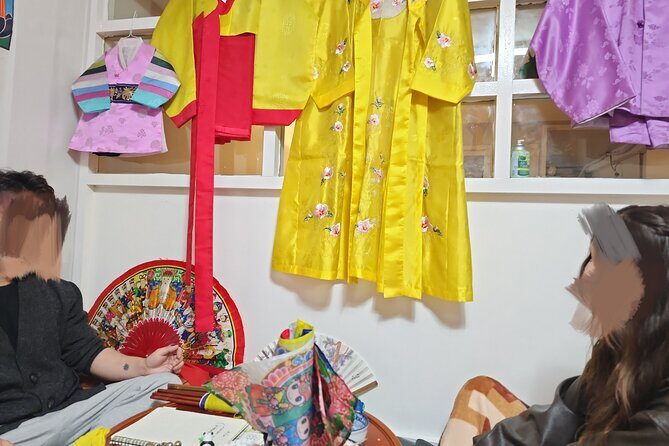
The highlight for many people is the chance to meet a real Korean shaman. This part can be set up as a live divination session or spiritual consultation, often described as with interpretation so you can actually follow what’s being said. Because it’s personal, the experience depends on the shaman and the flow of the session, but the intention stays consistent: guidance about health, career, family, and fate.
What I think makes this section powerful is the tone. It’s framed as respectful spiritual contact, not a shock-and-awe stunt. One review-style note you’ll want to consider: people sometimes report that the reading feels different from typical divination styles they’ve seen in Europe, with a focus on energy and connection. So if your mindset is very literal, you may need to adjust expectations slightly and let the consultation work on its own terms.
If you’re nervous, you’re not alone. The best move is to prepare one or two clear questions in advance. Keep them simple: wellbeing, work direction, relationships, or general guidance. Then listen for what resonates rather than trying to decode everything word-for-word.
Also, go in with courtesy. This tradition includes ongoing practices and symbolic spaces, so treat the moment like you’re entering someone else’s sacred work. That mindset tends to lead to a calmer, more meaningful exchange.




Your Wish or Prayer Charm: More Than a Souvenir
Near the shrine stops, you’ll write your own wish or prayer charm. This is one of the most practical and memorable parts because it gives you an action step, not just observation. You may be able to take the charm home or leave it at the shrine area, depending on how the session is handled.
I like this because it changes how the tour sticks in your memory. Instead of leaving with photos only, you leave with a personal note tied to the place. It also helps you focus during the shamanic portion, since your intention is already set.
From a travel value angle, this is low cost and high meaning. You get an object connected to the experience, plus the feeling that you participated rather than just watched.
For the best results, write something short and sincere. If you try to translate deep thoughts into a complicated sentence, you may get stuck. Keep it simple. The goal is intention, not literary quality.
Photo Spots and Sunset Mood on the Mountain
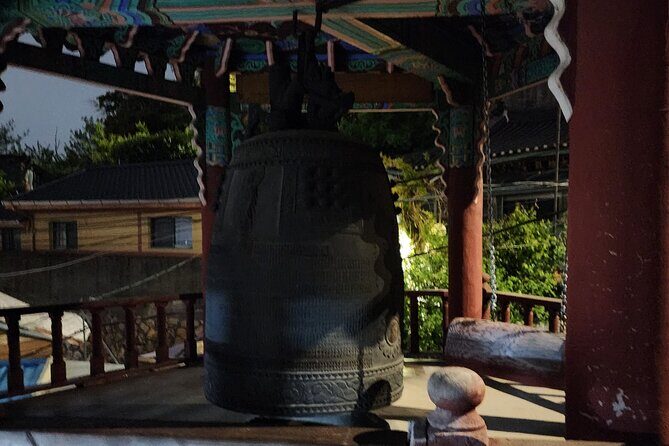
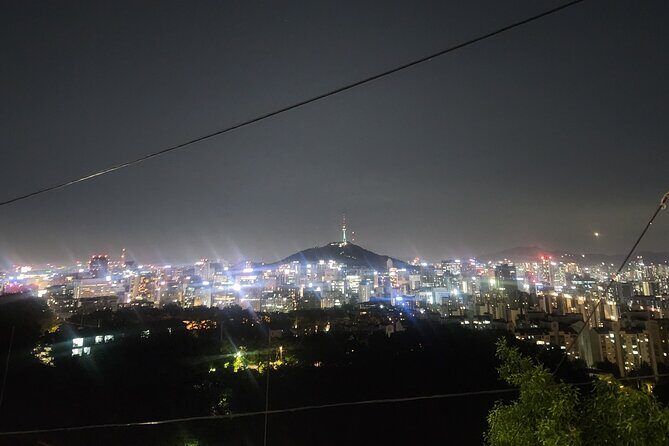
Inwangsan offers photo opportunities that feel different from standard Seoul viewpoints because you’re surrounded by shrine settings and forest atmosphere. The tour includes scenic stops while you hike, plus opportunities around the main shrine area.
If you care about photos, come ready to shoot in mixed light. You may start in daylight and end closer to sunset depending on timing and weather, and the forest creates a cooler, softer look than the city streets. If you bring a light jacket or umbrella, you’ll also stay comfortable enough to linger for a better shot.
That said, don’t treat photos as a distraction from the spiritual stops. The tour works best when you pause, look, and let the meaning land. Your best images will come after you’ve listened to what the guide is explaining.
Timing, Walking Pace, and What to Bring
This is typically around 2.5 hours, though the overall duration can vary from about 30 to 150 minutes depending on how the experience is scheduled. You should think of it as a hike-plus-interpretation tour rather than a long trekking day.
The walking is described as moderate with a slight uphill feel. Comfortable shoes are the key item, especially if you plan to stay upright on uneven ground. If weather is changing, a light jacket or umbrella can save your comfort level and keep you from cutting the experience short.
Also keep in mind what the experience doesn’t allow: smoking, littering, making fire, bikes, and oversized luggage. Pets are not allowed, and the tour is not suitable for certain physical or sensory needs, including mobility impairments and wheelchair users, plus hearing-impaired people and people with respiratory issues. If any of those apply, it’s worth choosing a different style of Seoul tour.
Finally, transportation is part of the deal: an air-conditioned vehicle is included after the hiking portion. That’s a small line item that really matters when you’re done walking and want to cool down fast.
Price and Value: Why About $27 Can Make Sense
At around $27 per person, you’re paying for more than a guide telling stories. You’re paying for access to specific sacred spots on Inwangsan, an English-language cultural interpretation approach, and the option to include a meeting with a real shaman and a live reading or consultation.
Think about what this replaces:
- A normal museum-style cultural talk, where you only hear information
- Separate searches for shaman-related shrines and context
- A standard hike with no cultural grounding
Here, the value is the combination: guided meaning + sacred locations + potential direct consultation + a wish charm activity. Even if you skip the shaman reading option, the walk and shrine storytelling are still the core experience.
Is it worth it if you’re purely a “checklist traveler”? Maybe not. But if you like cultural contact and you want Seoul that feels less photographed and more lived-in, it’s a very fair price point.
Who This Tour Is For (and Who Might Want to Skip It)
This tour fits best if you want one of these:
- Cultural history told through living practice, not just textbooks
- A moderate hike with meaning and stops, not a long workout
- Spiritual curiosity with real-world context
- A guided experience that helps you ask better questions in English
It’s also a great fit for people who enjoy storytelling. The guide style is frequently described as engaging and patient, and that helps when you’re trying to understand things like gut rituals, mudang roles, and symbolic ritual items.
But skip it if you:
- Need wheelchair access or have mobility limitations, since the tour involves walking and is not suitable for wheelchair users
- Have hearing or respiratory constraints, since it’s not marked as suitable for hearing-impaired people or those with respiratory issues
- Are traveling with a baby under 1 year, since that age range is not suitable
Should You Book This Spiritual Adventure?
I’d book it if you’re the type of traveler who likes to see a place from the inside, not just from the sidewalk. The combination of Inwangsan’s sacred atmosphere, Guksadang’s historical and spiritual weight, and the option for a live shaman consultation is exactly the kind of experience that makes Seoul feel bigger than the usual route.
But book with the right expectations. This isn’t a jump-scare haunted-house vibe. It’s closer to a guided cultural meeting: you walk, you listen, you learn the symbolism, and if you choose, you sit for guidance.
If you can handle a moderate uphill walk and you’re willing to approach shamanism with respect, this is one of the most meaningful ways to spend a couple of hours in Seoul.
FAQ
How long is the tour?
It typically lasts about 2.5 hours, though the duration can be listed from around 30 to 150 minutes depending on the start time and setup.
Where do I meet the guide?
Meeting points can vary by the option you book. One listed option is near Dongnimmun Station (Exit 3), and other meeting points are also shown.
Is the shaman reading included?
A meeting with a real shaman and a live ritual or fortune reading are listed as optional, with interpretation. You can choose whether to include that part.
How much walking is involved?
The tour includes moderate walking with a slight uphill climb. Comfortable shoes are strongly recommended.
What should I bring?
Bring comfortable shoes. A light jacket or umbrella may be helpful depending on weather.
What language is the tour in?
The tour guide speaks English.
Is the wish or prayer charm included?
Yes. You’ll write your own wish or prayer charm during the experience.
Who should not book this experience?
It is not suitable for wheelchair users or people with mobility impairments, hearing-impaired people, people with respiratory issues, and babies under 1 year.
Are food or drinks included?
Food or drinks are not listed as included unless explicitly mentioned, so plan to handle meals outside the tour.