REVIEW · SEOUL
From Seoul: 5-Day Tour of Korea with UNESCO Sites
Book on GetYourGuide →Operated by US TRAVEL KR · Bookable on GetYourGuide
A trip like this moves fast, but it hits the good stuff. You’ll connect UNESCO sites across Gongju, Jeonju, and Gyeongju, then layer in food and sea views in Busan plus Joseon-era culture in AndongHahoe Village. I especially like the mix of major heritage stops and very real, everyday moments, like eating your way through Jagalchi Fish Market and walking by Haeundae Beach. One watch-out: it’s a packed schedule, and Mt. Seorak can be restricted or skipped in October, plus some hotel room locations can vary.
The biggest reason this route works is the on-the-ground guidance. People have praised guides such as Justin and Mr. Kim for keeping things on track even when travel conditions get messy. You also start and finish in Seoul at Gwanghwamun, which makes the whole trip feel anchored instead of scattered.
If you prefer a slow pace with lots of free time in each city, this may feel like too much. And if your top priority is comfort first, you should be aware that hotel room category can matter more than you’d expect, even when the hotel brand is the same.
In This Review
- Key Points You’ll Actually Care About
- UNESCO Sites Across Korea: What You’re Really Getting
- Starting in Seoul at Gwanghwamun: The Fast-Start Advantage
- Day 1: Gongju Tomb and Fortress Views, Then Jeonju Hanok Nights
- Day 2: Gwangju’s Modern History, Suncheon Gardens, and Yeosu’s Admiral Yi Path
- Day 3: Jinjuseong Fortress, Jagalchi Seafood, and Busan’s Sea Views
- Day 4: Seokguram Grotto and Bulguksa, Plus AndongHahoe Village’s Living Culture
- Day 5: Mt. Seorak National Park, Biosphere Views, and the Cable-Car Option
- Hotels and Pace: Comfort vs. Location vs. Time
- Price and Value at $999 Per Person: What You Pay For
- Practical Tips That Make This Tour Easier
- Who This Tour Suits Best
- Should You Book This Tour?
- FAQ
- Where do I meet the guide in Seoul?
- What’s included in the tour price?
- Is lunch or dinner included?
- What language is the guide?
- How does the October Mt. Seorak schedule work?
- What should I bring?
- Is there a refund if I cancel?
Key Points You’ll Actually Care About
- UNESCO coverage across multiple regions instead of just one city or one theme
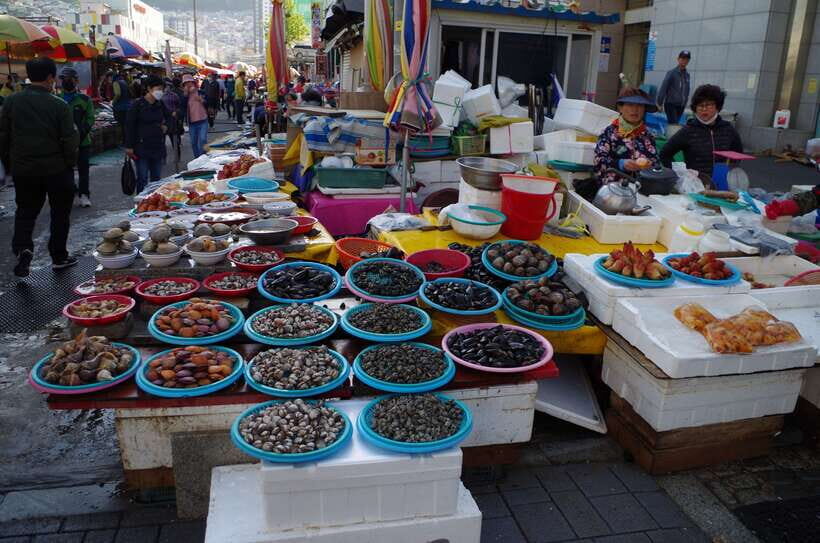
- Busan seafood + coastal walk with Jagalchi Fish Market, Haeundae Beach, and Dongbaek Park
- Joseon-era architecture on a living site at AndongHahoe Village
- Mt. Seorak timing is weather-sensitive, especially in October when access can change
- Guide quality is part of the value, with English support and active route management
- Hotels are included for 4 nights, but room location/category can vary
UNESCO Sites Across Korea: What You’re Really Getting
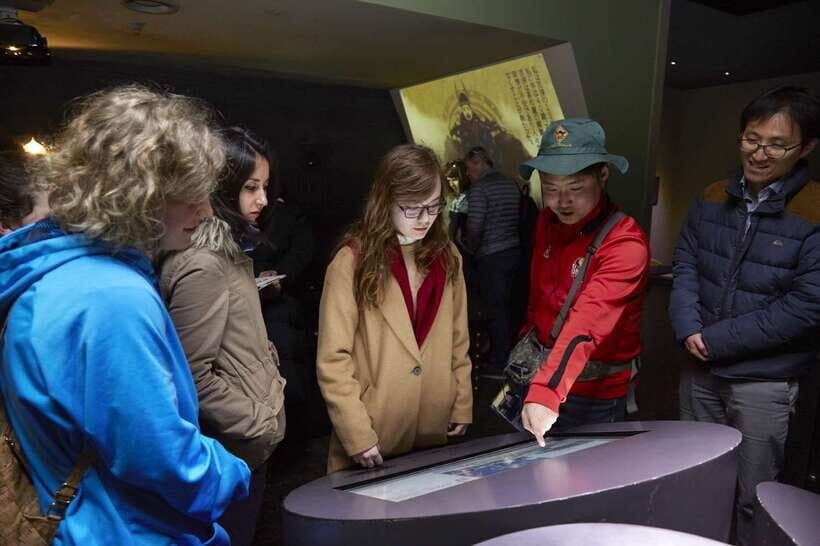
This tour is built around UNESCO World Heritage locations, but it’s not just stamp-collecting. The route ties together why these places mattered: kingdoms rose and fell in the south-central corridor, coastal defenses and maritime history shaped livelihoods, and later architecture and village life show what daily culture looked like.
You’ll visit major heritage sites in Gongju (including the Tomb of King Muryeong and Gongsanseong Fortress), then shift to the Jeolla area with Jeonju’s Hanok Village area as your base. Later you’ll reach Gyeongju, where you get UNESCO’s Seokguram Grotto and Bulguksa Temple. Then comes AndongHahoe Village, a living snapshot of Joseon Dynasty housing and culture. Finally, you top it off with Mt. Seorak National Park, within a UNESCO Biosphere Preservation District.
If you like history, you’ll get plenty to read and see. If you don’t, you’ll still enjoy the physical payoff: fortresses with big views, temples on dramatic terrain, and villages where the architecture feels human-scaled.
You can also read our reviews of more tours and experiences in Seoul.
Starting in Seoul at Gwanghwamun: The Fast-Start Advantage
You meet your guide at the Donghwa Duty Free Shop Building at Gwanghwamun Intersection. The guide holds a K-shuttle signboard, and you’ll use Metro Gwanghwamun Station exit 6. This is a smart meeting point because you’re in one of Seoul’s easiest areas to navigate.
You also avoid an extra headache: the tour does not include hotel pickup or drop-off from Seoul. That means you’ll want to plan your Seoul logistics so you can get to Gwanghwamun on time without rushing through transfers.
Practical move: arrive early enough to find your exact meeting spot and confirm your group. Once you’re on the bus, you’ll be in full sightseeing mode for days.
Day 1: Gongju Tomb and Fortress Views, Then Jeonju Hanok Nights
Day 1 sends you out of Seoul toward Gongju. The first big UNESCO stop is the Tomb of King Muryeong, a major highlight for anyone who wants to understand Korea’s ancient royal era. You’re not just looking at a building. You’re stepping into a landscape built to last and to communicate power.
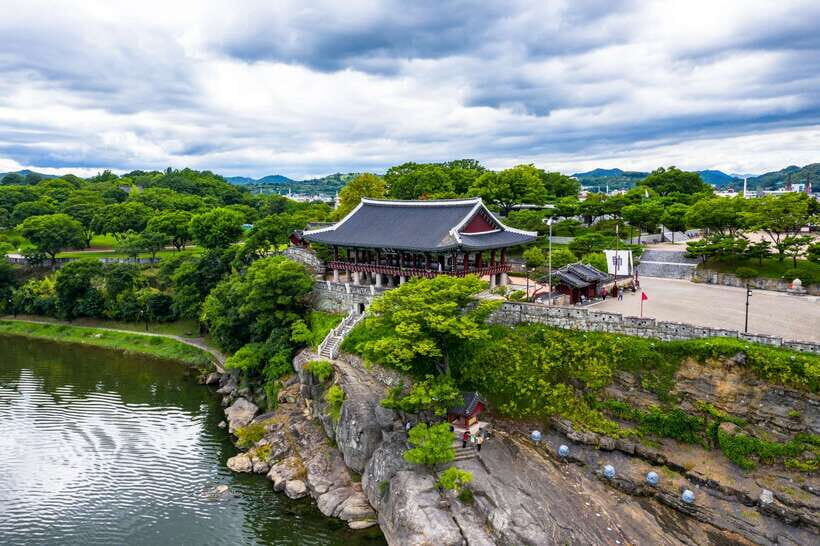
Next comes Gongsanseong Fortress. Fortress architecture in Korea often feels different from what you might expect if you only know European ruins. Here, the setting and the defensive engineering matter. Climbing portions of a fortress means you’ll get perspectives that feel more like strategy than sightseeing.
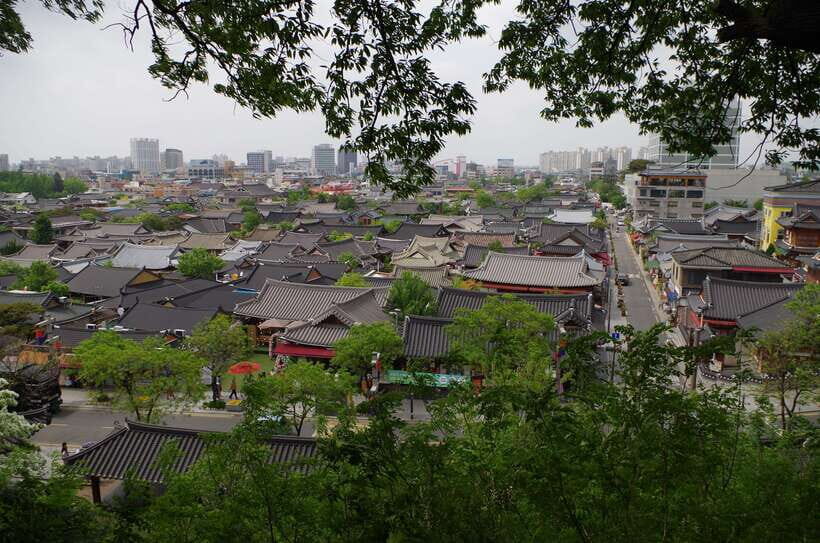
From there, you head to Jeonju, where you check into a hotel close to Jeonju Hanok Village. That matters for your first evening because you can wander without planning a separate trip across town. Even if you don’t go inside museums, Jeonju’s streets are the kind of place you remember.
Tip: wear comfortable shoes on Day 1. Fortress paths and uneven ground can add up fast.
Day 2: Gwangju’s Modern History, Suncheon Gardens, and Yeosu’s Admiral Yi Path
Day 2 moves into a different kind of story: Korea’s modern democratic movement. In Gwangju, you visit the May 18th National Cemetery. This stop is solemn, and it’s the kind of place where you don’t need extra context to feel the weight. I recommend keeping your phone brightness low and giving yourself a few quiet moments before rushing to the next location.
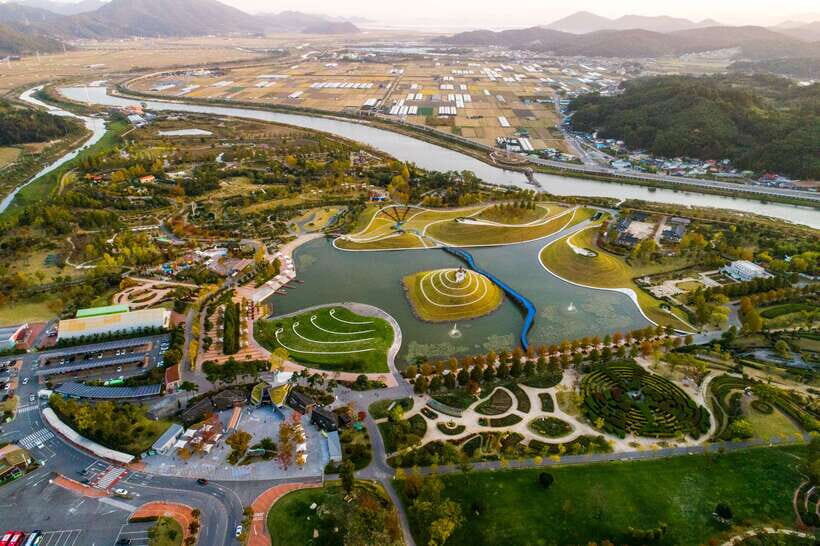
Then the route heads toward Suncheon Bay Garden. Gardens can be tricky on tours because timing matters, and access rules can change. The good news is that the stop is included as a planned highlight, but it’s worth knowing that some periods may affect opening or access. If you’re traveling in the months when garden hours tend to change, it can help to mentally plan for a different experience if that area isn’t at its best.
After Suncheon, you go to Yeosu for the Historic Site of Admiral Yi Sun-sin’s Path. Yeosu’s coastal geography makes Admiral Yi’s story feel grounded. You’re walking with the sea in the background, not just reading history on a page.
End the day in Yeosu with the feeling that you’ve moved from modern civic memory to coastal strategy in one stroke.
Day 3: Jinjuseong Fortress, Jagalchi Seafood, and Busan’s Sea Views
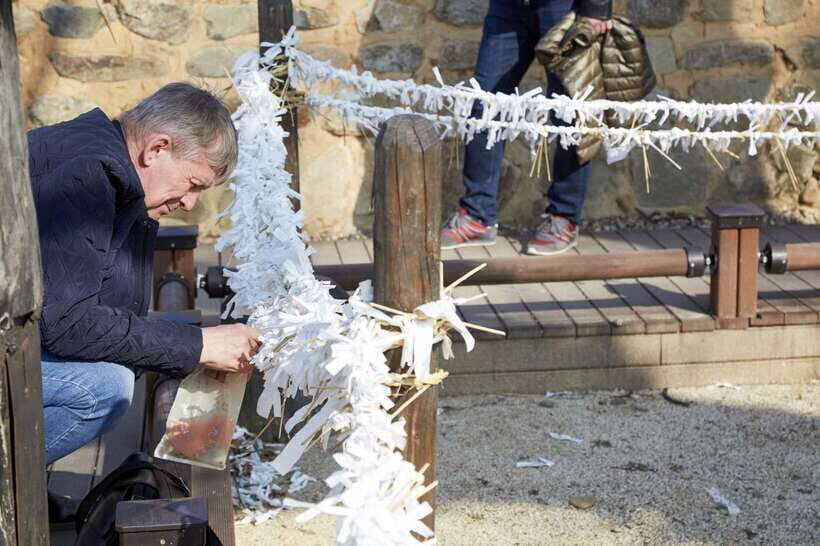
Day 3 is one of the more satisfying days because it mixes defense history, food, and classic coastal sightseeing.
First, you visit Jinjuseong Fortress, including the Chokseoknu edifice. Fortress architecture links directly to why ports mattered. This is the day where you’ll likely feel how Korea’s geography shaped everything: who could land, who could defend, and who could protect sea routes.
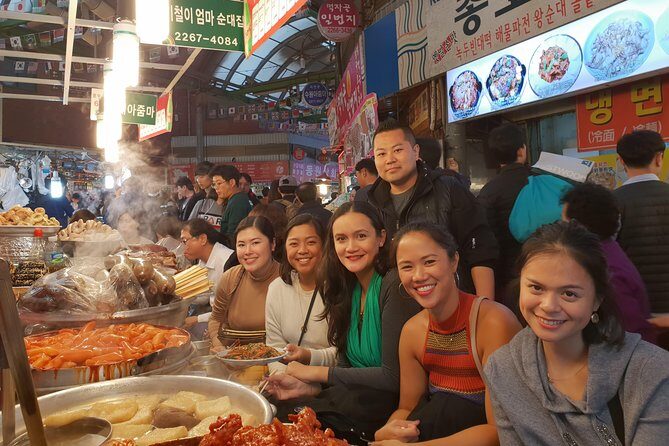
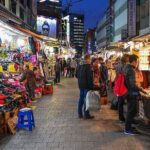
Then you head to Busan, and the energy shifts. You’ll stop at Jagalchi Fish Market, Busan’s largest seafood market. This is the kind of place where you can learn the vibe quickly: you’ll see the work, the display, and the sheer variety. Even if you don’t go for a huge meal, walking the market is part of the experience.
After that, you get the coastal reset: Haeundae Beach and Dongbaek Park. This combo is practical. The beach gives you open space and ocean air. Dongbaek Park adds a bit of walking and scenic viewpoint energy, without needing long hikes.
This is also where the tour’s pace becomes obvious. It’s a full day, so if you get even a little car sick or you’re tired of schedules, bring water and take breaks when you can.


Day 4: Seokguram Grotto and Bulguksa, Plus AndongHahoe Village’s Living Culture
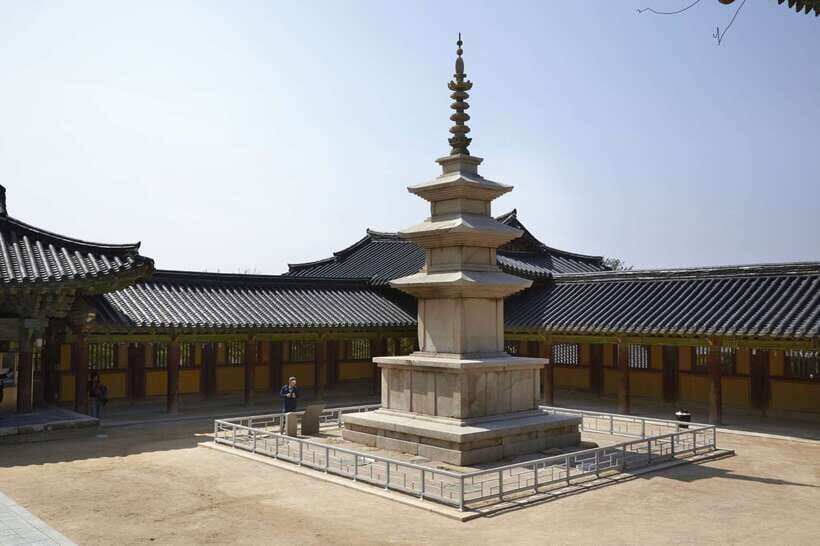
Day 4 is UNESCO day in a big way. You start in Gyeongju with Seokguram Grotto and then go to Bulguksa Temple.
Seokguram Grotto is the sort of stop that makes you slow down. Even though you’ll be following a route with your guide, the setting encourages quiet attention. It’s not just decorative. It’s a whole experience of place and preservation.
Then Bulguksa Temple brings you back to scale. Temples like this help you see how Buddhist heritage in Korea isn’t only an indoor experience. The site layout matters, the approach matters, and the atmosphere matters.
Later, you move to AndongHahoe Folk Village, a UNESCO site connected to Joseon Dynasty architecture and culture. This is one of the tour’s most “human” experiences, because it’s described as a preserved living cultural space. Seeing traditional housing and village layout helps you connect architecture to daily life, not just aesthetics.
One note on logistics: the tour ends the day in Pyeongchang for your next hotel. That means you might arrive a bit later, and your evening time will be more about settling in than exploring.
Day 5: Mt. Seorak National Park, Biosphere Views, and the Cable-Car Option
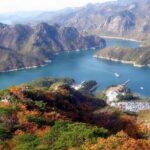
Your final day is for nature, and it comes with the kind of real-world caution that travel plans should always include. Mt. Seorak National Park is UNESCO listed as a Biosphere Preservation District, and you’re set up to enjoy dramatic scenery with valleys and peaks that break through clouds, depending on conditions.
There’s also an optional experience: a cable car to Gwongeumseong Fortress. If it’s available during your dates, it can add a big-view perspective without turning the day into a long hike. The note also connects it to an optional Shinheungsa temple angle, but the key point is that the cable-car portion gives you flexibility.
Here’s the October consideration you should take seriously: Seoraksan could be restricted or skipped in October. The tour information also warns that buses may be restricted for entry, and you must walk 3.6 km from the parking lot to the entrance. If you’re not up for that distance, you’ll want to plan your expectations for October travel.
You’ll end with a transfer back to Seoul, with arrival at Gwanghwamun at 17:00.
Hotels and Pace: Comfort vs. Location vs. Time
You get 4 nights hotel accommodation with twin or triple sharing, plus hotel breakfast each morning. Entry tickets for selected attractions and air-conditioned transport are included, which helps avoid the constant “what costs extra” stress.
But there are two practical realities.
First, this is a route-heavy schedule. You’re moving from city to city, with multiple stops per day. That means hotel downtime is limited. You’ll sleep, eat breakfast, and reset your energy.
Second, room category and location can affect how much you enjoy your “home base.” One piece of feedback called out hotels that were fine overall, but with rooms in the least desirable category, like near the road or parking areas. That kind of detail can make the difference between restful sleep and frequent noise checks.
If you’re picky about quiet rooms, request a quieter room category when possible, or at least ask whether the room placement is away from major traffic and parking.
Price and Value at $999 Per Person: What You Pay For
At $999 per person, you’re paying for more than sightseeing. You’re paying for the logistics engine that strings together remote areas with an English-speaking guide, hotel breakfasts, and entry tickets.
Here’s how I interpret the value:
- You get coverage across UNESCO sites in multiple regions without needing to rent cars or self-plan trains and transfers for five days.
- You’re not on your own at key attractions because you have an English-speaking guide handling the route.
- Transport is included, and air-conditioned vehicles matter in Korea’s seasonal temperature swings.
- Hotels are included for four nights, so you’re buying “time saved” as much as rooms.
What you don’t get is food beyond breakfast. Lunch and dinner are not included, so you’ll be paying separately throughout. That’s normal for tours like this, but it affects total cost. If you plan to eat mostly casual meals and street food, you’ll likely be okay. If you want sit-down restaurants each night, budget for that.
Also, travel insurance isn’t included. That’s a personal decision, but for a long multi-city route, I’d rather have it than regret it.
Practical Tips That Make This Tour Easier
These are the details that reduce stress more than you might expect.
Bring comfortable shoes. You’ll deal with fortress paths, temple grounds, and potentially long walks in Seoraksan conditions. If your shoes are only okay for city streets, upgrade your plan.
Prepare enough KRW before departure. The tour info says it may be hard to exchange currency during the trip. This matters because it changes how you handle spontaneous purchases, like snacks, small souvenirs, or drinks at markets.
Expect vehicle size to vary. The tour note says the vehicle size is subject to change based on group size. That usually doesn’t ruin anything, but it can influence comfort. If you’re sensitive to cramped space, pick seats wisely when the bus fills.
Plan for a “some things may change” mindset in October. The Seoraksan warning is real. If you’re set on the final-day hike, keep your expectations flexible so you don’t feel blindsided.
And don’t forget the obvious: you’ll be covering a lot of ground, so hydration and a light daypack help more than you’d think.
Who This Tour Suits Best
This tour fits best if you want a guided, history-and-culture route that’s structured for first-time or moderately experienced visitors.
You’ll likely love it if:
- You care about UNESCO sites and want them connected into one logical travel arc
- You like a balance of temples, fortresses, and living culture like AndongHahoe Village
- You enjoy food stops, especially Jagalchi Fish Market
- You’re okay with a schedule that stays busy
You might not love it if:
- You want lots of free time in each city
- You’re very sensitive to long walking days and unsure about October Seoraksan access
- You need extra-guaranteed room quietness in hotels
Should You Book This Tour?
I’d book it if your goal is clear: see major UNESCO stops across Korea with minimal planning stress, then finish with nature that’s dramatic enough to feel like a reward. The included transport, English guide, and breakfast make it easy to travel efficiently, and the route’s mix of royal tombs, fortress viewpoints, village culture, and coastal food gives you more than one kind of memory.
If you’re traveling in October, I’d go into it with flexibility for Mt. Seorak conditions. Bring shoes that can handle real walking, keep enough KRW on hand, and treat the last day as a chance to enjoy the park even if access shifts.
FAQ
Where do I meet the guide in Seoul?
You meet your guide at the Donghwa Duty Free Shop Building at Gwanghwamun Intersection. The guide holds a K-shuttle signboard, and you’ll use Metro Gwanghwamun Station exit 6.
What’s included in the tour price?
The tour includes 4 nights hotel accommodation (twin or triple sharing), hotel breakfast, an English-speaking guide, entry tickets for selected attractions, and air-conditioned transportation.
Is lunch or dinner included?
No. Lunch and dinner are not included in the tour price.
What language is the guide?
The guide is available in English and Korean.
How does the October Mt. Seorak schedule work?
Visiting Seoraksan could be restricted and may be skipped in October. If buses are restricted for entry, you may need to walk 3.6 km from the parking lot to the entrance.
What should I bring?
Bring comfortable shoes, especially for walking at fortresses, temples, and in Mt. Seorak conditions.
Is there a refund if I cancel?
Yes. Free cancellation is available up to 3 days in advance for a full refund.