REVIEW · SEOUL
Discover Western Korea in 4days: All-Inclusive Experience
Book on Viator →Operated by Hanatour ITC (하나투어 아이티씨) · Bookable on Viator
This is a fast, satisfying sweep of Western Korea. You get a well-paced mix of UNESCO sites, traditional culture in Jeonju, and big outdoor nature moments, all wrapped in an all-inclusive structure with hotels and meals. It’s the kind of trip where the logistics are handled, so you can spend your brainpower on the places.
Two things I really like about this experience are the clean, nice hotels and the way the meals are planned. You also get a caring English-speaking guide experience; one review specifically highlighted a guide named Jay as especially attentive, which matters when you’re moving between cities.
The main drawback to think about is the pace and travel day length. You’ll need moderate physical fitness for walking at historic sites and in outdoor settings, and the tour ends with you handling your return from Busan to Seoul by train or with provided KTX (for smaller groups).
In This Review
- Key takeaways before you go
- A 4-day sweep of Western Korea that starts and ends in Seoul
- Day 1 in Gongju: UNESCO fortress, King Muryeong’s tomb, and museum time
- Day 2 in Jeonju: hanok village calm, hanbok fun, and a temple tea moment
- Day 3 in Boseong and Suncheon Bay: tea terraces and wetlands that feel truly big
- Day 4 in Busan: a solemn ending at the UN Memorial Cemetery
- The all-inclusive structure that makes the trip feel easy
- Hotels, meals, and the real-world comfort factor
- Who this tour fits best (and who should look elsewhere)
- Price and value: what $1,200 is really covering
- Final verdict: should you book this Western Korea package?
- FAQ
- How long is the tour?
- Where do I meet the tour?
- What’s included in the price?
- Is there shopping on this tour?
- Do I need to buy tickets for the attractions?
- Is the tour physically demanding?
- Does the tour include train tickets back to Seoul?
Key takeaways before you go
- All entrance fees are included, so you can focus on the sights instead of tickets and lines.
- 3 nights of lodging plus 3 breakfasts, 4 lunches, and 3 dinners keeps the trip easy and predictable.
- Jeonju includes hanok village time and a hanbok experience, not just a quick photo stop.
- Gongju is UNESCO-heavy, with a fortress, a royal tomb, and a national museum packed with artifacts.
- Boseong tea fields + Suncheon Bay wetlands give you both calm scenery and real nature variety.
- The end in Busan’s UN Memorial Cemetery adds a serious, meaningful note to the trip.
A 4-day sweep of Western Korea that starts and ends in Seoul
Western Korea can feel spread out, but this tour knits it together over four days with one base pattern: you move, you sightsee, you eat well, then you sleep. The route is built around major cultural and nature stops, not just random city hopping.
The tour starts at AMID Hotel Seoul in Insadong at 8:00 am. Your end point is Seoul Station, but you’ll be dropped at Busan Station during the final step, and you’ll handle your own way back to Seoul from there. For groups of 9 or fewer, KTX tickets are provided, which is a helpful detail if you’re traveling in a small group.
The group size is capped at 35 travelers, and the vehicle is air-conditioned, so comfort is built in on the long legs.
You can also read our reviews of more tours and experiences in Seoul
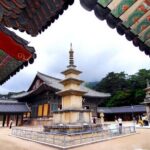
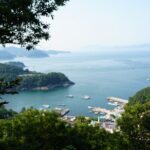
Day 1 in Gongju: UNESCO fortress, King Muryeong’s tomb, and museum time
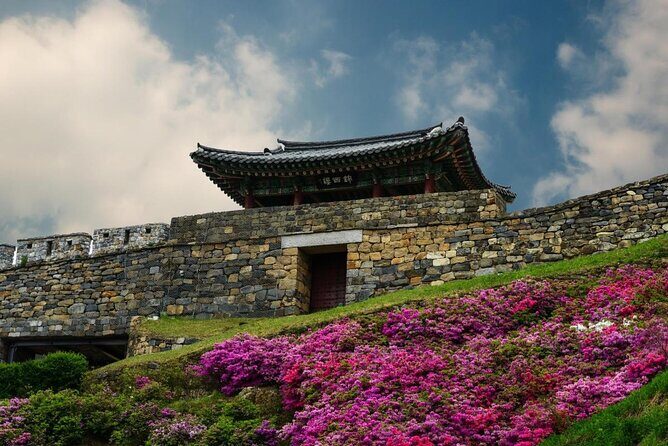
Day 1 begins in Gongju, and it wastes no time getting you to the kind of heritage sites that make Korea feel instantly historical. First up is Gongsanseong Fortress, a UNESCO World Heritage Site designated in 2015. A hillside fortress gives you views you can feel in your legs as much as your eyes, so wear shoes you trust.
Next you head to the Songsan-ri Tombs and the Royal Tomb of King Muryeong, known for its brick-built burial style. If you like craftsmanship and design details, this is where the tour earns its keep; royal tomb architecture tells a story that photos alone usually fail to explain.
Then comes Gongju National Museum, which holds around 10,000 cultural artifacts. You’re not just looking at one display; you’re getting a bigger context for what you saw outside, including objects linked to King Muryeong’s tomb. The museum stop is also your mental reset before tomorrow’s cultural day in Jeonju.
Tickets for these Day 1 stops are included, so you won’t be trying to figure out admissions while your group is moving.
Day 2 in Jeonju: hanok village calm, hanbok fun, and a temple tea moment
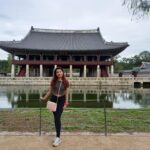
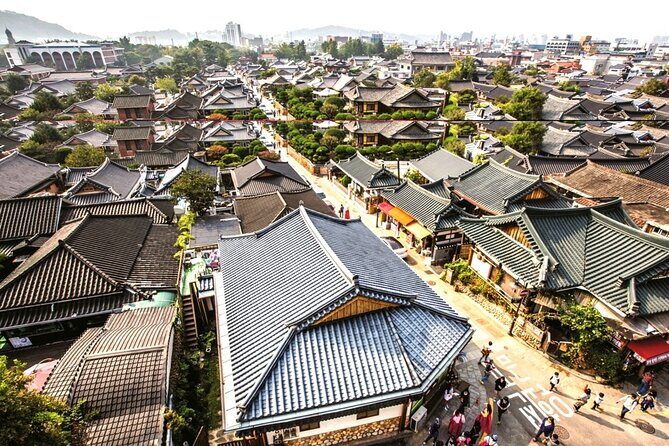
Jeonju is the cultural centerpiece of this itinerary, and the tour leans into that in a friendly way. You start with Jeonju Hanok Village, where the schedule includes time around Gyeonggijeon Shrine and the shrine portrait of King Tae-jo, the Joseon Dynasty founder.
The tour specifically sets aside time for the hanok village itself—over 800 traditional hanok houses are part of the area’s appeal. You’re not just passing through; you’re wandering in the alleys where the whole point is slow, curious walking.
A standout is the hanbok experience (called Hanboknam in the schedule). This is one of those activities that’s genuinely more fun in a group tour than on your own, because you’re guided through the what-to-do so you can actually enjoy it instead of wrestling with logistics.
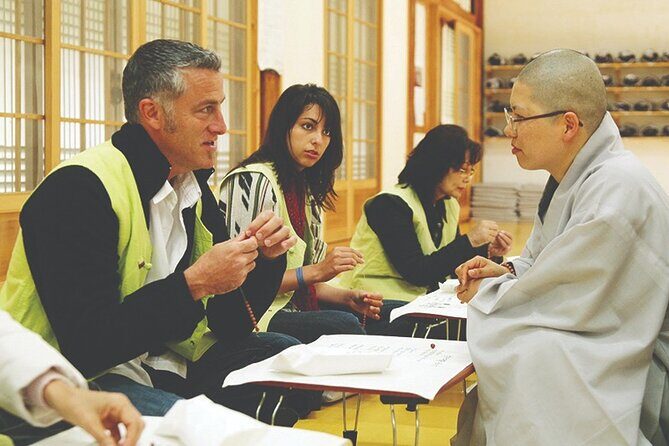
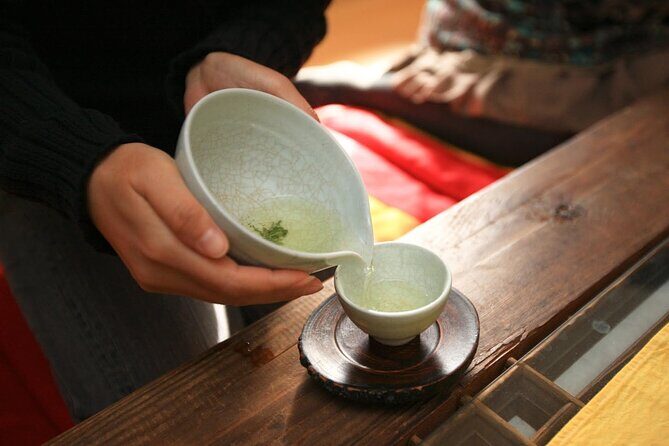
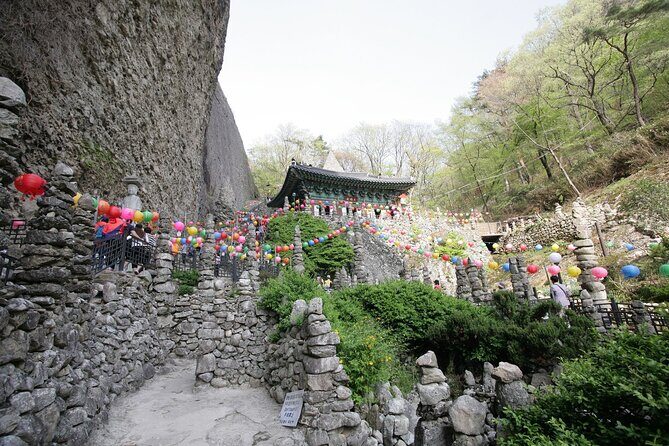
Then you shift to Baekyangsa Temple, which changes beauty by season and includes a tea conversation with a Buddhist monk. That tea moment is the most human-sounding stop on the day, and it also provides a quieter counterbalance to all the standing and walking earlier in the itinerary. Because it’s included, you’re not paying extra for a cultural activity that could otherwise get cut if your schedule goes off track.
Admission fees for the Day 2 stops are included, and the tour keeps this day within a reasonable rhythm: traditional Korea, a dress-up cultural moment, then a calm temple break.
Day 3 in Boseong and Suncheon Bay: tea terraces and wetlands that feel truly big
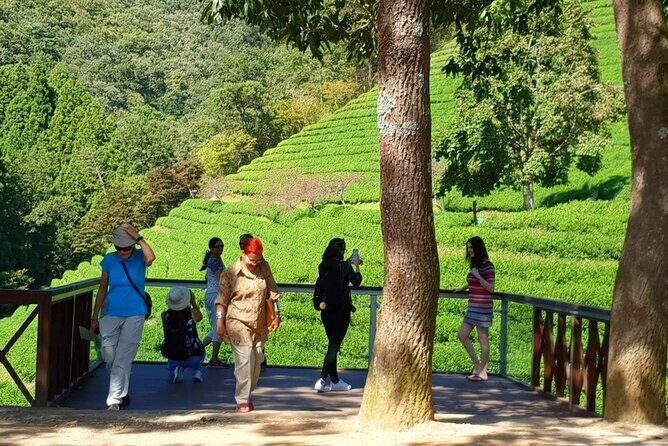
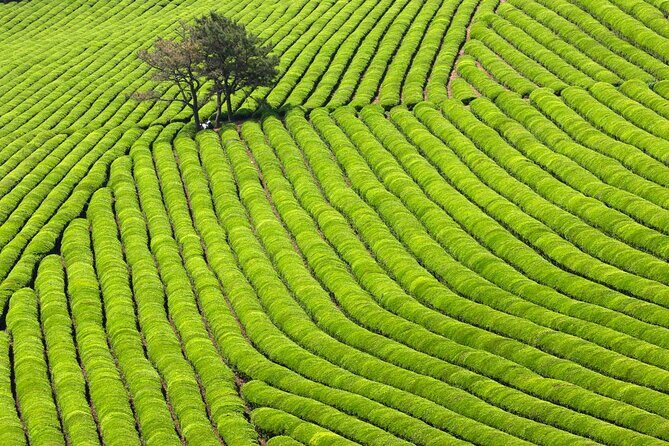
Day 3 moves you outdoors in a way that most people enjoy, especially if you’ve been focusing on cities. First is Boseong Green Tea Plantation (Daehan Dawon), described as Korea’s largest green tea field. You walk among terraced rows of tea bushes, and the scenery is designed to shift as you move—good for your camera, but also good for your brain when you’re tired of museums.
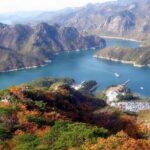
After lunch, you head to Suncheon Bay Wetland Reserve. This is where the tour takes on scale: it’s a coastal marshland where the river meets the sea, and the reserve is recognized as one of the top wetlands, with habitat for more than 250 species. Even if you’re not a birdwatcher, wetlands are visual in a different way than mountains or city parks, because everything is about space, edges, and water.
Day 3 also includes admissions for the stops, which helps keep the day simple. Just remember that a wetland reserve can mean more walking than you expect, depending on the paths and timing, so plan for comfortable shoes again.
Day 4 in Busan: a solemn ending at the UN Memorial Cemetery
Most trips end with something light. This one closes with something heavier, and that’s a good choice if you want a trip that lingers after you go home.
You start with UN Memorial Cemetery in Busan. It’s dedicated to UN soldiers who died during the Korean War, and the cemetery is arranged by nation with about 2,300 graves. The stop is 1 hour 30 minutes, and because it’s free, you don’t have to budget mentally for an extra add-on.
This is also a practical logistics day. The tour ends with you being dropped at Busan Station, and you then handle your journey back to Seoul. The provided estimated train timing is Busan Station 14:31 to 17:14 Seoul Station, but the key point is that the tour day itself finishes in Busan, not in Seoul.
If you’re the kind of traveler who likes your last day to be meaningful rather than hectic, this works well.

The all-inclusive structure that makes the trip feel easy
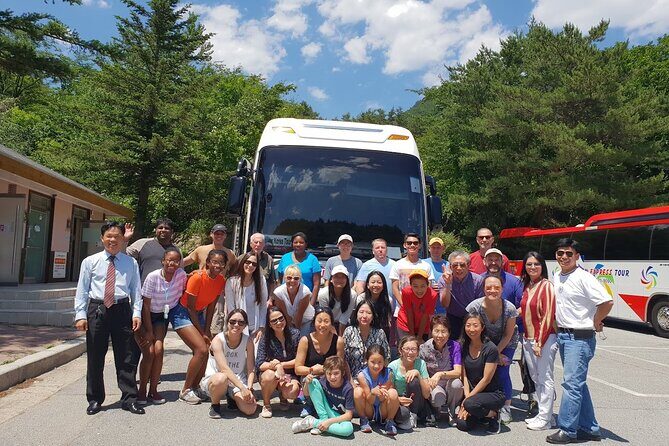
This is not a buffet of optional side quests. The tour is built around an all-inclusive idea: no options and no shopping, so your time stays focused on the planned experiences.
That matters more than it sounds. When you’re moving across multiple regions, shopping stops can steal time from the places that take effort to reach. Here, the schedule prioritizes cultural sites, natural areas, and included meals.
You also get a lot of behind-the-scenes comfort:
- Air-conditioned vehicle while you travel between cities and stops
- Professional English-speaking guide (or driver-guide)
- All entrance fees included during the tour
One review specifically praised hotels as clean and nice, and praised restaurant choices as well thought, with amazing food. That combo is important because on a short tour, one bad meal can sour your whole mood for the rest of the day.
There’s also mention of a wellness facility designated by the Korea Tourism Organization being part of the included schedule. The tour data doesn’t list exactly what happens there, but the key point is that it’s already built into your plan, not something you have to figure out.
Hotels, meals, and the real-world comfort factor
For a four-day trip, lodging and food can make or break the experience. The included setup—3 nights accommodation plus meals (3 breakfasts, 4 lunches, 3 dinners)—is designed to keep you from spending time hunting for food in unfamiliar neighborhoods.
From the feedback you shared, the lodging quality and meal planning were strong points. Clean, comfortable rooms help you recharge, especially because you’re stacking multiple stops per day. And restaurant timing matters: you want food before you get grumpy and slow, not after you’ve been delayed.
The tour also emphasizes traditional food and variety, and it frames itself as a way to relax while still covering history and outdoor scenery. If you’re coming from abroad and want your trip to feel organized without feeling sterile, this balance can be exactly right.
Who this tour fits best (and who should look elsewhere)
This tour is a strong match for travelers who want structure and good value without spending time budgeting every admission and meal. At $1,200 per person, the price is easier to justify because it bundles hotels, meals, admissions, and transportation with a professional guide.
It’s also a fit for mixed ages and energy levels because it’s described as suitable from 1 to 80+, as long as you have moderate physical fitness for walking. If you can handle comfortable shoes and some uneven terrain at historic sites, you’ll be fine.
I’d be more cautious if you hate early starts or you dislike group timing. This kind of trip is efficient, but you’re still part of a schedule, and you won’t be free to linger longer at one spot. Also, the tour ends with you traveling onward from Busan to Seoul, so you should be comfortable arranging your own final train step (unless you’re in the smaller group where KTX tickets are provided).
Price and value: what $1,200 is really covering
At $1,200 per person, you’re paying for convenience and reduced mental load. This tour includes:
- 3 nights accommodation
- 3 breakfasts, 4 lunches, 3 dinners
- All entrance fees
- Air-conditioned transport
- A professional English-speaking guide/driver-guide
- All fees and taxes
What’s not included is also clearly listed: travel insurance, laundry, phone/fax/pay TV, drinks, tips, and any extra expenses. Those are normal exclusions, but it’s smart to budget for them so nothing surprises you.
If you were trying to book this yourself—UNESCO sites, Jeonju hanok village time, a hanbok experience, tea field access, wetlands, museum entries, plus hotels and meals—the cost would likely climb fast. The value here comes from bundling it all into one plan with no shopping detours.
Final verdict: should you book this Western Korea package?
If you want a four-day trip that feels organized, includes strong cultural stops, and finishes with a meaningful moment in Busan, this tour makes sense. I especially like the combination of Gongju’s UNESCO sites, Jeonju’s hanok and hanbok, and the nature pairing of Boseong tea fields with Suncheon Bay wetlands.
Book it if:
- You want meals and admissions handled
- You prefer a guided plan over planning every detail
- You like both history sites and outdoor scenery
Consider another option if:
- You need total freedom to wander off-schedule
- Long walking at heritage sites or the wetlands would be hard for you
- You really want the trip to end back in Seoul without dealing with Busan-to-Seoul transport
FAQ
How long is the tour?
The tour runs for 4 days (approximately), starting at 8:00 am on Day 1 and ending with drop-off in Busan Station before you travel onward to Seoul.
Where do I meet the tour?
You meet at AMID Hotel Seoul, 38 Insadong 5-gil, Jongno District, Seoul. The end point is Seoul Station.
What’s included in the price?
The tour includes 3 nights of accommodation, all entrance fees during the tour, air-conditioned vehicle transportation, a professional English-speaking guide (or driver-guide), and meals: 3 breakfasts, 4 lunches, and 3 dinners.
Is there shopping on this tour?
No. The experience is described as having no shopping, with a fixed all-inclusive program.
Do I need to buy tickets for the attractions?
No. All entrance fees during the tour are included.
Is the tour physically demanding?
It calls for moderate physical fitness, so you should be comfortable with walking involved in the stops.
Does the tour include train tickets back to Seoul?
The tour notes that KTX tickets are provided for groups of 9 or fewer. Your guide drops you at Busan Station, and you arrange transportation to Seoul Station otherwise.
If you want, tell me your travel dates and your comfort with early starts and walking, and I’ll help you sanity-check whether this 4-day pace matches your style.