REVIEW · SEOUL
From Forest to Table: A Hansik Cooking Journey in Seoul
Book on GetYourGuide →Operated by Soop Table · Bookable on GetYourGuide
Cooking Korea feels like a calm dinner party. At SOOP TABLE’s Hanok-inspired studio in Seoul, I love the way you build an entire meal from scratch and the freedom to choose your own soup and main dish. One heads-up: this is a hands-on, sit-down class, so it takes a full 210 minutes, and you’ll eat what you cook.
I like the pacing here. You start with traditional Korean tea, cook with step-by-step English guidance from Woody, and end by enjoying a relaxed meal you plated yourself, plus a simple Korean dessert. The group stays small (max 8), so you get real attention—not a production line.
In This Review
- Key things to know before you go
- A Hanok-Style Kitchen in the Middle of Seoul
- The Full Menu: Sides, Soup Choice, Main Choice, and Bibimbap
- The choice part is the secret sauce
- Bibimbap isn’t an afterthought
- How the 210-Minute Flow Actually Works
- The Samgyeopsal Ssam That Turns Cooking Into a Meal
- Woody’s Teaching Style: Beginner-Friendly, Not Hand-Holding
- Space, Tools, and Ingredient Quality You Can Notice
- Price and Value for $89 in 210 Minutes
- Who This Is For (and Who Should Skip It)
- Great matches
- Not suitable
- Quick Practical Tips Before You Go
- Should You Book This Hansik Cooking Journey?
- FAQ
- How long is the cooking class?
- Where does the class meet?
- What is the price per person?
- How many people are in the group?
- Is the class taught in English?
- What do I cook during the class?
- Is alcohol included?
- Is dessert included?
- Are recipes provided after the class?
- Who should not book this experience?
Key things to know before you go
- Pick your soup and your main so the menu fits your tastes
- Hands-on meal building: four side dishes, one soup or stew, bibimbap, and more
- Samgyeopsal ssam moment: the host grills pork belly tableside and you wrap it yourself
- Calm studio setting: Hanok-inspired space designed for an unhurried class
- You leave with photos of the recipes to recreate dishes at home
A Hanok-Style Kitchen in the Middle of Seoul
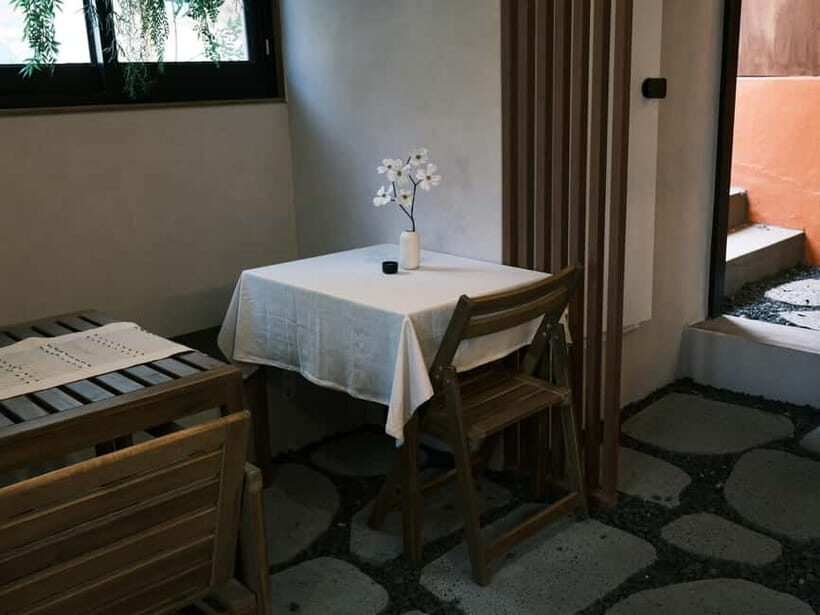
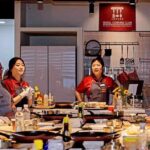
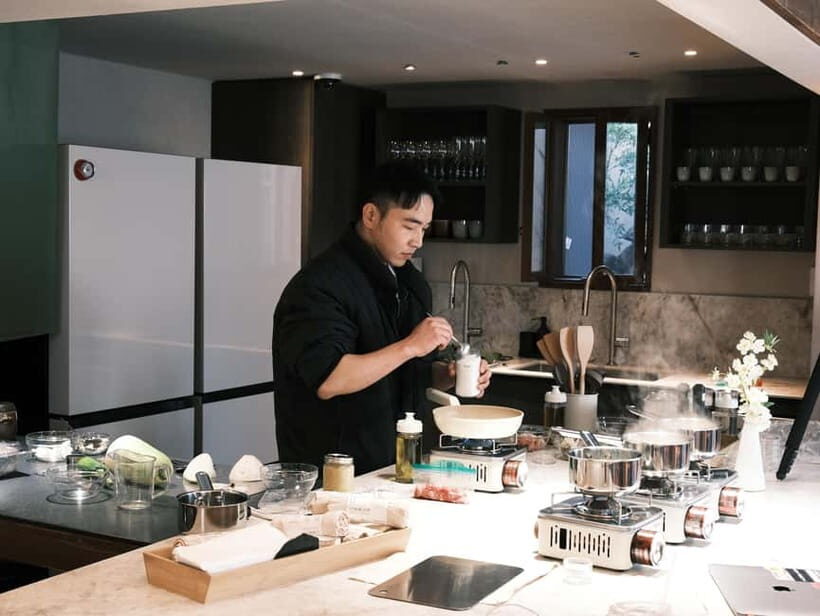
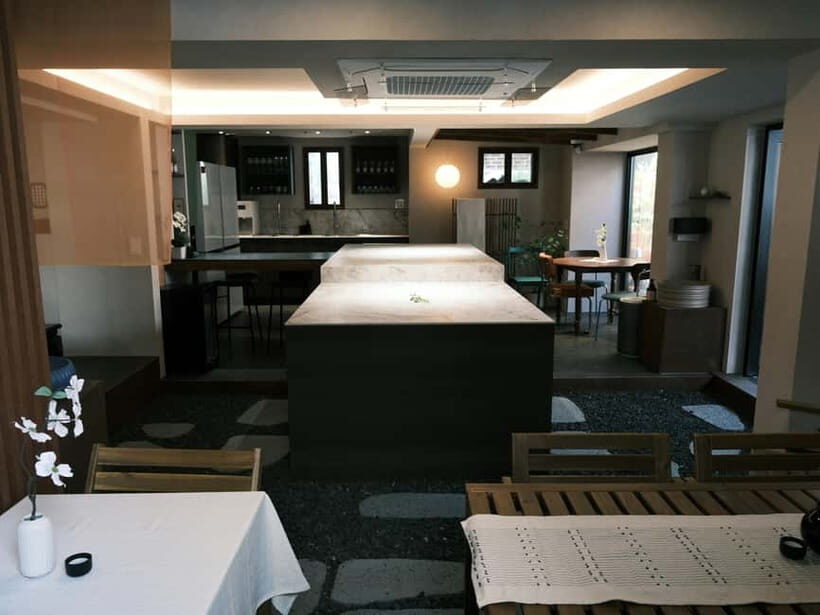
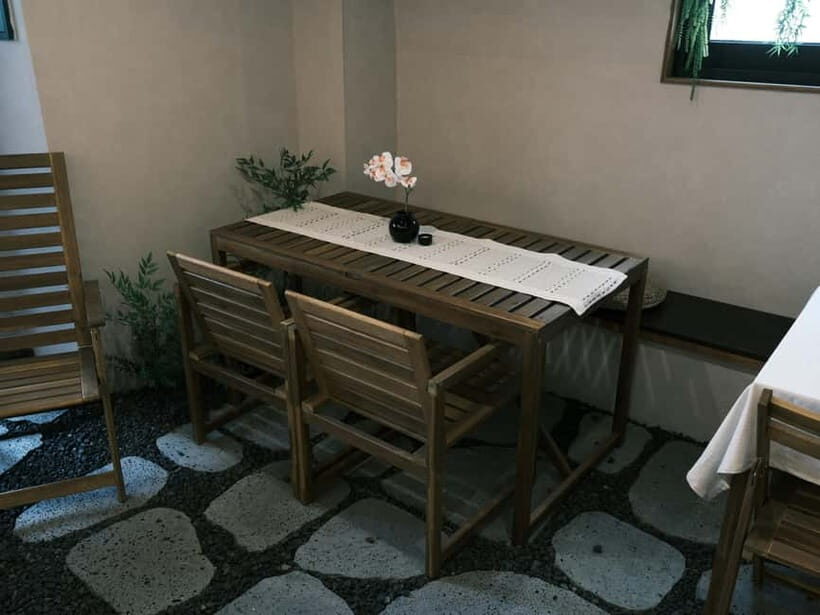
This class happens at SOOP TABLE – The Hansik Atelier, and the setting matters more than you’d think. Instead of a crowded kitchen with rules taped to the wall, you get a warm, Hanok-inspired studio space that feels like you’ve been invited into someone’s home setup.
The vibe is part of the value. When a cooking class is chaotic, you forget half of what you’re doing. Here, the pace feels steady, and the room supports it: clean, thoughtfully arranged, and made for cooking comfortably. With a small group limited to 8 participants, you’re not fighting for counter space or shouting across the room.
It also starts gently. You’ll begin with a cup of traditional Korean welcome tea and a short conversation about Korean food culture. That tea-and-talk start helps you get oriented fast: what you’re tasting, why ingredients matter, and how Korean meals are meant to feel—shared, casual, and a little ritual-like.
You can also read our reviews of more cooking classes in Seoul
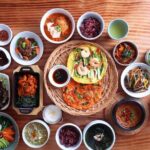
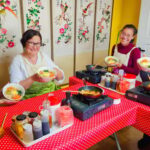
The Full Menu: Sides, Soup Choice, Main Choice, and Bibimbap
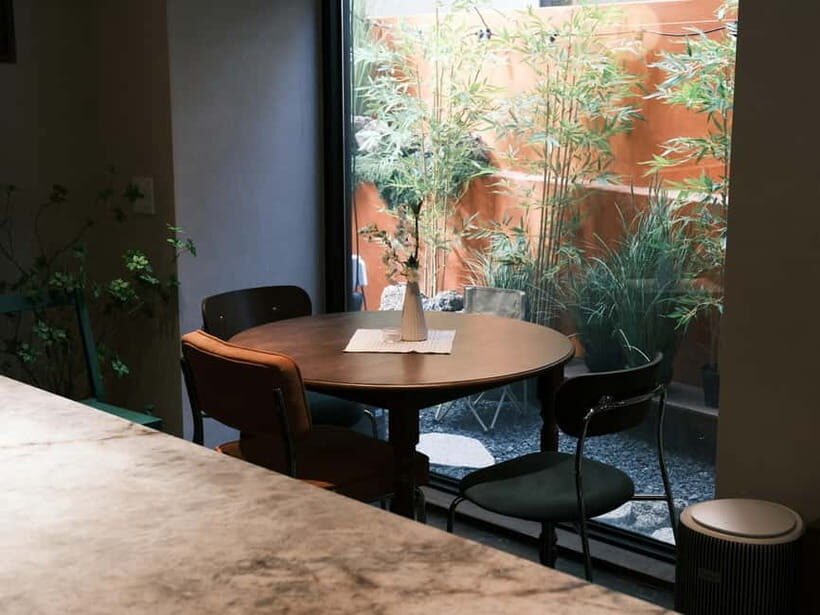
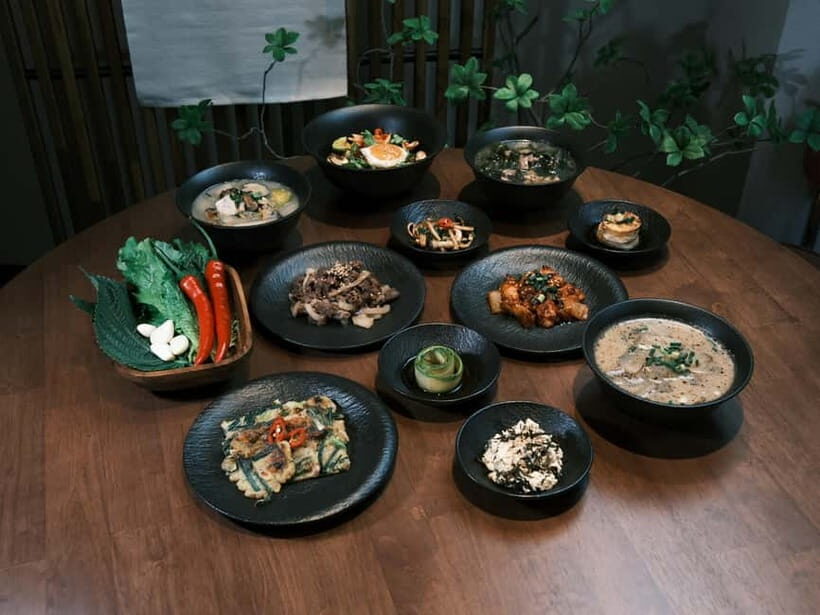
The core of this experience is that you cook a full Korean meal, not just a single signature dish.
You’ll work through:
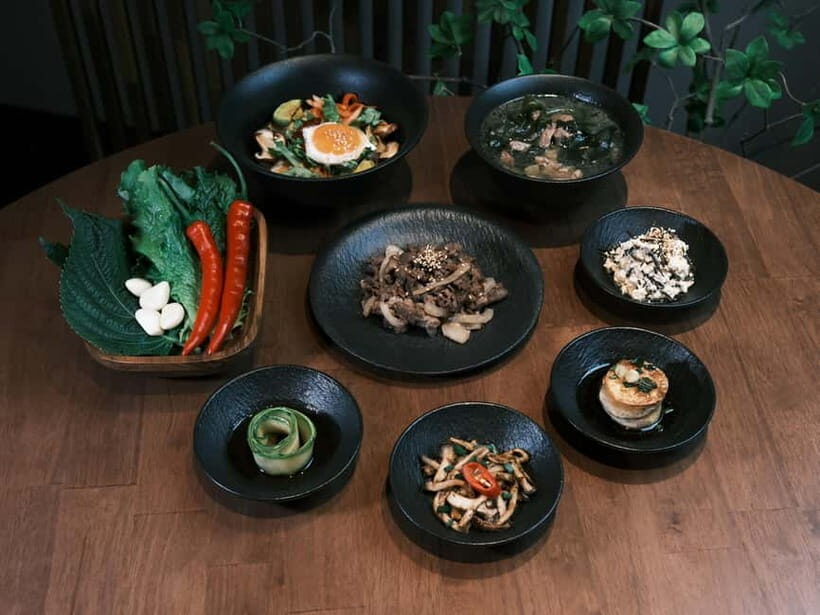
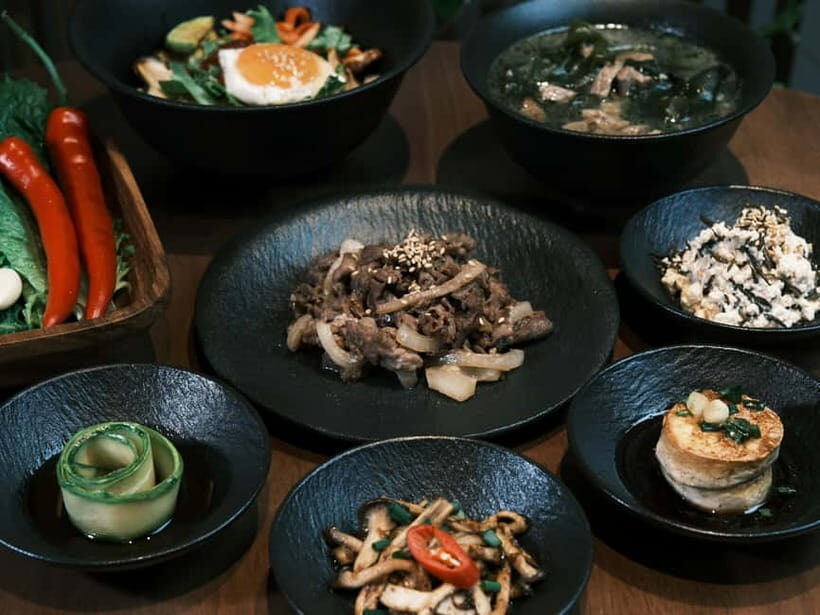
- Four side dishes (banchan-style)
- One soup or stew (and this is where choice enters)
- One main dish of your choice (each guest chooses their own menu)
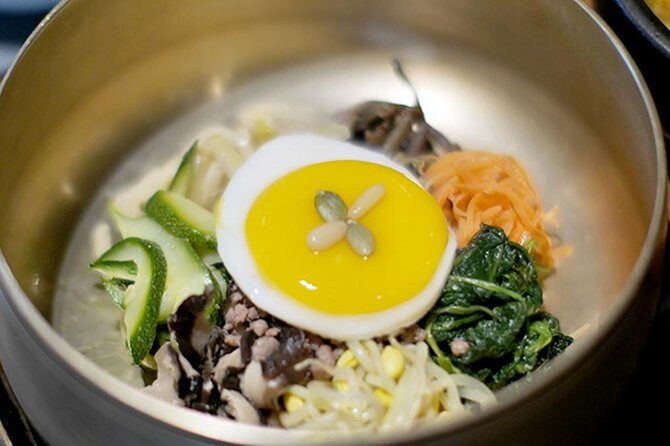
- Bibimbap, plated beautifully
- Plus the host’s samgyeopsal served for ssam lettuce wraps
- A simple Korean dessert at the end
That menu structure is smart for your time. In 210 minutes, you get variety without feeling scattered. Korean home dining relies on multiple small dishes, and this class teaches that logic rather than treating side dishes as add-ons.
The choice part is the secret sauce
I really like that each person gets to choose both their soup/stew and their main dish (you’re not locked into one group menu). That matters if you have different spice tolerances, beef versus chicken preferences, or just different comfort levels with Korean flavors.
One more practical benefit: you’re more likely to remember what you cooked. When you pick the dish, you care about the outcome. You also get to compare flavors around the table because everyone still shares the full meal.
Bibimbap isn’t an afterthought
Bibimbap can become a gimmick in some classes. Here, it’s treated as a centerpiece. You’ll learn how to assemble and plate it, so it looks good—not just tastes good. The point isn’t perfection. It’s learning how Korean meals build balance: textures, colors, and the way sauces and toppings work together.
How the 210-Minute Flow Actually Works
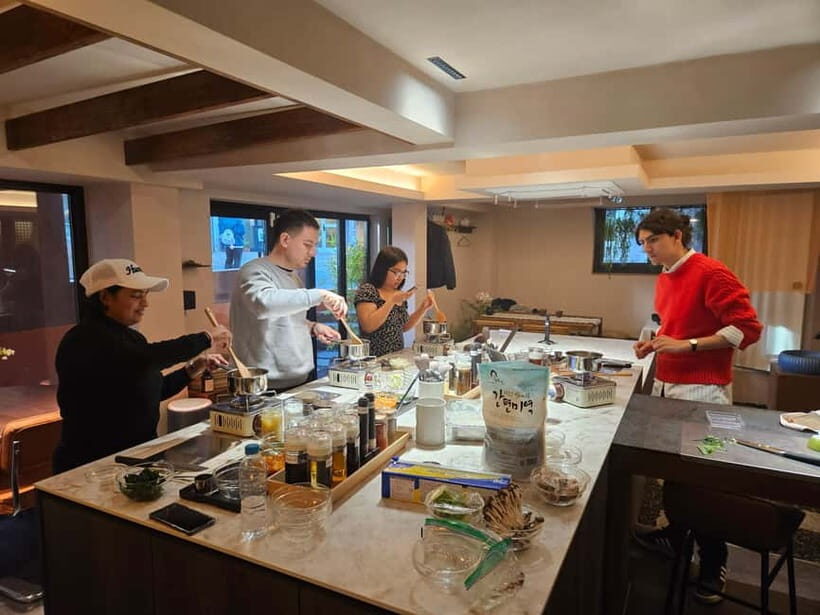
This class is structured like a guided home-cooking session with a calm rhythm. You’re not just watching. You’re cooking at your station step-by-step, with instructions in English (and Korean is available too).
A typical flow looks like this:
- Welcome tea and Korean food conversation (so you know what you’re making and why)
- Hands-on cooking for the meal components
You’ll prepare multiple items while staying within beginner-friendly steps.
- A special samgyeopsal moment
The host grills the pork belly and serves it with seasonal vegetables for ssam.
- Sit down together and eat slowly
The class shifts from kitchen mode to dining mode.
- Dessert to close the meal
- Digital recipes sent via photo afterward
This helps you repeat dishes later without guessing.
That dinner-at-the-end style is a big deal. Many cooking classes rush you out the door with a take-home packet and a quick photo. This one keeps the focus on eating the food you made with conversation and appreciation. It’s the difference between learning to cook and just learning what to do.





The Samgyeopsal Ssam That Turns Cooking Into a Meal
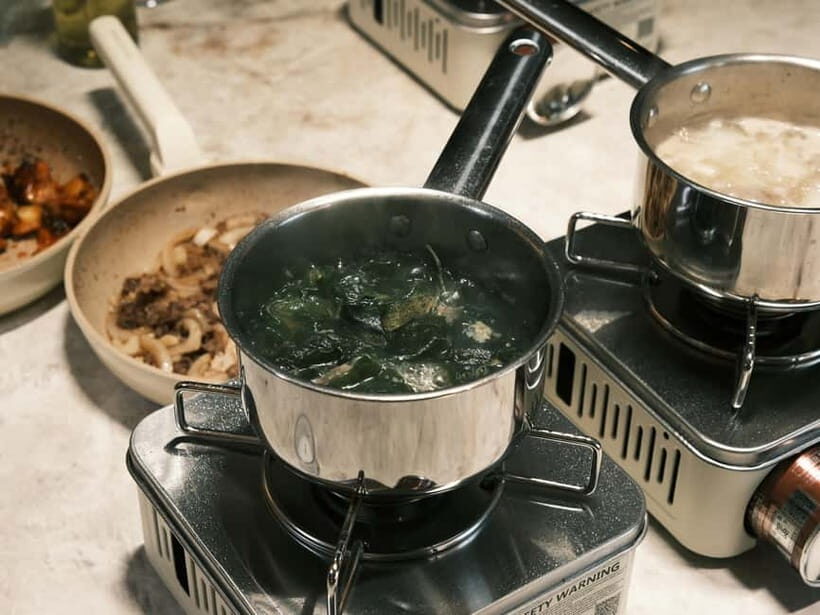
The standout food experience here is the host-grilled samgyeopsal. The class doesn’t leave the most exciting part to a pre-prepped tray. The pork belly is grilled by the host and served with fresh ssam vegetables—lettuce wraps, the classic Korean way to eat grilled pork.
This matters because samgyeopsal isn’t just meat. It’s a whole bite system:
- You grab a lettuce leaf
- Add pork with the right juices
- Add seasonal vegetables
- Then you build the bite the way you like
Watching and cooking your own dishes is satisfying, but the ssam service is what makes it feel like dinner at home. You’re not eating in “class mode.” You’re eating like the food came from someone’s kitchen that day.
And because you’re also making bibimbap and sides, the samgyeopsal sits in context. It’s not the only thing on the table. The meal feels complete.
Woody’s Teaching Style: Beginner-Friendly, Not Hand-Holding
Woody’s role matters here because technique is only half the story. The other half is how the instruction lands.
From the class structure (easy-to-follow steps, clear guidance) and the way the host interacts during cooking, you get a teaching style that works for mixed skill levels. Some people will cook all the time at home. Others might never chop an onion with confidence. The class is built for both.
A few specific things you’ll appreciate:
- Patient, guided steps rather than chaotic multitasking
- High-quality ingredients and tools so you’re not fighting bad equipment
- Insider food culture tips that help you understand what Korean home cooking is trying to achieve
Also, the class includes a dinner-table atmosphere rather than a nonstop lecture. That means you can actually ask questions as you cook and get answers while they still matter.
Space, Tools, and Ingredient Quality You Can Notice
A cooking class is only as good as its prep. Here, everything is set up in advance: ingredients are fresh and organized, and you use provided tools plus an apron.
That sounds like a normal inclusion, but it changes how you experience the class:
- You don’t spend time hunting for ingredients or wondering what’s missing
- Your hands do the work, not your brain
- You waste less time and learn more
The studio itself is also part of the comfort. You’ll be cooking in a space designed for the activity—clean, cozy, and calm with music in the background. If you’re the type who enjoys quieter, more “get it done together” environments, this is the right tone.
Price and Value for $89 in 210 Minutes
$89 per person can sound like a lot until you break down what’s included and how long you’re there.
For 210 minutes, the price covers:
- Traditional welcome tea
- Full guided cooking class in English
- All ingredients (fresh and prepared)
- Apron and cooking tools
- A shared meal based on what you cooked
- Host-grilled samgyeopsal plus ssam vegetables
- For adults, a glass of traditional Korean distilled liquor
- Filtered water during the meal
- Simple Korean dessert
- Digital recipe sent afterward via photo
- A small souvenir gift
- Use of the warm, Hanok-inspired studio space
In other words, you’re paying for more than instruction. You’re paying for ingredients, a complete meal experience, and the added value of the studio atmosphere plus the host’s grilling at the end.
If you like trying food in a way you can recreate later, the digital recipes alone make this easier to justify. And if you value choice (your own main and soup), the class structure is set up to feel worth it.
Who This Is For (and Who Should Skip It)
This experience fits a specific traveler style: you like hands-on food learning, you want to eat what you cook, and you’re happy spending a good chunk of your day in one focused activity.
Great matches
- Food lovers who want Korean home-style cooking, not just street food hopping
- Beginners who want step-by-step guidance
- Groups where people have different preferences, since you pick your own main and soup
- Anyone who enjoys a calm, well-designed studio setting
Not suitable
This class isn’t set up for everyone. It’s not suitable for:
- Children under 10
- Vegans or vegetarians
- People with food allergies
That last point is important. If allergies are in play, you’ll need to be cautious because the data only says the class isn’t suitable for people with food allergies, not that substitutions are available.
Also, bring comfortable clothes. You’ll be cooking, standing, and moving around the station.
Quick Practical Tips Before You Go
You can make the experience smoother with a few simple moves:
- Wear comfortable clothing so you can cook without fuss
- Plan to eat a full meal afterward (you will)
- If you want to savor the liquor option, do so slowly since you’ll still be cooking and eating
- Come with curiosity about how Korean meals are built: sides, soup, and rice-style components working together
Should You Book This Hansik Cooking Journey?
If you want a Korean cooking experience that’s genuinely meal-focused—where you make sides, assemble bibimbap, and finish with host-grilled samgyeopsal in a calm studio—this is an easy yes. The combination of small group size, choice of soup and main, and the relaxed sit-down dining makes it feel personal rather than rushed.
If you’re vegetarian or vegan, have allergies, or you’re looking for a quick tasting rather than a full cooking session, skip it. For everyone else who wants hands-on Korean comfort food in Seoul, this is the kind of class that sticks with you because you leave with both full bellies and usable recipes.
FAQ
How long is the cooking class?
The experience lasts 210 minutes.
Where does the class meet?
It meets at SOOP TABLE – The Hansik Atelier.
What is the price per person?
The price is $89 per person.
How many people are in the group?
The class is limited to 8 participants.
Is the class taught in English?
Yes. It is guided in English, and the instructor also speaks Korean.
What do I cook during the class?
You’ll prepare four side dishes, one soup or stew, a main dish you choose, and bibimbap. The host also grills samgyeopsal as part of the meal.
Is alcohol included?
For adults, a glass of traditional Korean distilled liquor is included. Extra alcohol is not included.
Is dessert included?
Yes. You’ll have a simple Korean dessert at the end of the meal.
Are recipes provided after the class?
Yes. You’ll receive a digital recipe via photo after the class.
Who should not book this experience?
It’s not suitable for children under 10, vegans, vegetarians, or people with food allergies.