Two wheels, and suddenly Seoul feels older. This sunset bike tour strings together Joseon-era stories across central Seoul, with cooler evening air and views that make the city feel like it belongs to another time. You also get street-level Seoul along the way, not just palace gates and big viewpoints.
I especially love how the ride is set up to feel easygoing and safe, so you spend your energy looking around instead of worrying about traffic. The pacing also works: short stops for stories, then you roll on again—perfect for a 3-hour plan. And I like that the tour stays small (max 8 people), which helps the guide keep an eye on everyone.
One possible drawback to plan for: the included food is mostly snack-sized, not dinner, so you’ll likely want to eat afterward. Also, you do need a moderate fitness level since you’ll be cycling through the city for the full tour time.
In This Review
- Key takeaways before you ride
- Sunset to Joseon: why this 3-hour format works
- Meet-up on Euljiro 2(i)-ga: what the ride feels like in practice
- Cheonggyecheon Stream: feng shui water and a city’s original spine
- Seoul City Hall stop: reading power through today’s geography
- Deoksugung and Deoksugung Doldam-gil: where the Joseon era felt like it ended
- Jung-dong’s early western churches: Joseon’s changing world
- Gyeonghuigung Palace: Gwanghae’s leadership and the insecurity behind it
- Gwanghwamun Square and Gyeongbokgung: power center to 600-year architecture
- Samcheongdong-gil and Jongno 3 Stalls Alley: local streets after palace gates
- Snacks, water, and dinner planning: what’s included and what isn’t
- The guide makes it feel like time travel on two wheels
- Price and value: getting bikes, safety gear, and free palace-area stops
- Who this sunset bike tour fits best
- Should you book it? My practical recommendation
- FAQ
- How long is the bike tour?
- Where does the tour start and end?
- Do I need to purchase admission tickets?
- Is the ride strenuous?
- What safety equipment is provided?
- What food is included?
- What happens if the weather is bad?
Key takeaways before you ride
- Sunset timing for cooler temps and better mood (the tour is designed for evenings).
- Small group size (up to 8) keeps the ride calmer and the guide easier to follow.
- Safety gear included: helmets and lights, plus a bottled water.
- Joseon palaces plus everyday alleys: you get architecture and local hangout streets in one loop.
- Snack variety, but not a full meal: plan your dinner for later.
Sunset to Joseon: why this 3-hour format works
This is the kind of tour that fits into a real trip day. You’re not committing to a whole afternoon of walking, and you’re not rushing through ten sites like a check-list. Starting around the time the light turns softer helps too—Seoul can be hot earlier in the day, and the tour is built specifically for the cooler sunset window.
The structure is also smart: you move by bike between meaningful places, then you pause long enough to understand what you’re seeing. That mix is what turns a route into a story. Expect a steady flow from water and city power centers to palaces and back into modern Seoul’s side streets.
If your goal is to “get your bearings fast” and still come away with context, this duration is a good match. If your goal is to spend hours inside palaces or take tons of museum-style notes, you might want to pair this with a separate time on your own.
You can also read our reviews of more cycling tours in Seoul
Meet-up on Euljiro 2(i)-ga: what the ride feels like in practice
You start at 123 Euljiro 2(i)-ga, in Jung District, and the tour ends back at the same meeting point. That matters more than it sounds: you don’t need to plan a second transfer or worry about how to get home mid-day.
Bikes, helmets, and lights are provided, and you’ll have an in-person guide speaking English. The group stays small, with a maximum of 8 travelers, and that usually means fewer delays at stops and more attention when you need to slow down or regroup.
The physical side is described as moderate. This should suit people who are comfortable cycling at a relaxed pace, but if you feel nervous about riding in a city environment, you’ll want to mentally prepare for some traffic awareness. The good news is the tour is designed to be gentle rather than athletic.
Cheonggyecheon Stream: feng shui water and a city’s original spine
The tour starts with a stop at Cheonggyecheon Stream, about 15 minutes. The story here goes beyond scenery. You’ll hear how feng shui ideas shaped where ancestors chose water for the capital—because water wasn’t just pretty, it was tied to power, balance, and planning.
It’s also a reminder that Seoul has changed a lot. Until 1960, the stream looked surprisingly different, and the area’s later transformation is part of the context you’ll pick up while you’re there. If you only know Cheonggyecheon as a modern promenade, this stop adds the “why” behind it.
Practical tip: this is an early viewing stop, so dress for evening comfort. Even if the day is warm, riverside air can feel cooler once the sun drops.
Seoul City Hall stop: reading power through today’s geography
Next up is a short 5-minute stop at Seoul City Hall. The guide’s angle is clever: you’re asked to think about where rich and powerful people live now—then zoom out to the idea of where power sat in an earlier era.
Even with a brief time here, the stop helps you understand what you’ll see later. Joseon-era Seoul wasn’t just “where palaces are,” it was a system with central nodes. When you later pass major squares and palace grounds, you’ll have a mental map of why these places mattered.
This is one of those stops that rewards attention more than camera time. Look around for the scale of the city and try to picture the power center in that older layout.
Deoksugung and Deoksugung Doldam-gil: where the Joseon era felt like it ended
From there, you head to Deoksugung (about 10 minutes). This stop is framed around the late Joseon years, when Deoksugung was attached to the ending of the dynasty. The story point you’ll hear is that the final king lived here, and that the kingdom had to fade away. It’s not just “another palace”—it’s a palace with a closing chapter.
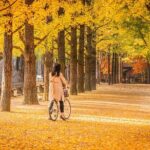
Then you roll to Deoksugung Doldam-gil, a short 5-minute section along a stone-wall street. The appeal here isn’t only visual. You’ll get the idea that this street’s feel shifts across seasons—cherry blossoms in spring, bright greens in summer, and autumn leaves in fall—plus a local legend angle that adds flavor to the stone-and-street atmosphere.
Trade-off: because the stops are short, this is best if you like stories and quick context. If you want long, slow palace wandering, treat this as a spark and plan your deeper palace revisit on your own.
Jung-dong’s early western churches: Joseon’s changing world
A stop in Jung-dong (about 5 minutes) adds a different kind of historical lens. You’ll hear that Korea has many churches and cathedrals, and this area connects to the first-built western churches from the enlightenment movement at the end of the Joseon era.
This is where the tour shows you that the Joseon story isn’t just palaces and court politics. It’s also cultural contact—how outside influence started taking shape as the old order shifted.
Even if churches aren’t your top interest, this stop is worth it for the perspective shift. It helps explain how Seoul became what it is today: layered, religiously diverse, and shaped by change.
Gyeonghuigung Palace: Gwanghae’s leadership and the insecurity behind it
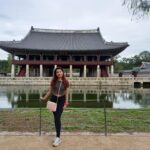
Next is Gyeonghuigung Palace (about 15 minutes). This stop centers on Gwanghae, including a dramatic human detail: imagine being left alone at age 18, then later becoming king. The guide also ties his reign to a key period—his role during the Japanese invasion in the late 16th century—before you get the emotional dimension of the story: his insecurity related to his origins.
This stop is valuable because it turns history from “dates on a sign” into motivation and consequence. When you hear the personal angles, it becomes easier to understand why political decisions happened the way they did.
Because the stop is time-limited, you won’t leave with every detail—still, you’ll leave with a clear narrative thread.
Gwanghwamun Square and Gyeongbokgung: power center to 600-year architecture
At Gwanghwamun Square (about 20 minutes), the focus is on power. You’ll pass a place that served as a power center back then, and the stop includes a reference to the two most respected historical figures of Korea you’ll see here. The goal isn’t only to point at landmarks—it’s to help you read the city’s political “geometry.”
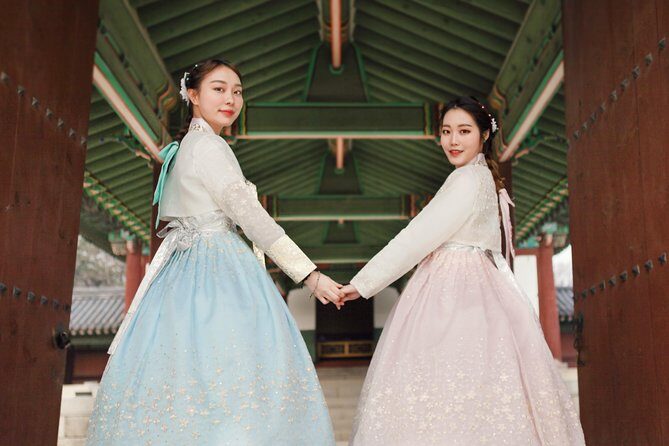
Then comes Gyeongbokgung Palace (about 10 minutes). Here, you’ll be encouraged to pause at the entrances of each palace and take in the energy of the era through architecture that dates back around 600 years. Ten minutes won’t satisfy someone who wants hours inside buildings, but it’s long enough to help you recognize the scale and feel the mood.
If you want photos, go in with patience. The entrance areas can be busy depending on the night, and you’re also moving as a group on bikes.
Samcheongdong-gil and Jongno 3 Stalls Alley: local streets after palace gates
Now the tour shifts gears into everyday Seoul.
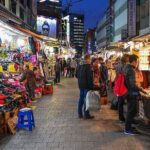
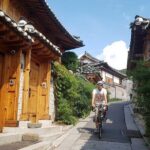
Samcheongdong-gil Road (about 10 minutes) is where you see that you’re not here only for history. You’ll ride through smaller alleyways with cafes, boutiques, and restaurants, getting a slice of how local people spend their day. This stop is a good reset after palace sites because it gives your brain a lighter, more modern scene.
Then you move to Jongno 3 Stalls Alley (about 10 minutes). This is where you slow down and the guide encourages conversation and shared looking. There’s also a practical note: if the weather turns bad, this section is replaced by a walking tour. That’s helpful because it keeps the experience flexible even when the evening doesn’t cooperate.
One more thing: there’s often a mismatch between what people expect here and what they get. You’re not doing a full market meal plan. You get a snack stop feel, plus conversation and orientation.
Snacks, water, and dinner planning: what’s included and what isn’t
The tour includes one snack featuring local street food, with examples like hotteok, fish-shaped red bean pastry, and Korean corn-dog. Bottled water is included too.
That’s a pleasant bonus, and it helps you enjoy the stops without hunting for food at every turn. Still, the listing and the vibe both point to this being a snack, not a meal. Dinner isn’t included, so plan to eat afterward—especially if you’re doing the tour early and want a proper post-ride meal.
If you’re the type who skips breakfast or you’re cycling hungry, bring extra cash just in case you want to buy more from a market nearby after the tour ends. You’ll be close to central Seoul, so it’s usually easy to find something to eat within a short ride or walk.
The guide makes it feel like time travel on two wheels
A huge part of the experience is the storytelling style. The tour is led by a team from UCANKOREA, and you’ll have English-speaking, in-person guidance. The pace is described as gentle and safe, and the vibe is meant to feel relaxed rather than like a lecture you’re trapped in.
In the guide names shared for this tour, Hyun and Sangwoo come up as examples of people who keep things enjoyable and help everyone feel comfortable. That matters because on bikes, confidence is contagious. When the guide manages the group well, you spend more time watching streets, gates, and changing scenes instead of worrying about whether you’re falling behind.
You’ll also get a clear sense of the why behind “how Koreans are the way they are today,” at least in the narrative the guide uses—tying palace power, city planning, and late Joseon change to the present-day city you’re riding through now.
Price and value: getting bikes, safety gear, and free palace-area stops
At $76.99 per person, this sits in a mid-range spot for a private-feeling small-group tour. The main value isn’t just the bike. You also get helmets and lights, bottled water, an English guide, and one street-food snack.
Another value point: the listed stops have free admission. That means your money is paying for the ride, the guidance, and the time together—not additional ticket costs for each stop on the route.
Also, you’re getting several very different areas in 3 hours: a waterway story, city power geography, palace-edge context, western church history, and alleyway Seoul. If you’re trying to cover ground efficiently without turning your trip into a sprint, the price starts to make sense.
Who this sunset bike tour fits best
This works well if you:
- want a relaxed way to see central Seoul after sightseeing fatigue
- like guided stories more than solo wandering
- want palaces and side streets in one evening
- prefer a small group, not a mass tour
It may not be your best choice if you:
- want long time at one palace for photos or slow exploring
- hate cycling in busy city areas, even at a gentle pace
- need a full dinner included in the cost
For most first-time Seoul visitors, it’s a smart orientation tour. For repeat visitors, it’s a good way to connect places you’ve seen with the bigger narrative.
Should you book it? My practical recommendation
If you’re craving an evening that feels like Seoul’s past has a pulse, this is an easy yes. The combination of sunset timing, a small group, safety gear, and story-driven stops is exactly what makes the difference between a “ride around town” and a meaningful tour.
Book it if you’re okay with snack-only food and you’re comfortable with a moderate cycling level. If you want a slow, museum-level day, you’ll still enjoy the route, but you may want to add separate time at Gyeongbokgung or Deoksugung afterward.
FAQ
How long is the bike tour?
The tour runs for about 3 hours.
Where does the tour start and end?
It starts at 123 Euljiro 2(i)-ga in Jung District, Seoul, and it ends back at the same meeting point.
Do I need to purchase admission tickets?
No. The stops listed on the itinerary are free, and the tour uses a mobile ticket.
Is the ride strenuous?
The tour is described as requiring a moderate physical fitness level, and it’s designed to be a gentle, easy ride pace.
What safety equipment is provided?
Helmets and lights are provided for safety, and bottled water is included.
What food is included?
The tour includes one snack of local street food, with examples such as hotteok, fish-shaped pastries (red bean), or Korean corn-dog.
What happens if the weather is bad?
This experience requires good weather. If it’s canceled due to poor weather, you’ll be offered a different date or a full refund.