REVIEW · SEOUL
Autumn Foliage-Mt. Seorak, Sokcho Fish Market, Sokcho Beach
Book on Viator →Operated by Korea Time Tour · Bookable on Viator
Autumn color and seafood, on one long day. This trip hits Seoraksan National Park for peak fall views and gives you Sokcho Fish Market street-food time that’s hard to stitch together on your own. It’s a big day, but the pacing is built around getting you to the good spots without wasting hours commuting.
What I really liked is the way the day is handled by the English-speaking staff and guides. On the mountain and at the market, the help you get makes the options clearer—one guide even shared a pictured rundown of local specialties before you wandered.
One thing to consider: Seoraksan is described as requiring an intermediate level of hiking, and bad weather can turn the outdoor day into a rushed one. The good news is you’re not stuck—your guide works with conditions, and the company lists a weather-based backup approach.
In This Review
- Key highlights to know before you go
- Why this Seoraksan–Sokcho day trip makes sense for autumn
- Getting there: Seoul meet-up points and drop-off reality
- Seoraksan National Park: where autumn colors do the talking
- The Buddha and Shinheungsa Temple stops
- Sokcho Tourist & Fishery Market: seafood snacks with a plan
- Sokcho Beach: short, scenic reset after the mountain
- Cable car option: worth it if your legs want a break
- Price and value: $68 for a lot of moving parts
- Timing and crowds: the early start strategy
- What can go wrong: weather, pace, and hiking reality
- Who should book this tour (and who might skip it)
- Should you book this Seoraksan–Sokcho foliage day trip?
- FAQ
- FAQ
- What’s the duration of the tour?
- How much does the tour cost?
- Where are the meet-up locations in Seoul?
- Where can I get dropped off at the end?
- Is admission included for the places on the itinerary?
- Is the cable car included?
- How much hiking is involved at Seoraksan?
- Are meals included?
- What’s included in the tour package?
- Is the tour limited in size?
Key highlights to know before you go
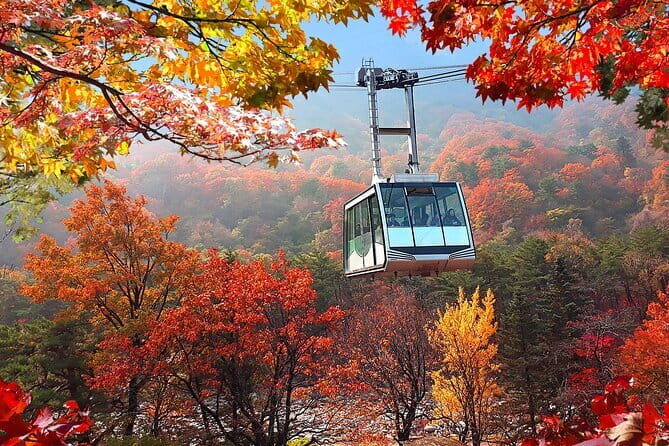
- Seoraksan in autumn: fall scenery plus optional cable car time (if you choose that option)
- Temple and statue stops: you’ll see Shinheungsa Temple and a large Buddha statue area
- Sokcho Fish Market browsing: street food and seafood in a tourism-and-fishing hub
- Sokcho Beach break: a short nature outing with a pine forest trail and flower path nearby
- Group size stays manageable: the tour caps at 100 people
Why this Seoraksan–Sokcho day trip makes sense for autumn
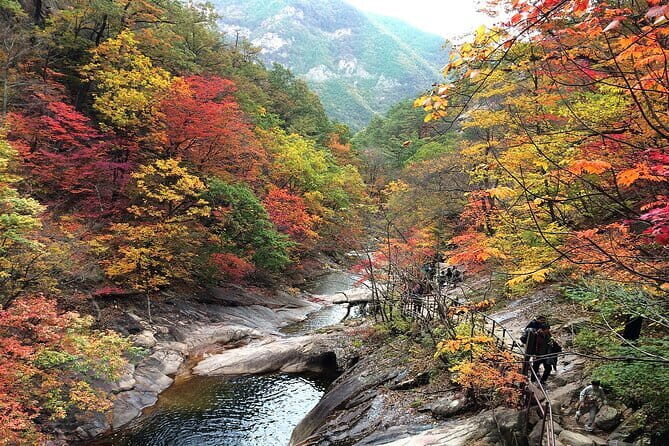
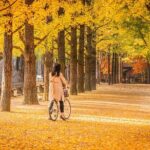
If you only have one day and you want real Korean autumn color, this route is practical. You’re packing two very different vibes into one itinerary: mountain fall scenery first, then a seafood market and seaside air later.
The value here comes from timing and access. Seoraksan and Sokcho are both best when you don’t spend your whole day guessing trains and transfers. This tour handles the round-trip transfers from Seoul and gives you guided structure at the spots where you’d otherwise lose time—or show up when crowds are already thick.
I also like that the tour doesn’t pretend you’ll do everything perfectly. You get substantial time at Seoraksan (about 5 hours total) and then realistic blocks at the market and beach. That balance matters on a 12–13 hour day.
You can also read our reviews of more shopping tours in Seoul


Getting there: Seoul meet-up points and drop-off reality
You’ll start from one of two Seoul locations: Hongik Univ. Station Exit 8 or Myeongdong Station Exit 4. The morning departure and the exact timing can vary day to day, so arrive 5–10 minutes early so you don’t miss the start and lose your payment.
On the way back, you don’t necessarily return to Hongik Univ. Instead, you can choose a drop-off at the end:
- Dongdaemun History & Culture Park Station, or
- Myeongdong Station
That’s an important detail if you’re planning dinner reservations or trying to get back to your hotel quickly. I’d map your route from both drop-off stations before you go, so you’re not scrambling at the end of a long day.
Seoraksan National Park: where autumn colors do the talking
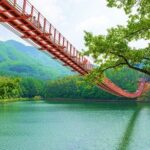
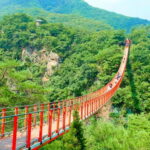
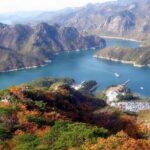
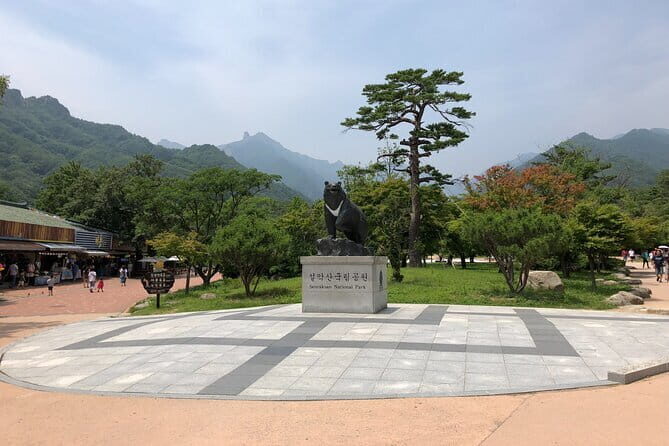
Seoraksan National Park is the star of the day. You’ll have about 5 hours there, and you can choose how you spend it depending on your comfort level. The tour notes an intermediate level of hiking is involved, so good shoes are not optional.
Here’s what you should expect on the ground:
- You can walk or hike during your free time.
- You can also take the cable car only if you selected the option that includes it.
- You’ll have access to major sight highlights around the park area, not just random viewpoints.
The biggest practical win is that you’re going during the fall season with enough time to react to conditions. If it’s clear, you can linger for views. If it’s gray or rainy, you can choose routes that keep you moving without constantly losing time.
The Buddha and Shinheungsa Temple stops
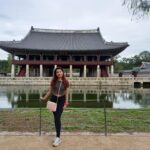
Seoraksan isn’t only about trees. You’ll also see the big Buddha and Shinheungsa Temple during your park time. This helps the visit feel more grounded in Korean culture, not just a nature photo mission.
If you’re the type who likes having a “why” for a place (not only how it looks), these stops give you that. Even if you don’t plan a long hike, you still get meaningful landmarks built into the experience.
Sokcho Tourist & Fishery Market: seafood snacks with a plan
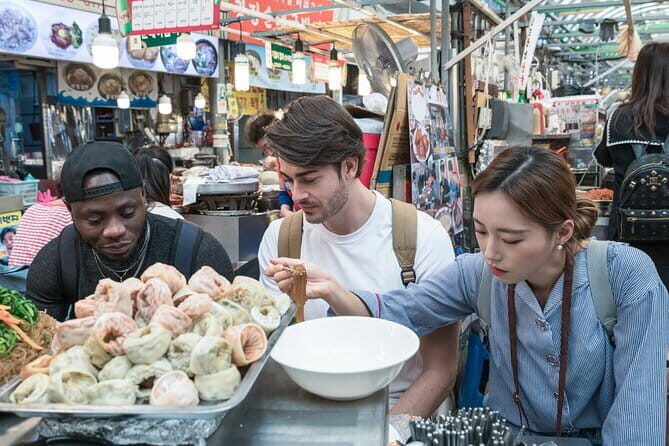
After the mountain, Sokcho Fish Market is a smart change of pace. You’ll have about 1 hour 15 minutes at the Sokcho Tourist & Fishery Market, where tourism and fishing are both happening.
What I like about this stop is that it’s flexible. With street food and seafood options, you can choose your comfort level—bite-size snacks if you’re full from earlier, or a heavier seafood-focused meal if you’re hungry.
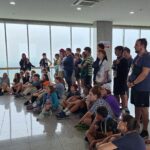
Also, this is one of those places where a guide helps more than you’d think. In the experience, guides share suggestions and can even give a pictured intro to different specialties before you start browsing. That’s handy because markets can be visually loud, and it’s easy to waste time trying to decode what’s popular versus what’s just displayed.
Tip for you: go in with a simple game plan—pick one thing you absolutely want (like a seafood snack), then use the rest of your time for wandering. With only 1 hour 15 minutes, you’ll feel less pressure to do everything.
You can also read our reviews of more tours and experiences in Seoul



Sokcho Beach: short, scenic reset after the mountain
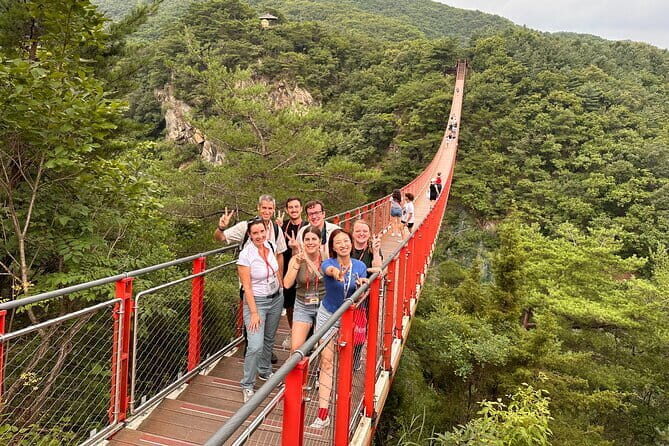
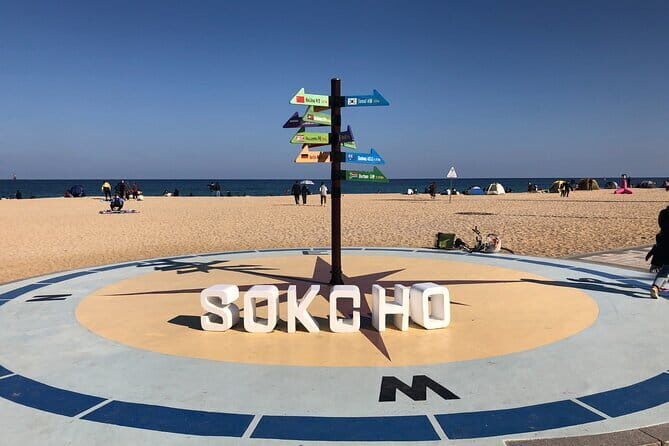
Then you head to Sokcho Beach, about 30 minutes. This isn’t a long beach day. Think of it as a nature reset before you return to Seoul.
The tour describes features around the beach area, including a park, flower path, and a pine forest trail. It’s a good way to stretch your legs after the hiking effort, and the seaside setting gives your eyes a break from the mountain steepness.
If the weather is nice, you’ll enjoy the coastal walk. If it’s wet, you’ll still get the change of scenery, but you may want to keep your pace practical—snack first, then short stroll, then back to the meeting point.
Cable car option: worth it if your legs want a break
Some departures include the Seoraksan cable car ticket; others don’t. If you choose the option, the ticket is included, and if the cable car isn’t operating, the tour states you’ll get a refund of the ticket fee in cash by the guide.
So if you’re unsure about your hiking stamina, the cable car option can make the day feel more comfortable without changing the core itinerary.
Just be aware: the tour still expects you to handle an intermediate level of walking/hiking at the park. Cable car doesn’t mean zero effort; it means fewer steps depending on how you route your day.
Price and value: $68 for a lot of moving parts
At $68 per person, this day trip is trying to solve a common problem: Seoraksan plus Sokcho is a two-location combo that can get expensive and complicated if you DIY it with taxis or lots of transfers.
You’re paying for:
- Round-trip transfers from Seoul
- English-speaking staff
- Park admission being free (as stated)
- And possibly the cable car ticket, depending on your option
Meals and beverages are not included, so you should budget for food separately—especially since the market time is built around street food. If you want to try multiple snacks, plan to spend a bit there.
Where the value really shows up for me is that the tour reduces guesswork. You’re not trying to time buses, you’re not hunting for the right entrances, and you’re not reorganizing the day when crowds build.
Timing and crowds: the early start strategy
A key part of why this works is the day structure. Pickup is designed to be early and on time, and the stops are scheduled so you’re seeing the mountain and market before the busiest crush.
That matters in autumn because Seoraksan can get packed, and Sokcho markets can feel hectic when there’s a rush. When the tour gets you there early, you spend your time looking—not waiting.
What can go wrong: weather, pace, and hiking reality
This tour depends on weather. If conditions are poor enough for cancellation, the company indicates you’ll be offered a different date or a full refund.
If you do go in rain, expect the day to feel tighter. One experience described a rainy day with intense weather and a faster pace at each location. You can still enjoy the three main stops, but you’ll likely spend less time lingering and more time moving between shelter points.
That’s not a reason to avoid the trip—it’s just a heads-up. Plan to be flexible. If rain hits, your best moves are:
- Wear shoes that handle wet ground
- Keep your route choices simple at Seoraksan
- Treat the market like a snack mission, not a slow food day
Also remember the important rule: you’re going to be walking and touring outdoors. So while the trip is “doable for most travelers,” it still isn’t a sit-and-watch itinerary.
Who should book this tour (and who might skip it)
This is a great fit if you:
- Want autumn foliage without building a complex itinerary
- Like seeing a big nature highlight plus a market-food stop
- Prefer having English-speaking guidance at the places where getting oriented helps
- Are okay with an intermediate hiking requirement at Seoraksan
You might skip it if you:
- Want a fully relaxing day with minimal walking
- Hate being outdoors in variable autumn weather
- Need a specific return point (since drop-off is either Dongdaemun or Myeongdong)
Should you book this Seoraksan–Sokcho foliage day trip?
Yes—if your priority is real autumn scenery plus authentic Sokcho food, and you want the convenience of transport handled for you. The price feels fair for the combination of Seoraksan access, guided help, and Sokcho market time. The optional cable car can also take the edge off for anyone who’s not sure about hiking duration.
I’d book it especially if you’re the type who likes structured freedom: enough guidance to make decisions easy, but enough time at each stop to actually enjoy it.
FAQ
FAQ
What’s the duration of the tour?
The tour runs about 12 to 13 hours.
How much does the tour cost?
It costs $68.00 per person.
Where are the meet-up locations in Seoul?
You’ll meet at either Hongik Univ. Station Exit 8 or Myeongdong Station Exit 4.
Where can I get dropped off at the end?
At the end, you can choose between Dongdaemun History & Culture Park Station or Myeongdong Station.
Is admission included for the places on the itinerary?
Seoraksan National Park admission is listed as free, and the other stops are also listed with free admission (except the cable car, if selected).
Is the cable car included?
Only if you choose an option that includes the Seoraksan cable car ticket. If the cable car isn’t operated, the ticket fee is refunded in cash by the guide.
How much hiking is involved at Seoraksan?
The tour notes Seoraksan requires an intermediate level of hiking and asks for proper footwear like comfortable shoes.
Are meals included?
No. Meals and beverages are not included.
What’s included in the tour package?
Included are round-trip transfers, English-speaking staff, and the cable car ticket only if your selected option includes it.
Is the tour limited in size?
Yes. The tour has a maximum of 100 travelers.