REVIEW · SEOUL
Vegan Korean Food Cooking Class: Gimbap, Sundubu Jjigae, and more
Book on Viator →Operated by Tofu Artist · Bookable on Viator
Four dishes, one vegan Korean meal. This small workshop in Itaewon-dong has you making hands-on versions of beloved favorites, from rolling gimbap to cooking sundubu-jjigae. You also work with tofu in a way that feels practical, not just theoretical, with a focus on flavor and texture.
What I really like is the instruction style. The host, Soomin, walks you through steps clearly and keeps explaining ingredients and traditions as you cook, which makes the food feel more like Korean cuisine and less like a random recipe list. You’ll also end up with a full, all-vegan meal you can understand and repeat at home.
The one thing to consider is logistics: it’s on the 3rd floor with no elevator, so bring comfortable shoes and plan for stairs.
In This Review
- Key things to know before you cook
- World Food Street Itaewon at 11:00: a practical Seoul food setting
- Small group cooking with host Soomin: how the class stays relaxed
- Gimbap: rolling your own Korean handheld meal
- Sundubu-jjigae from scratch: tofu stew with real heat control
- Biji-jeon soy pulp pancakes: turning humble ingredients into comfort
- Hwa-jeon with edible flowers: a showpiece you can actually make
- The full meal flow: what happens during your 2.5 hours
- Gluten-free on request and vegan focus: what you should plan for
- Price and value: why $75 feels fair for what you do
- Who this class suits best (and who might not)
- Quick booking checklist before you go
- Bottom line: should you book this vegan Korean cooking class?
- FAQ
- What dishes will I learn to cook?
- How long is the cooking class?
- Where does the class meet?
- What time does it start?
- How big is the group?
- Is the class fully vegan?
- Is gluten-free available?
- What if I have mobility concerns about stairs?
- How soon will I get confirmation after booking?
Key things to know before you cook

- Four core dishes in about 2.5 hours, so you get real momentum instead of one slow project
- Soomin’s step-by-step guidance, plus ingredient and tradition context while you’re actively cooking
- Tofu-forward Korean food, showing how tofu works in stew, pancakes, and more
- Gimbap rolling plus from-scratch sundubu-jjigae, giving you both snack and soup skills
- Biji-jeon and Hwa-jeon, which add variety beyond the usual Korean lineup
- Small group cap of 4 travelers, which helps you get questions answered
World Food Street Itaewon at 11:00: a practical Seoul food setting

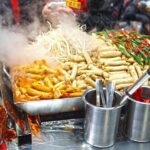
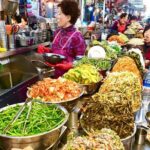
This class starts at 11:00 am and takes about 2 hours 30 minutes, making it a great midday plan. You’re meeting in Itaewon-dong, Yongsan District, in the area described as World Food Street, so you’re not stuck in a hidden corner. That matters because it’s easier to pair with other Itaewon stops before or after.
The biggest practical advantage here is that you’re in a neighborhood where you’ll likely find lots of food options nearby, but you’re specifically learning how Korean staples are built. In other words, you’re not just eating out. You’re learning the method you can use later when you’re searching for vegan food in Seoul.
Also, you’ll want to remember the 3rd-floor walk-up detail. The listing notes there’s no elevator, so if stairs are difficult for you, this is something to weigh before you book. If stairs are fine, plan on arriving a few minutes early so you’re not rushing.
You can also read our reviews of more food & drink experiences in Seoul
Small group cooking with host Soomin: how the class stays relaxed
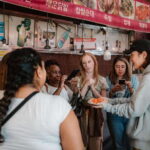
A maximum of 4 travelers is the sweet spot for a cooking workshop. It means you’re not standing behind a crowd hoping you’ll catch the instructor’s attention. You can ask questions in real time and adjust while you cook.
And the host experience matters here. Soomin is described as friendly and clear, with step-by-step instructions you can follow without feeling lost. That clarity is especially important in Korean cooking, where small choices in seasoning and texture can change the dish fast. The class also focuses on ingredients and traditions, so you’re learning what each part is doing, not just what to add.
If you care about vegan cooking in particular, this workshop is useful because it shows how tofu can take on different jobs. It’s one thing to say tofu is versatile. It’s another to see tofu move from stew to pancake-style cooking, and to watch how the surrounding ingredients make it taste Korean, not bland.
Gimbap: rolling your own Korean handheld meal

Gimbap is the classic reason many people want a Korean cooking class. Here, you’ll assemble and roll gimbap, which is a skill you can reuse for lunches and picnics. The value is that you get to practice the process instead of treating it like an assembly-line food you buy and eat.
What to focus on during gimbap time:
- How the filling is portioned and spread so it rolls without tearing
- How the rice and toppings work together so it tastes balanced, not just “rice plus stuff”
- How to keep the roll tight enough to slice cleanly
Since this is vegan, you’re also learning how Korean flavors can come through without animal-based ingredients. That’s the practical payoff: once you understand the structure of gimbap, you can adjust fillings at home while keeping the Korean feel.
One drawback to know: rolling can be a little fiddly at first. If you’ve never handled a bamboo mat before, go in with patience. The format helps because it’s hands-on with small group attention, so you’re not stuck watching from a distance.
Sundubu-jjigae from scratch: tofu stew with real heat control

Sundubu-jjigae is comfort food in stew form: soft tofu, savory broth, and the kind of heat that warms you without burning you out. In this class, you cook it from scratch, which is a big difference from many cooking experiences where you only assemble final touches.
This is where you’ll learn how Korean-style stew builds flavor:
- You start from the base and let seasoning choices work together
- You bring tofu into the process so it stays tender
- You experience how texture changes when you go from pot to bowl
For anyone who likes soups or wants a reliable vegan dinner, this dish is high value. It’s also a confidence builder. If you can make sundubu-jjigae, you can usually make other tofu stews by adapting the seasoning profile.
Sundubu-jjigae also tends to be a meal people miss when they go vegan. Learning it here gives you a go-to recipe that feels culturally specific. You’re not just making “a tofu soup.” You’re making a dish with Korean method.
Biji-jeon soy pulp pancakes: turning humble ingredients into comfort
Biji-jeon brings variety. It’s not the same as gimbap or stew, and that’s a good thing. You prepare and cook biji-jeon, described as soy pulp pancakes. This dish teaches an important skill: how to work with an ingredient that many people don’t cook with at home.
Soy pulp pancakes are a useful learning experience because they show how texture and binding can create something that feels hearty. The practical takeaway is that Korean vegan cooking often uses smart food structure—ingredients that might look simple are turned into satisfying bites with the right cooking approach.
If you’re the type of traveler who wants more than one “main event” recipe, biji-jeon is a strong addition. It gives you a different category of dish: savory pan-cooked comfort.
And because it’s a class, you’re not stuck guessing timing. You get guided practice, which matters a lot with pancakes. Overcook and they get dry. Undercook and they won’t set right.
You can also read our reviews of more tours and experiences in Seoul




Hwa-jeon with edible flowers: a showpiece you can actually make

Hwa-jeon is the visual star. In this workshop, you shape and cook glutinous rice dough and top it with seasonal edible flowers. Even if you’re not trying to impress anyone, you’ll understand why this matters: Korean food can be playful and seasonal, not only hearty and savory.
This portion is especially memorable if you like learning how traditional ingredients show up in food presentation. The edible flowers aren’t just decoration here. They connect flavor, texture, and seasonal timing in a way that’s hard to pick up from a written recipe alone.
Practical tip for this dish: focus on dough handling. Glutinous dough can be sticky and sensitive to how you shape it. The class format helps because you can follow step-by-step instructions and adjust your technique in the moment.
If you want a recipe that feels “Korea” even when you’re eating at home, hwa-jeon is your best bet. It’s distinctive, and it makes the whole workshop feel more creative than purely utilitarian.
The full meal flow: what happens during your 2.5 hours
The structure is built so you move through multiple cooking modes:
- rolling gimbap (handheld assembly)
- cooking sundubu-jjigae (from-scratch stew work)
- preparing and cooking biji-jeon (pan cooking)
- shaping and cooking hwa-jeon (dough handling and presentation)
That mix is part of the value. You’re not only learning recipes; you’re learning how different Korean cooking styles feel in your hands and in your timing.
You’ll also likely leave with a strong sense of how tofu fits across dishes. The workshop emphasizes tofu versatility, and once you’ve cooked tofu in more than one format, you start seeing tofu as an ingredient that can carry multiple roles.
If you’re hungry, plan for it. One practical piece of advice from the way people talk about this experience is simple: don’t overdo breakfast. Bring appetite, because this is a cooking class where you’re making several dishes and ending up properly fed.
If you think you might want leftovers later, consider bringing a container. People often like to take a portion home rather than letting good food cool in a bag.
Gluten-free on request and vegan focus: what you should plan for

This class is vegan and is described as suitable for a range of dietary needs. It also notes gluten-free on request, which is useful if you avoid gluten. The key practical move is to request it when you book so the team can plan accordingly.
Also worth noting: the workshop states it’s Muslim-friendly. That’s a helpful flag if you’re seeking a plant-based experience that can fit your expectations. Still, as with any cooking class, it’s smart to confirm any specific dietary requirements with the organizer during booking or after you receive confirmation.
Service animals are allowed, and the workshop is near public transportation, which makes it easier to reach without a taxi.
Price and value: why $75 feels fair for what you do
At $75 per person, this workshop sits in a range that can either feel like a treat or like a bargain, depending on what you want.
Here’s why the value works for the right person:
- It’s hands-on rather than just watching
- You make multiple dishes in one session, not one starter
- You get focused attention in a small group of up to 4
- You learn technique plus context, including ingredient/tradition explanations
You’re paying for instruction time and practice time. And in cooking classes, that matters more than the ingredient list. Someone with step-by-step teaching helps you avoid the common traps like watery stew, wrong pancake texture, or rice that doesn’t roll right.
Also, this is a weekday-friendly midday class, which can be easier to fit than evening tours. That schedule can be part of the value if your Seoul plans are tight.
One more useful detail: this experience is commonly booked around 41 days in advance on average. If you want a specific day, don’t wait until the last moment.
Who this class suits best (and who might not)
This workshop is ideal for you if:
- you want a full vegan Korean meal you can cook yourself
- you like hands-on learning rather than browsing menus
- you care about tofu and want to see how it works across dishes
- you enjoy asking questions and getting clear guidance
It’s also a good match if you’re a solo traveler who wants more interaction. With a cap of 4, there’s more chance you’ll get your questions answered without feeling like you’re on the outside of a group conversation.
You might reconsider if:
- stairs are a problem for you (3rd floor, no elevator)
- you dislike structured cooking classes and prefer eating out
If you’re more of a “street food and wandering” type, this is still fun, but it’s less about roaming and more about learning a repeatable culinary skill.
Quick booking checklist before you go
Before you book, I’d do three things:
- Choose comfy shoes for the 3rd-floor walk-up
- Plan your day around the 11:00 am start and the 2.5-hour length
- If you need gluten-free, request it ahead of time
You’ll receive confirmation within 48 hours of booking, subject to availability, and you get a mobile ticket.
Cancellation is offered with a full refund if you cancel at least 24 hours before the start time, which makes planning easier when your Seoul schedule is still changing.
Bottom line: should you book this vegan Korean cooking class?
If you want to leave Seoul with more than photos, book this. The best reason is simple: you leave with practical Korean cooking skills across a real meal lineup—gimbap, sundubu-jjigae, biji-jeon, and hwa-jeon—not just one dish.
It’s also a smart fit if you’re vegan and sometimes feel like you have to compromise when you eat out. This class gives you a full Korean meal you can actually understand and recreate, with tofu playing a starring role.
Just respect the logistics: the 3rd-floor walk-up is real. If that’s manageable for you, this is the kind of experience that turns into a go-to cooking memory, not a one-time activity.
FAQ
What dishes will I learn to cook?
You’ll learn to make gimbap and sundubu-jjigae from scratch, prepare and cook biji-jeon (soy pulp pancakes), and shape and cook hwa-jeon using glutinous rice dough topped with seasonal edible flowers.
How long is the cooking class?
The class lasts about 2 hours 30 minutes.
Where does the class meet?
The meeting point is Itaewon-dong, Yongsan District, Seoul, South Korea, and it ends back at the meeting point.
What time does it start?
The start time is 11:00 am.
How big is the group?
The class has a maximum of 4 travelers.
Is the class fully vegan?
Yes, the workshop is described as a vegan Korean cooking experience.
Is gluten-free available?
Gluten-free is available on request.
What if I have mobility concerns about stairs?
The activity is on the 3rd floor and there is no elevator.
How soon will I get confirmation after booking?
Confirmation is received within 48 hours of booking, subject to availability.