REVIEW · SEOUL
Seoul: Mt. Seoraksan National Park Autumn Foliage Day Tour
Book on GetYourGuide →Operated by KTOURSTORY · Bookable on GetYourGuide
The bus ride to the mountains can feel like a reset button. This day tour gets you from Seoul into Seoraksan National Park in time to enjoy the early autumn show, with hiking options, granite peaks, and temple scenery along the way.
What I love most is the mix of structure and freedom: you get transportation handled for you, but once you’re in the park you have time for your own pace. I also like that the staff speak English and Chinese, so it’s easier to ask questions on the fly.
One drawback to plan around: the park day can get affected by weather and wind, and that can limit what you see from certain viewpoints.
In This Review
- What to Know Up Front Before You Go
- Key Highlights Worth Your Time
- Morning Pick-Up: The Value of Leaving Seoul Early
- Arriving Around 10:00 AM: What Seoraksan Looks Like in Autumn
- Hiking the Famous Trails: Ullsabwawi and Easier Walks
- Temples and Quiet Stops: Getting More Than Views
- Timing That Works: 5 Hours On Your Own and a 15:30 Return
- Guides and Real-World Help: David, Jiwwon, Alice, and Tino
- Price and Value: When $60 Makes Sense (and When It Doesn’t)
- Cable Car Reality Check and Weather Adjustments
- Who This Tour Suits Best
- Should You Book This Seoraksan Autumn Day Tour?
- FAQ
- What is included in the tour price?
- How much time do I get inside Seoraksan National Park?
- Do I need to pay for the cable car separately?
- What time does the tour depart and return?
- What should I bring for the hikes?
- What happens if the weather is bad?
- Is the tour suitable for families or kids?
What to Know Up Front Before You Go
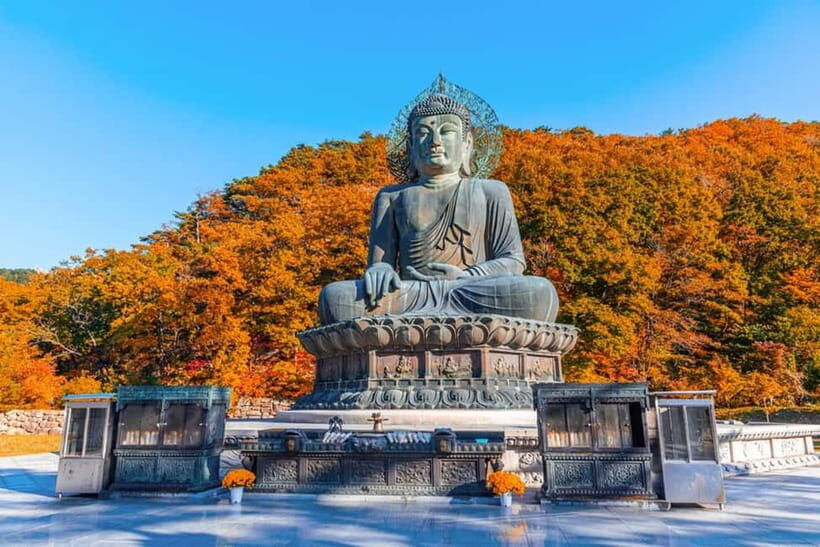
Seoraksan is a real mountain day, not just a quick photo stop. You’ll have the chance to hike, take photos, and even walk toward Ullsabwawi, but the terrain can mean lots of steps and uneven ground—so bring proper shoes and expect to work a bit.
If the weather is rough, don’t be surprised if your views are reduced or conditions feel colder than you packed for. That’s not a deal-breaker; it just changes how long you’ll want to stay out at the exposed spots.
Key Highlights Worth Your Time
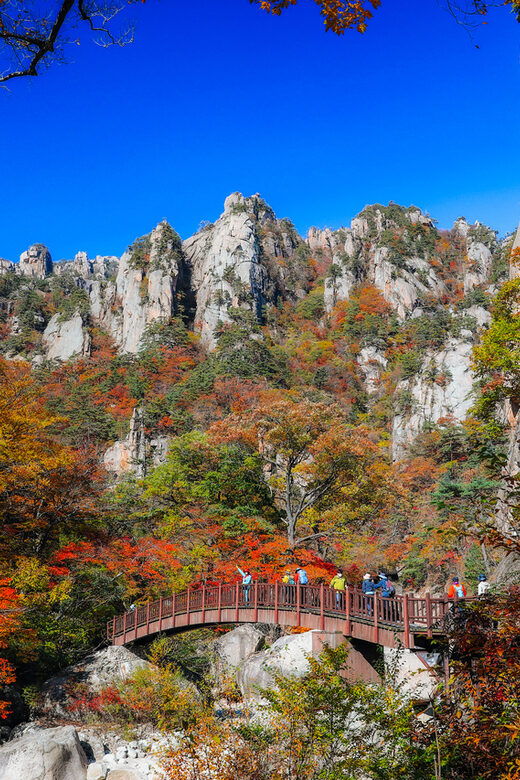
- Early arrival timing: you’re in the park around 10:00 AM when the fall colors are already rolling out
- Big hiking options: routes like Ullsabwawi can be step-heavy, plus there are easier walks if you want less effort
- Independent park time: you get around 5 hours for your own hiking and breaks inside the park area
- Photo-friendly viewpoints: granite peaks and changing leaf colors make it easy to find great angles
- Temples in the woods: you may spot small religious sites tucked along mountain paths
- On-the-ground support: English/Chinese-speaking staff help with basic info and trip flow
You can also read our reviews of more tours and experiences in Seoul.

Morning Pick-Up: The Value of Leaving Seoul Early
This tour is built for one thing: getting you out of Seoul fast enough to enjoy real mountain daylight. You depart early in the morning, then head toward Seoraksan in Gangwon Province. The park is described as Korea’s northernmost national park and home to some of the country’s tallest peaks, so the payoff comes from time in the mountains—not just a short bus stop.
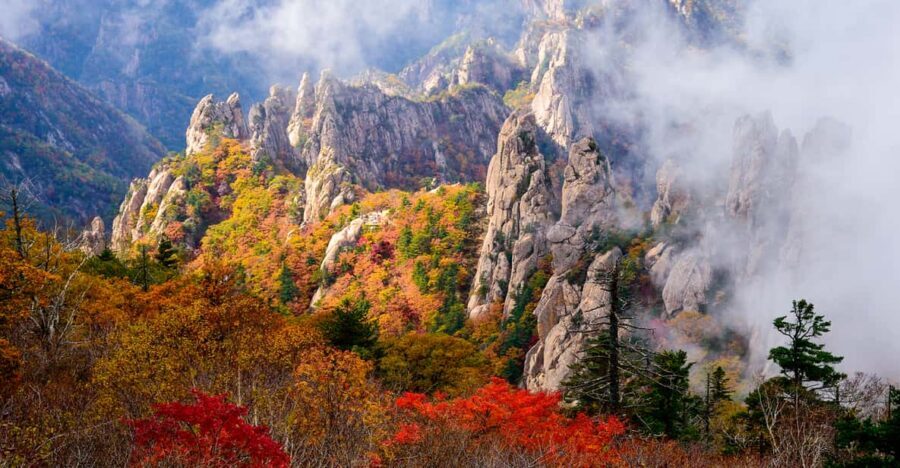
By the time you approach the park at around 10:00 AM, you’re typically looking at slopes painted in reds, oranges, and yellows. That timing matters. If you arrive late, you may get crowds and darker light, and photos tend to suffer. Here, you’re set up to walk while visibility is still good and the light is kinder for peak-and-forest shots.
On logistics, transportation is included, and the staff speak English and Chinese. That combination is practical: you don’t have to figure out local transit schedules or translation on the spot, and you can focus on walking, photos, and enjoying the crisp air.
One more small but real tip: make it to the meeting point on time. There’s at least one situation where late arrivals caused the whole group to wait on the way back. Even if you don’t control schedules, you can control whether you’re part of the delay.
Arriving Around 10:00 AM: What Seoraksan Looks Like in Autumn
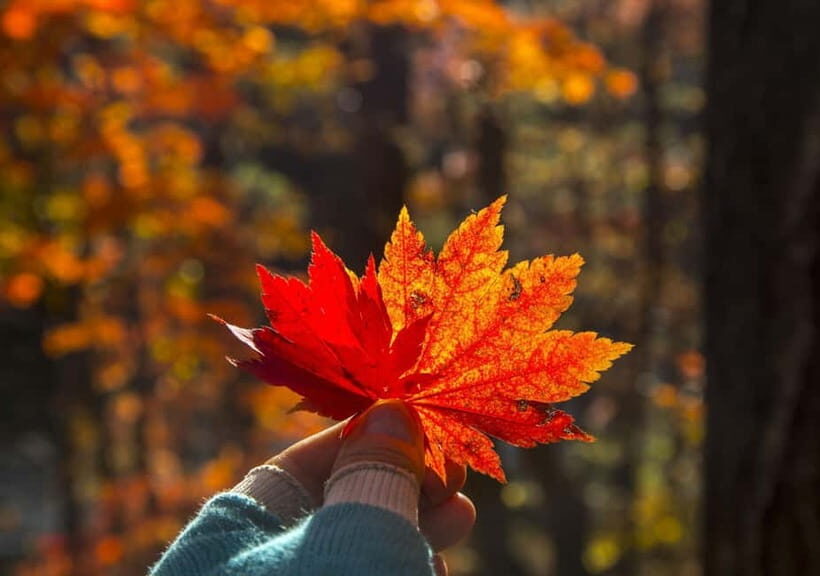
Once you’re near the park, you can expect an immediate visual shift. The mountains are supposed to be blanketed in autumn colors—red, orange, and yellow—so even before you start your hike, it feels like you stepped into a different world.
What’s special is the contrast. Seoraksan isn’t just about leaf color. You also get views of dramatic granite peaks, so you’re photographing both changing forest colors and long, steep rock forms. That mix is why people keep coming back in autumn: the peaks give the scenery structure, and the leaves give it warmth.
Inside the park area, you’ll have a set window to explore at your own pace, which means you’re not forced into a strict group rhythm. If you want a slower walk to take pictures and rest often, you can. If you want to push for one main viewpoint, you can.
The main weather reality check: autumn can still bring wind and rain, especially in exposed areas. One traveler described wind seriously affecting their day, leading to fewer meaningful views. Another noted they got soaked while hiking in autumn conditions. So plan for the possibility that you’ll adjust your route based on what the mountain weather is doing that day.
Hiking the Famous Trails: Ullsabwawi and Easier Walks
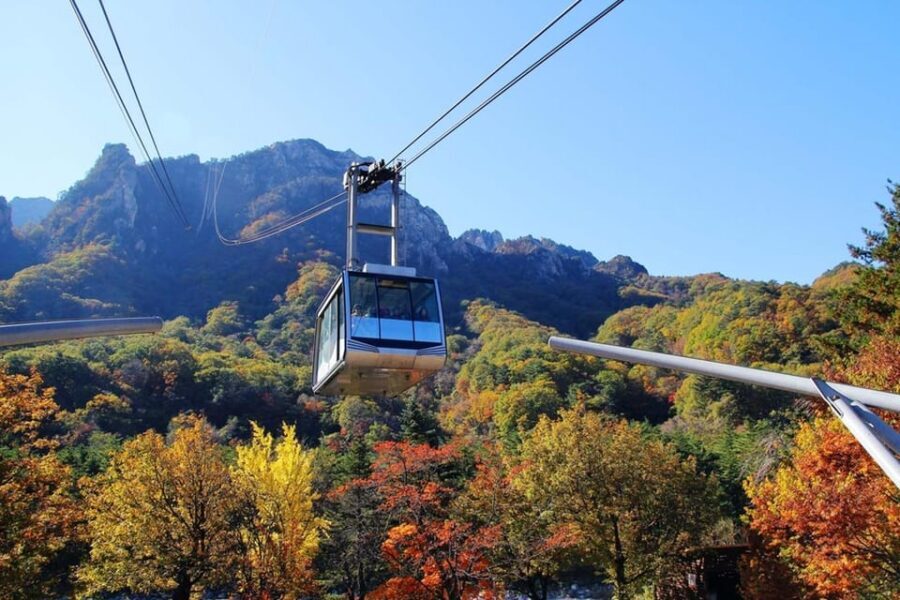
The core experience here is hiking. You’ll find trails along the mountainside where you can catch those autumn colors and mountain views from different angles. The tour gives you time to choose how much effort you want to spend.
A standout destination for the more committed hikers is Ullsabwawi. One of the reviews highlights the hike to Ullsabwawi as tough, mainly because of the sheer number of steps. If you choose that route, treat it as a workout, not a stroll. The same review notes it took around 4 hours for that hiked portion (and still left time afterward), which tells you the route can be time-intensive but workable if you’re pacing yourself.
That’s balanced by the other option: if hiking isn’t your thing, you’ll likely find more basic walks too. The point isn’t to force you onto steep climbs. It’s to give you a range—so you can still experience Seoraksan without destroying your knees.
Practical hiking advice from day-trip logic:
- Start early inside your free time so you’re not racing the schedule.
- If you’re going toward Ullsabwawi, expect steps, and plan breaks before you feel wiped out.
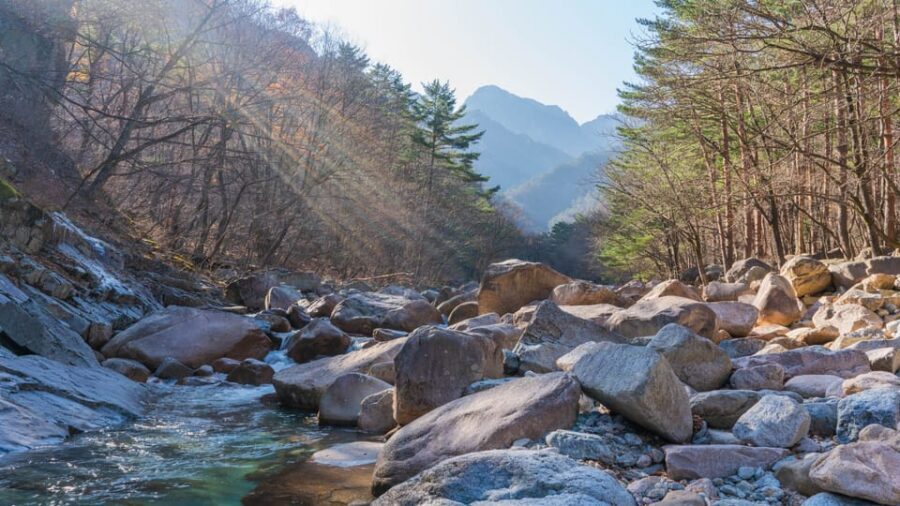
- Bring shoes with grip. Comfortable is the minimum requirement, but traction matters more than people expect on uneven mountain paths.
Temples and Quiet Stops: Getting More Than Views
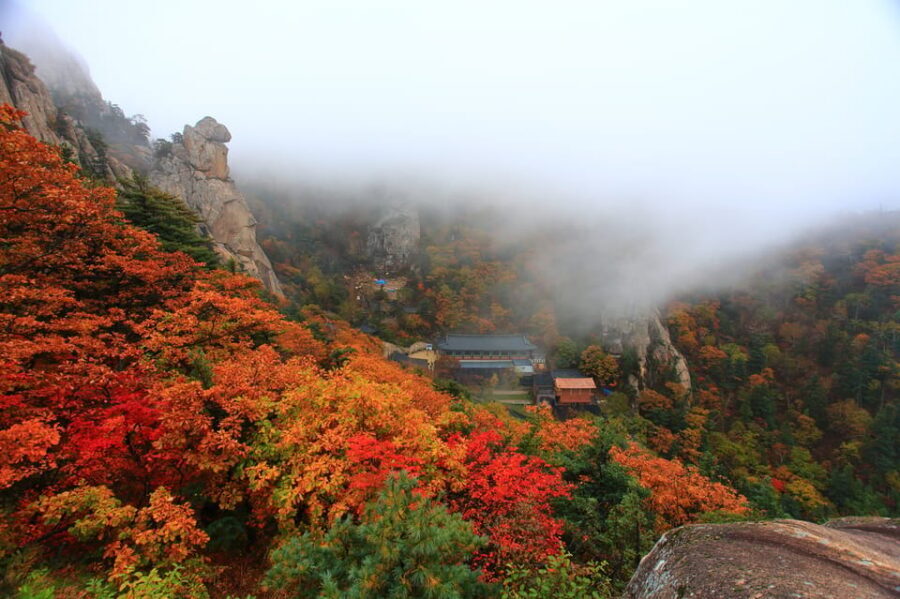
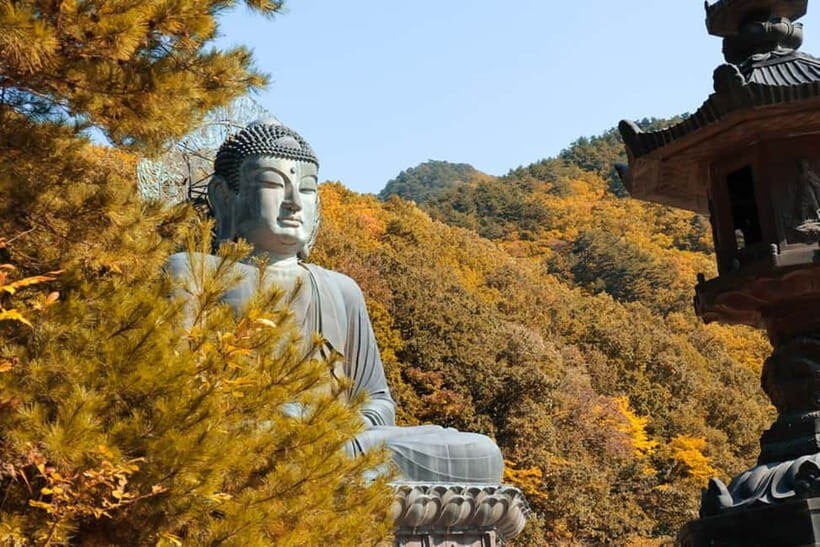
Seoraksan isn’t only peaks and leaves. Part of the charm is that you can encounter calm religious sites along the way. The tour description specifically mentions temples nestled in the woods, and the overall vibe of the park supports that kind of slower, reflective pause.
This matters because it changes how the day feels. A pure viewpoint hop can feel rushed. Temple-and-path scenery tends to encourage you to take breaks, read the quiet, and photograph differently—not just wide shots of mountains, but small moments like stone paths, forest light, and stillness between hikes.
If you’re traveling with someone who doesn’t want to do the longest route every time, these softer stops can be a good compromise. You can walk a moderate path, take in a calm spot, then return to your main route plan.




Timing That Works: 5 Hours On Your Own and a 15:30 Return
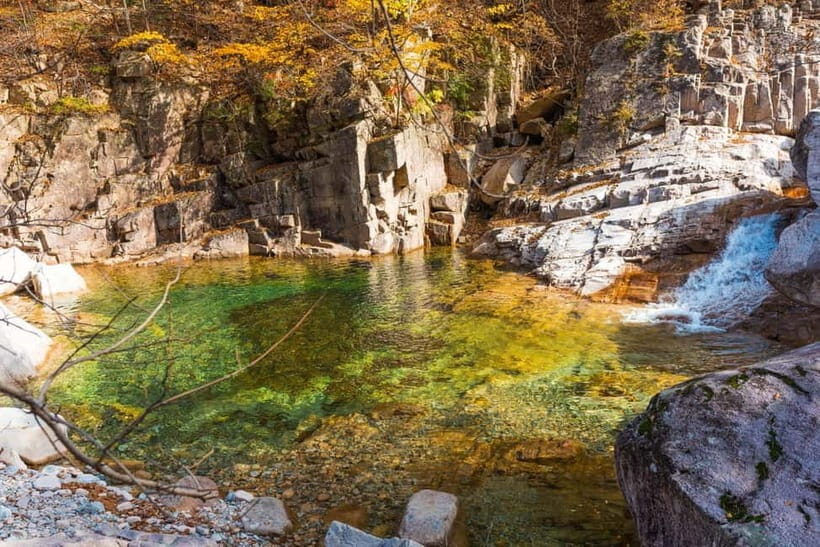
The schedule is designed around one key block: after you arrive and get settled, you have about 5 hours of individual time in the park. That’s a sweet spot for a mountain day trip.
It’s long enough to:
- hike toward at least one major viewpoint (like Ullsabwawi, if you’re prepared),
- take breaks,
- grab food if you want it (there are restaurants inside the park area),
- and still avoid the feeling of being rushed by a nonstop group pace.
It’s also short enough to keep the day doable. You’re not sacrificing your entire weekend. You return to Seoul by bus, with the ride back at about 15:30, arriving somewhere around 18:30 to 19:20.
This timing makes a difference for value. You’re paying for a guided logistics layer, but you’re also getting meaningful time outdoors. If you’ve ever taken a day trip where you only get 90 minutes of actual sightseeing, you’ll appreciate this structure.
There’s also a subtle human factor: since the free time is individual, you can react to conditions. Windy? You can shift to routes with fewer exposed spots. Rainy? You can shorten the climb and focus on what’s still accessible.
Guides and Real-World Help: David, Jiwwon, Alice, and Tino
The tour is run by KTOURSTORY, with staff who speak English and Chinese, and that language support shows up in the way the day is handled.
One traveler specifically thanked David and the driver for an outing in the fresh air. Another mentioned Jiwwon as sweet and attentive. Alice is named in a rest-stop context, where basic information was shared on the way. Tino also comes up, with praise for patience and attentiveness.
What I take from those names is this: even with a day that’s mostly about hiking, the staff are still part of how smoothly your day runs. Rest stops and clear explanations help when you’re in a place that’s bigger than it seems from the entrance area.
If you prefer to ask questions early—where to go, how to pace a climb, what conditions look like—this tour gives you that chance.
Price and Value: When $60 Makes Sense (and When It Doesn’t)
At $60 per person, this is a straightforward price point for a Seoul-to-mountain day trip. What you’re paying for is mostly the hard part: transportation and staffing support.
Included:
- Transportation
- English and Chinese-speaking staff
Not included:
- Meals
- Cable car ticket
- Traveler’s insurance
- Personal expenses
So here’s the value math. If you were to arrange transport on your own, you’d still pay for getting out and back, and you’d spend time figuring out the best way to reach the park plus deal with language friction. This tour reduces that workload.
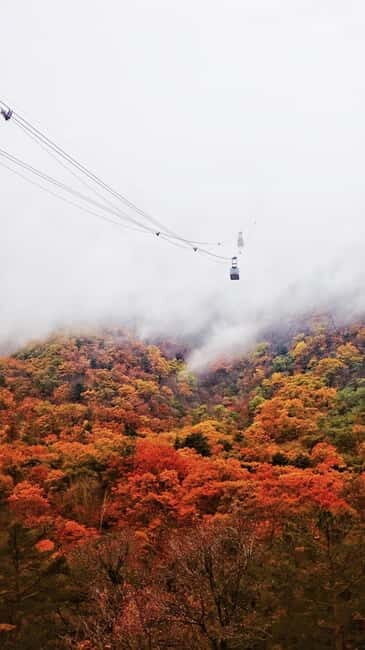
The main “gotcha” is the cable car. The tour does not include cable car tickets, so if you want that option, you’ll need to budget extra. Cable cars can also change what kind of hiking you do—if you want Ullsabwawi and long steps are your plan, you may not need it. If you want the easiest scenic access, it’s more relevant.
Also keep meals in mind. Since meals aren’t included, plan either for snacks or for paying at restaurants once you’re inside the park.
For fit: I’d call this a good deal if you want a hassle-free day and you’re comfortable with hiking effort. If you dislike walking, the day can feel like “too much mountain,” because the tour’s point is getting you onto trails.
Cable Car Reality Check and Weather Adjustments
Let’s talk about the cable car and weather in practical terms.
First: the cable car ticket is not included. So if cable access is part of your plan, you’ll either buy it separately or decide against it. One review also points out that the time in the park included no cable car component for their day setup, meaning you shouldn’t treat the cable car as automatically part of the experience.
Second: weather can decide how much you enjoy the day. The park is famous for autumn colors, but wind can also cut views. That’s what happened to one traveler, where wind seriously reduced what they could see. Another noted they got soaked, so even in autumn, rain or sudden weather shifts are possible.
My advice: pack like you’ll need options.
- Bring comfortable shoes with grip.
- Add a light rain layer if you have it.
- Keep your expectations flexible. If you get cloudy or windy conditions, focusing on reachable trails and calmer viewpoints can still make the day worthwhile.
Who This Tour Suits Best
This tour is ideal for:
- People who want an easy Seoul-to-nature escape without managing transit
- Autumn photographers who want both leaf color and granite peak views
- Hikers who can handle steps, but also want the option for easier walks
- Travelers who like some structure (transport + staff) with time to explore on their own
It’s less ideal if:
- You’re avoiding all uphill stairs or rough paths
- Your plan depends entirely on cable car access
- You’re extremely sensitive to wind/rain and don’t like adjusting routes
Should You Book This Seoraksan Autumn Day Tour?
I’d book it if you want a full day in the park with a good balance of help and freedom. The combination of included transportation, English/Chinese support, and roughly 5 hours of independent exploring is exactly what makes a day trip feel worth it.
I wouldn’t book it if you’re only interested in a single smooth, low-effort viewpoint, or if you absolutely can’t handle the possibility of wind or rain affecting visibility. Seoraksan is outdoors-first. When conditions are good, you’ll love it. When they’re rough, you’ll need to pivot.
If you’re prepared for steps, shoes, and a weather-flex mindset, this is a solid autumn choice.
FAQ
What is included in the tour price?
Transportation plus an English and Chinese speaking staff are included. Meals, traveler’s insurance, other personal expenses, and the cable car ticket are not included.
How much time do I get inside Seoraksan National Park?
You’ll have around 5 hours of individual time in the park for hiking and exploring.
Do I need to pay for the cable car separately?
Yes. The cable car ticket is not included, so you’ll need to pay separately if you want to use it.
What time does the tour depart and return?
You leave Seoul early and arrive at the park around 10:00 AM. After free time in the park, you head back to Seoul at about 15:30 and arrive around 18:30 to 19:20.
What should I bring for the hikes?
Wear comfortable shoes. The terrain includes trails and, on some routes like Ullsabwawi, a lot of steps.
What happens if the weather is bad?
The operation period can be changed due to weather conditions, and the itinerary can be affected by traffic and weather. You should be ready for route adjustments.
Is the tour suitable for families or kids?
The tour is described as popular for family and friends to enjoy peaceful time away from Seoul. Infants are free of charge, but there is no seat available for them.
If you tell me your hiking comfort level (easy walks only vs. you’re okay with stairs), I can suggest which approach in Seoraksan tends to work best for that style.