REVIEW · SEOUL
Danyang Tour:Guinsa Temple & Bobaljae & Cheongpung Cable Car
Book on GetYourGuide →Operated by Lecirt · Bookable on GetYourGuide
Guinsa Temple in the woods is a powerful way to start. This Danyang tour pairs Korea’s largest temple with a high-drama cable car over Cheongpungho Lake, plus photo stops around Bobaljae. You’ll also get the small, human details that make the day feel guided rather than rushed.
Two things I’d put at the top: the chance to eat vegetarian temple food (included) and the big view payoff from the Cheongpung Hoban Cable Car. It’s the kind of combo that works whether you want culture, scenery, or both.
One watch-out: you’ll deal with walking and stairs at the temple and surrounding areas, so comfortable shoes really matter. If you’re hard on your legs, plan for breaks and pace yourself.
In This Review
- Key Highlights (What Makes This Trip Worth Your Time)
- Guinsa Temple: Korea’s Largest Temple, Real Time in the Stairs
- Temple Food and the Monk-Style Break You’ll Be Glad You Took
- Bobaljae Observatory: Scenic Stops That Feel Like a Reward
- Cheongpung Hoban Cable Car: The Big View Moment Over Cheongpungho Lake
- Driving From Seoul: Why This Tour Solves a Real Problem
- The Group Experience: Small Group Energy and Guide Help
- Price and Value: What $105 Buys You (And What It Doesn’t)
- When to Go: Autumn Is the Obvious Choice
- Who Should Book This Tour (And Who Might Skip It)
- Should You Book This Danyang Tour?
- FAQ
- How much does the tour cost?
- What’s included in the price?
- Are meals included?
- Is the tour suitable if I don’t want a lot of walking?
- What language support do I get?
- How many people are needed for the tour to run?
- Where do I meet the group, and where do we return?
Key Highlights (What Makes This Trip Worth Your Time)
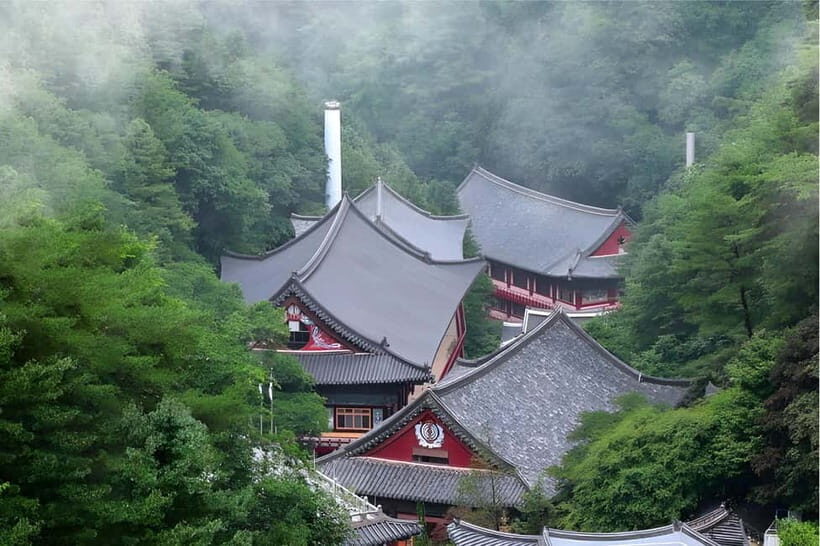
- Guinsa Temple: Korea’s largest temple, with lots to see once you’re inside the grounds
- Free vegetarian temple meal: a real taste of temple-style food
- Bobaljae Observatory and drive: photo moments and scenic roads (especially in autumn)
- Cheongpung Hoban Cable Car: an aerial ride with standout views of Cheongpungho Lake
- A guide who helps with more than facts: several guides are praised for clear info and photo support
Guinsa Temple: Korea’s Largest Temple, Real Time in the Stairs
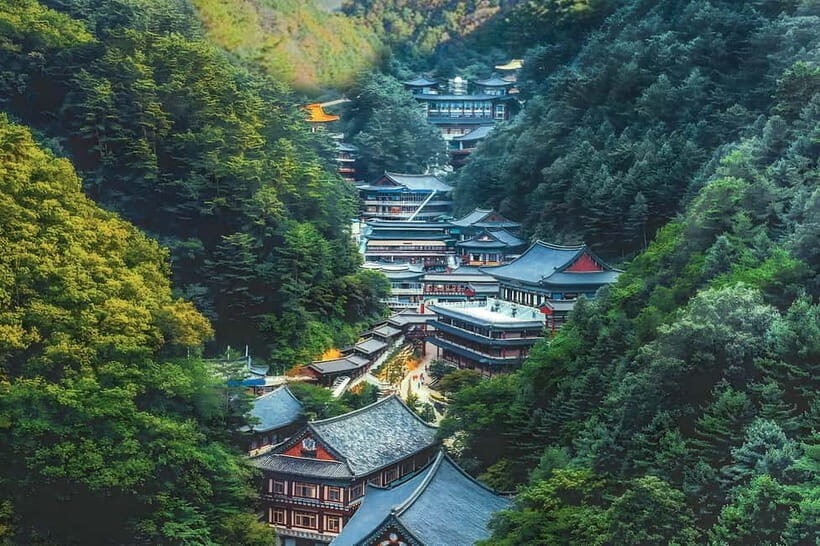
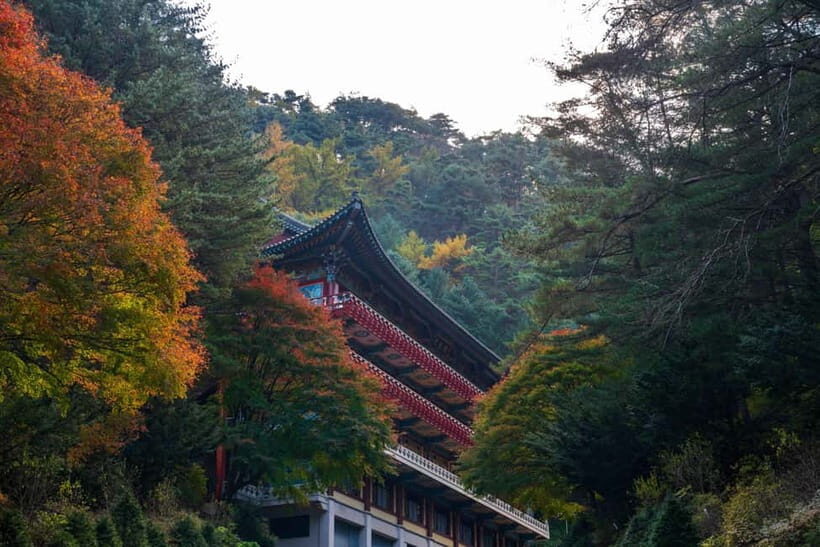
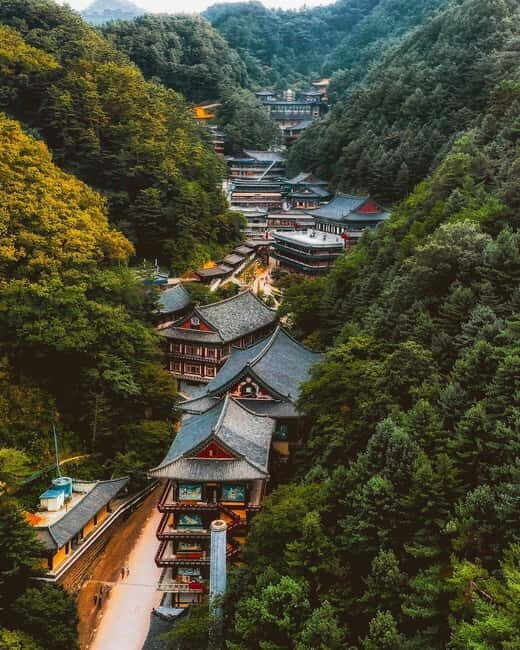
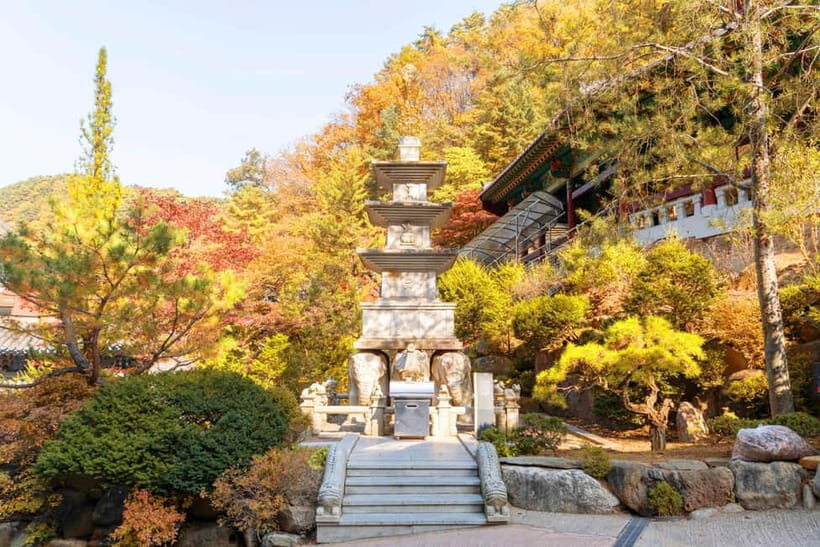
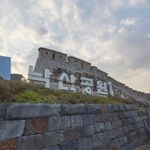
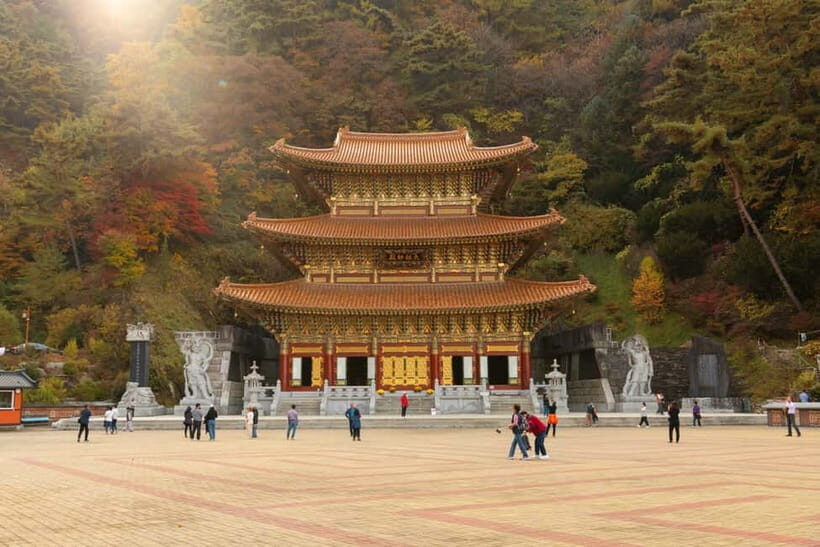
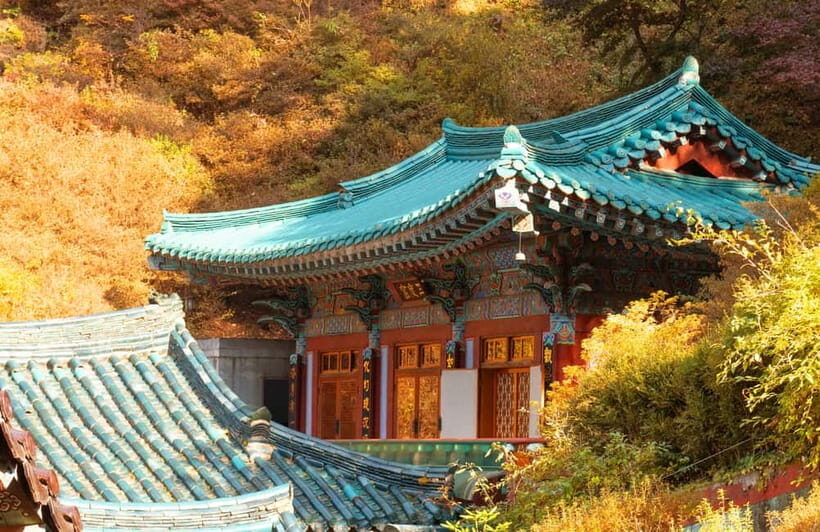
Guinsa Temple is the cultural anchor of this day trip, and it’s not a quick stop. It’s described as being deep in the woods, and that matters: once you’re there, you feel like you’ve stepped into a quieter pocket where the buildings and cliffside/rockside scenery do most of the talking. The tour is built around giving you enough time to actually look, not just walk past doors.
The main value for you is scale plus atmosphere. When a place is called the largest temple in Korea, it usually means you’ll spend more time moving through halls, courtyards, and viewpoints. That’s great for photographers and history lovers, but it’s also exactly why the day involves walking and stairs. Bring shoes you trust, and don’t treat this like an easy “sit and watch” outing.
The most memorable detail for me, in terms of what you’re actually doing (not just seeing), is the free chance to eat vegetarian temple food. That’s the sort of cultural experience that’s hard to replicate on your own without planning ahead, and it gives you a sensory break from temple steps and uneven terrain. If you’re curious about how food and daily ritual connect in Korean temple life, this is the part to lean into.
You can also read our reviews of more tours and experiences in Seoul.
Temple Food and the Monk-Style Break You’ll Be Glad You Took
This tour doesn’t just toss in food as an afterthought. The vegetarian temple meal is described as being offered for free, and that’s a meaningful “value add” because meals often become the hidden cost on day trips. Even if you end up snacking later, having a meal included gives you a calmer day.
What makes temple food interesting is that it’s typically simple, plant-based, and served in a way that feels tied to the temple’s rhythm. You’re not just eating; you’re participating in a small cultural moment. If you’ve ever tried to order Korean vegetarian food outside a temple setting, you’ll likely notice the difference in how it’s presented and how it fits the setting.
Practical tip: temple meals usually aren’t huge, and you may still want light snacks later. But having one solid meal on the schedule helps you stay energized for the cable car and the observatory viewpoints later.
Bobaljae Observatory: Scenic Stops That Feel Like a Reward
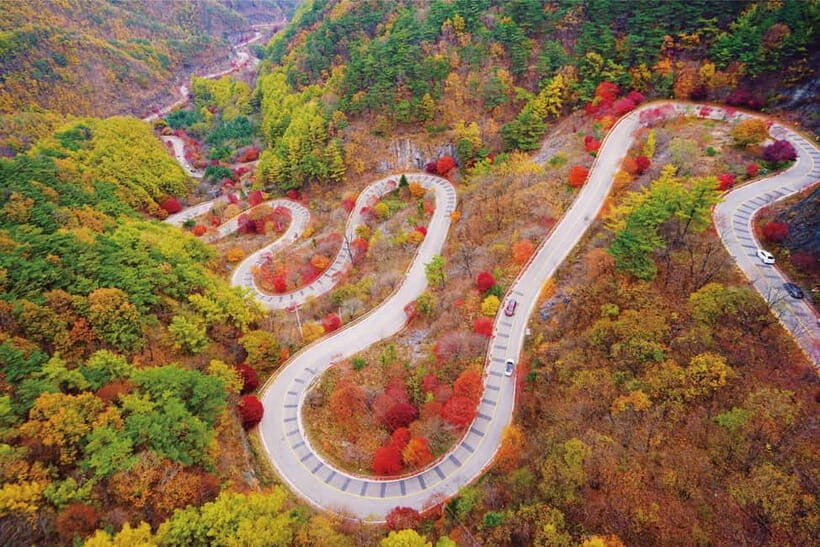
Between the temple and the cable car, this tour builds in a visual reset with Bobaljae Observatory. This is where you shift from “temple time” to “view time,” and the tour also includes a drive along Bobaljae Road, which is especially noted for autumn leaves.
Even if you’re not traveling in fall, the idea here is smart: you get a break from walking while still getting scenery. Observatories work best when you’re patient enough to look around slowly. That’s why I like this kind of stop in a tour—short enough to keep energy up, long enough for your eyes to adjust and for you to take photos without feeling like you’re rushing through.
You’ll also appreciate that this is a guided stop. From Seoul, these places are described as difficult to reach by public transportation, so the tour’s driving route isn’t just convenience—it’s what makes the observatory feel effortless instead of stressful.
Cheongpung Hoban Cable Car: The Big View Moment Over Cheongpungho Lake
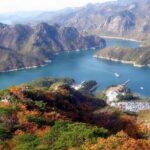
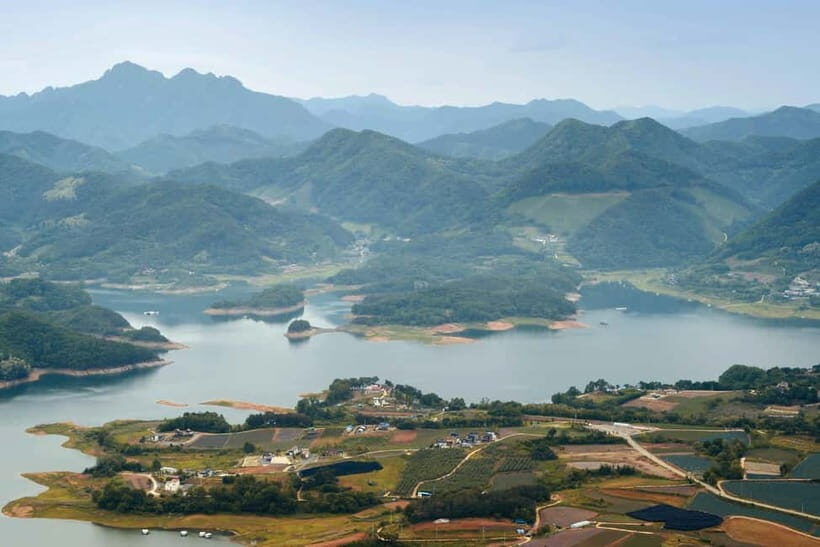
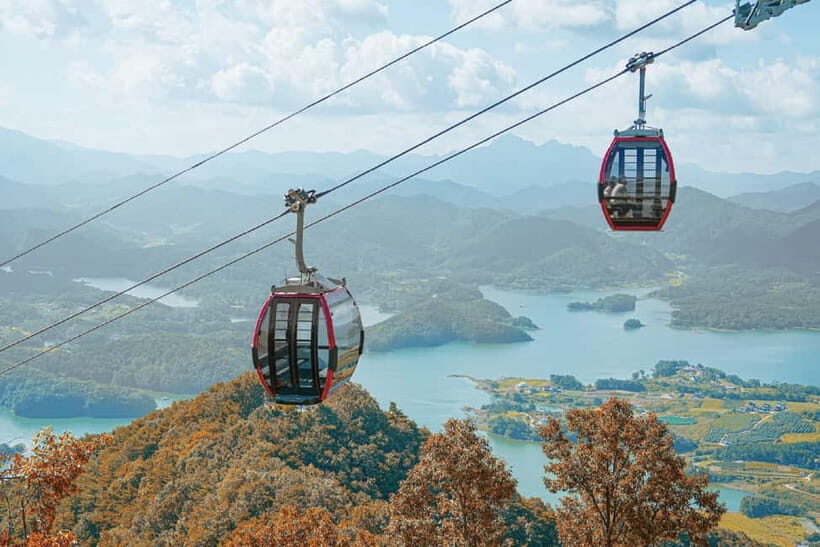
If you want one part of the day that feels like a “release,” it’s the Cheongpung Hoban Cable Car. The description points to a dynamic ride, gliding above nature and giving sweeping views of Cheongpungho Lake. During autumn, foliage is highlighted as especially spectacular, so the cable car becomes more than a ride—it’s a moving viewpoint.
This is the practical reason the cable car is such a strong match for a day trip: you get a huge change of perspective without hours of hiking. You’re elevated, you can take photos from above, and you still conserve energy. For your group, it’s also a natural social moment—everyone can look in the same direction and react at the same time.
One consideration: cable cars are best when you’re comfortable with crowds and waiting, since lines can happen at popular scenic routes. The tour value is that you’re already in the right place, with admission handled, instead of you trying to solve timing and tickets on your own.
Driving From Seoul: Why This Tour Solves a Real Problem
The biggest “behind the scenes” advantage is simple: these sites are hard to reach from Seoul by public transportation. That’s not a small issue. It changes the entire day. When you try to do remote nature-and-temple spots independently, you often lose time to transfers, schedule gaps, and ticket hunting.
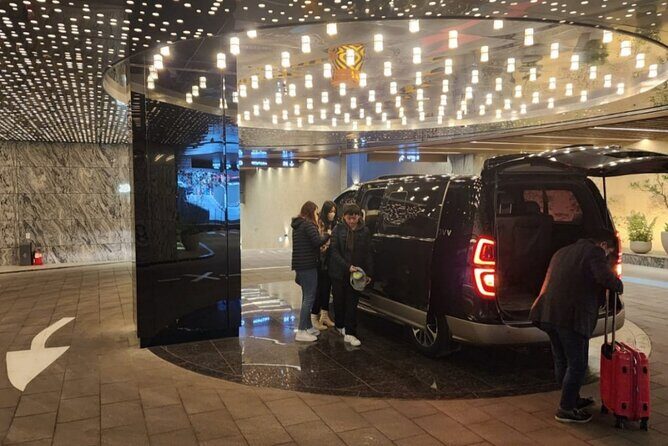
Here, you get round-trip transfers from Seoul included. That means your time on the ground is more focused on the sights, not transportation logistics. The tour also includes admission to the attractions, so you’re not juggling multiple payment steps during the day. For a single-day trip, that kind of planning support is a real quality-of-life upgrade.
If you’re only in South Korea briefly and you want to pack culture plus scenery into one outing, this is the kind of routing that makes sense.

The Group Experience: Small Group Energy and Guide Help
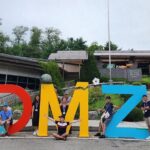
A lot of the appeal here seems to come from how the day is run. Multiple guide names show up in positive feedback—Michael and Mario, plus Yohan and Jun, and also Edward and Johann (K). Across those mentions, the common thread is clear: guides gave interesting context and helped with practical stuff like taking photos.
That matters because a cable car and an observatory are easy to enjoy alone. The difference comes from understanding what you’re looking at when you’re at the temple—why buildings are laid out a certain way, what to notice, and how to get the best angles without missing key features. If your guide is strong, your photos usually improve because you’re standing in the right spot at the right time.
There is one downside to note: on the bus, it can sometimes be hard to hear exactly what’s being said. If you’re sensitive to that, pick seats where you can hear better, or plan to rely more on the guide’s on-site explanations than audio delivered across the bus.
Price and Value: What $105 Buys You (And What It Doesn’t)
The listed price is $105 per person. For a day trip that includes round-trip transfers from Seoul plus admission to the attractions, that price often feels fair—especially because you’re not paying separately for multiple entrances and you’re not spending your own time solving transport.
Where the value depends on you is meals. Meals and beverages are not included, so budget for food beyond the vegetarian temple meal. Still, having one free meal during the day reduces the overall “food spend” compared to tours that make you purchase everything from scratch.
Also consider the trade-off: if you try to build this day yourself, you’d likely spend time and effort getting to Danyang’s temple and lake area. Paying for transport and guidance is usually cheaper than the cost of your time, especially if you’re on a tight schedule.
When to Go: Autumn Is the Obvious Choice
The tour messaging puts a spotlight on autumn: Bobaljae Road is described as adorned with autumn leaves, and the cable car views of Cheongpungho Lake are noted as especially stunning during autumn. If you can choose timing, fall is the easiest way to get the full visual payoff that the day is designed around.
That said, the structure of the tour still works outside peak season. You’ll still get the temple experience and the cable car elevation. The only thing that changes is the intensity of the foliage-color effect.
Who Should Book This Tour (And Who Might Skip It)
I’d recommend this tour if you want a one-day mix: cultural sightseeing at a major temple plus a major scenic ride. It also fits well if you’re traveling with someone who likes photos—your day has multiple natural photo windows, from temple viewpoints to the observatory to the cable car.
You should take extra care (or reconsider) if you have limited mobility. Stairs and walking at Guinsa Temple are part of the experience, and the day is built around moving between sites rather than staying put. Bring comfortable shoes, and treat this as an active day even though it’s in a vehicle a lot of the time.
Should You Book This Danyang Tour?
I think it’s a strong pick if you’re in Seoul and you want to reach Danyang without the hassle of public transportation. The combination of Guinsa Temple, a free vegetarian temple meal, Bobaljae Observatory, and the Cheongpung Hoban Cable Car gives you variety in one day: culture, viewpoints, and a memorable “above it all” ride over Cheongpungho Lake.
Book it if you enjoy walking through historic sites and you want your scenery payoff delivered with less planning stress. I’d pause before booking only if you know you struggle with stairs and long walking segments—because this day has them built in.
FAQ
How much does the tour cost?
The price is $105 per person.
What’s included in the price?
It includes admission to the attractions, an English & Chinese speaking tour guide, and round-trip transfers from Seoul.
Are meals included?
Meals and beverages are not included, but you can try vegetarian temple food for free during the visit.
Is the tour suitable if I don’t want a lot of walking?
Some attractions involve a considerable amount of walking and stairs. Comfortable shoes are recommended, and you should make sure you’re fit enough for the walking.
What language support do I get?
The tour guide provides English and Chinese.
How many people are needed for the tour to run?
A minimum of 4 participants is required. If that minimum isn’t met 48 hours before departure, the tour will be cancelled and you’ll be notified.
Where do I meet the group, and where do we return?
The start meeting point may vary depending on the option booked, and the tour ends back at the meeting point.