REVIEW · SEOUL
From Seoul: Korea Spring Cherry Blossom Day Tour
Book on GetYourGuide →Operated by Korea Time Tour · Bookable on GetYourGuide
One day, five blossom scenes. I like how this tour strings together Gwangyang Maehwa Plum Village plus cherry stops from temple to mountain to lake, with round-trip Seoul transport. I also like that Jeonju Hanok Village is built in on the way back, so you get culture and street-snack time, not just photos. The one drawback to plan for: bloom timing can vary, so you may not see peak flowers if your dates land late.
The good news is the day is set up to feel relaxed instead of frantic. The driver/guide keeps things moving, and you get enough breathing room to wander without watching every minute. Still, be ready for a long day and about 1–2 hours of walking.
In This Review
- Key Highlights You’ll Actually Care About
- A Long Day Chasing Spring: Seoul Round-Trip to Gangwon Province
- Price and Logistics: What $66 Covers (and What It Doesn’t)
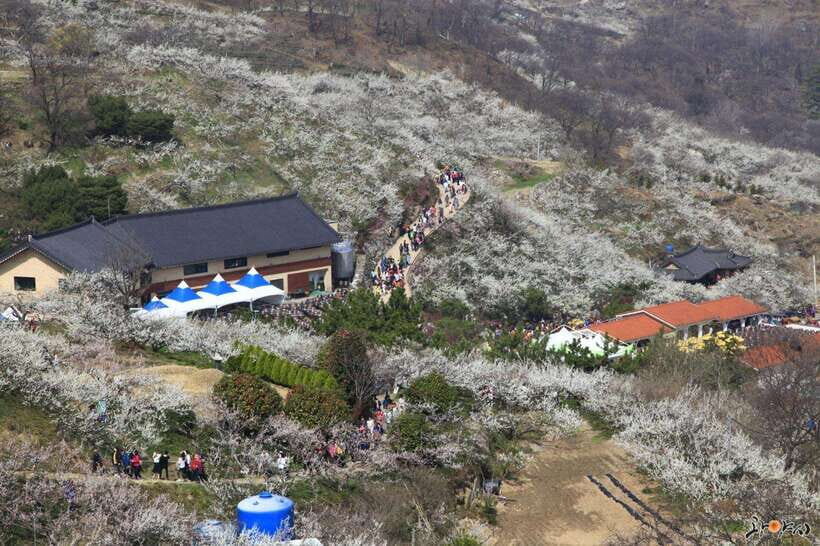
- Gwangyang Maehwa Plum Village: The White-Blossom “Snow” Effect
- Donghaksa Temple Cherry Blossom: When Flowers Frame an Old Temple
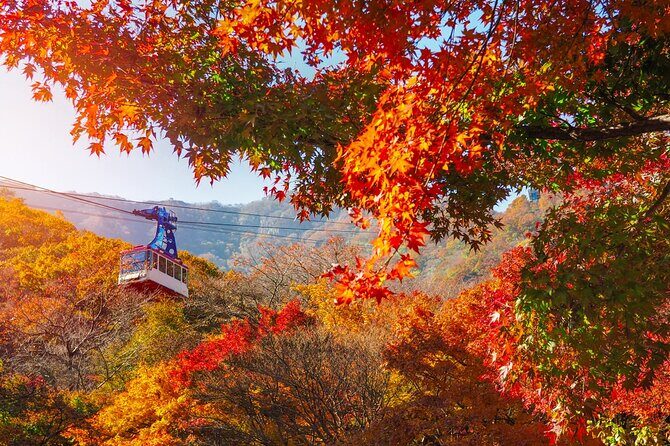
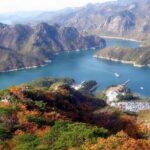
- Maisan Mountain Cherry Blossom: Twin Peaks With a View
- Yeongrangho Cherry Blossom: A Lake-Edge Stroll That Breaks Up the Day
- Seoraksan National Park: Hiking Time for Different Fitness Levels
- Jeonju Hanok Village on the Way Back: Hanbok, Snacks, and Old Streets
- How the Whole Route Feels: Timing, Free Time, and Realistic Pace
- Who This Tour Is Best For (and Who Should Skip It)
- Should You Book This Seoul-to-Gangwon Cherry Blossom Day Tour?
- FAQ
- How long is the tour?
- What does the $66 price include?
- Is food included?
- Where do we meet?
- How much walking should I expect?
- Do I get the same destinations every time?
- Is cancellation allowed?
- Is it a round-trip tour from Seoul?
- (Optional) Quick Note on Choosing Your Dates
Key Highlights You’ll Actually Care About
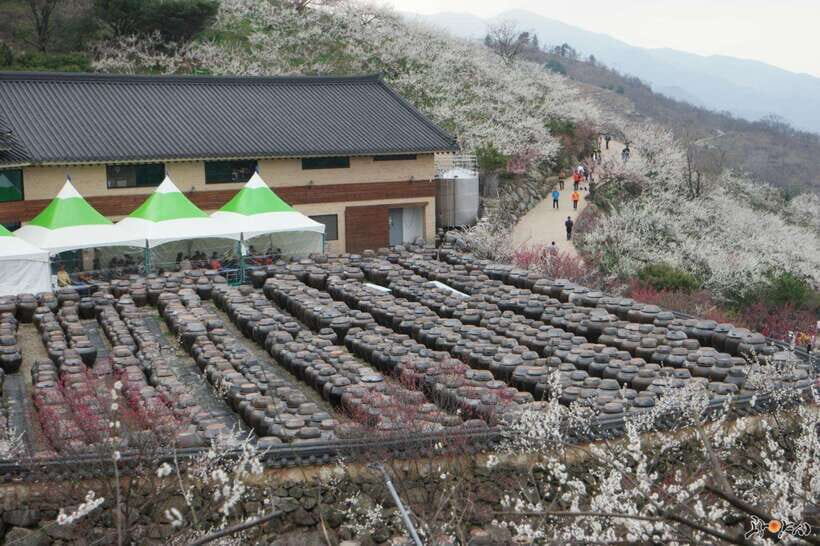
- Gwangyang Maehwa Village: a white-blossom look over the Seomjin River area
- Donghaksa Temple cherry views: blossoms framing an old temple setting
- Maisan Mountain twin peaks: blossom viewpoints with mountain character
- Yeongrangho lake stroll: an easy walking break lined with cherry trees
- Jeonju Hanok Village: Hanbok and traditional snacks during the return trip
- Seoraksan National Park time: hiking trails for different fitness levels
A Long Day Chasing Spring: Seoul Round-Trip to Gangwon Province
This is a classic “see a lot, worry less” day trip. You’re starting in Seoul, then heading out to Gangwon Province for the blossom season sights, before returning at the end of the day.
The itinerary you get depends on which option you book. That matters because the “main destinations” can change, so you should double-check your exact option before paying. Same country, same vibe, but your photo stops might shift.
The total duration is listed at 750 minutes to 16 hours, so expect a full day in transit plus sightseeing. You’ll want to travel light and plan for comfort over style.
You can also read our reviews of more tours and experiences in Seoul.
Price and Logistics: What $66 Covers (and What It Doesn’t)
At $66 per person, the value comes from what’s included rather than the sticker price. You get:
- Roundtrip transportation
- A driver/guide
- Entrance ticket coverage for Gwangyang and Jeonju (the stops tied to those tickets)
Food isn’t included, so you’ll either buy snacks and meals along the way or bring your own light supplies. I’d treat this like a day of grazing and quick stops, not a “three-meal” tour.
One more practical point: the meeting point can vary by option. When you book, confirm where to go so you don’t lose time at the start.
Gwangyang Maehwa Plum Village: The White-Blossom “Snow” Effect
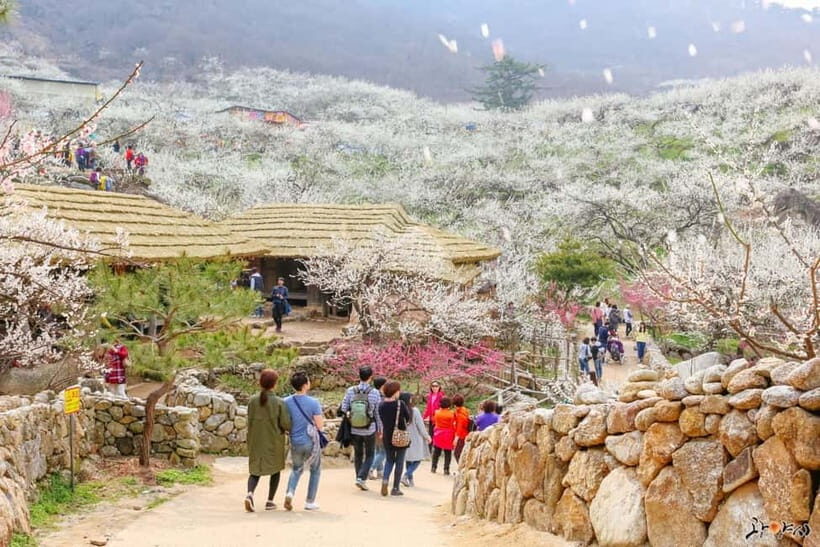
Gwangyang Maehwa Plum Village is the early-spring mood-setter. The key idea is that plum blossoms can look like snow across the village area, which creates a very different visual from the usual pink cherry look.
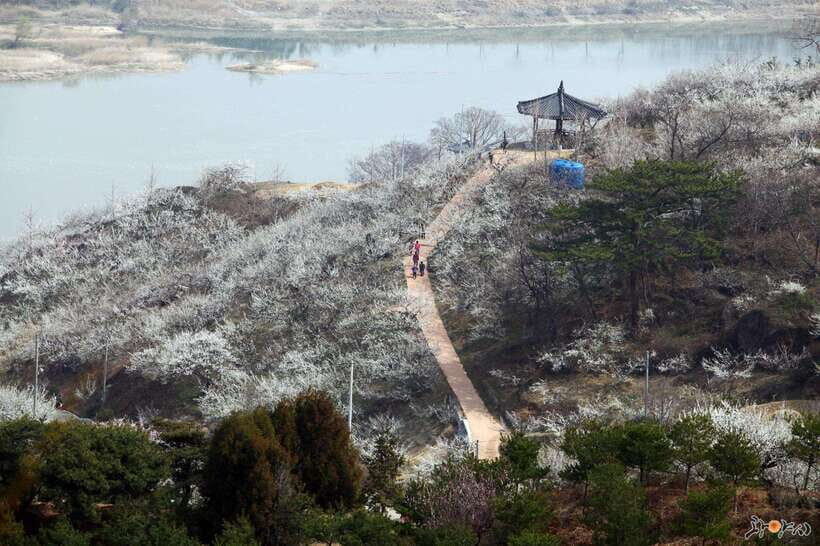
You’ll be in the zone where maehwa flowers are described as being in full bloom at the beginning of spring. If you catch it at the right time, the effect is strong: pale blossoms across the paths, plus the Seomjin River setting nearby for a calmer backdrop than you’d get in a city.
What I like about starting here: it gives you variety right away. Even if you’re chasing cherry blossoms, this plum stop acts like a warm-up. It also tends to feel more “wandering” than “line photo,” depending on the crowd level that day.
Tip: dress for photos and walking. The blossoms are pretty, but you still need stable shoes for village paths.
Donghaksa Temple Cherry Blossom: When Flowers Frame an Old Temple
Next up is Donghaksa Temple Cherry Blossom, where cherry trees are said to frame an ancient temple setting. This stop is valuable because it adds depth to the blossoms.
Pure cherry scenery is pretty, but you can run out of ways to view it. A temple setting changes that. You’re not just seeing blossoms overhead; you’re seeing them as part of a composition—temple lines, stone, and seasonal branches.
I also like that the tour describes this as a truly magical experience. Translation: it’s a stop where you’ll want to slow down, not just snap and go.
Downside to consider: temple grounds usually mean some uneven surfaces and a bit of patience with crowd flow. Wear shoes you trust for steps and short climbs.
Maisan Mountain Cherry Blossom: Twin Peaks With a View
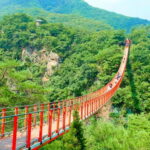
Maisan Mountain Cherry Blossom is about pairing blossoms with terrain. The tour notes Maisan’s unique twin peaks, which is the kind of detail that makes the scenery feel more specific than a generic cherry stop.
If you like views—really like them—this is the stop to prioritize your pace. The blossoms become a layer over the mountain shapes, so your photos won’t all look identical.
What you should watch: mountain air and weather can change quickly in spring. Bring a light jacket you can adjust during the day, especially if you feel a cool breeze after walking.


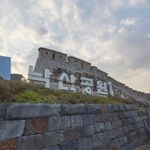
Yeongrangho Cherry Blossom: A Lake-Edge Stroll That Breaks Up the Day
After mountains and temple vibes, Yeongrangho Cherry Blossom gives you a more open walking experience: a stroll along the lake shores lined with cherry trees in full bloom.
This is a good “reset stop.” Lake-edge paths typically feel easier to move through than tighter temple courtyards, and the view stays broad. Even if blossoms aren’t perfectly peak where you are, the lake setting helps keep the scene interesting.
I’d plan to spend a little more time here if your feet are getting tired. This is the kind of spot where you can walk, stop for photos, and then keep going without feeling rushed.
Seoraksan National Park: Hiking Time for Different Fitness Levels
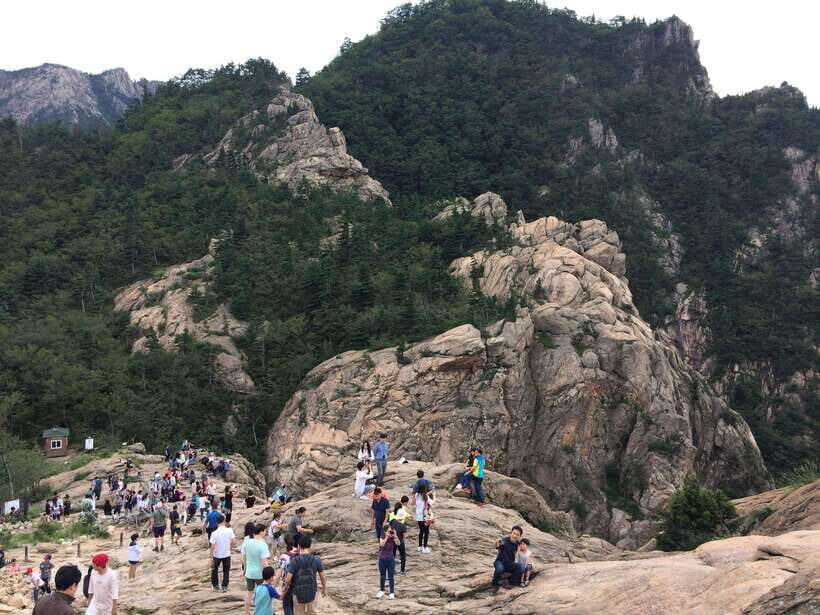
Not every blossom tour includes actual nature time. This one adds Seoraksan National Park, one of Korea’s best-known outdoor areas.
The description includes:
- Stunning national park scenery
- Hiking trails suitable for various fitness levels
- A chance to see the park’s diverse flora
That last part matters. If you’re visiting for spring flowers, you’ll often notice that not all the color comes from cherry or plum. With Seoraksan, you get more plant texture than just one seasonal species.
How to handle expectations: hiking inside a national park can mean different effort levels depending on the trail you take that day. The tour does note walking of about 1–2 hours overall, which suggests you won’t be doing a grueling trek. Still, bring water and wear shoes that can handle a real trail.
If you’re with kids or anyone who tires easily, this is where the guide’s decisions matter. The tour states the trails are chosen for different fitness levels, so the group should be able to match the plan to the day’s conditions.
Jeonju Hanok Village on the Way Back: Hanbok, Snacks, and Old Streets
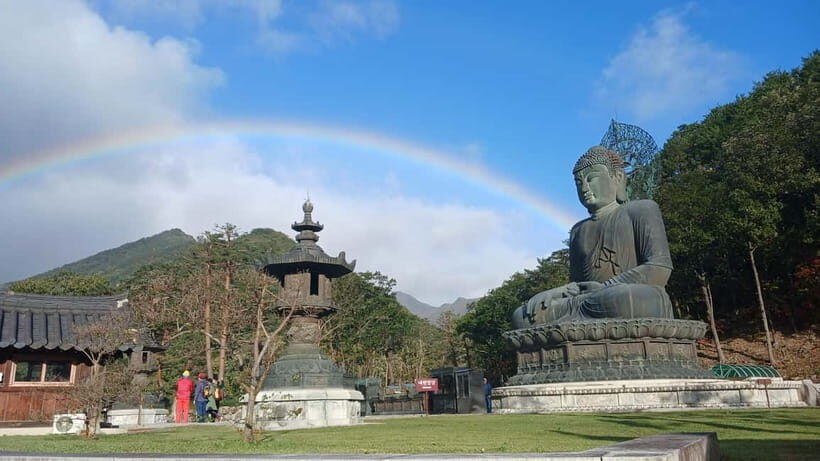
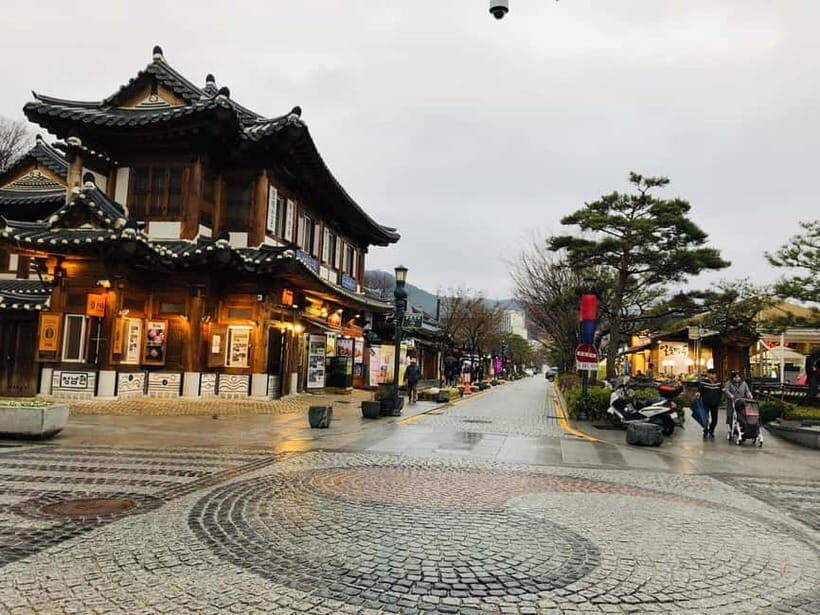
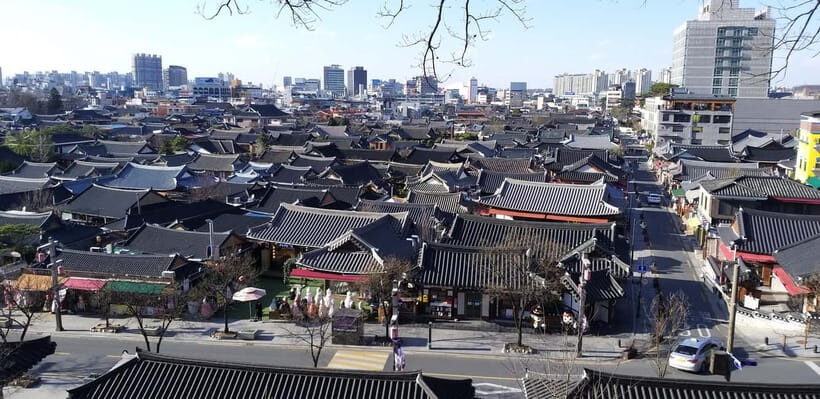
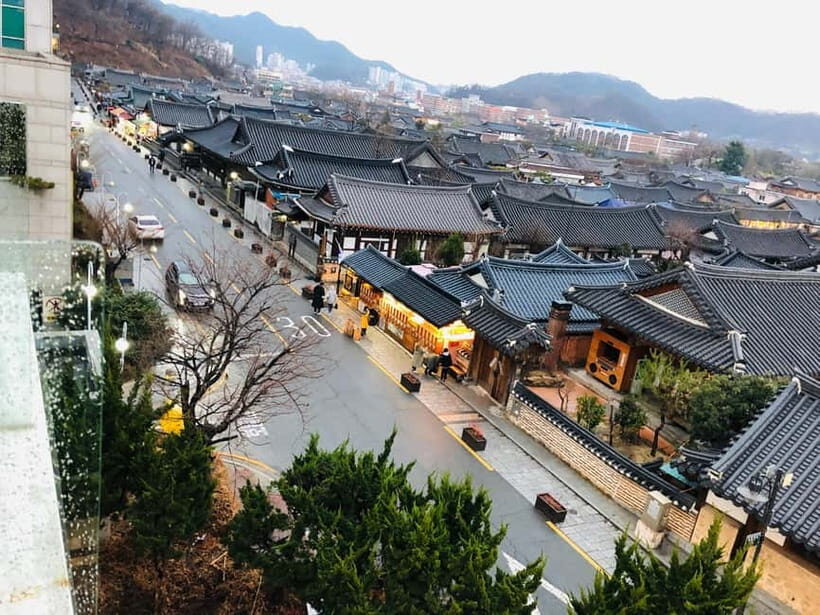
On the return trip, the tour brings you to Jeonju Hanok Village, with an emphasis on the traditional houses (hanok). The tour describes over 800 traditional Korean houses, which is a big number—but the real point is the atmosphere: old Korea-style streets you can actually walk through.
This stop is valuable for a reason that goes beyond the architecture. It gives you a “Korea feels different here” contrast to the blossom scenery. You’re switching from seasonal scenery to everyday heritage details.
You’ll also find:
- Hanbok experience (traditional costume)
- Traditional snacks to enjoy
If your cherry blossom day doesn’t go perfectly—like you arrive after peak season—Jeonju still holds up. Even when blossoms are past their best, the hanok streets keep you busy, and the food and photo opportunities are still the main event.
Practical tip: bring a little cash for snacks if you want to try more than one thing. Since food isn’t included on this tour, Jeonju is one of your best chances to snack freely.
How the Whole Route Feels: Timing, Free Time, and Realistic Pace
This day is long: up to 16 hours with round-trip travel. The good side is that the tour is designed to feel organized and not chaotic, and that usually means fewer surprises and smoother transitions between stops.
The not-so-fun side is simple: you’ll spend a lot of the day on the move. So use the structure of the day smartly:
- At each blossom stop, pick one “main viewpoint,” then take your time wandering
- Reserve more energy for Yeongrangho and Jeonju if you want easy strolling
- Keep steps light on Seoraksan so you don’t feel wiped out before the hanok village
One more thing I appreciate about tours like this: there’s often some free time built into the schedule. That matters because it lets you step away from the guide’s pace and enjoy the place at your own rhythm.
And because you’re in a group, your guide can help with practical choices like where to walk for better angles and what to eat at Jeonju. It makes a difference in a place where the streets can feel like a maze.
Who This Tour Is Best For (and Who Should Skip It)
This tour fits best if you want a one-day spring hit without planning. It’s ideal for:
- First-time visitors who want a lot of variety: plum village, temple, mountains, lake, and hanok culture
- Travelers who like guided structure but still want time to wander
- People who are comfortable with a full day and some walking (1–2 hours)
It’s less ideal if:
- You hate long days with lots of transit
- You need totally predictable cherry-blossom peak views every single stop
- You’re very sensitive to walking on uneven ground (temple and park areas can be tougher)
If you’re booking specifically for the flowers, remember this simple truth: blossom timing shifts. Your best strategy is to think of this as an all-in-one spring experience, not a guarantee of perfect blooms.
Should You Book This Seoul-to-Gangwon Cherry Blossom Day Tour?
I think you should book if you want maximum value out of one day: round-trip transport, a driver/guide, and entrance coverage for key stops, plus a strong mix of scenery and culture. At $66, you’re paying mostly for the convenience of getting you from Seoul to multiple spring targets and back.
I wouldn’t book it if your whole trip depends on hitting cherry blossoms at peak in every single location. If your dates land slightly late, you can still have a great day—especially with Jeonju’s hanok streets, Hanbok, and traditional snacks—but your “perfect blossom checklist” might not be fulfilled.
If you’re flexible and ready for a long but well-paced day, this tour is a solid bet.
FAQ
How long is the tour?
The tour duration is listed as 750 minutes to 16 hours, depending on the option and schedule.
What does the $66 price include?
It includes roundtrip transportation, a driver/guide, and entrance ticket coverage for Gwangyang and Jeonju.
Is food included?
No. Food and drinks are not included.
Where do we meet?
The meeting point may vary depending on the option you book.
How much walking should I expect?
Plan for about 1–2 hours of walking during the day.
Do I get the same destinations every time?
No. The main destinations vary by option, so check your specific option carefully before booking.
Is cancellation allowed?
Yes. You can cancel up to 24 hours in advance for a full refund.
Is it a round-trip tour from Seoul?
Yes. It’s set up with convenient round-transfers from and to Seoul.
(Optional) Quick Note on Choosing Your Dates
Cherry blossom and plum blossom timing can shift. If you’re traveling at the edge of peak season, treat Jeonju Hanok Village as your backup plan for a great day, even when blossoms are fewer or less dramatic.