REVIEW · SEOUL
Seoul: Mt.Seorak(+CableCar Option)+Sokcho Fish Market&Beach
Book on GetYourGuide →Operated by Korea Time Tour · Bookable on GetYourGuide
Foggy mountain days turn into stories. This trip pairs Seoraksan National Park foliage with the seafood-to-beach rhythm in Sokcho, so you get both big views and real food time. I like that you can skip some steep effort with an optional cable car and still reach impressive viewpoints. I also like the market-to-seaside combo, because you’re not just staring at photos all day. The main drawback to consider is the long day, plus Seoraksan includes intermediate hiking—so plan on walking a lot and dressing for surprise weather.
This is a practical day out of Seoul (about 14 hours total) with two starting points: Hongik Univ. Station Exit 8 and Myeongdong Station Exit 4. You’ll ride out by van, get several hours on the mountain, then finish with Sokcho’s tourist fish market and a short beach break before heading back to Seoul.
An English-speaking guide/driver keeps the day moving and helps when the weather shifts fast. In the past, guides such as Kangwon Seo have been especially good at staying patient with questions and suggesting alternate viewpoints when visibility turns foggy. One more note: if the cable car doesn’t operate due to weather, the ticket fee is refunded in cash.
In This Review
- Key points that make this day trip work
- Seoul to Seoraksan: the drive is long, but the schedule makes sense
- Seoraksan National Park, Sinheungsa, and the Buddha statue: your autumn hiking core
- Cable car option: how to decide based on weather and your comfort level
- When fog or rain hits: why the guide’s adaptability matters
- Sokcho Tourist Fishery Market: your street-food and seafood hour
- Sokcho Beach: a short stop that still changes the mood
- Time, cost, and value: is $68 a fair deal for all this?
- Who this tour fits best (and who should think twice)
- Should you book this Seoraksan + Sokcho day trip?
- FAQ
- How long is the tour?
- Where do I meet the group in Seoul?
- Is the Seoraksan cable car included?
- What happens if the cable car doesn’t operate due to weather?
- What should I wear or bring?
- Are meals included?
- Who is this tour not suitable for?
Key points that make this day trip work
- Seoraksan foliage without complicated logistics: round-trip van from central Seoul and a full block of time at the park
- Optional cable car to control your difficulty: you can trade some hiking for views
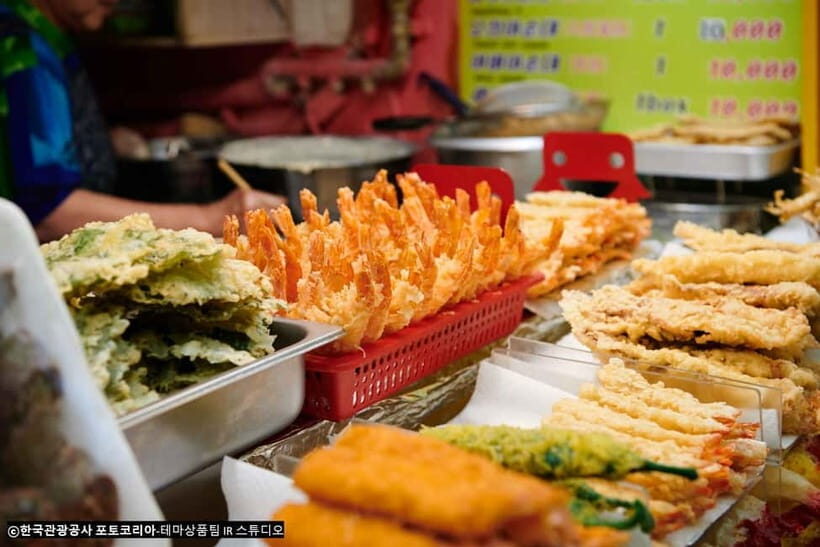
- Sokcho Tourist Fishery Market snack time: street food and seafood in a food-first setting
- Temple + Buddha sights mixed with walking: Sinheungsa Temple and the large Buddha statue add meaning
- A guide who adapts to conditions: when fog or rain rolls in, you’ll get practical alternatives
- Sokcho Beach as the payoff: short visit, but a real change of pace from the mountains
Seoul to Seoraksan: the drive is long, but the schedule makes sense
This tour is built for people who want the Korean fall highlight without renting a car or figuring out bus transfers. You’ll start from either Hongik Univ. (Exit 8) or Myeongdong (Exit 4), then spend roughly 2.4 hours traveling toward Seoraksan National Park.
That travel time matters, because it affects your expectations. You’re not doing a quick “grab the photos and go” morning. Instead, you’re doing a full day where the mountain gets real time to breathe—about 5 hours on-site, plus extra time if you choose the cable car.
What makes it feel worthwhile is the flow. You climb into autumn scenery first, then you transition into city-style eating at the fish market, and finally you end with sea air at the beach. The day is long, but it stays focused on one theme: fall in Gangwon Province, paired with food you can actually enjoy.
You can also read our reviews of more shopping tours in Seoul


Seoraksan National Park, Sinheungsa, and the Buddha statue: your autumn hiking core
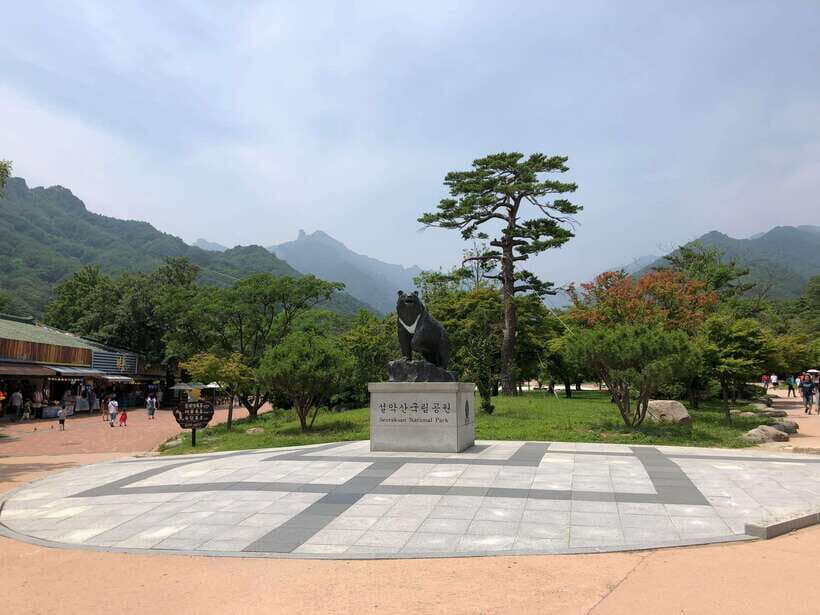
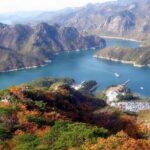
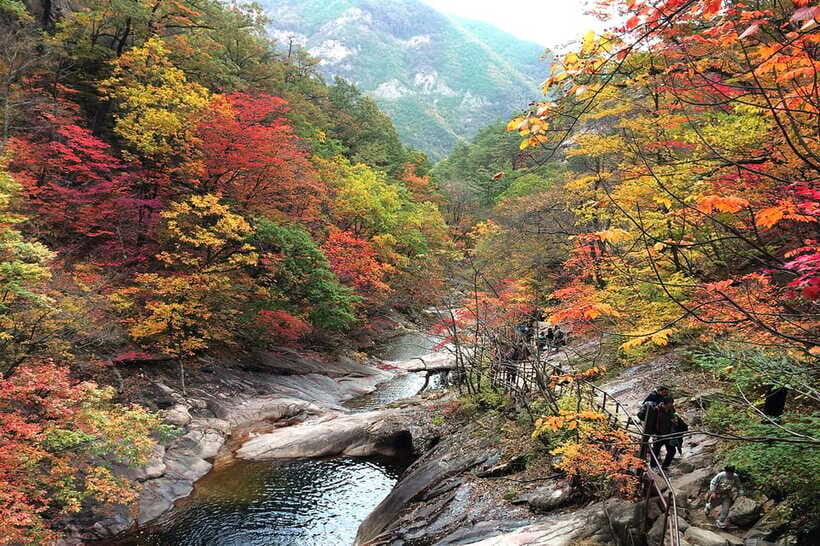
Seoraksan National Park is the reason most people book this trip. In fall, that combination of steep trails and changing leaves creates a strong sense of place—you’re not just visiting a scenic spot; you’re working through it on foot.
At Seoraksan, you’ll have a self-guided sightseeing block, with free time built in for walking and exploring. There’s also cultural context: you’ll see the large Buddha statue and visit Sinheungsa Temple. That mix helps the day feel more than a sightseeing checklist. It gives you a calm anchor when the trail energy ramps up.
Important reality check: Seoraksan includes intermediate-level hiking, and you’ll want comfortable shoes with good grip. This matters because you’ll likely be navigating uneven surfaces while the park’s weather does its own thing. Some days bring rain or low clouds, and walking conditions can change quickly.
A useful way to think about it: this isn’t a “chairlift then stroll” tour unless you choose the cable car option. If you’re comfortable with moderate hikes and you dress for the weather, Seoraksan delivers. If you’re not, the effort can feel like more than you signed up for.
Cable car option: how to decide based on weather and your comfort level
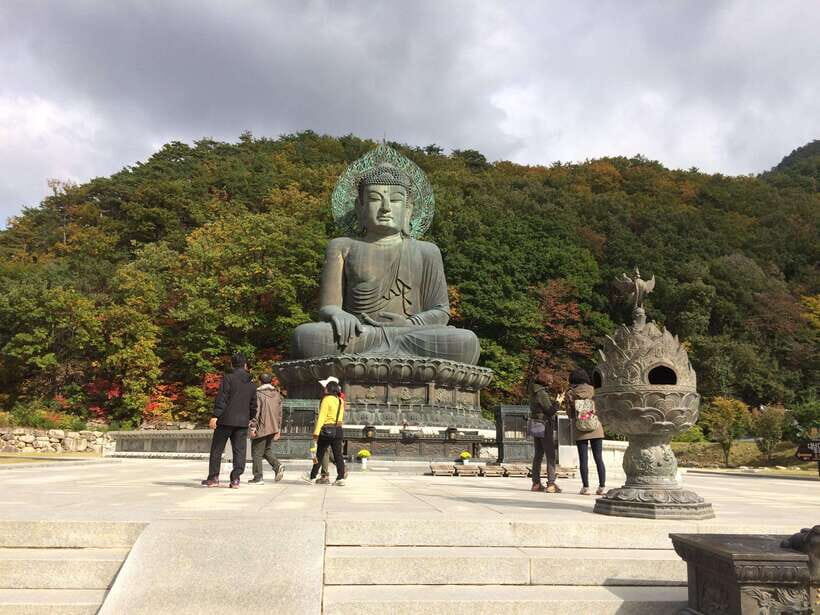
The cable car is a clear value add because it changes how much climbing you personally need to do. If you buy the option, you’ll spend about 1 hour on the cable car portion as part of the day’s plan.
This option is especially helpful if:
- you want the views with less strain
- you’re visiting in cold or rainy conditions
- you want to save energy for the later market and beach portion
Weather still rules the day. If the cable car is not operated due to weather conditions, the ticket fee is refunded in cash by the guide. That’s a small detail, but it’s reassuring: you won’t be stuck feeling like your money evaporated because of a foggy morning.
If you’re deciding right now, here’s a simple rule: if you’re unsure you’ll feel great on steep trails, buy the cable car option. If you love hiking and the weather looks stable, you may enjoy doing more on foot. Either way, you’re spending plenty of time in the park.
When fog or rain hits: why the guide’s adaptability matters
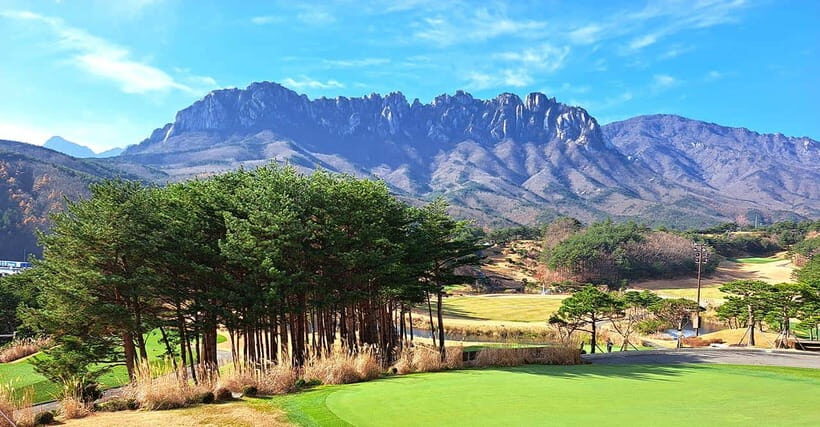
Even in fall, mountains can throw surprises at you. There are days when visibility turns foggy and rain makes the trail slower. On those kinds of days, you want a guide who doesn’t panic and who gives you options.
In past tours, guides such as Kangwon Seo have shown a strong ability to work with conditions. The practical part is what you’d hope for: patience with questions, advice on hiking choices, and recommendations for alternative viewpoints if the weather clouds the original plan.
You also learn something valuable from that kind of guidance: you don’t have to force the same route every time to still get a memorable Seoraksan experience. If weather limits one segment of hiking, you can still enjoy the overall atmosphere—temple stops, step sections if conditions allow, and the broader autumn feel.
So yes, weather can affect how far you go. But the payoff is that the day doesn’t collapse into frustration.
Sokcho Tourist Fishery Market: your street-food and seafood hour
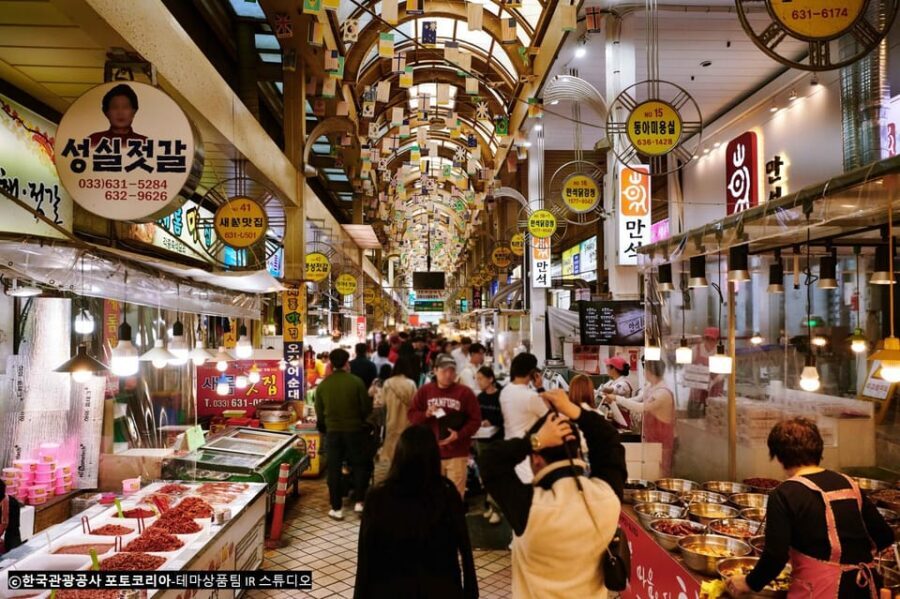
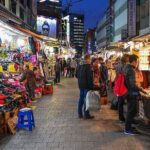
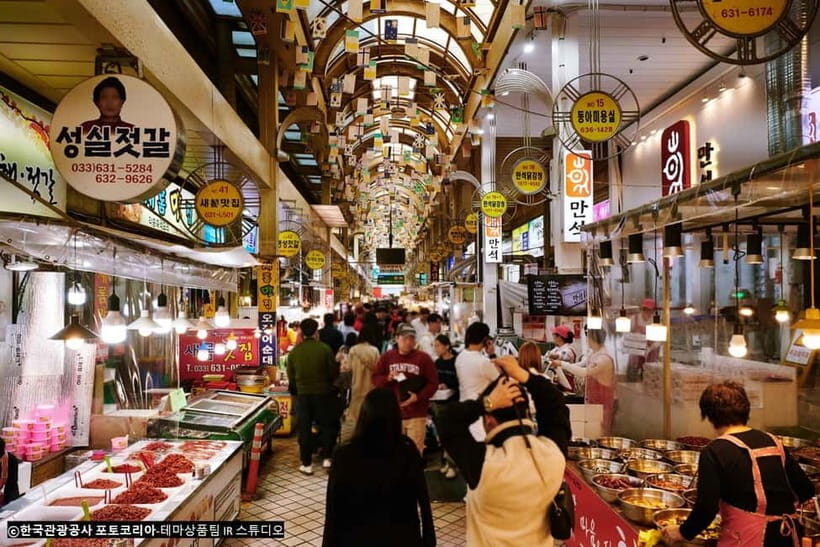
After Seoraksan, you’ll head to Sokcho Tourist Fishery Market for about 75 minutes. This is where the day shifts from mountain calm to food-focused energy.
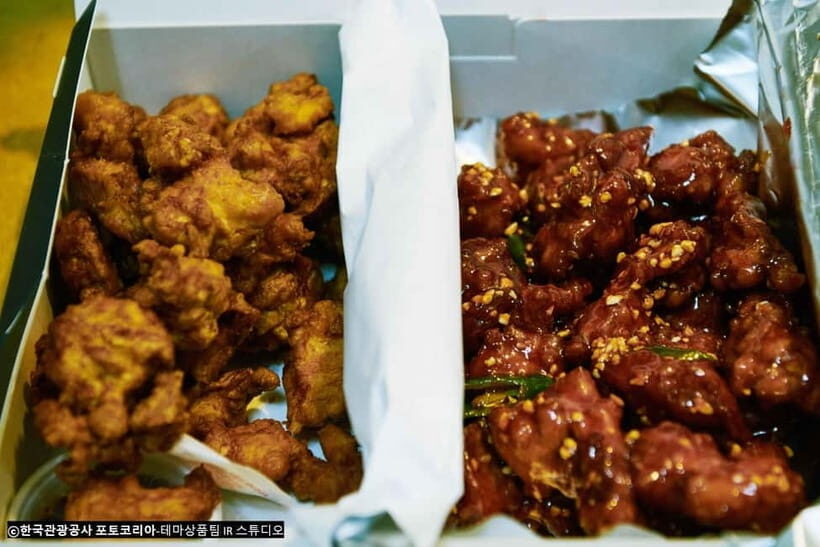
This stop is built for self-guided exploring, with time to try street food or seafood. That matters because market time is where you’ll actually spend your calories and your curiosity, instead of just watching the view go by.
If you want this part to go smoothly, plan a simple strategy:
- Decide you’re going to taste a few small things rather than hunting for one perfect meal
- Keep cash or a payment method ready, since you’ll likely be buying from stalls
- Eat while you’re there rather than saving everything for later—market food is at its best when it’s fresh
Also, don’t overthink it. Even if you’re not a seafood expert, Sokcho’s fish market setup is usually friendly to people who just want to try a variety of snacks. The goal here is fun and flavor, not a strict dining itinerary.
You can also read our reviews of more tours and experiences in Seoul


Sokcho Beach: a short stop that still changes the mood
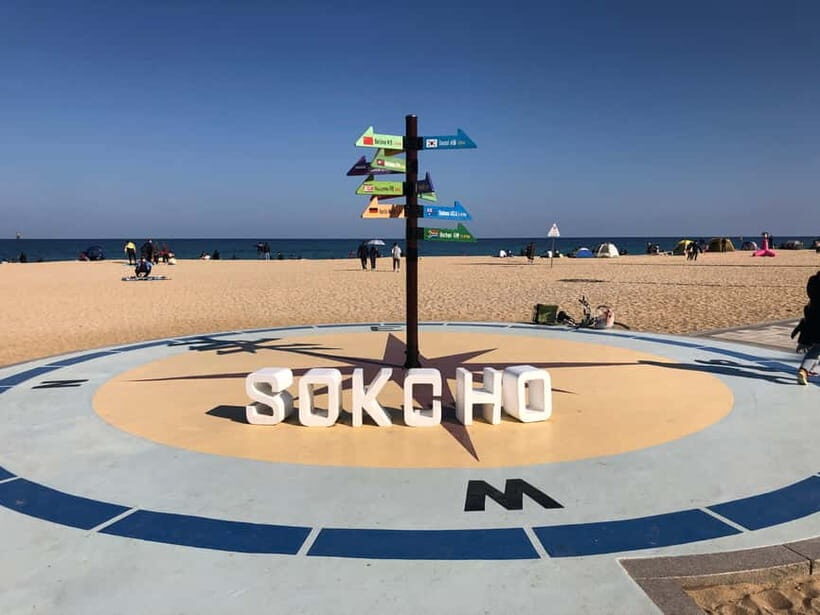
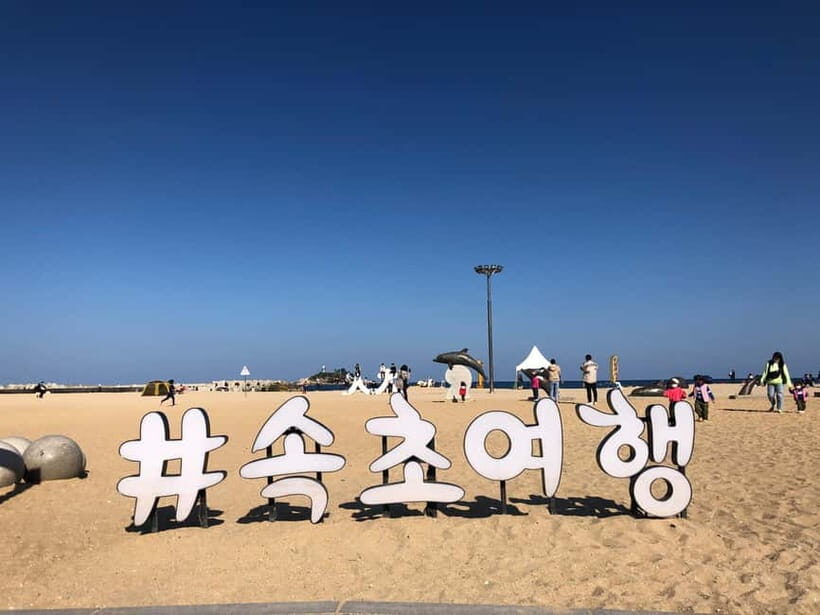
Then comes Sokcho Beach, with about 30 minutes for free time and self-guided wandering. That short window can feel brief if you’re dreaming of a full beach day—but it actually works for this specific itinerary.
Why? Because it gives your body a reset after hiking. Your eyes switch from trees and temple stone to open sea space. And you still get to enjoy the natural beauty that makes Sokcho a local favorite as well as a tourist draw.
A practical note: bring layers if the weather is chilly. Coastal wind can feel sharper than you expect after a mountain morning.
You won’t come away with a full day at the beach, but you will come away with the sensation that the trip actually includes the sea, not just the market.
Time, cost, and value: is $68 a fair deal for all this?
The listed price is $68 per person for a full 14-hour day with round-trip van from Seoul plus an English-speaking guide/driver. That’s the core value: transportation and guidance are the hard parts of making this region work without extra planning.
Here’s what’s included:
- Round-trip transport between destinations
- An English-speaking tour guide/driver
- Cable car ticket only if you add that option
And what’s not included:
- Meals and beverages
- Cable car ticket if you don’t add it
So the math becomes pretty simple. You’re paying for access and time. If you’re trying to independently get to Seoraksan and Sokcho, you’ll face the friction of timing, transfers, and long travel. This tour packages the “getting there” problem into one payment.
The biggest cost variable for you is whether you add the cable car option. If you’re uncertain about the hiking difficulty or you hate being slowed down by steep sections, the upgrade tends to feel like money well spent. If you’re confident on intermediate hiking and the weather looks cooperative, you may prefer the non-cable-carr plan.
In other words: the price is reasonable if you take it for what it is—a full-day experience with guided structure, not a budget meal plan.
Who this tour fits best (and who should think twice)
This day trip is a strong fit if you:
- want Korean fall scenery without complex transit planning
- like a mix of walking, culture, and food stops
- can handle intermediate hiking with comfortable shoes
- want an English-speaking guide who can respond to changing weather
It’s not suitable for:
- wheelchair users
- people with altitude sickness
You’ll also want to be mindful of comfort, because the schedule is long and active. There’s no way around the fact that you’re spending much of the day on the move—so if you hate long van rides, this might feel like a chore.
Should you book this Seoraksan + Sokcho day trip?
Yes, if you want a one-day plan that genuinely combines mountain color, temple culture, and a market-to-beach sequence. This is especially worth booking if you’re excited by the idea of trading a little hiking effort for big fall views through the optional cable car.
Hold off or choose carefully if:
- you strongly dislike moderate hiking
- you’re sensitive to weather changes
- you’re hoping for a relaxed, short itinerary (this one is a full day)
My practical advice: if autumn is on your trip plan and you want the Gangwon Province experience without complicated logistics, this tour is a solid way to do it.
FAQ
How long is the tour?
The total duration is 14 hours.
Where do I meet the group in Seoul?
You can meet at one of two starting locations: Hongik Univ. Station Exit 8 or Myeongdong Station Exit 4 (exact meeting point details can vary by option booked).
Is the Seoraksan cable car included?
The cable car is optional. It’s included only if you add that option; otherwise, the ticket is not included.
What happens if the cable car doesn’t operate due to weather?
If the cable car isn’t operated due to weather conditions, the ticket fee will be refunded in cash by your tour guide.
What should I wear or bring?
Bring comfortable shoes. The Seoraksan portion requires intermediate hiking.
Are meals included?
No. Meals and beverages are not included.
Who is this tour not suitable for?
It isn’t suitable for wheelchair users or people with altitude sickness.