REVIEW · SEOUL
DMZ; NK Defector, 3rd Tunnel, Suspension Bridge,Hotel pickup
Book on GetYourGuide →Operated by Seoul City Tour · Bookable on GetYourGuide
A day at the DMZ hits different. I love how this tour gets you up close to the Third Infiltration Tunnel and lets you view North Korea from the Dora Observatory, with a licensed guide keeping the story clear and grounded. My favorite part is that it’s not just sightseeing stops; you’re guided through why each place exists and what it has meant over time. One drawback to plan around: it’s a long, passport-required day with a set route and limited flexibility once you’re inside the DMZ area.
If you add the North Korean option, it changes the tone fast. At Imjingak Park, the newer North Korea Experience Hall lets you meet a real North Korean defector and ask questions in a way that feels rare and human, not staged. If you’re deciding between bridge add-ons, choose based on your weather tolerance and how much walking you want to do.
In This Review
- Key things I’d circle before booking
- DMZ From Seoul: a 7-hour day that’s structured, not rushed
- Pickup, languages, and the passport you can’t forget
- Imjingak Park: where the Freedom Bridge moment starts
- Third Infiltration Tunnel of Aggression: the stop that feels most real
- Dora Observatory: seeing North Korea without crossing the line
- Unification Village: quick pass-by, big emotional weight
- Suspension bridge add-ons: choose Red Bridge or Majang Lake
- North Korean Defector Meet-up at Imjingak Experience Hall
- Price and value: about $45 for a controlled-day itinerary
- Should you book this DMZ tour?
- FAQ
- Do I need a passport for this tour?
- How long is the DMZ tour from Seoul?
- What’s included in the price?
- Is hotel pickup included?
- Does the suspension bridge stop happen on every option?
- Which languages are offered?
- What if there are not enough people for a Japanese or Chinese tour?
- What special tour runs on Mondays?
Key things I’d circle before booking
- 3rd Infiltration Tunnel access that makes the border feel physical, not theoretical
- Dora Observatory views focused on what you can actually see, safely
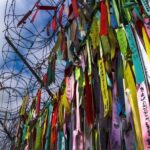
- Imjingak Park time at classic DMZ landmarks like Mangbaedan and Freedom Bridge
- Optional defector meet-up tied to the North Korea Experience Hall at Imjingak
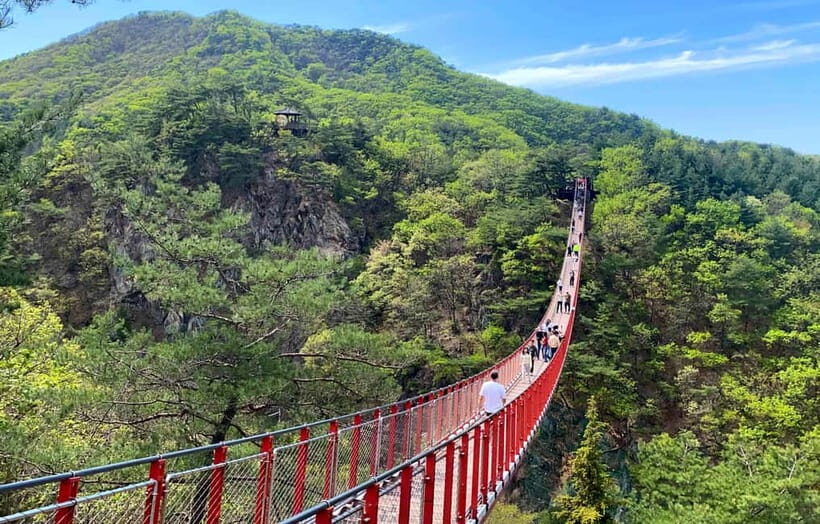
- Suspension bridge add-ons (Mt. Gamaksan Red Bridge or Majang Lake) for a change of pace
- Small-group or private options with live guides in Chinese, English, and Japanese
DMZ From Seoul: a 7-hour day that’s structured, not rushed
This is one of those day trips where the schedule matters. You’ll be on a bus to Gyeonggi Province, then you’ll shift into a guided flow through the DMZ corridor: key checkpoints, short on-site stops, and the big-ticket sights that take time to do properly.
The “about 7 hours” figure (510 minutes) isn’t just travel padding. It reflects the fact that DMZ visits aren’t laid-back. You’re moving through controlled areas, listening to expert explanations, and timing your access to specific viewpoints like Dora Observatory and the Third Tunnel.
I also like that you can tailor the “pace” of the day. The base DMZ route stays focused. Add a suspension bridge, and the day gets a little more personal and scenic. Add the defector meet-up, and the day becomes heavier in the best way—stories have weight when you’re standing in a place shaped by them.
You can also read our reviews of more tours and experiences in Seoul.
Pickup, languages, and the passport you can’t forget
Hotel pickup is optional. If you’re booking a private DMZ tour, meeting at your hotel is offered, while other options may use designated meeting points around Seoul. Either way, the day runs on a tight timeline once you’re collected.
You’ll travel with a live guide in Chinese, English, or Japanese. There’s one practical note: Chinese/Japanese requires a minimum group size of 3 people. If that minimum isn’t met, the tour runs in English.
And yes, bring your passport. All guests must bring it (a military ID or ARC is acceptable). For a place like this, that single document is what keeps your day moving.
If the tour is canceled due to military or unexpected issues, you’ll be offered an alternative course related with DMZ, and the data says there’s no refund in that situation. I’d treat that as a planning heads-up, not a reason to panic.
Imjingak Park: where the Freedom Bridge moment starts
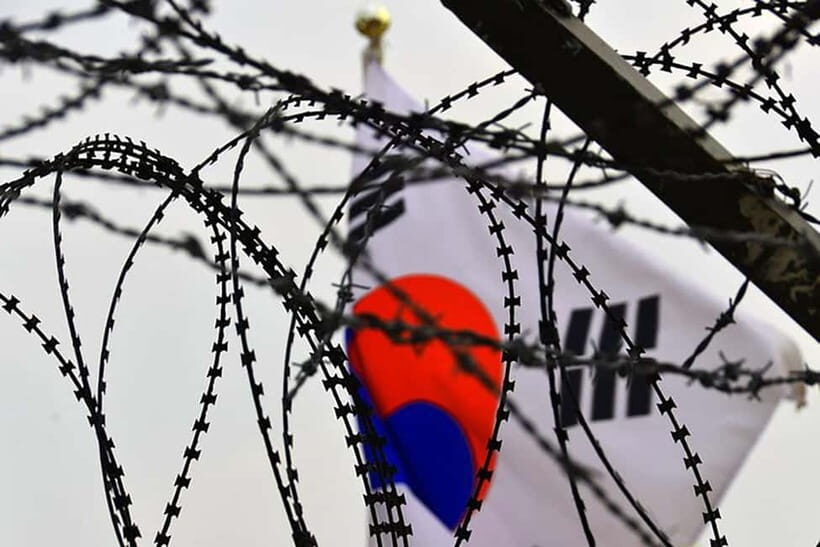
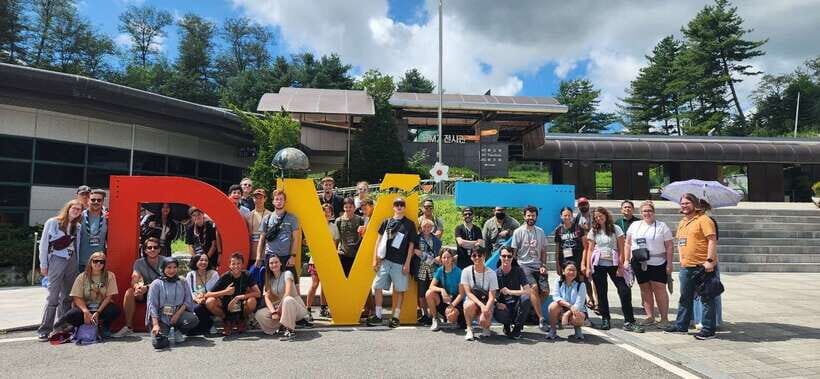
Imjingak Park is often the emotional opener. You’ll get guided time there (about an hour), including the iconic photo-and-history stops: Mangbaedan, Freedom Bridge, and the steam locomotive area.
What I like about this first stretch is the way it sets expectations. Before you reach the stricter DMZ checkpoints, you get context for why people walk toward the line, why the bridge matters as a symbol, and how this area has functioned as a reminder of division even when no one is allowed to cross freely.
You’ll also pass toward the next checkpoint area, including the Unification Bridge (check point) segment. That transition matters. It helps you go from “tourist mode” to “this is a real boundary” mode before you hit the tunnel and Dora.
If you’re the type who hates being dragged from stop to stop, this is one of the better structured segments. It’s paced enough that the stories have time to land.
Third Infiltration Tunnel of Aggression: the stop that feels most real
This is the big physical centerpiece of the tour: guided access to the Third Infiltration Tunnel dug by North Korea into the South.
Walking into a tunnel like this changes the mental picture immediately. The DMZ can feel like an abstract political map until you’re inside a structure designed for intrusion. Even if you already know the headlines, the tunnel forces your brain to connect intention with engineering and distance.
A few things make this stop worth prioritizing:
- You’re there with a guide explaining what you’re looking at, not just taking photos.
- The experience is time-based, and the schedule gives enough structure to understand what you’re seeing.
- You get that rare feeling of being in the same kind of space the original planners relied on.
This is also where your comfort planning matters most. Wear something you can move in. You’ll likely have colder or damp-feeling conditions compared with Seoul, even when the day outside is fine. And because it’s a controlled site, don’t count on “lingering for one more picture” beyond what your guide allows.
Dora Observatory: seeing North Korea without crossing the line
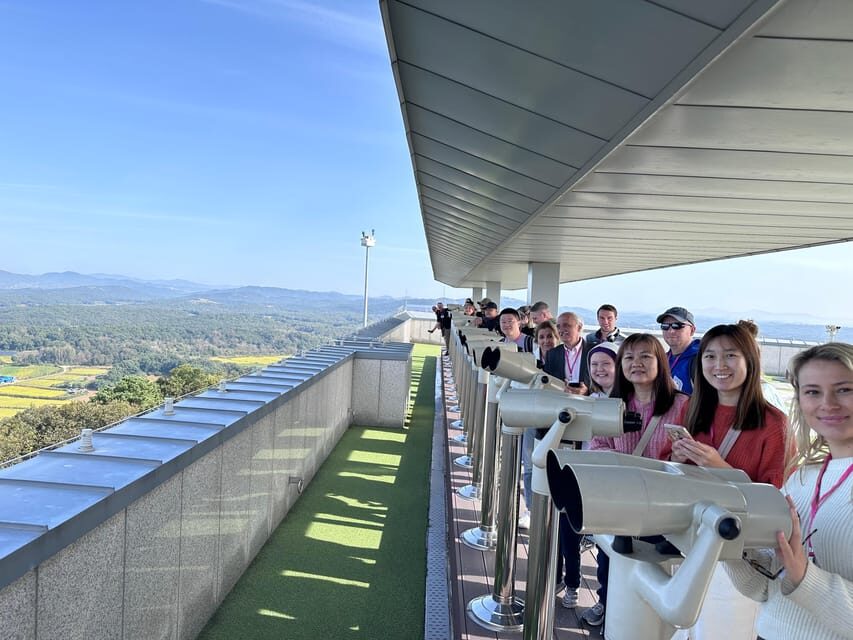
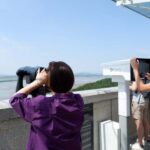
After the tunnel, the tour shifts to a different kind of impact: your eyes take over. Dora Observatory gives you a guided viewing session (about an hour) where you can look out toward North Korea.
On a clear day, this stop can feel slightly unreal in the way good science museums do: you know you’re safe, but you’re also staring at a reality you rarely get to visualize. Your guide frames what you’re seeing so it doesn’t turn into random skyline watching.
In the past, guides like Lily, Yoon, and Katie (Ms. Park) have been especially praised for clear explanations and for keeping the visit engaging. That matters here. Dora is simple in layout, but complex in meaning. A good guide helps you interpret distance, what’s visible versus what isn’t, and why the observation point has been so important for decades.
One more practical detail: your day may include small shop areas or photo zones near the observatory area. Some tours include opportunities to buy North Korean-related items such as currency, if available at that stop.


Unification Village: quick pass-by, big emotional weight
You’ll pass Unification Village for a short moment (about 5 minutes). It’s not a long linger, so don’t treat it as your main cultural stop.
Instead, I see this as a pacing tool in the day: a brief reminder that the DMZ isn’t just history; it affects how people live and what development looks like near the border. Even with the short time, it helps connect the dots between the observatory view and the tunnel reality.
Because your time here is limited, I suggest using it like a checkpoint moment. Get your bearings, listen for the guide’s framing, and then mentally move on to the next segment—especially if you’re adding a suspension bridge.
Suspension bridge add-ons: choose Red Bridge or Majang Lake
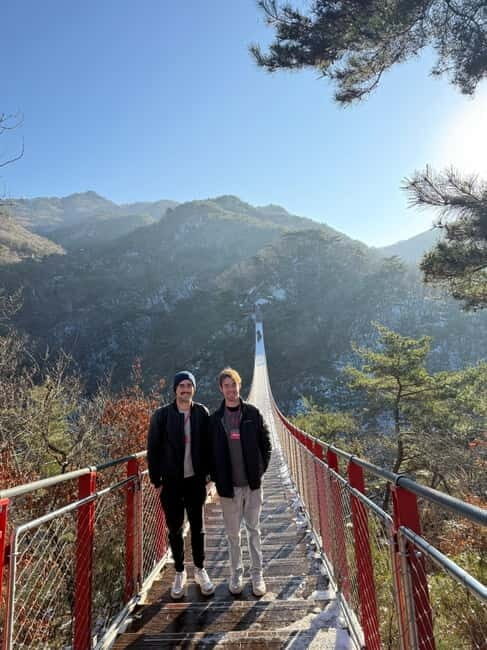
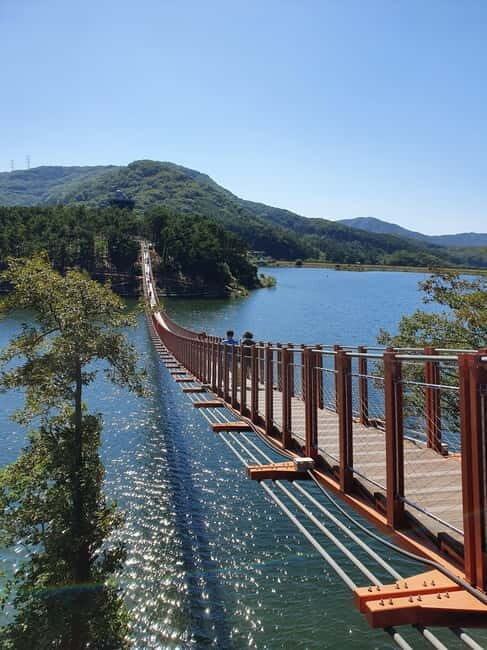
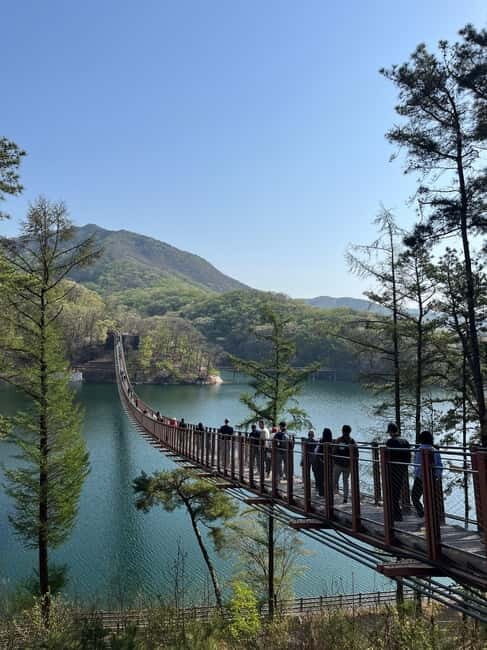
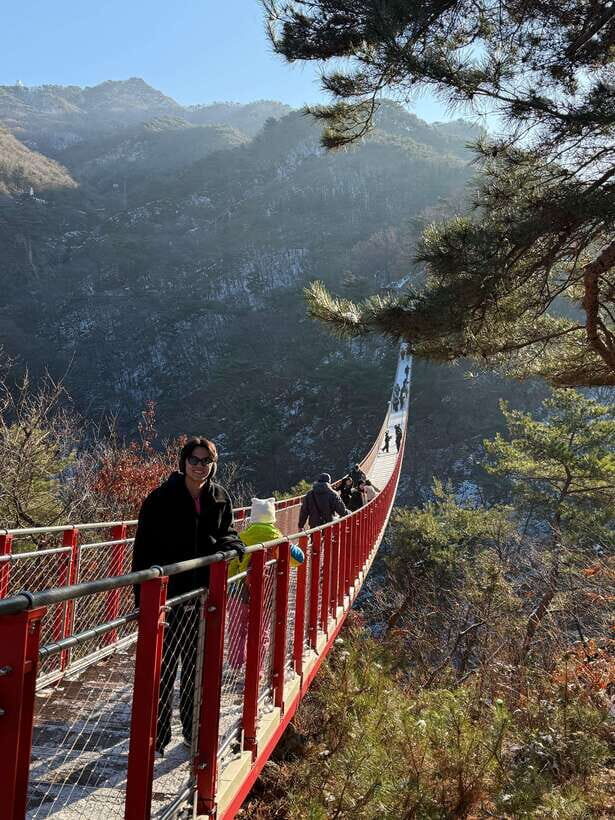
The suspension bridge is optional, and it’s a nice way to break up the intensity of the DMZ. You’ll have time for one of two styles depending on your booking option:
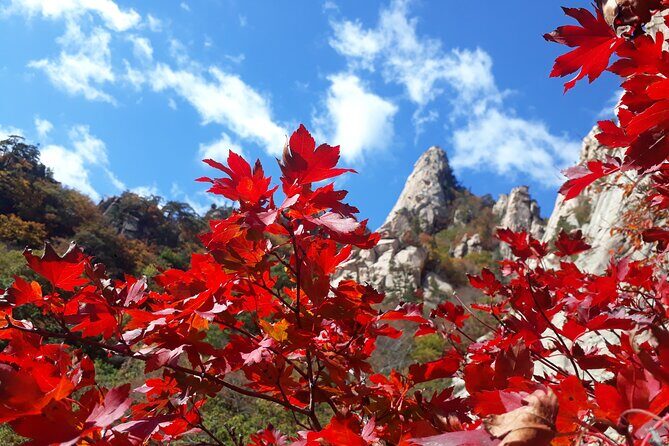
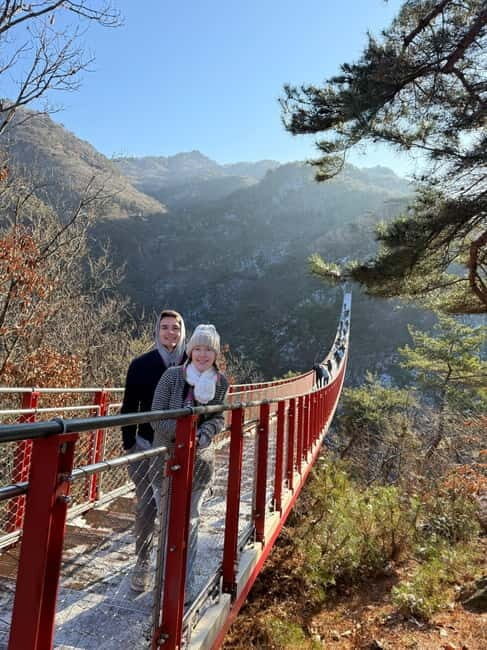
- Mt. Gamaksan Red Suspension Bridge (often called the red suspension bridge option)
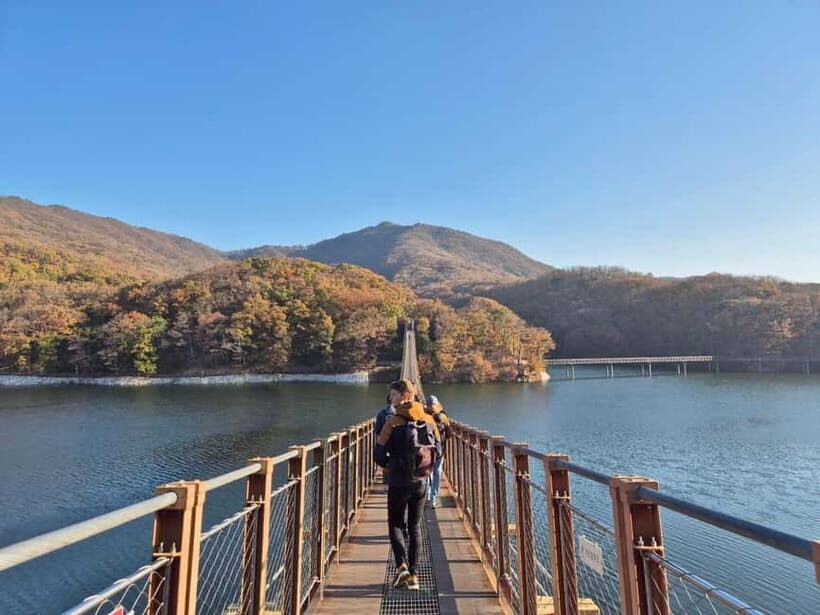
- Majang Lake suspension bridge (Majang Reservoir/Lake suspension bridge option)
Either way, the bridge portion lasts about an hour with guided time. This segment is less about politics and more about perspective. You get open air, a bit of movement, and views that let your brain reset after tunnels and checkpoints.
How to choose?
- If you like strong visual “wow” and a more distinct landmark vibe, the Red Suspension Bridge may fit you better.
- If you want a calmer, water-adjacent feel, pick Majang Lake.
One warning: you’re still in the country. Bring a layer. Even when it’s sunny, wind can be real on bridge decks.
North Korean Defector Meet-up at Imjingak Experience Hall
This add-on is the reason many people book, and it’s one of the rare experiences that goes beyond museum-style DMZ information.
At Imjingak Park, the North Korea Experience Hall opened on April 22, 2025, and this tour offers a defector meet-up option connected to that setting. The format is guided and designed so you can learn directly from a real person’s perspective.
What I like most is how it changes the tone from “systems and structures” to “human stories.” The guide’s job becomes more than narration here. You’re in a moment where context matters, and strong guides like AJ, Grace, Sadie, and Erica have been praised for handling the day’s flow and making room for questions.
A few practical notes based on what the tour info and guide feedback emphasize:
- This is an add-on you select during booking.
- Expect a different emotional pace than the tunnel and observatory stops.
- Your guide helps translate the meaning into something you can actually carry with you after the day ends.
If you’re on the fence, I’d treat this as a “yes” unless you know you want a strictly light, sightseeing-based trip. The DMZ is already serious; the defector experience makes it personal.
Price and value: about $45 for a controlled-day itinerary
At around $45 per person, this isn’t priced like a barebones bus ride. You’re paying for several things that are expensive in practice: licensed guiding, round-trip transportation from Seoul, and admission tickets for the DMZ sites.
What pushes the value up is that the day includes multiple high-cost, highly regulated components. DMZ access isn’t something you DIY casually, and it’s not just one viewpoint. You’re combining Imjingak Park, the tunnel experience, Dora Observatory, and then optional add-ons like a suspension bridge and the defector meet-up.
Food and drinks aren’t included, so plan on spending some money on your own. Travel insurance isn’t included either. But compared with the total experience—guided, ticketed, and structured across controlled locations—the base price still looks like strong value.
If you can swing it, add the defector session. It costs more, sure, but it’s also the part that turns a list of stops into a memory with a point of view.
Should you book this DMZ tour?
Book it if you want a guided DMZ day that’s structured, not chaotic, and you value clarity. You’ll get the big sights—Imjingak Park, the Third Infiltration Tunnel, and Dora Observatory—with a guide who keeps the meaning attached to what you’re seeing. It also suits you if you like photos, because guides such as Lily, Yoon, and Chloe have been specifically praised for taking the time to help with pictures at key moments.
Consider skipping or choosing a different option if you’re the type who can’t handle long days. It’s a full schedule and you’ll need your passport. Also, if you want total flexibility to linger where you want, a DMZ day trip is not that kind of outing.
One extra decision note: Mondays are different. The tour data says the original DMZ is officially closed on Mondays, so an alternate route runs in the form of a “Starbucks DMZ Tour” from about 07:30–13:00, featuring stops like Aegibong Peace Park and Aegibong Suspension Bridge with Jogang Observatory.
FAQ
Do I need a passport for this tour?
Yes. All guests must bring a passport. A military ID or ARC is also accepted.
How long is the DMZ tour from Seoul?
The tour duration is about 7 hours (510 minutes), depending on the starting time and option.
What’s included in the price?
Included are a friendly licensed professional tour guide, round-trip transport from Seoul, and admission tickets for the DMZ. The North Korean defector session is optional and depends on what you book.
Is hotel pickup included?
Hotel pickup is optional. For the private DMZ tour option, you meet at the hotel, while other options use designated meeting points.
Does the suspension bridge stop happen on every option?
No. The suspension bridge is optional, with choices including the red suspension bridge (Mt. Gamaksan) or the Majang Lake suspension bridge.
Which languages are offered?
Live guided tours are available in Chinese, English, and Japanese.
What if there are not enough people for a Japanese or Chinese tour?
Chinese/Japanese tours require a minimum of 3 people. If the minimum isn’t met, the tour runs in English.
What special tour runs on Mondays?
On Mondays, the original DMZ is officially closed, so the tour provides a different course called the Starbucks DMZ Tour (07:30–13:00).