REVIEW · SEOUL
Seoul: Half-Day DMZ Tour Led by a Retired Military Officer
Book on GetYourGuide →Operated by PLK Travel Inc. · Bookable on GetYourGuide
Cold air helps you understand why.
This half-day DMZ tour in Gyeonggi Province is led by retired military officers who explain what it was like on the front line, not just what’s written in textbooks. I like the built-in effort to get the best sightlines, since the team checks whether Odusan or Dorasan Observatory offers the clearest view of North Korea that day before you head out.
The second thing I really like is the access to the 3rd Infiltration Tunnel and the way your guide connects each sight to real missions, not vague history. Guides I’ve seen highlighted include Agent Eddie (tunnel expert), Agent SJ (Special Forces Major, Iraq veteran), and Agent Tiger (former artillery commander), and you’ll feel how personal stories make the place harder to forget. There’s also plenty of time at DMZ-adjacent sites to ask questions and absorb the emotional weight.
One drawback to keep in mind: the day is physically demanding and the tunnel walk includes stairs and crouching, so it’s not suitable for mobility impairments. Add the fact that the DMZ can close suddenly without notice, and your plan needs a bit of flexibility.
In This Review
- Key things to know before you go
- Why the DMZ feels different when it’s guided by ex-officers
- Meet your guide: Agent SJ, Agent Tiger, Agent Eddie, and Agent Jason
- Odusan or Dorasan Observatory: how the tour chases the clearest view
- Into the Demilitarized Zone: what “guided” really means on-site
- The 3rd Infiltration Tunnel: the highlight and the workout
- Imjingak Park, mangbaedan altar, and Freedom Bridge
- Timing in a real Seoul half-day: what to expect on the clock
- Price and value: what $57 buys you (and what it doesn’t)
- What to bring: passport, shoes, and no big bags
- Private option upgrade: War Memorial of Korea in Yongsan
- Who this tour suits best (and who should reconsider)
- Should you book the Seoul half-day DMZ tour with retired officers?
- FAQ
- How long is the Seoul DMZ half-day tour?
- What is the price per person?
- Where does pickup and drop-off happen?
- Do I need a passport?
- Which observatory does the tour visit: Odusan or Dorasan?
- What DMZ sites are included besides the observatories?
- Is lunch included?
- Is the tunnel walk difficult?
- Is this tour suitable for people with mobility impairments?
- What happens if the DMZ is closed suddenly?
Key things to know before you go

- Retired officers as guides: You’ll hear answers from people who served, including tunnel and intelligence specialists.
- Clear-view planning: The tour can choose between Odusan and Dorasan based on real-time checks.
- 3rd Infiltration Tunnel access: Expect a real walkthrough with lots of bending and a workout feeling.
- DMZ landmarks that connect to daily reality: You’ll see the division symbol sites and the human side of hope.
- Imjingak Park stop: The Bridge of Freedom, steam locomotive, and mangbaedan altar give the war a face.
- Private option adds War Memorial of Korea: Yongsan’s War Memorial of Korea is only included for private groups.
Why the DMZ feels different when it’s guided by ex-officers

The DMZ is one of those places where photos feel too clean. Up close, you get the real texture: fences, warning systems, strict lines, and that unmistakable sense that this isn’t a museum set. What makes this tour worth your time is that your guide keeps pulling you back to one question: how do people live with this every day?
I especially appreciate the tone. This tour isn’t trying to sensationalize the conflict. Instead, it focuses on why the DMZ exists, how the tunnel system was designed for aggression, and what the human consequences look like. In practice, that makes the day feel more grounded and easier to follow, even when topics get heavy.
You’ll also spend the day in a tight rhythm: observatory views, a guided DMZ segment, the tunnel, then a set of historical memorial areas around Imjingak. It’s efficient, but not rushed in a sloppy way. You’re moving because access is limited, not because the tour wants to cram.
You can also read our reviews of more tours and experiences in Seoul


Meet your guide: Agent SJ, Agent Tiger, Agent Eddie, and Agent Jason
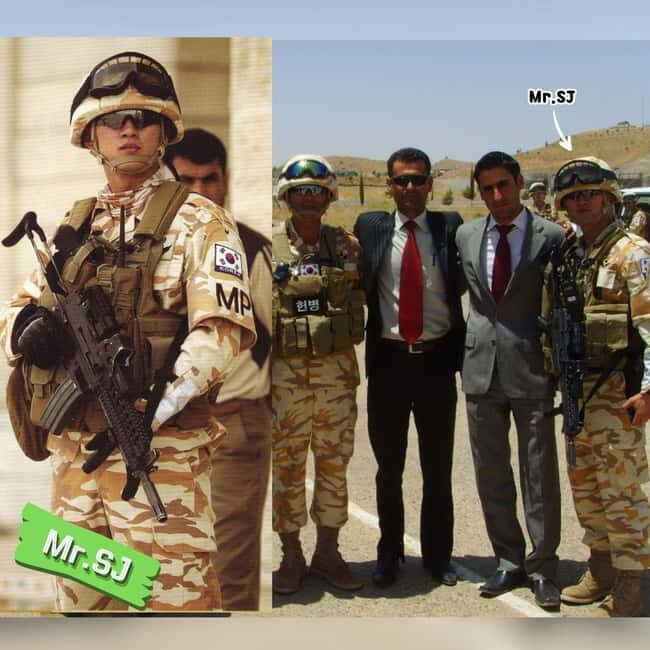
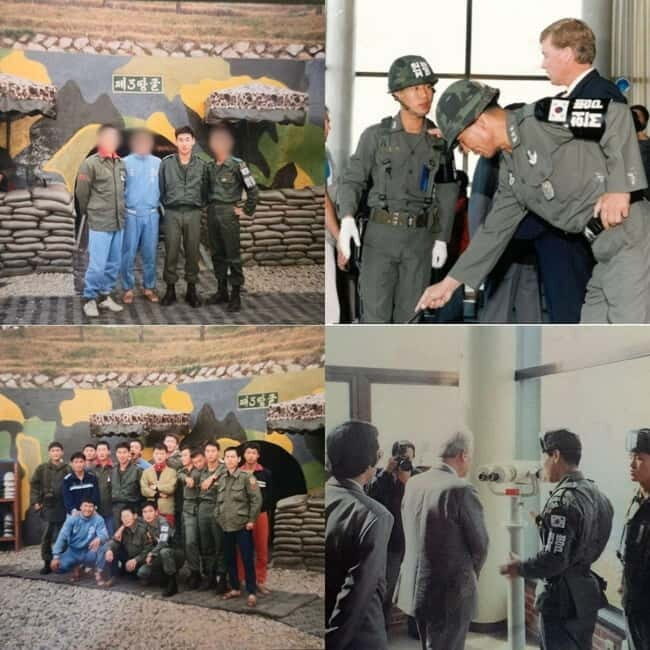
This is the big selling point, so it deserves your attention before you book. The tour is led by retired military professionals with hands-on backgrounds, and the names come up often: Agent SJ (Special Forces Major & Iraq veteran, 707 Special Mission Battalion), Agent Tiger (former Artillery Battalion Commander with 20 years at the front line), Agent Eddie (infiltration tunnel expert), and Agent Jason (31-year ROK intelligence officer, retired as Lieutenant Colonel).
What you get from that kind of résumé isn’t just facts. It’s the way they explain cause and effect. When they point at a landmark, you understand why that location mattered. When you ask a question like how they tracked signals or how infiltration plans were built, you don’t get a vague response. You get the logic—and sometimes the emotion—behind it.
Guides also stay interactive. Many people highlight that your guide will engage the group on the bus and actively invite questions. That matters because the DMZ can feel like a blur of gates and viewing decks. A good guide helps you make sense of the “why” behind each stop.
Odusan or Dorasan Observatory: how the tour chases the clearest view

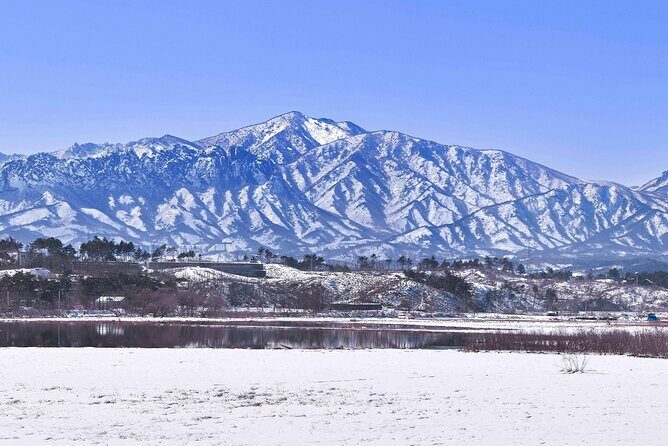
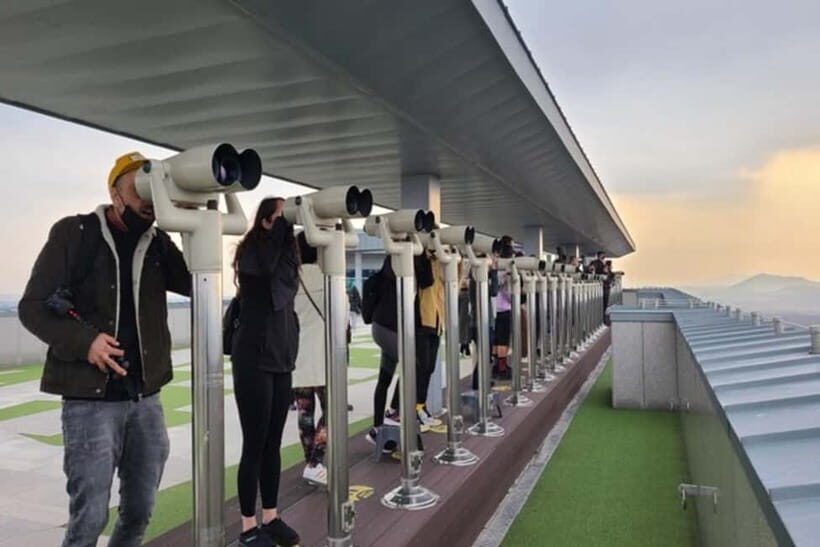
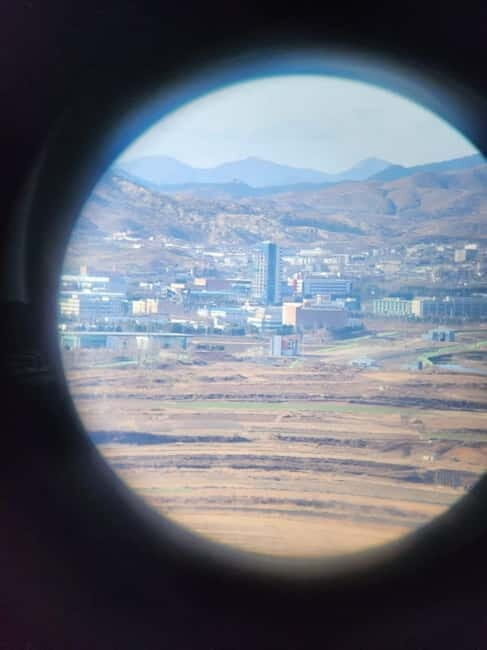
The observatory portion is where you’ll either feel that cold, cinematic curiosity—or you’ll feel a bit disappointed if visibility is poor. This tour tries to manage that by choosing your observatory using real-time checks. On the day of the tour, they determine which observatory—Odusan or Dorasan—has the clearest view of North Korea by doing research through security cameras and coordination with observatory staff.
That’s a smart approach, because weather and haze can change fast. If you’ve come for the view of North Korea, this extra step increases your chances of getting something you can actually see.
You’ll typically have about an hour at your chosen observatory. Expect a guided explanation alongside the viewing time. Dress for the temperature, especially if you’re going in colder months—observatory stops can mean standing and looking for longer than you’d expect.
Into the Demilitarized Zone: what “guided” really means on-site
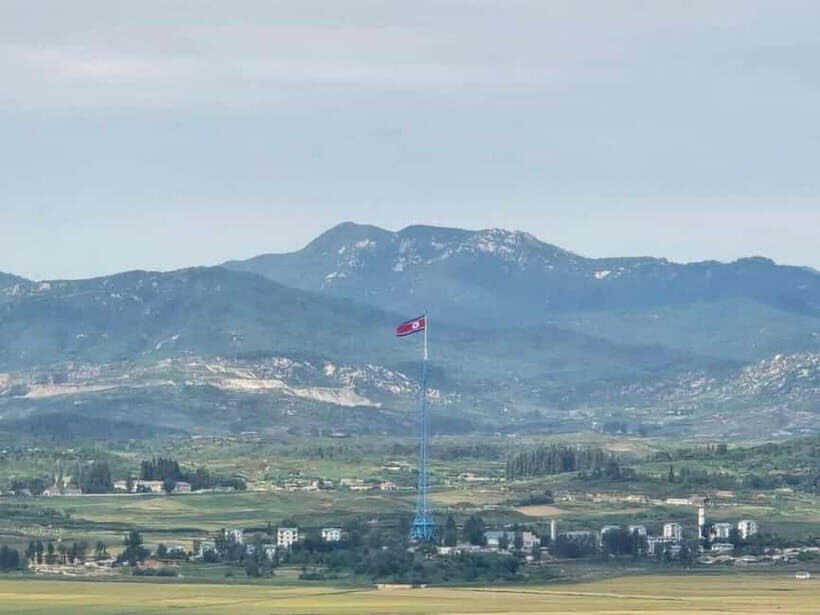
Once you enter the DMZ area, you’re not just looking from a distance. The guided portion runs about 2.5 hours, and it’s structured to help you connect landmarks to the story of division and the ongoing tension.
In this part of the day, you’ll hear personal context from men who served there. That’s where the tour becomes more than sightseeing. You’ll start to understand the DMZ as a lived boundary, not an abstract line on a map.
A few practical notes that help:
- You’ll be walking and following instructions closely, because this is a controlled military zone.
- Timing can shift depending on military permission and conditions on the day.
- The tour may swap sites if there’s maintenance or weather problems, and you should be prepared for that possibility.
The biggest takeaway: the DMZ stops are arranged to show contrasts. You see symbols of separation, then human stories tied to hope and reunification. It’s not a “everything is bad” narrative and it’s not a “everything will be fine” narrative. It’s the reality in the middle.
The 3rd Infiltration Tunnel: the highlight and the workout
If you’re deciding whether to do this tour, the tunnel is the deal-maker. This isn’t just a viewing spot. You enter the 3rd Infiltration Tunnel, and the tour includes a guided walking tour inside.
Most people who finish the tunnel come away with the same reaction: it’s powerful because it’s physical. Your body has to do what soldiers would have done—descend, move through tight passages, and crouch where you have limited room. Even on days when the rest of the tour feels “easy,” the tunnel can still feel like the hardest part of the day.
The tour also frames the tunnel correctly. It’s presented as an infiltration route built by the North Korean army in an attempt to invade the South. That changes how you interpret what you see. You’re not imagining it as an escape fantasy. You’re looking at strategy made into architecture.
Practical advice before you go:
- Wear comfortable shoes with good grip.
- Bring clothes that won’t restrict you too much while crouching.
- Plan for it to take effort, not just time.
This is also where your guide’s background matters. Agent Eddie is specifically identified as an infiltration tunnel expert, and that tends to translate into clearer explanations about what makes this tunnel different.



Imjingak Park, mangbaedan altar, and Freedom Bridge
After the tunnel, the tour shifts from the cold logic of infiltration to the human and historical story around Imjingak.
You’ll spend time at Imjingak Park, and the day typically includes several landmark visits connected to the Korean War and the idea of possible reunification. Common stops include:
- Mangbaedan altar
- Freedom Bridge (often referred to as the Bridge of Freedom)
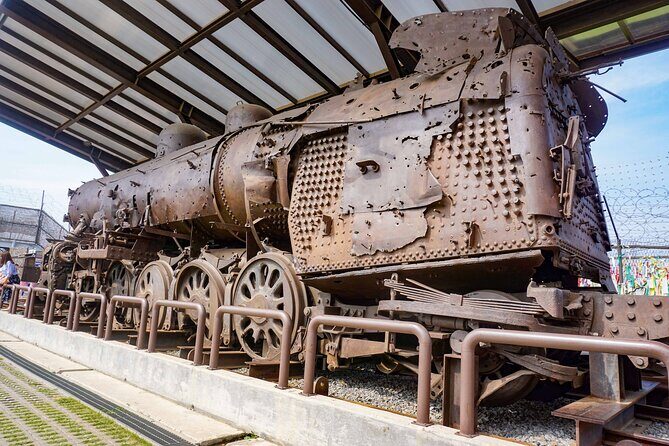
- A steam locomotive display
- Additional nearby Imjingak features during the guided drive-by and walking segments
This set of stops helps you widen the frame. You go from the tactical details of the tunnel and the observatory views into the aftermath—where families were separated, where longing became routine, and where cultural rituals and memorials keep the issue present.
It’s also one of the more reflective parts of the tour. Even if you came in with a “let’s see the sites” mindset, Imjingak tends to shift people into a more personal headspace.
Timing in a real Seoul half-day: what to expect on the clock
The tour is listed as about 6 hours, and the return is generally mid-afternoon. Meeting and drop-off times vary based on the starting point and conditions, with typical drop-offs around:
- Hongik University Station around 14:00–14:30
- Myeongdong Station around 14:30–15:00
Expect an approximately 1 hour bus ride each way from Seoul, plus on-site time for the observatory, the DMZ guided segment, the tunnel, and the Imjingak area.
Two things can affect timing:
- Weather (especially visibility for the observatory).
- Military permission and access (the DMZ can close suddenly without notice).
The good news is that your tour won’t leave you hanging. If access is restricted, the tour can provide an alternative, but refunds aren’t offered if the DMZ closes on the day.
Also note: the pace can feel brisk if you’re not used to early starts. If you’re sensitive to long cold waits, plan layers and arrive a little earlier than you think you need.
Price and value: what $57 buys you (and what it doesn’t)
At $57 per person, this tour is priced like a true half-day group experience—but it includes several cost items that add up if you try to piece it together yourself.
Included:
- Roundtrip transfer from Seoul
- Admission fees to the DMZ area
- Guide
- Walking tour in the 3rd Infiltration Tunnel
Not included:
- Lunch
- Traveler’s insurance
So the value comes from two things: (1) you’re paying for access and logistics that most independent planners would struggle with, and (2) you’re paying for guides with real service experience. If you care about context, not just “checkbox stops,” that combination is hard to beat.
If you’re trying to save money, it’s worth planning for lunch separately. Many tours leave you with enough time for a snack or restroom breaks, but you shouldn’t assume a full meal is included in the schedule.
What to bring: passport, shoes, and no big bags

This tour is very clear about access rules, so don’t treat them as suggestions.
Bring:
- Passport (required for all guests to access the DMZ)
- Comfortable shoes (you’ll thank yourself later in the tunnel)
Not allowed:
- Luggage or large bags
A simple packing plan works best: small day bag, passport in a place you can reach fast, and comfortable layers for cold observatory and outdoor stops.
Also, be ready for the tunnel walk to be tight-space and stamina heavy. Reviews repeatedly flag that you need footwear that can handle uneven steps and that the crouching portion takes effort.
Private option upgrade: War Memorial of Korea in Yongsan
If you book a private group option, there’s an extra afternoon stop: the War Memorial of Korea in Yongsan. This isn’t included for standard group formats.
That add-on can be a good choice if you want more context after the DMZ itself. The DMZ gives you the boundary and the tactics; the war memorial helps you connect the larger war story and modern military themes.
Who this tour suits best (and who should reconsider)
This tour fits you best if you:
- Want a DMZ experience guided by real ex-military professionals
- Like clear explanations and are comfortable asking questions
- Don’t mind cold weather and a physically active segment
- Are okay with a day that depends on weather and military access
You should reconsider if you:
- Have mobility impairments. The tour is not suitable for that.
- Hate tight spaces or crouching challenges. The tunnel is a major part of the itinerary and it’s not “easy mode.”
Should you book the Seoul half-day DMZ tour with retired officers?
I’d book it if you want the most informed version of the DMZ available in a half day: observatory planning for clearer sightlines, guided DMZ time that focuses on the human meaning, and the real walk into the 3rd infiltration tunnel with guides who can explain what you’re seeing in plain language.
I wouldn’t book it if you can’t handle the tunnel’s physical demands or if you need a fully predictable itinerary with no chance of access changes. The DMZ can shut down suddenly, and while the tour can switch to an alternative, it won’t refund you for day-of access changes.
If you fit the first group, you’ll leave with a sharper sense of why this boundary matters—and you’ll understand it in a way that facts alone can’t quite deliver.
FAQ
How long is the Seoul DMZ half-day tour?
The tour is listed as about 6 hours.
What is the price per person?
The price is $57 per person.
Where does pickup and drop-off happen?
Pickup and drop-off depend on the option booked. The tour can pick you up in the Seoul area and drop you off where you were picked up, with typical drop-off times around Hongik Univ. Station and Myeongdong Station.
Do I need a passport?
Yes. A valid passport is required to access the DMZ.
Which observatory does the tour visit: Odusan or Dorasan?
They decide on the day whether Odusan or Dorasan offers the clearest view of North Korea based on real-time checks with security cameras and local observatory staff.
What DMZ sites are included besides the observatories?
You’ll have a guided DMZ segment, visit the Third Invasion Tunnel (3rd Infiltration Tunnel), and then go to Imjingak Park with stops including mangbaedan altar and Freedom Bridge.
Is lunch included?
No. Lunch is not included.
Is the tunnel walk difficult?
It involves a walking tour in the tunnel, and you should be prepared for a physically challenging experience with stairs and crouching.
Is this tour suitable for people with mobility impairments?
No. It is not suitable for mobility impairments.
What happens if the DMZ is closed suddenly?
The DMZ might close without notice on the day. If that happens, an alternative tour may be provided, but no refunds are offered.