The DMZ feels real, not staged. This Seoul half-day tour puts you in the hands of retired officers who explain what you’re seeing and why it matters, with Odusan or Dora chosen based on visibility.
I especially like the human angle: guides such as SJ, Captain Eddie, Julie, Dylan, Jay, and other retired military specialists bring the war and the border into focus with real terminology and personal field context. Second, I love the tight format—no shopping padding, admissions included, and enough time at each stop to actually look, listen, and ask questions.
One thing to plan around: the day can be weather- and security-dependent, and your observatory choice is made on the spot, so you may get a different view than someone on a different date.
In This Review
- Key things I’d plan for before your Seoul DMZ day
- Why a retired officer DMZ tour changes everything
- Choosing Odusan or Dora Observatory based on what you can actually see
- The first gate: ID checks, Freedom Bridge, and the Mangbaedan altar
- Walking the Third Tunnel: what “low and tight” really means
- Dora Observatory: Gaeseong Industrial Complex and Songhaksan Mountain in one line
- Odusan Unification Observation Deck: the closest clear-view shot from Seoul
- The short symbolic stops: Mangbaedan again, Jangdan Station’s steam locomotive, and Freedom Bridge photos
- Timing and logistics that affect your comfort more than you’d expect
- Price and value: $45 with admissions and transfers included
- Who this DMZ tour is best for
- Should you book this Seoul DMZ half-day with PLK Travel?
- FAQ
- Do I need a passport for this DMZ tour?
- How long does the tour take?
- Which observation deck will I visit: Odusan or Dora?
- Is lunch included?
- What’s included in the $45 price?
- Will the schedule ever change?
Key things I’d plan for before your Seoul DMZ day
- Retired military officers lead the tour, and they talk like people who’ve worked the system, not like people reading a script
- You’ll visit one observation deck (Odusan or Dora) chosen daily for the best line of sight
- Third Tunnel is the main physical moment: low clearance means careful steps and a bent-neck experience
- Checkpoints and ID checks happen early, so keep your passport handy and follow instructions fast
- Admissions are included, which helps the value math on a long day outside Seoul
Why a retired officer DMZ tour changes everything
The DMZ is the kind of place where a normal walking tour can feel thin. You can take photos at a lookout and still miss the point. This tour is built to fix that.
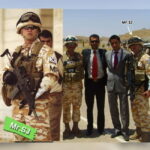
What makes it work is the leadership. Instead of generic “here’s a war timeline” talk, you get retired military guides with specific backgrounds and specialty focus—people like Agent SJ (Special Forces Major, Iraq war veteran), Agent Tiger (former artillery commander), and Agent Eddie (including DMZ tunnel expertise for explaining the Third Tunnel), plus other officer-led guides such as Julie and Dylan. Their job isn’t just facts. It’s translating what the border system means in plain language, and doing it while you’re standing where it happened.
In the best moments, the tour turns into a classroom on wheels. You’ll hear terms, distances, and tactical logic explained while the scenery is right there outside the bus window. I also like that humor shows up—because the topic is heavy, and the guide uses lightness to keep the group moving and thinking instead of shutting down.
You can also read our reviews of more tours and experiences in Seoul
Choosing Odusan or Dora Observatory based on what you can actually see
This tour doesn’t treat the view like a lottery you have to accept. Each morning, the team checks weather, visibility, and live CCTV signals, then chooses either Odusan or Dora Observatory on the day.
That matters because DMZ sightseeing is brutally honest about weather. Smog, haze, or a low-contrast day can turn “look at North Korea” into “look at a blur.” By making the choice on the spot, you get the best shot at clarity that day rather than getting forced into one option no matter what.
Here’s the practical difference:
- Dora Observatory is tied to the western front vantage. It offers a chance to see the Gaeseong Industrial Complex and Songhaksan Mountain in one view, with North Korea visible across the line (within what the observation conditions allow).
- Odusan Unification Observation Deck is closer to the border line—about 2 km from North Korea—and is described as the closest clear-view option from Seoul.
If you’re the type who hates “cookie-cutter” plans, you’ll probably appreciate this setup. It also means your photos might look a bit different than friends’ images online, but the decision-making is part of the value.
The first gate: ID checks, Freedom Bridge, and the Mangbaedan altar
Before you go into the DMZ area, you’ll go through an ID check. It’s one of those moments that feels formal and fast—less “tourist moment,” more “this is a restricted boundary.” Bring a current valid passport and be ready to move when asked.
Once you’re through, the start leans historical and symbolic. You’ll look through key points tied to the Korean War era, including:
- Bridge of Freedom viewpoints (short but meaningful)
- Mangbaedan Altar areas (also tied to the war’s aftermath and divided lives)
You’ll spend about half an hour at the opening DMZ stop area. Even if your brain wants to skip straight to the biggest sights, this portion helps you frame what comes next. It sets the emotional context and the geographical logic—why the tunnel matters, why the observatories are placed where they are, and why the border feels personal to families.
Mangbaedan in Paju deserves its own quick note later too. It’s where separated families pay tribute to ancestors facing north across the DMZ. That kind of stop is brief (around ten minutes), but it’s one of the moments that makes the whole day feel less like sightseeing and more like witnessing.
Walking the Third Tunnel: what “low and tight” really means
If you want one place where your body understands the border story, it’s the Third Tunnel.
This is a walking course into the tunnel, with the guide helping you interpret what you’re looking at. The tour highlights the tunnel’s physical constraints—about 1.95 meters high and 2.1 meters wide—and that size isn’t a trivia detail. It’s the point. You’re not just standing near history. You’re moving through the kind of space built for infiltration, and the low ceiling makes you feel how hard it would be to operate there for long.
Plan on this as the most physically demanding stop on the route. You don’t need to be an athlete, but you do need moderate physical fitness—and you should be comfortable walking through enclosed, uneven-feeling terrain (even if the experience is controlled and guided).
Time-wise, it’s about forty minutes. In a good tour rhythm, you don’t just rush through. You get the “why” from the guide as you go—often tied to how the tunnel changed the way militaries thought about crossing attempts and how it affected defensive planning.
Dora Observatory: Gaeseong Industrial Complex and Songhaksan Mountain in one line
When the day’s choice lands on Dora Observatory, you get a focused viewing block of about forty minutes. The key claim here is simple and useful: you can potentially see the Gaeseong Industrial Complex and Songhaksan Mountain together in a single view.
That matters for two reasons.
First, it gives you identifiable targets instead of just a general “north looks far away” feeling. Second, it helps you connect geography to modern history—industrial sites, mountain outlines, and the way the line of demarcation sits within a real terrain, not an abstract map.
Dora is also positioned as the northern-most point of the western front for observation. Your guide can help you understand what that changes in your perspective—what you see, what you don’t, and why the same camera angle doesn’t always tell the same story from different observation decks.


Odusan Unification Observation Deck: the closest clear-view shot from Seoul
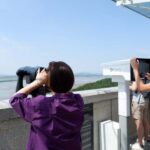
If the visibility favors it, you’ll go to Odusan Unification Observation Deck, described as about 2 km from North Korea and the closest clear-view option from Seoul.
This stop is about forty minutes too. The advantage is proximity. The border still isn’t “close” in a casual sense—you aren’t crossing anything—but proximity changes how your eyes can separate details. Even on a hazier day, it can mean more visual information rather than pure distance fuzz.
Your guide’s job here is crucial: explaining what you can reasonably pick out in the conditions you’re given. One of the strongest tour values is that the guide doesn’t treat the observatory as a trophy photo spot. They treat it as a viewing lesson—helping you understand what you’re looking at and how to interpret it without guessing.
The short symbolic stops: Mangbaedan again, Jangdan Station’s steam locomotive, and Freedom Bridge photos
Not every stop is long. Some are quick, but they add emotional weight and visual variety.
Here’s what you’ll likely notice along the way:
- A second Mangbaedan experience in Paju (short and focused on the tribute aspect). Even ten minutes can feel like a pause button.
- A steam locomotive at Jangdan Station on the Gyeongui Line. It was destroyed during the Korean War in 1950 by U.S. forces to block the Chinese advance while transporting UN supplies northward. The locomotive is now a symbol of war and division. It’s only a five-minute stop, but it’s a strong one because it turns the conflict into a concrete object.
- Bridge of Freedom again as a brief viewing/photo stop, keeping the day connected from start to finish.
These pauses are short enough that they don’t steal time from the main acts (the tunnel and the observation deck), but long enough to matter.
Timing and logistics that affect your comfort more than you’d expect
Even though it’s marketed as a half-day tour, plan for about 6–7 hours total because the schedule includes bus time and travel to and from Seoul. That’s normal for DMZ access, but it catches people who assumed “half-day” means “quick morning.”
A few practical realities to keep in mind:
- The schedule can change due to traffic, weather, and military training schedule changes.
- The day requires a minimum number of travelers to run, and if it’s canceled for minimums or weather, you’ll be offered another date or a refund.
- You’ll be working with a strict day flow, especially around checkpoints and guided timing.
If you’re someone who hates rigid itineraries, you’ll still probably like this format because the time is spent where it matters: checkpoints, controlled viewing, and the tunnel. It’s not built on lingering at shopping stops.
Price and value: $45 with admissions and transfers included
At $45 per person, the value depends on one thing: what you’d otherwise spend and how much you’d struggle to make it work on your own.
This package includes:
- Licensed professional tour guide
- Roundtrip transfer from Seoul
- Admission fees to the DMZ area
- Admission to the selected observatory (Odusan or Dora)
It also uses a mobile ticket, which is handy. Lunch is not included, so budget for that on your own.
For me, the big value isn’t just the admissions. It’s the guide leadership and the daily observatory decision. A self-planned DMZ day can turn into a paperwork and access headache fast. Here, you get an organized path through the restricted steps, plus interpretation in real time.
Who this DMZ tour is best for
This is a strong match if:
- You want a retired military-led explanation with personal context and technical framing
- You’d rather skip shopping stops and spend your time in the tunnel and at the view decks
- You like asking questions and watching the guide connect details to what you’re seeing
It may be less ideal if:
- You struggle with moderate physical activity. The tunnel’s tight height can feel demanding.
- You dislike schedule changes. Weather and security conditions can adjust what you do that day.
- You’re emotionally sensitive to the subject matter. The DMZ is heavy, and the day can feel sobering.
Should you book this Seoul DMZ half-day with PLK Travel?
If your goal is to understand the DMZ rather than just check boxes, I think this is an easy yes. The key reasons: officer-led guiding, a daily choice of Odusan vs Dora based on real visibility, and a format that avoids shopping detours.
Book it if you can handle the checkpoint setup and you’re comfortable moving through the Third Tunnel environment. If you’re only looking for a quick, low-effort tourist outing, you may find the day emotionally intense and the pacing structured.
FAQ
Do I need a passport for this DMZ tour?
Yes. A current valid passport is required on the day of travel.
How long does the tour take?
The total duration is about 6 to 7 hours, including travel time on the bus.
Which observation deck will I visit: Odusan or Dora?
You visit one of them. The choice is made based on the day’s weather and visibility, with the team assessing conditions in the morning.
Is lunch included?
No. Lunch is not included.
What’s included in the $45 price?
The price includes a licensed tour guide, roundtrip transfer from Seoul, admission fees for the DMZ, and admission to the selected observatory. The tour also uses a mobile ticket.
Will the schedule ever change?
Yes. The schedule and details can change due to weather, traffic, and military training schedule changes.