REVIEW · SEOUL
Private DMZ tour(Tunnel / Observation) with hotel pick up
Book on Viator →Operated by Top Korea Tour · Bookable on Viator
Walking the tunnel makes history feel close. This private Seoul-area tour takes you to the Korean DMZ border story without doing a full JSA visit, using hotel pick-up and a guided day focused on real places like the 3rd Infiltration Tunnel and Dora Observatory. I like how the pacing mixes big-picture context with physical, up-close moments that actually make the division easier to grasp.
One important consideration: you’ll be entering a military zone, so bring your passport and plan for a stop that can feel tight in the tunnel. If you have trouble walking or you’re claustrophobic, this may not be the right fit.
In This Review
- Key things to know before you go
- Price and logistics: what $210 buys you in real time
- First stop: Imjingak Pyeonghoa-Nuri Park and the emotional setup
- DMZ-area bus ride: three big stops without entering the DMZ
- Walking the 3rd Infiltration Tunnel: the moment history becomes physical
- Dora Observatory: see the border from a distance, not a textbook
- Imjingak museum and a defector meeting: where the story turns human
- Your guide makes the difference: Juno Lee and the private-tour advantage
- What to bring and how to prepare (seriously)
- Who should book this DMZ-area tour?
- Who should skip or choose a different option
- Should you book? My straight recommendation
- FAQ
- FAQ
- Is this tour inside the DMZ?
- Does this tour include the JSA?
- Do I need a passport?
- What are the main stops during the day?
- How long is the tour?
- Is lunch included?
- What’s included in the price?
- What should I know about fitness or walking?
- Is it a private tour?
Key things to know before you go
- Private hotel pick-up in Seoul for a smoother start (and less scrambling on a long day)
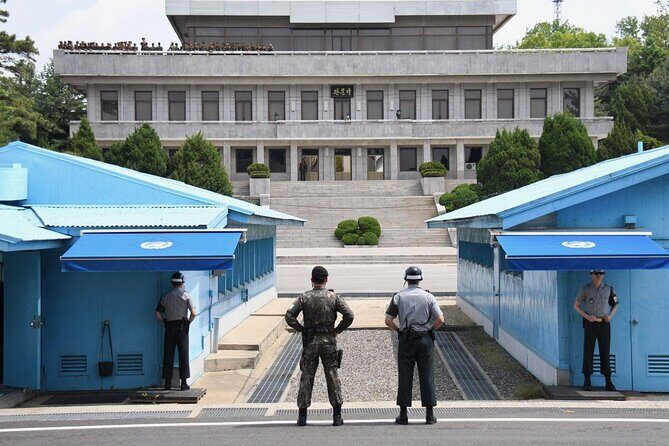
- Not inside the DMZ: you visit military areas outside the DMZ plus the major tunnel and observatory
- 3rd Infiltration Tunnel + Dora Observatory are the core, ticket-included highlights
- Imjingak Pyeonghoa-Nuri Park sets the emotional and historical frame before you reach the border sites
- A museum stop with a defector adds a human lens to the conflict and ongoing separation
- Moderate walking is expected; skip this if mobility is a struggle or you fear enclosed spaces
Price and logistics: what $210 buys you in real time
At $210 per person, this is not the cheapest way to see the DMZ region. But the value comes from three practical things: the private format, the hotel pick-up, and an itinerary built around a short list of high-impact stops instead of a long buffet of places.
You should also factor in time and stress. Starting around 8:00 am and running about 7–8 hours means you’ll want someone handling the driving and sequencing. This tour includes an air-conditioned vehicle, bottled water, and English tour guidance. Lunch isn’t included, so plan to either eat before you go or pick up something small on your own.
A small detail I appreciate: many DMZ tours can feel like cattle transport. Here, the private setup means you’re not stuck competing with a crowd for the best photo angles at the observatory or through the tunnel entry/exit areas. One review even mentioned their group was smaller than typical bus sizes at the time.
You can also read our reviews of more private tours in Seoul

First stop: Imjingak Pyeonghoa-Nuri Park and the emotional setup
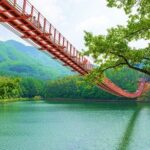
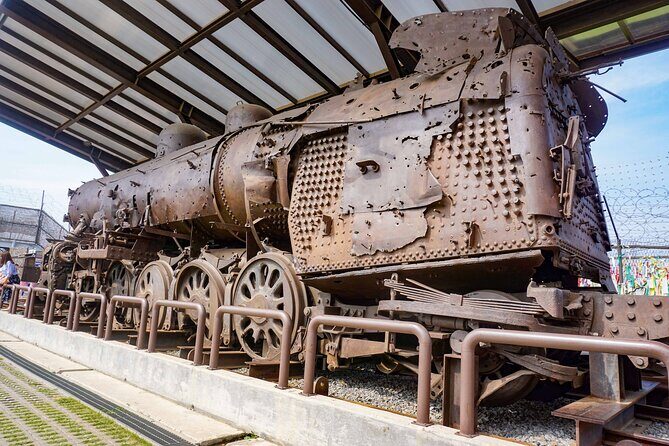
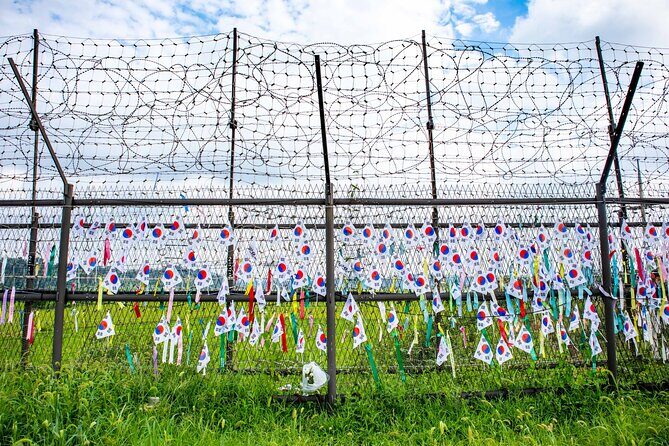
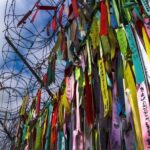
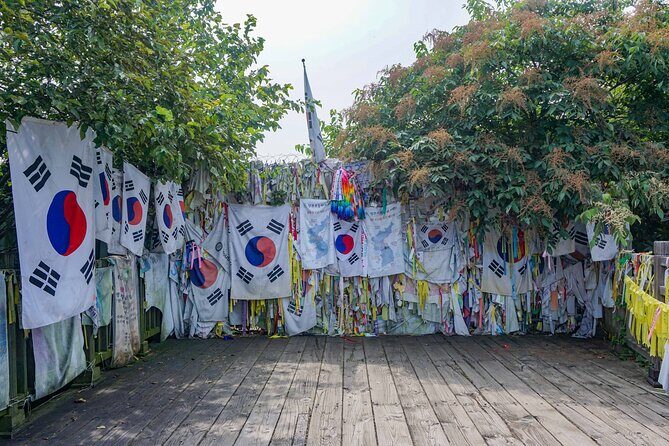
You start with a drive of about an hour from Seoul to Imjingak Pyeonghoa-Nuri Park. This place exists because of earlier inter-Korean talks—after the first round of discussions in 1972—and it became a gathering point focused on longing for reunification.
This stop matters because it gives you a way to interpret everything you’ll see later. When you get to border infrastructure and lookout points, it’s easy to treat it like scenery. Imjingak helps you remember what that border means in daily life, politics, and human memory.
Admission at this stop is free. You’ll also get your first chance to pause, orient yourself, and settle into the day before the heavier border-zone parts start.
DMZ-area bus ride: three big stops without entering the DMZ
The core border day runs on a tour bus that takes you to the three key components you’ll be thinking about all day:
1) 3rd Infiltration Tunnel (main event)
2) Dora Observatory (the view-from-distance moment)
3) A quick stop at a supermarket in Unification Village (for a taste of what that zone looks like day-to-day)
Here’s the crucial clarification: this is a DMZ tour, but not a JSA tour. The DMZ is the heavily controlled border and it is strongly separated from the surrounding areas. Instead of going inside the DMZ itself, you’ll visit military areas outside the DMZ.
Why that matters for your expectations: you still get the sights that explain the division, but you’re not checking into the same exact “armistice signing” area that people associate with JSA-focused tours.
Walking the 3rd Infiltration Tunnel: the moment history becomes physical
The tour’s biggest physical experience is the Third Tunnel, a North Korean infiltration tunnel. The tour description notes a dramatic claim about how many armed soldiers could pass through in a short period if the tunnel were completed and used as intended. Even if you treat those numbers with caution, the tunnel itself does the convincing.
Expect a walk through the tunnel as part of the visit. This isn’t a casual stroll. You’re moving inside an enclosed structure, and the whole point is to show what “infrastructure” can mean in a tense military geography.
This is also the clearest reason to pay attention to the tour’s warning: it is not recommended for claustrophobia. If tight spaces make you panic, skip this specific stop on safety alone.
One more practical note: bring a calm mindset. The tunnel experience can turn photos into something secondary; you’ll likely remember the first steps in more than any picture you take.
Dora Observatory: see the border from a distance, not a textbook
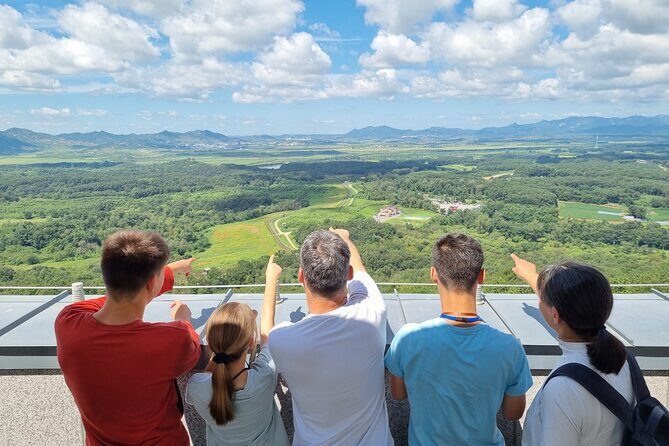
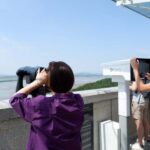
After the tunnel, you head to Dora Observatory. This is one of the classic ways to witness the border’s reality: you look at the separation from a controlled observatory point rather than trying to interpret it from street-level.
This stop is also where the tour’s explanation style really helps. The description specifically points out that you can understand the border while seeing signs of ongoing inter-Korean cooperation progress. In other words, it’s not just about confrontation. It’s about how fragile, managed, and political the relationship is—even years after the armistice.
You’ll likely spend around 50 minutes here. It’s enough time to take photos, listen, and ask questions—without feeling rushed through the most emotional part of the day.

Imjingak museum and a defector meeting: where the story turns human
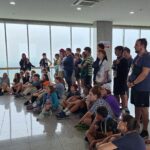
Back near Imjingak, the itinerary includes a museum about North Korea. This is where the tour adds something that many border tours skip: a chance to meet a defector and hear their story through interviews.
That human angle is valuable because tunnels and observatories explain systems. A defector conversation explains what it felt like to live under that system. It also helps you understand why the conflict remains personal, not just political.
This stop runs about 40 minutes. It’s not long, but it can be one of the most memorable parts of the day because it gives you a person to attach your understanding to.
Your guide makes the difference: Juno Lee and the private-tour advantage
The tour is run by Top Korea Tour, and the experience is heavily shaped by the guide. Multiple reviews highlight guides like Juno Lee as a standout—clear English, very responsive with questions, and good timing.
I also like that the service feels flexible. One review described the guide hustling to make the trip work around their schedule, and another noted a more engaging feel due to smaller group size compared with large buses. That smaller-group dynamic matters here because you’ll want your guide to pause for questions when something hits you: a tunnel detail, a view, or a point in the historical explanation.
If you’re traveling with parents or anyone who wants to ask lots of questions, this guide-led structure is a major part of the value.
What to bring and how to prepare (seriously)
This is one of those days where being prepared makes the difference between smooth and stressful.
- Bring your passport: the description explicitly says it’s needed because you go into a military zone.
- Wear shoes for walking: the day includes moderate fitness expectations and a tunnel walk that isn’t made for tricky footwear.
- If you’re claustrophobic, treat this as a deal-breaker: the tunnel visit is a core stop.
On the comfort side: the tour includes bottled water, and you’ll be on an air-conditioned vehicle for the long drives. But you should still plan for a full day, so eat something beforehand. Lunch isn’t included.
Who should book this DMZ-area tour?
This tour is a strong match if you want:
- High-impact sights tied to the Korean division story (tunnel + observatory are the centerpieces)
- A private format with hotel pickup so you don’t burn your day coordinating transport
- An English-speaking guide who can explain what you’re seeing in plain terms
It’s also a decent option for families, as long as everyone can handle moderate walking. One review even mentioned the tour being a highlight for parents and that the guide was clear and helpful for English comprehension.
Who should skip or choose a different option
Skip this one (or at least reconsider) if:
- Claustrophobia is an issue. The tunnel is part of the program.
- Walking is difficult for you or your group. The tour calls for moderate physical fitness, and the itinerary includes movement through the tunnel.
- You specifically want the JSA experience. This tour is explicitly described as not being a JSA tour. JSA tours focus on the armistice signing area.
If you’re torn between DMZ-area and JSA, make your choice based on what you want most: the tunnel and border observatory experience here, or the armistice-signing focus of JSA-centered tours.
Should you book? My straight recommendation
I’d book this tour if you want the best combination of instruction and sensory experience in one day: start with Imjingak to understand reunification feelings, go through the Third Tunnel, and then get the border’s geometry at Dora Observatory.
I wouldn’t book it if your group is sensitive to enclosed spaces or mobility limits, because the tunnel and military-zone conditions are non-negotiable parts of the route.
If you’re aiming for value, also consider timing. This is typically booked about 36 days in advance, which often helps ensure you get the private scheduling you want.
FAQ
FAQ
Is this tour inside the DMZ?
No. This tour visits military areas outside the DMZ and includes major border-related sites like the tunnel and Dora Observatory.
Does this tour include the JSA?
No. This is a DMZ tour, not a JSA tour. JSA tours focus on the armistice signing area.
Do I need a passport?
Yes. The tour description says you should bring your passport because you will enter a military zone.
What are the main stops during the day?
You’ll visit Imjingak Pyeonghoa-Nuri Park, the DMZ-area tour stops including the 3rd Infiltration Tunnel and Dora Observatory, a quick stop at a supermarket in Unification Village, and then a museum stop at Imjingak with a defector meeting/interview.
How long is the tour?
The tour runs about 7 to 8 hours.
Is lunch included?
No. Lunch is not included.
What’s included in the price?
Air-conditioned transportation, English tour information from the guide, tickets for the DMZ parts (Dora Observation and 3rd Tunnel), and bottled water.
What should I know about fitness or walking?
Moderate physical fitness is expected. It’s not recommended if you have difficulty walking.
Is it a private tour?
Yes. It’s described as private, with only your group participating.