REVIEW · SEOUL
Half Day Korea DMZ Tour/ opt: suspension bridge
Book on Viator →Operated by SEOUL CITY TOUR CO. LTD. · Bookable on Viator
The DMZ trip feels like stepping into a living map. You’ll leave Seoul by coach, hear the story of Korea’s division from your guide, and visit key border sites like Imjingak and Dora Observatory.
Two things I really like: the guided explanations that tie the stops together, and the hands-on sights—from Korean War artifacts to the tunnel walk and binocular viewing of Kijongdong. One thing to consider: access can be affected by unexpected military conditions, and if part of the itinerary gets canceled, there’s no refund.
In This Review
- Key things you’ll notice on this DMZ half-day tour
- From Seoul to the DMZ: how the half-day starts
- The meeting point question: pickup vs City Hall
- Stop 1 at Imjingak Park: artillery, war artifacts, and Freedom Bridge
- A quick practical tip
- Dora Observatory and the 3rd Infiltration Tunnel: a workout with context
- What to expect in the tunnel
- Binocular viewing at Dora Observatory: Kijongdong in focus
- The guides make or break the day: AJ, Grace, Sadie, Katie
- Timing and pacing: how the 6 hours tends to feel
- Price and value: why $35 can be a strong deal
- What to wear and bring for a narrow-tunnel day
- Should you book the Seoul DMZ half-day tour?
- FAQ
- How long is the DMZ half-day tour from Seoul?
- Where does the tour start and end?
- Do I need a passport?
- Is hotel pickup included?
- What walking is involved?
- Are tickets included for the stops?
- What if the itinerary is affected by military conditions?
Key things you’ll notice on this DMZ half-day tour
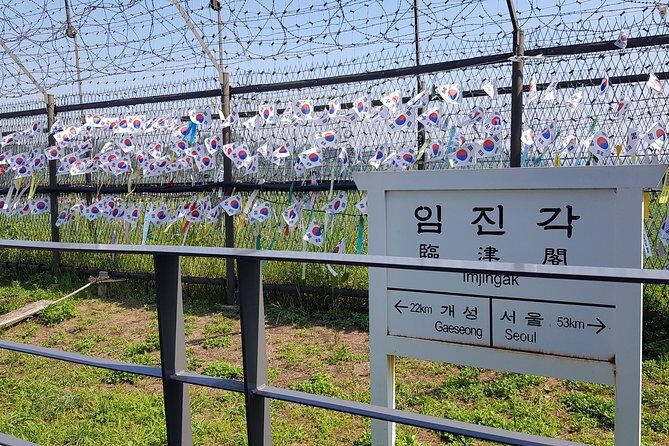
- Freedom Bridge stop: learn how nearly 13,000 Korean POWs crossed back home
- Imjingak Pyeonghoa-Nuri Park: see artillery and war artifacts along the Imjin River
- 3rd Infiltration Tunnel: a real, physical reminder of how the border was tested
- Binocular time at Dora Observatory: get a view toward North Korea and Kijongdong
- Small group feel: capped at a maximum of 40 travelers for smoother timing
From Seoul to the DMZ: how the half-day starts
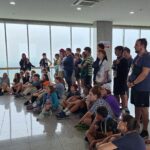
This tour is built for a long, focused morning or afternoon without the chaos of a full-day schedule. After your morning or afternoon pickup or meeting, you’ll ride in an air-conditioned coach to the Demilitarized Zone area, with your guide talking as you drive.
That drive time matters more than you might expect. The DMZ is easier to understand when someone connects the dots—how the Korean War led to an armistice, what the DMZ is meant to do, and why you’ll see so many clues of “before” and “after” at each stop. It turns a list of sights into a story you can actually follow.
Your tour ends back at City Hall. So even though you’re going far out, you don’t have to plan your own return transit once you’re done.
You can also read our reviews of more tours and experiences in Seoul.
The meeting point question: pickup vs City Hall
Your start and end point are listed as City Hall, Seoul. At the same time, the experience description also says hotel pickup may be part of the day.
So here’s the practical move: before you go, get the exact meeting place and time directly from the local tour operator. That avoids the most common hassle—showing up at the wrong spot and trying to sprint across Seoul with a passport in your hand.
Also note: if you miss the tour bus because the time or meeting point wasn’t clear, there’s no refund. That’s not meant to scare you—just a reminder to treat the meeting instructions as part of the tour itself.
Stop 1 at Imjingak Park: artillery, war artifacts, and Freedom Bridge
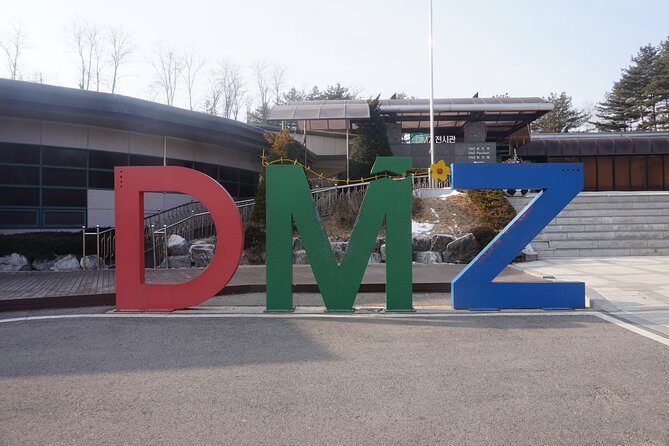
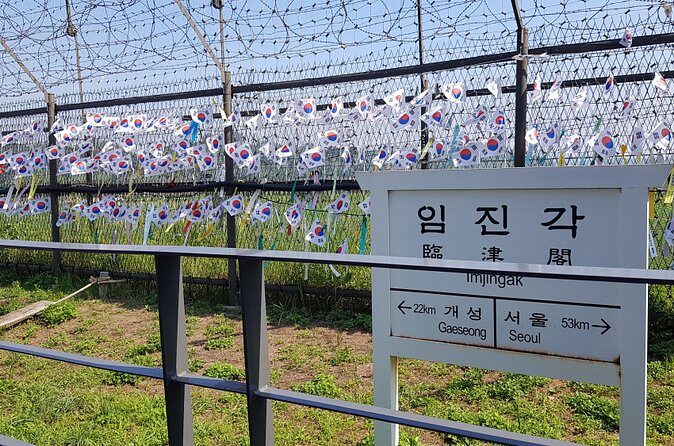
Imjingak Pyeonghoa-Nuri Park is your first major “what this conflict did to real people” stop. You get out at the park along the Imjin River and can see military equipment and war artifacts from the Korean conflict.
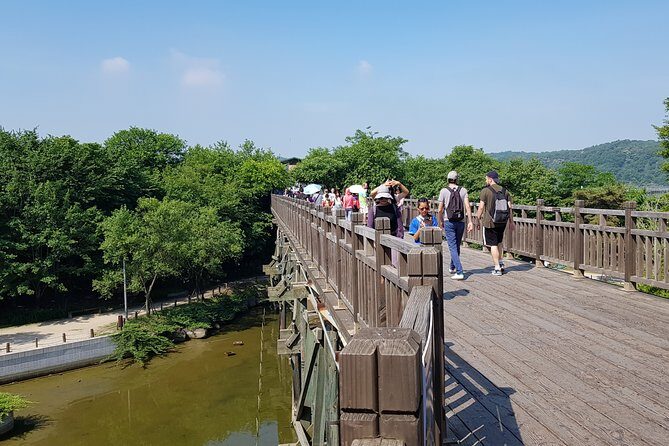
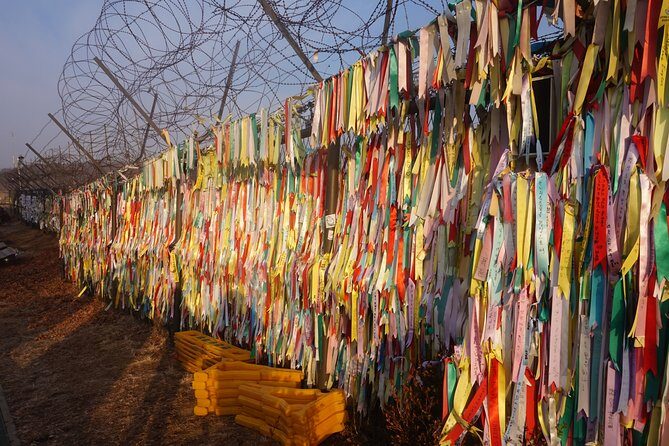
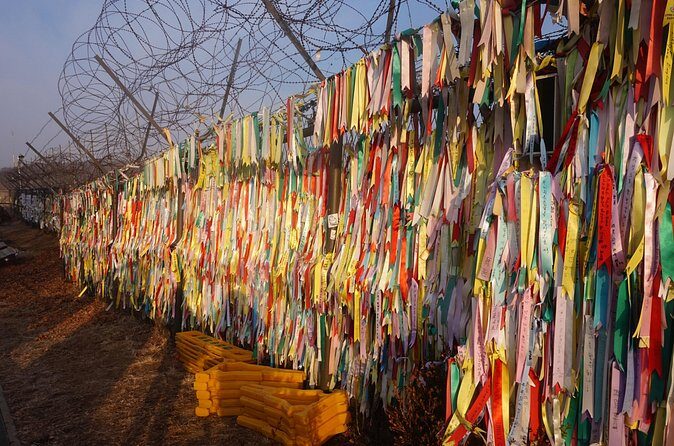
Then you move toward Freedom Bridge. If you booked the suspension bridge option, this is the moment you’re aiming for. This is the bridge where nearly 13,000 Korean POWs crossed back home, which gives the photos and artifacts a human anchor instead of just a museum vibe.
What I like about this stop is that it balances sadness with clarity. You’ll understand why these locations matter now, not only as battlefield leftovers, but as places tied to the complicated, unfinished feeling of the armistice.
A quick practical tip
Wear shoes you can walk in comfortably. The DMZ area isn’t about long hikes, but you do need solid footing for uneven ground and outdoor viewing.
Dora Observatory and the 3rd Infiltration Tunnel: a workout with context
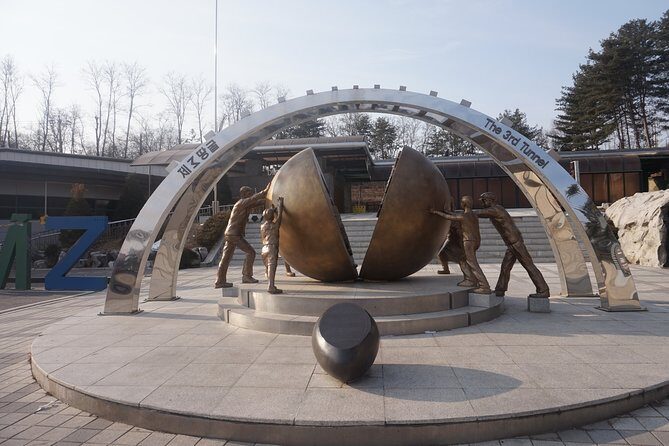
After Imjingak, you head to Dora Observatory area by coach. One of the core stops here is the 3rd Infiltration Tunnel, located beneath the border of North and South Korea.
This is not just a “look from a distance” stop. There’s a moderate amount of walking through a steep and narrow tunnel, and that’s where your body gets involved. If you’re thinking this will be easy sightseeing the whole way, plan to slow down and take the tunnel seriously.
This stop also gives you context for the kind of tension that existed beneath the armistice. The area shows how the border was tested and how structures were altered—South Koreans blocked the actual Military Demarcation Line with concrete, so what you see is part history, part protective barrier.




What to expect in the tunnel
- you’ll walk in and out as part of the scheduled visit
- it’s narrow and steep, so take your time
- it’s a strong contrast to the outdoor viewing earlier in the day
If you’re someone who gets claustrophobic, think about how you handle narrow indoor spaces before committing.
Binocular viewing at Dora Observatory: Kijongdong in focus
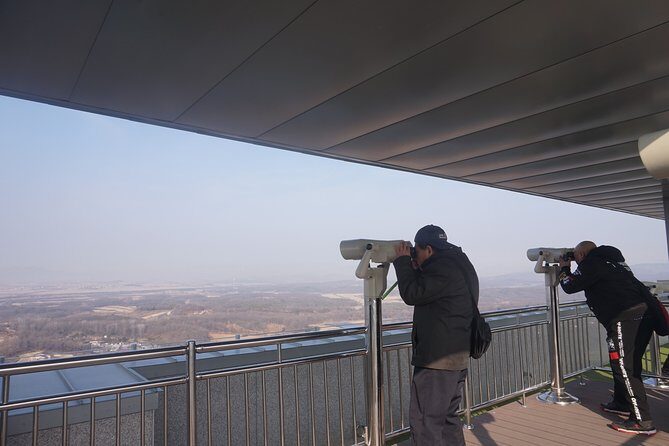
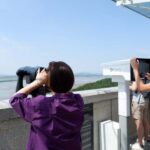
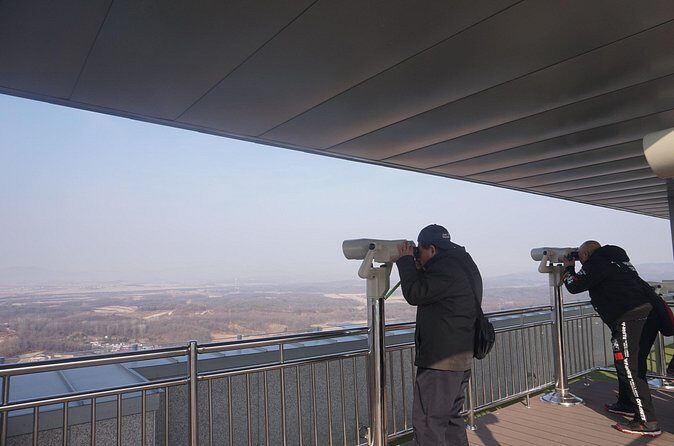
Next comes the part that most people imagine when they think of the DMZ: using binoculars from Dora Observatory to look toward North Korea.
You’ll get a glimpse of the North Korean village of Kijongdong. The guide also explains what daily life is like in that village, based on what’s known and what the site is designed to teach.
Here’s the reality check I think you’ll appreciate: you’re looking across a controlled border line. What you can see is limited, and what you can know is filtered through distance and regulations. That’s why the guide’s explanations matter—without them, the binocular view can turn into “I saw a blur.”
When it works, it doesn’t feel like propaganda or theater. It feels like seeing a place that usually exists only in headlines—now reduced to specific buildings, distance, and human-scale stories.
The guides make or break the day: AJ, Grace, Sadie, Katie
This tour’s reviews consistently point to one main factor: the guide. The difference isn’t just friendliness—it’s how well they turn what could be grim stops into something you can understand and remember.
Names that come up again and again include AJ, Grace Cho, Sadie, and Katie. People describe AJ as funny and able to make the trip entertaining while still grounded in facts. They describe Grace Cho as warm, helpful, and able to keep the group engaged. Sadie shows up as a guide who explains lots of DMZ history and keeps things upbeat. Katie is noted for handling timing well and capitalizing on good weather for viewing.
One caution: English clarity can vary by guide. There is at least one account of a guide being hard to understand because of soft speech and limited English. If you really need crisp explanations in English, consider prioritizing a time slot where communication is typically strong, and don’t hesitate to ask questions on the bus early.
Timing and pacing: how the 6 hours tends to feel
The tour is listed as about 6 hours. In practice, it feels like one tight arc: drive and orientation, park and bridge, then Dora Observatory and tunnel, then binocular viewing, then back to the city.
The pacing is designed to keep momentum without rushing the key moments. Still, the tunnel stop creates a natural slowdown, and the outdoor viewing depends on weather and visibility. If you go on a cloudy or rainy day, you’ll likely lean more on your guide’s storytelling than on dramatic views across the border.
Your group size has a ceiling of 40 travelers, which usually helps with flow—less time waiting around and more time moving as a unit.
Price and value: why $35 can be a strong deal
At $35 per person for a half-day, you’re paying for three big things at once:
- guided interpretation of a high-stakes subject
- coach transport from Seoul
- entry included at the major stops (Imjingak Park and the Dora Observatory area)
That combination is the value. If you tried to stitch these sites together on your own, you’d spend time figuring out logistics and transportation, not to mention the stress of managing timing around a tightly run itinerary. Here, your day is planned, and you know what order the sites come in.
It’s also a good price point for travelers who want the DMZ experience without devoting an entire day. You get a meaningful sampling: artifacts and POW-return symbolism at Freedom Bridge, plus the physical tunnel segment and the binocular viewing.
The trade-off is obvious: it’s half-day, so you won’t have unlimited time to linger. If you prefer slow travel, this is better as a structured highlight than as a free-form wandering day.
What to wear and bring for a narrow-tunnel day
The tour includes walking, and one segment is specifically described as a moderate amount of walking through a steep and narrow tunnel. So your comfort matters more than usual.
My practical checklist:
- Wear comfortable shoes with grip
- Dress for cooler air in indoor sections, but also for outdoor weather when viewing
- Bring your passport (a current valid passport is required on the day of travel)
You don’t need to send a copy of your passport in advance, which is nice. But you do need the real thing day-of. Also, you’ll want to follow your guide’s instructions about when and where you can take photos, because the DMZ sites can be strict about it.
Finally, keep an eye on your phone battery. You’ll use a mobile ticket, and you don’t want last-minute scrambling when the group is ready to move.
Should you book the Seoul DMZ half-day tour?
If you want a DMZ day that’s structured, time-efficient, and guided with clear explanations, this one is worth booking. The strongest reason is the mix of stops: Imjingak’s artifacts and Freedom Bridge, then the 3rd Infiltration Tunnel for a physical sense of border tension, and finally Dora Observatory for binocular viewing toward Kijongdong.
Book it if:
- you like guided context more than DIY sightseeing
- you want a half-day plan that still hits the major DMZ themes
- you’re ready for a short but real tunnel walk
Skip it or think carefully if:
- you’re very sensitive to narrow, steep spaces
- you need guaranteed access no matter what, since parts can be canceled due to unexpected military conditions with no refund
- you strongly prefer very clear English throughout and want to reduce the risk of communication gaps
Overall, this is one of those tours where the guide’s voice and pacing turn the stops into understanding. It’s not just a photo day. It’s a story you can see.
FAQ
How long is the DMZ half-day tour from Seoul?
The duration is listed as approximately 6 hours.
Where does the tour start and end?
The tour starts and ends at City Hall in Seoul. You should still confirm the exact meeting place and time with the local operator.
Do I need a passport?
Yes. A current valid passport is required on the day of travel.
Is hotel pickup included?
The tour details mention a coach transfer and say to get pickup details, but the meeting point is City Hall. Confirm the exact meeting place and time with the local tour operator before you go.
What walking is involved?
There is a moderate amount of walking through a steep and narrow tunnel during the tunnel portion. Comfortable clothes and shoes are recommended.
Are tickets included for the stops?
The itinerary shows admission tickets included for the key stops (such as Imjingak Park and the Dora Observatory area).
What if the itinerary is affected by military conditions?
If part of the itinerary is canceled due to unexpected military conditions or local circumstances, there will be no refund.