REVIEW · SEOUL
Ganghwa Island – Full day private tour
Book on Viator →Operated by Top Korea Tour · Bookable on Viator
Binocular views of North Korea, from Seoul. That is the headliner here, paired with a well-paced island day that shows you rural South Korea through Gwangseongbo Fortress and the Peace Observatory.
I especially like how the tour turns big, scary-sounding history into something you can actually see and place in time. I love the way Gwangseongbo Fortress connects to the 1871 conflict involving the USA, and Jeondeungsa Temple ties to the 1866 confrontation linked with France. One thing to think about: lunch is not included, and the full day runs about 8 hours, so plan ahead for energy and timing.
In This Review
- Key things I’d circle before you book
- A Seoul-to-Ganghwa day trip that actually explains what you’re seeing
- Getting there: pickup, timing, and how to avoid the day melting on you
- Gwangseongbo Fortress: how Ganghwa became a Joseon defense point
- Jeondeungsa Temple: a Buddhist setting shaped by 1866 conflict
- Ganghwa’s rural rhythm at the seaside resort (optional)
- Ganghwa Pungmul Sijang: the market stop that makes the island feel real
- The Peace Observatory: binoculars, 2 km, and a pause-you-can’t-rush moment
- Yeonmijeong Pavilion: views that connect the dots
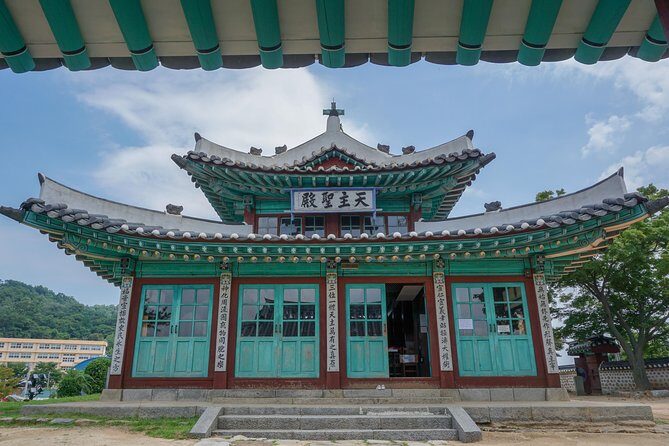
- Ganghwa Anglican Cathedral: Western history tied to Ganghwa’s role as a gateway
- Optional Luge vs. “save your legs” strategy
- Price and value: why $220 can feel worth it (or not)
- The role of the guide: where the day gets meaning
- Who should book this private Ganghwa tour
- Who might prefer a different plan
- Should you book this tour? My practical recommendation
- FAQ
- What time does the tour start?
- How long is the Ganghwa Island private tour?
- Is pickup from Seoul included?
- Is this a private tour?
- What stops are included on the day?
- Is binocular viewing of North Korea part of the tour?
- Do I need to pay entrance fees?
- Is lunch included?
- Is the seaside resort stop required?
Key things I’d circle before you book
- Private guide + private vehicle means you can move at a human pace and get answers that fit your questions
- Peace Observatory binoculars give you a rare, close-up look toward North Korea from about 2 km away
- Fortress and temple stops focus on Ganghwa’s role as a defensive gateway to Seoul
- Traditional market time at Ganghwa Pungmul Sijang is your chance to slow down and browse local products
- Optional Ganghwa Seaside Resort adds a Luge ride if you want a fun break from history
A Seoul-to-Ganghwa day trip that actually explains what you’re seeing
Ganghwa Island is one of those places that can feel like a shortcut at first glance: just a day trip, not a whole vacation. But it works because the route is built around meaning, not checkboxes. You start the day close to Seoul, then you shift into a calmer rhythm where fortresses, temple grounds, and markets tell you why this island mattered so much.
The best part is the contrast. One moment you’re at a fortress tied to Joseon-era defense. The next you’re at the Peace Observatory, using binoculars to look toward North Korea. It’s a striking change of topic, handled in a way that doesn’t feel random.
If you like your history with context, this is the kind of tour that pays off. And yes, the day is structured enough that you won’t be guessing what matters most.
You can also read our reviews of more private tours in Seoul


Getting there: pickup, timing, and how to avoid the day melting on you
This tour starts at 8:30 am with hotel pickup in Seoul and drops you back at the end of the day. You’ll ride in an air-conditioned minivan with a driver cum guide, plus bottled water along the way.
An 8-hour day is long enough that logistics matter. The good news: you’re not juggling transfers, and private transport means you can get from place to place without wasting your morning. The trade-off: you’ll want a small plan for meals and energy. Since lunch isn’t included, you should expect to either buy something during the market stop or grab food elsewhere on your own schedule.
I’d also bring patience for road time. Ganghwa is close enough to be doable in a day, but it’s still a real trip. This tour shines when you treat it like a full day out, not a quick add-on.
Gwangseongbo Fortress: how Ganghwa became a Joseon defense point
Your first major stop is Gwangseongbo Fortress, tied to the 1871 battle involving the USA. This is the kind of place where you can stand in the space and understand the logic of defense: the island position is close to Seoul, and that proximity made it strategically important during the Joseon dynasty.
The visit runs about 30 minutes, and the entrance fee is included. The time limit is short, so you’ll want to listen closely when your guide connects the dots. If you’re the type who likes a place to come with an explanation, this is where the private format really helps.
What to consider here: fortress sites can involve uneven ground and a bit of walking. You don’t need marathon stamina, but you’ll feel it if you’re sensitive to stairs or uphill paths. The tour notes a moderate fitness level requirement, and this stop is where that usually shows up.
Jeondeungsa Temple: a Buddhist setting shaped by 1866 conflict
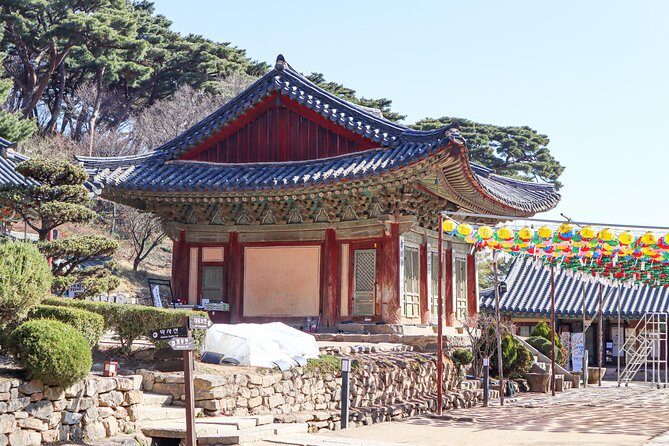
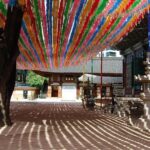
Next up is Jeondeungsa Temple, an old Buddhist temple located in the mountain area of the Samrangseong fortress region. This stop connects to a battle field linked to France in 1866, which gives the temple a deeper layer than just scenic quiet.
You’ll have about 40 minutes here, with admission included. I like this stop because it balances mood. Temples give you space to slow down and notice details. At the same time, the history context prevents it from becoming just a peaceful photo break.
One practical tip: mountain temples can change the temperature fast. If it’s cool or breezy, bring a light layer even in warmer months. And since this is a “temple + fortress-story” stop, you’ll likely do some walking on site.
Ganghwa’s rural rhythm at the seaside resort (optional)
There’s an optional stop at Ganghwa Seaside Resort with time set aside for about 50 minutes. This is where you can find a Luge ride down the hill, if you’re interested. Admission here is not included, and the stop is marked as optional.
I view this as a useful pressure-release valve. After fortress-and-temple intensity, a fun activity can reset your brain. But it’s also the kind of add-on that can affect how you feel for the rest of the day. If you know you get tired after rides or if you prefer keeping the schedule tight, you might skip it and use the extra time for browsing and viewpoints later.
You can also read our reviews of more tours and experiences in Seoul
Ganghwa Pungmul Sijang: the market stop that makes the island feel real
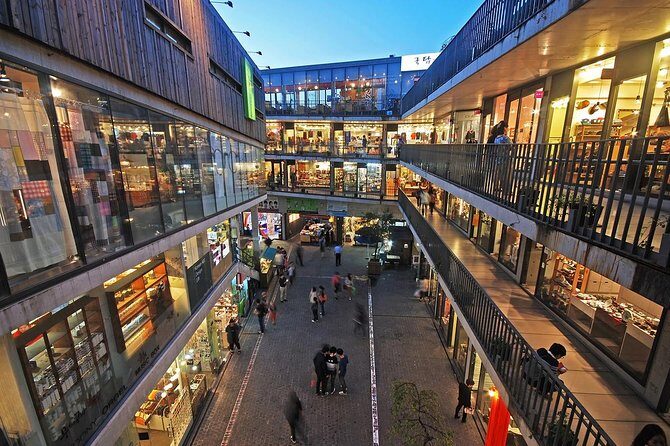
Then you hit Ganghwa Pungmul Sijang, a traditional market with about 30 minutes of time and free admission. This is the part of the tour I’d call the “human scale” moment.
Fortresses and observatories tell you big stories. Markets show you everyday life. Even if you don’t buy much, it helps you understand what products and tastes are local to the island. You’ll get a feel for the place beyond the historical headlines.
Also, because lunch isn’t included, this market stop is where you’ll often find your easiest meal option. If you want to keep the day smooth, plan to eat here or have your snack strategy ready so you’re not hunting food last minute.
The Peace Observatory: binoculars, 2 km, and a pause-you-can’t-rush moment
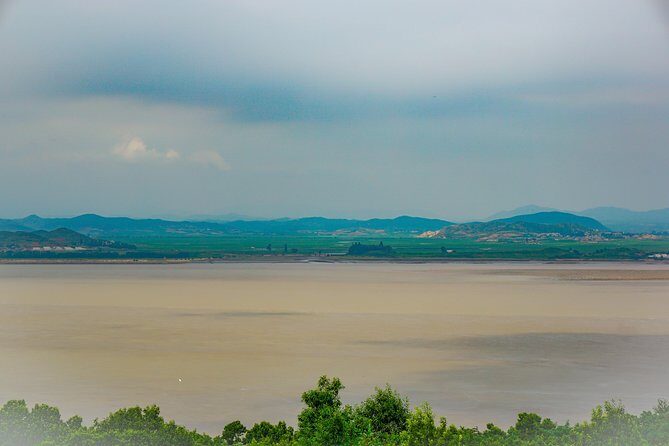
If you only care about one stop, make it Ganghwa Peace Observatory. This is the point where the day changes gears from cultural history to geopolitical reality.
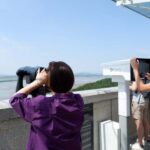
You’ll spend about 40 minutes here, and admission is included. The key experience: you can use binoculars to see North Korean people’s living, with North Korea only about 2 km away from the island.
This is not just a view. It’s a moment of stillness. You’ll probably want a minute to just look before you start processing what you’re seeing. A private guide helps because they can put the observation point into context so it doesn’t feel like a tourist gimmick.
Practical consideration: bring a steady habit for viewing. If you’re on the observatory level, take turns, give your eyes time to adjust, and don’t rush your spot. Binocular viewing works best when you slow down.
Yeonmijeong Pavilion: views that connect the dots
After the observatory, you’ll stop at Yeonmijeong Pavilion. Admission is free, and you’ll have about 30 minutes.
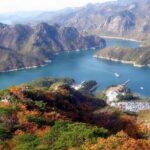
This is a classic “stand here and understand the geography” moment. The pavilion is known for island views, and it also gives you a peek of North Korea. I like it because it helps your brain connect the earlier stops: fortress defense, temple setting, and the observatory all become one visual story when you step back and look at the broader island layout.
If you’re someone who gets restless after long observation time, this stop can still work because it’s short and focused. Just don’t treat it as a quick photo pit stop. Even 30 minutes feels better when you spend a few minutes just looking and letting the place make sense.
Ganghwa Anglican Cathedral: Western history tied to Ganghwa’s role as a gateway
Next is Ganghwa Anglican Cathedral, another free stop with about 30 minutes.
The tour frames it in a clear way: Ganghwa Island was an entry point to Seoul, so westerners came here, and the cathedral is evidence of that early contact. This is one of those stops that adds variety without turning the day into chaos.
It’s not the kind of place you’ll spend forever. But it helps round out the day’s theme: Ganghwa wasn’t only about defense and Buddhism. It was also part of the story of how foreign visitors and ideas connected to Korea.
If you’re very architecture-focused, you might want to pause and take a good look. If not, listen for the guide’s explanation of why it matters here.
Optional Luge vs. “save your legs” strategy
You’ll be offered the chance to stop at Ganghwa Seaside Resort for the luge ride. Whether it’s worth it depends on your mood.
If you like quick, fun activities and you still have energy, the luge can break up the day nicely. If you’re the type who prefers calm sightseeing and you don’t want to add motion right after walking at a temple and fortress, skipping the resort might actually make you enjoy the remaining stops more.
A simple strategy: decide before you get to that part of the day. Then you don’t have to negotiate with your own tiredness in real time.
Price and value: why $220 can feel worth it (or not)
At $220 per person, this is not a budget-only day trip. But it isn’t trying to be. You’re paying for a private setup: hotel pickup and drop-off, a driver cum guide, an air-conditioned minivan, bottled water, and the entrance fees that are included for key stops.
Here’s when it feels like good value:
- You want strong context at war-tied fortress and temple sites, not just photos
- You want a private pace that keeps the day from feeling rushed
- You’d rather not piece together multiple tickets and transport on your own
Here’s when you might think twice:
- You’re traveling with only one person (the tour requires a minimum of 2 people per booking)
- You have little interest in the history framing, since the tour’s strength is interpretation
- You plan to spend most of the day shopping or eating, since lunch is on your own
Group discounts are listed, which can help if you can travel with others. If you’re a pair, it can feel much more reasonable, because the private vehicle cost gets shared.
The role of the guide: where the day gets meaning
One theme comes up again and again: the guide matters. In the feedback I paid attention to, guides like Miae and the driver-guide Mr. Lee were praised for strong storytelling that makes the war-history pieces click for Western visitors.
That’s the real differentiator for this kind of day trip. Ganghwa has plenty of sights, but the tour is designed to connect them. You’re not just visiting locations; you’re getting the why behind them.
If you get a guide who explains the timeline clearly, stops like Gwangseongbo and Jeondeungsa stop feeling like random labels. They become part of one story about a place that sat near danger and opportunity at the edge of Seoul’s world.
Who should book this private Ganghwa tour
I think this fits best if you:
- Want a single-day getaway from Seoul that still feels meaningful
- Enjoy history when it’s connected to what you see in front of you
- Really want the rare Peace Observatory binoculars experience without doing logistics yourself
- Prefer private transport and guide attention over a bus-group day
Who might prefer a different plan
This might be less ideal if you:
- Hate long days with limited meal structure (since lunch isn’t included)
- Want lots of free time to wander on your own
- Prefer purely modern attractions over sites tied to conflicts and fortifications
Should you book this tour? My practical recommendation
Book it if your priority is a well-structured Ganghwa day that explains why the island mattered—then caps it with the Peace Observatory. The private format is the payoff: you’re not just collecting sights, you’re getting context fast.
Skip it or adjust your expectations if you mainly want leisure time or a full lunch plan built in. You’ll need to think about food on your own, and the schedule is designed to hit specific points, not to sprawl.
If you’re in your first days in Korea and you want one tour that gives you both scenery and perspective, this is a strong pick.
FAQ
What time does the tour start?
The tour starts at 8:30 am.
How long is the Ganghwa Island private tour?
It runs for about 8 hours.
Is pickup from Seoul included?
Yes. Hotel pickup and drop-off in Seoul are included.
Is this a private tour?
Yes. It’s a private tour/activity, so only your group participates.
What stops are included on the day?
Stops include Gwangseongbo Fortress, Jeondeungsa Temple, Ganghwa Pungmul Sijang (market), Ganghwa Peace Observatory, Yeonmijeong Pavilion, and Ganghwa Anglican Cathedral. The seaside resort stop is optional.
Is binocular viewing of North Korea part of the tour?
Yes. At Ganghwa Peace Observatory, you can use binoculars to see North Korean people’s living, and North Korea is listed as about 2 km away.
Do I need to pay entrance fees?
Some admissions are included in the itinerary, including Gwangseongbo Fortress, Jeondeungsa Temple, and Ganghwa Peace Observatory. Other stops are listed as free, and the seaside resort is optional with admission not included.
Is lunch included?
No. Lunch is not included.
Is the seaside resort stop required?
No. Ganghwa Seaside Resort is optional. It includes the chance for a luge ride, but admission for that part is not included.