REVIEW · SEOUL
Full Day- Essential Seoul City Tour & Gourmet Tour(including Lunch and Dinner)
Book on Viator →Operated by Bergen travel · Bookable on Viator
A full day, zero guesswork in Seoul. This tour strings together palaces, hanok neighborhoods, temples, and food stops into one 9-hour loop, with lunch and dinner handled for you.
I really like the blend of big-name landmarks and calmer cultural pauses. Stops like Bukchon Hanok Village and Jogyesa Temple give you contrast with the city’s faster pace.
One catch: the itinerary is walking-heavy, especially around palaces and busy markets, so go in with comfy shoes and a steady pace.
In This Review
- Quick hits you’ll feel right away
- Why this full-day Seoul plan works for first-timers
- Pickup, vehicle comfort, and how the day actually moves
- Gyeongbokgung Palace: court life, palace architecture, and guard-crowd energy
- National Folk Museum of Korea: everyday life, from birth to grave
- Bukchon Hanok Village and Baek In-je’s House: old neighborhoods you can still feel
- Jogyesa Temple: central Seoul calm and Buddhist architecture
- Insadong’s old-street feel: crafts, galleries, and traditional Seoul lanes
- Tea at Kyung-In Museum of Fine Art: a real break in a hanok setting
- Cheonggyecheon Stream: downtown Seoul with a different kind of water view
- Baek In-je’s House time, then Gwangjang Market dinner: food that turns the day into a memory
- What you’ll eat: lunch comfort, tea pause, and street-food variety
- Price and value: what $299 really covers
- The main drawback: pace, walking, and how to prepare
- Is this tour worth it for you?
- Should you book this Seoul Essential City and Gourmet Tour?
- FAQ
- What time does the tour start?
- How long is the tour?
- Is hotel pickup and drop-off included?
- Are lunch and dinner included?
- Is a vegetarian option available?
- What are some of the main stops?
- Is it private?
- What’s included in the price, and are gratuities required?
Quick hits you’ll feel right away
- Hotel pickup and drop-off means you start the day without stress and show up on time
- Gyeongbokgung Palace + Bukchon hanoks keeps the classic Seoul story in one direction
- Michelin restaurant lunch delivers a proper Korean comfort dish, not a token sample
- Dawone Traditional Tea Garden turns a museum stop into a real break from the crowds
- Gwangjang Market dinner is built for tasting lots of street food and trying makgeolli
Why this full-day Seoul plan works for first-timers
This is the kind of day that helps you get your bearings fast. You’ll move through royal Seoul, traditional neighborhoods, and modern downtown features, all without having to plan transit on your own.
The food part matters too. With lunch and dinner included, you’re not hunting down menus when you’re already tired from sightseeing. You’ll also get snacks and beverages along the way, which keeps the day from feeling like one long run.
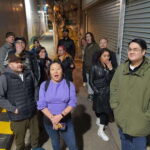
You should also like the private setup. It’s a private activity, so you’re not stuck waiting behind a large bus group moving at its own rhythm.
You can also read our reviews of more city tours in Seoul
Pickup, vehicle comfort, and how the day actually moves
You start at 9:00 am, and the tour includes pickup and drop-off at your Seoul hotel. That’s a big quality-of-life upgrade on a day like this, since Seoul’s neighborhoods can be a maze when you’re tired.
Expect an air-conditioned vehicle for the travel between stops. The driving time isn’t the goal, but it keeps you focused on the sights while your guide handles the logistics.
Guides can make or break a long day. In this operator’s track record, guides such as Bergen Park and others have been praised for adapting when someone needs a slower route, and for keeping things going even when weather turns. If you want a tour that responds to real-life pacing, this is the style to look for.
Gyeongbokgung Palace: court life, palace architecture, and guard-crowd energy
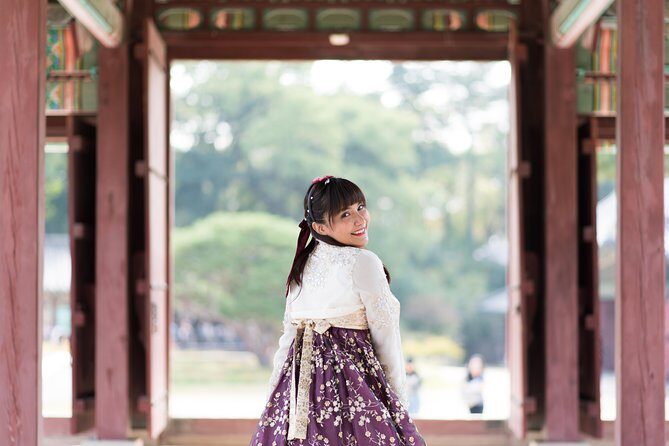
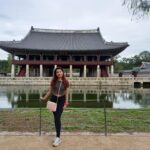
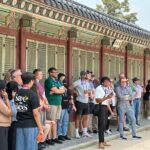
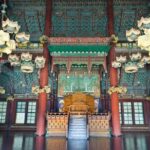
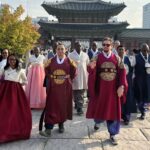
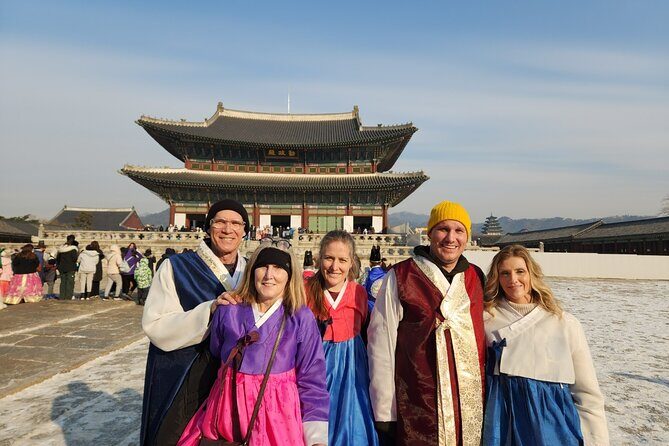
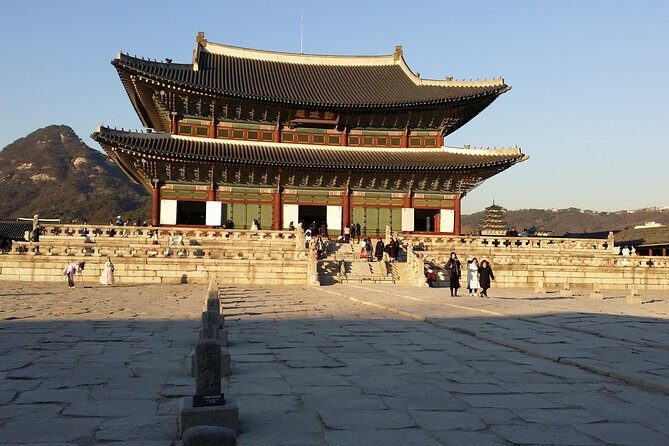
Your first major stop is Gyeongbokgung Palace, the first of the five grand palaces built during the Joseon dynasty (started in 1395). Even if you’ve only seen Seoul from photos, this is where the scale and layout of the city’s royal past snaps into focus.
Admission is included here, and you’ll spend about 1 hour at the palace. The palace grounds are tied to traditional ideas like feng shui, which helps you understand why the buildings face and align the way they do.
If your timing lines up, you may catch the changing of the guard, a moment that pulls people in with uniforms and big ceremonies. It’s one of those sights you remember because it looks so different from everyday street life in Seoul.
Practical tip: palace stops are often photo-intensive and crowded. Wear shoes you can walk in for a while, and plan to pause often so you don’t miss small details like gates, stairways, and courtyards.
National Folk Museum of Korea: everyday life, from birth to grave
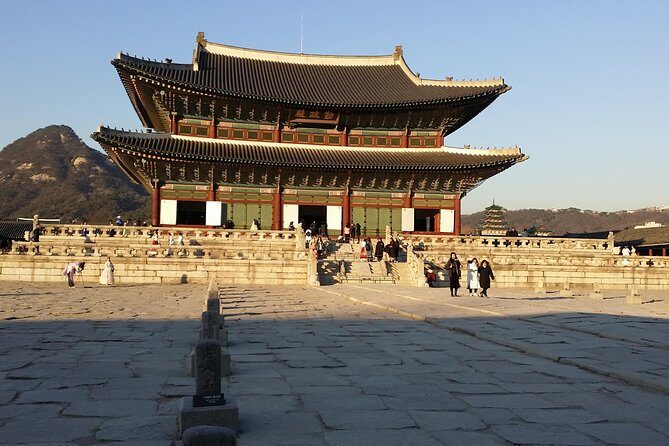
Right after the palace, you head to the National Folk Museum of Korea for about 30 minutes. This stop focuses less on royal drama and more on how Korean people lived through daily life, across the full arc from birth to the end of life.
Admission is included, so you’re not scrambling for tickets or pricing information mid-day. The museum’s value is that it makes the rest of the itinerary easier to understand: later stops in hanok villages and cultural streets feel less like random backdrops once you’ve seen the big picture.
If you like context over checklists, this museum is a strong middle step. It breaks up the walking and gives your brain a breather.
Bukchon Hanok Village and Baek In-je’s House: old neighborhoods you can still feel
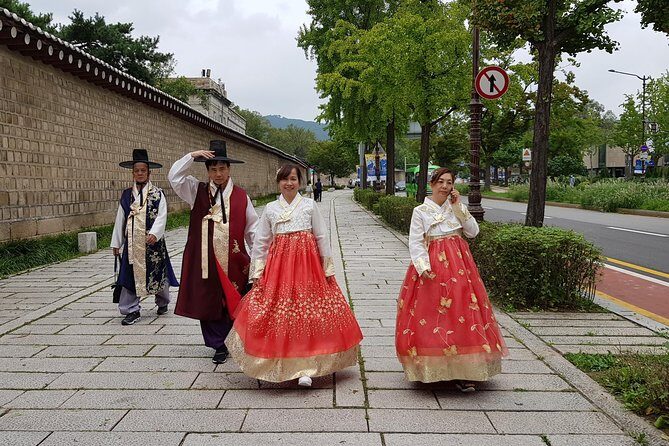
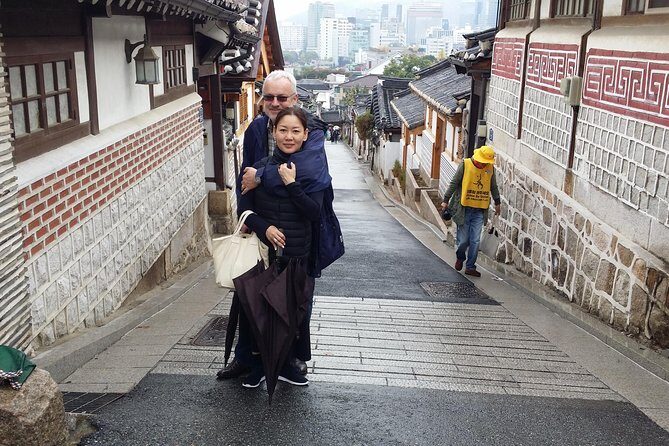
Next comes Bukchon Hanok Village, traditionally defined by hanok homes—tiled-roof Korean houses built for residential life. You’ll spend around 40 minutes here, and it’s free to enter.
Bukchon is one of those places where the streets are narrow, the houses are close, and you can sense why this area was shaped the way it was. It also helps you understand how quickly modern Seoul grew around older residential zones.
After that, you’ll also visit Baek In-je’s House, a preserved hanok site that functions as a museum and cultural heritage location. You’ll get about 1 hour here, and it’s free as well.
What I like about pairing these two stops is the contrast. Bukchon gives you the neighborhood feel, while Baek In-je’s House gives you a more grounded look at how a particular home was built and used.
You can also read our reviews of more tours and experiences in Seoul

Jogyesa Temple: central Seoul calm and Buddhist architecture
Then it’s Jogyesa Temple, a major Buddhist temple in central Seoul and the headquarters of the Jogye Order. You’ll have about 30 minutes here, with admission included.
This stop is short, but it changes the mood. After palace crowds and photo lines, a temple moment can feel like stepping into a quieter layer of the city.
If you’re the type who likes to see how religion and culture show up in daily space, Jogyesa is a smart addition. It’s also a reminder that Seoul isn’t only history in buildings—there’s living culture right in the center of town.
Insadong’s old-street feel: crafts, galleries, and traditional Seoul lanes
Insadong is your next cultural street stop, with about 1 hour on the plan and admission-free wandering. It’s known for being a traditional cultural area where you can see older Seoul in a more direct, street-level way.
You’ll also see why Insadong has long been tied to royal-era art and painting administration. Even if you don’t buy anything, it’s a place where the storefront styles and street layout teach you how the area functions as a cultural hub.
Practical tip: Insadong can be busy with pedestrians and tour groups. If you want good photos, aim to step slightly aside from the main lanes while your guide explains what you’re looking at.
Tea at Kyung-In Museum of Fine Art: a real break in a hanok setting
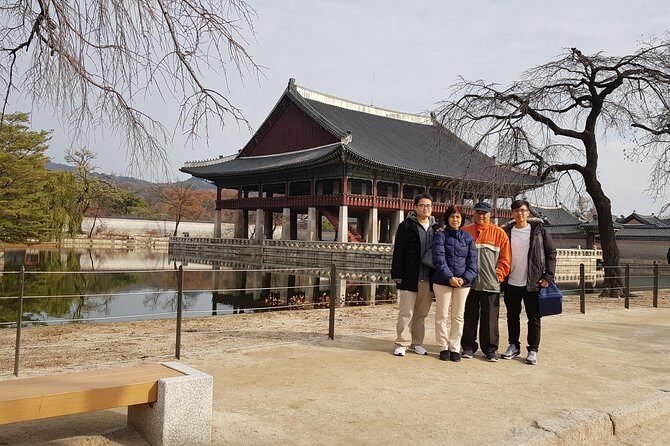
After temple and streets, you get a calmer stop: Kyung-In Museum of Fine Art and Dawon Traditional Tea Garden. You’ll spend about 30 minutes, and admission is included.
You’re drinking tea in a traditional hanok environment, which turns it from a quick stop into an actual reset. The idea is simple: sightseeing is one kind of stimulation; tea time is the off-switch.
If you like food and culture, this is one of the most satisfying parts of the day because it’s slow and sensory. Even if you don’t consider yourself a tea person, the setting makes it easy to relax.
Cheonggyecheon Stream: downtown Seoul with a different kind of water view
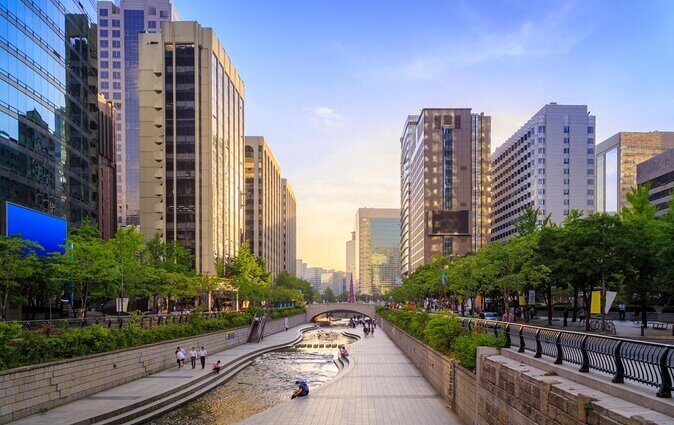
Then you arrive at Cheonggyecheon Stream, a 11 km waterway that runs through downtown Seoul. It’s free, and the stop is about 20 minutes.
The stream matters because it’s tied to a long transformation story. It follows the path of an older stream, and later became an eco-waterway in the city center after the Korean War era of rebuilding and settlement.
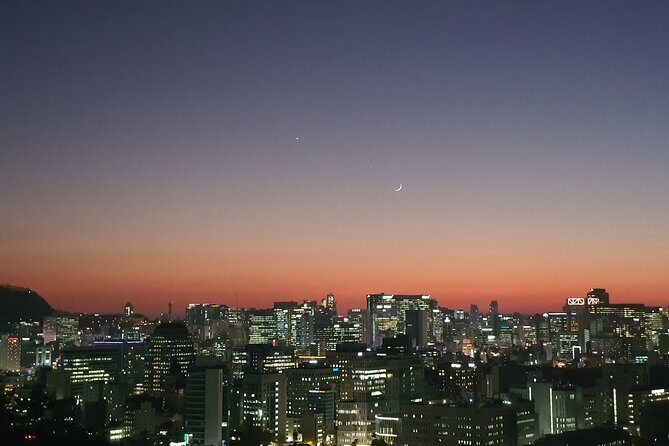
This is a good place to take a breather and notice Seoul’s “modern” face without the pressure of shopping. It’s also a nice photo pause because the water line creates a visual break from building walls and street noise.
Baek In-je’s House time, then Gwangjang Market dinner: food that turns the day into a memory
The final big food moment is Gwangjang Market at dinner time. You’ll spend about 1 hour, with the focus on traditional street foods and shared tasting.
Dinner at Gwangjang comes with a Korean rice wine option: makgeolli is served with the street-food spread. There’s a strong reason to end here: market food rewards the most when you’re hungry but not rushing, and the tour’s structure keeps you from skipping dinner because you’re “too tired to decide.”
One fun detail you might hear about on this route: there’s a well-known noodle stall associated with viral fame, sometimes described as a Netflix-famous moment. If it’s operating and your timing works out, it can be a funny, memorable extra.
Market tasting works best with a strategy. In these kinds of stops, you’re usually sampling smaller portions across multiple vendors so you can try more than one dish. That’s ideal if you’re trying Korean street food for the first time.
What you’ll eat: lunch comfort, tea pause, and street-food variety
Lunch is a standout: Jinseng Chicken Soup (Samgyetang) at a well-regarded restaurant that’s described as Michelin-level. Lunch is included, and it’s timed as a full meal, not a snack-size “try.”
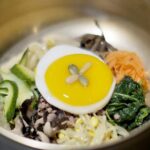
If you want a non-meat option, a vegetarian restaurant is also available. That’s a meaningful inclusion because many food tours skip real alternatives.
Between lunch and dinner, you’ll also have snacks and beverages. These are there for energy, but they also help you experience Korean flavors in smaller, less intimidating bites.
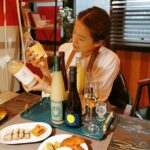
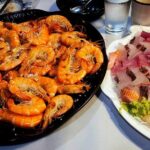
Dinner is where the day pays off. At Gwangjang Market, you get multiple traditional street foods, plus makgeolli. It’s the kind of meal that turns a list of sights into an actual Seoul day you’ll remember.
Price and value: what $299 really covers
At $299 per person, it’s not a budget deal. But for a first day, you’re paying for three things that add up fast when you do them solo: guiding, admissions/fees, and food.
Included basics add up:
- English-speaking guide with an official tour guide license
- Hotel pickup and drop-off
- Air-conditioned vehicle
- All fees and taxes
- Lunch and dinner
- Snacks and beverages
- Admission at several key stops (like Gyeongbokgung Palace, the Folk Museum, and Jogyesa Temple)
What you gain for the money is time and decisions handled for you. You don’t have to figure out ticket lines, lunch reservation choices, or what to eat at a market without language help.
One thing to keep realistic: you’re also paying for the guide’s ability to keep the day flowing. If you’d rather plan everything yourself, you could spend less by building a DIY route. But on a tight schedule, the tour is a straight-line way to hit the essentials.
The main drawback: pace, walking, and how to prepare
The only real “watch-out” here is pace. This is a 9-hour itinerary with palace walking, neighborhood wandering, and a market dinner.
One guest perspective that matches the route: it can feel like you walked a lot, and hot weather can make it tougher. That doesn’t mean it’s “too much,” but it does mean you should prepare like it’s a day of movement.
Do this before you go:
- Wear comfortable shoes
- Carry water if you run hot (snacks and beverages are included, but you’ll still want your own backup)
- Be ready to stand and walk more than you expect
If you have a knee issue or mobility limits, this operator has shown flexibility in how guides handle walking needs. Still, it’s smart to mention your limits when you confirm so the guide can plan accordingly.
Is this tour worth it for you?
You’ll probably love it if:
- You have only a couple days in Seoul and want a strong first-day overview
- You care about food and want meals planned for you
- You prefer a guide to translate culture and context as you go
- You want hotel pickup and a low-stress schedule
You might skip it if:
- You want maximum free time with no structure
- You hate walking and won’t be able to keep up in crowded spaces
- You plan to eat at your own pace and pick restaurants by area
Should you book this Seoul Essential City and Gourmet Tour?
If you’re doing Seoul as a short trip, I think this is a strong value because it bundles the “hard parts” into one day: guided context, key palace and cultural stops, and two full meals plus tastings.
Book it if you want a clean first-day plan that gets you oriented and fed. Pass if you’re seeking a slow, minimalist itinerary or if you’d rather build your own food route from scratch.
FAQ
What time does the tour start?
The start time is 9:00 am.
How long is the tour?
It lasts about 9 hours.
Is hotel pickup and drop-off included?
Yes, pickup and drop-off are included at your hotel in Seoul.
Are lunch and dinner included?
Yes. Lunch includes Jinseng Chicken Soup (Samgyetang), and dinner includes Korean street foods plus makgeolli at Gwangjang Market.
Is a vegetarian option available?
A vegetarian restaurant is also available during the lunch portion.
What are some of the main stops?
You’ll visit Gyeongbokgung Palace, the National Folk Museum of Korea, Bukchon Hanok Village (with Baek In-je’s House), Jogyesa Temple, Insadong, Kyung-In Museum of Fine Art / Dawon Traditional Tea Garden, Cheonggyecheon Stream, and end with Gwangjang Market.
Is it private?
Yes. It’s a private activity, and it’s set up so only your group participates.
What’s included in the price, and are gratuities required?
The price includes all fees and taxes, an English-speaking licensed guide, and admissions where noted, plus transportation and meals. Gratuities are optional and not included.