REVIEW · SEOUL
Seoul: Highlights of Seoul Full-Day Tour
Book on GetYourGuide →Operated by I LOVE SEOUL TOUR Co., Ltd. · Bookable on GetYourGuide
One day, six Seoul stories, one smart route. This full-day highlights loop mixes palace spectacle, Bukchon Hanok street scenes, and Bugak Skyway mountain views in a tight 8-hour plan—run by a professional local guide. My favorite bits are the Gyeongbokgung Palace morning and that wide-open lookout. One thing to plan for: lunch (and any ginseng shopping) costs extra.
Guides can change by date, but the vibe is consistently the same: clear English, good humor, and a group kept moving without feeling rushed. I also like that the tour ends where you’ll want to keep exploring—near Myeongdong’s action—after a comfortable ride in an air-conditioned minivan/coach.
In This Review
- Key Things I’d Mark on Your Seoul Map
- Gyeongbokgung Palace: Start With Seoul at Its Most Regal
- Bukchon Hanok Village: Photograph the Streets, Not Just the Buildings
- Bugak Palgakjeong (Bugak Pavilion): Seoul From Above, Without the Hustle
- Ginseng Museum + Gwangjang Market Lunch: Shopping and Eating With Your Eyes Open
- War Memorial of Korea: A Measured Stop You’ll Remember
- Jogyesa Temple: Korean Buddhism in the Middle of Modern Seoul
- Tapgol Park: Independence Movement History Meets a Pop Culture Reference
- Lunch Timing and the Cash Question: How to Plan for Food Without Stress
- Transport and Guide Style: Why This Day Feels Easy for an 8-Hour Plan
- Price and Value: Is $60 Worth It for Seoul Highlights?
- Who Should Book This Seoul Full-Day Tour (and Who Should Skip)
- Should You Book This Tour?
- FAQ
- How long is the Seoul highlights full-day tour?
- What is included in the price?
- Is lunch included?
- Where do I meet and where does the tour end?
- Does the tour run in bad weather?
- Is hanbok rental included?
Key Things I’d Mark on Your Seoul Map
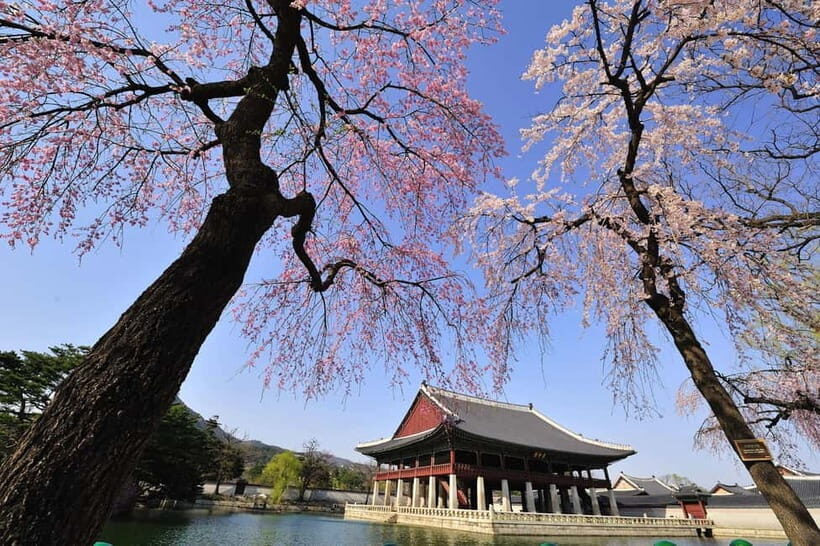
- Gyeongbokgung Palace with the Royal Guard Changing Ceremony
- Bukchon Hanok Village walking for photos that actually look like old Seoul
- Bugak Palgakjeong (Bugak Pavilion) for panoramic views over the city
- Ginseng Museum shopping stop for gifts and tea-grade products
- War Memorial of Korea for a serious stop that doesn’t feel like a lecture
- Jogyesa Temple + Tapgol Park for faith, independence history, and a Squid Game filming touch
Gyeongbokgung Palace: Start With Seoul at Its Most Regal
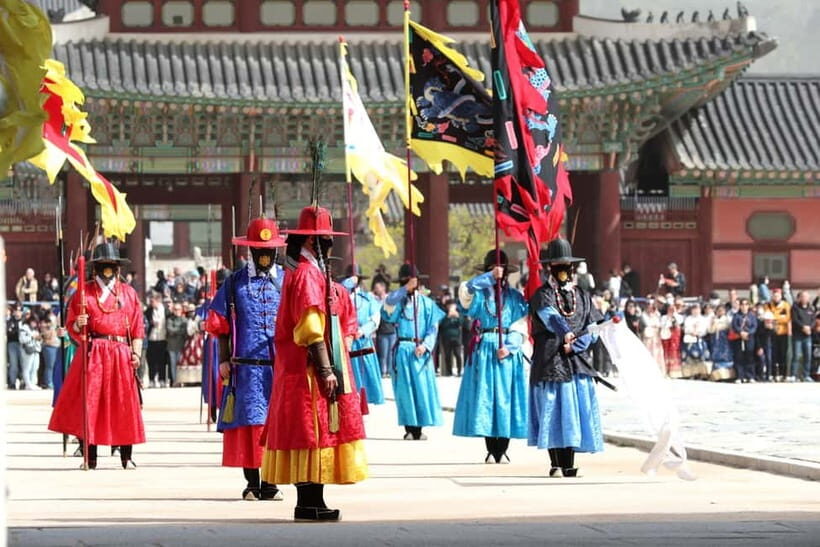
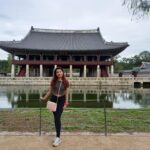
Gyeongbokgung is the right opener. It’s considered the most beautiful of Korea’s five main palaces, and it’s still the biggest one you’ll visit on this route. I like starting here because the palace grounds set the tone: tradition first, then you’ll spend the rest of the day switching gears between neighborhoods, museums, and viewpoint breaks.
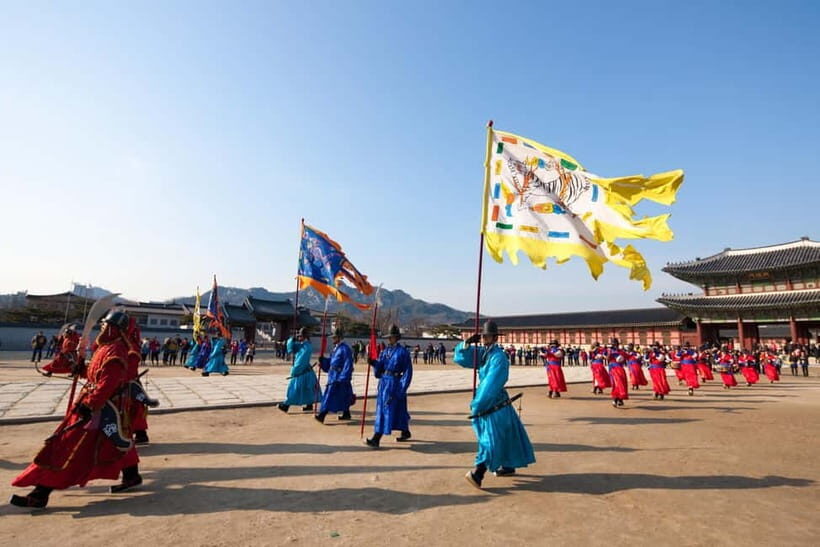
You’ll get a guided look (about 1 hour) with the highlight being the Royal Guard Changing Ceremony. This is the kind of performance that makes sense even if you’re not a palace-history person. The guards, timing, and routine create a real sense of occasion, and your guide helps you read what you’re seeing instead of just watching it like a random parade.
Tip: wear shoes that work on uneven palace paths. Even when the walking is controlled, you still spend time standing and shifting positions for better views.
You can also read our reviews of more tours and experiences in Seoul
Bukchon Hanok Village: Photograph the Streets, Not Just the Buildings
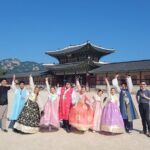
After the palace, you’ll walk into Bukchon Hanok Village for the kind of scenery that instantly feels different. Bukchon literally means northern village, and the area still functions like a living neighborhood—many hanoks operate as cultural centers, guesthouses, and restaurants.
You’ll have a guided walk for about 30 minutes. That’s enough time to appreciate the layout and catch good photo angles without turning it into a marathon. I like this stop because it’s not just pretty houses. Your guide gives context for how hanoks were designed for daily life, and that small shift turns your photos from decoration into storytelling.
Practical note: this is a walking-heavy day overall (one guest clocked around 12,000 steps). So keep moving, but plan to pause often for stairs, doorways, and street-level views.
Bugak Palgakjeong (Bugak Pavilion): Seoul From Above, Without the Hustle
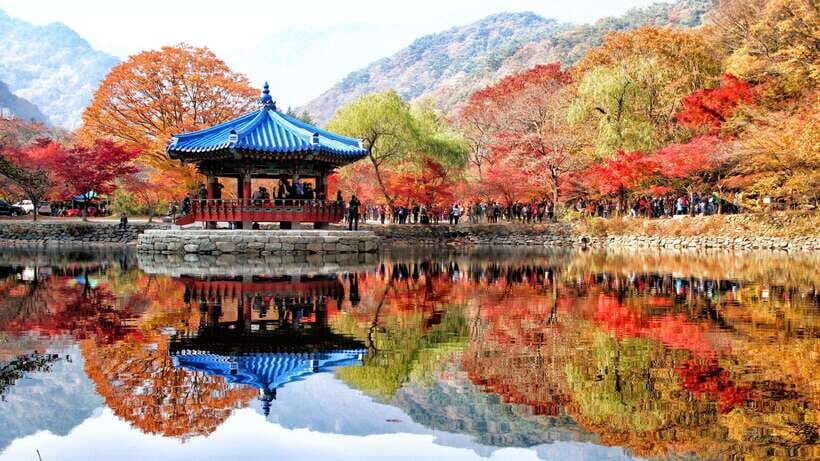
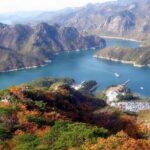
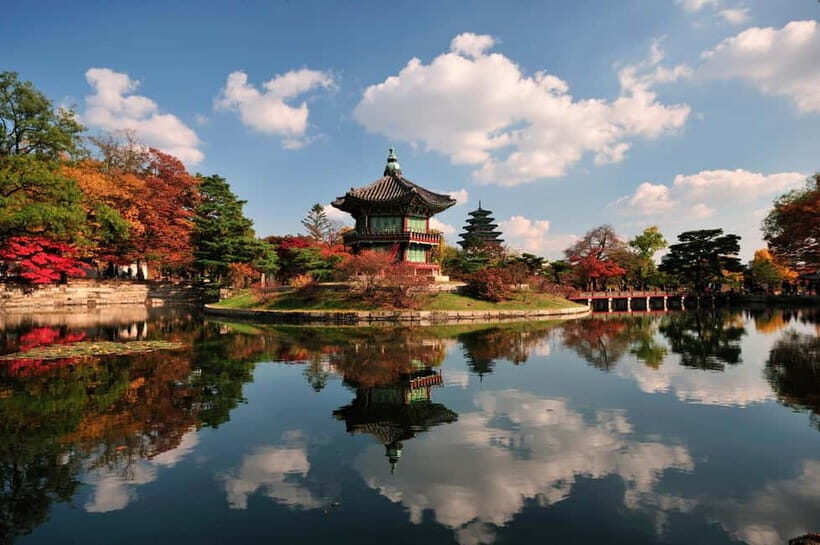
Next comes Bugak Skyway and the Bugak Palgakjeong viewpoint. This pavilion sits on the slopes of Bugaksan Mountain, so you get that rare combo: big-city sightlines with a calmer atmosphere than the downtown streets below.
You’ll spend about 40 minutes here with guidance, plus time to take photos and actually breathe for a bit. I like this stop because it’s a natural reset. You’re not just switching locations—you’re switching moods.
What to expect: cool air on elevated areas, and wind can matter. If it’s cold or rainy, bring layers that you can handle moving on/off vehicles. The tour runs rain or shine, so having a “weather-proof” strategy pays off.
Ginseng Museum + Gwangjang Market Lunch: Shopping and Eating With Your Eyes Open
This tour includes a ginseng museum stop where you’ll shop for Korean ginseng products (about 30 minutes). Ginseng is a big cultural and commercial topic here, and your guide frames why it’s valued—often described as a go-to herb in East Asian wellness traditions. Expect product sampling style selling and lots of packaging choices.
Here’s the practical part: ginseng shopping can be great, but it can also feel expensive. One of the most honest cautions I’d give you is to treat the ginseng museum as a place to compare. If you’re buying gifts, decide ahead of time what you want (tea, extract, root-based options) and set a spending limit.
Then comes lunch at Gwangjang Market. Lunch is not included, and you’ll eat at your own expense. This is the kind of market stop I genuinely like when time is tight: Gwangjang is considered Korea’s first market, and it’s known for lots of food choices at a range of prices. Even if you don’t plan to do a full shopping spree, it’s a good spot to try a snack or two.
From real-world advice: bring some cash. A couple of guests specifically called out cash as a way to make food choices easier.
War Memorial of Korea: A Measured Stop You’ll Remember
After lunch, you’ll head to the War Memorial of Korea. This museum was established in 1994 and is focused on learning lessons from the Korean War and thinking about prevention of conflict and hope for reunification of North and South Korea.
You’ll have about 1 hour here with a guided visit. I appreciate that the museum doesn’t just list dates. Your guide’s job is to help you connect exhibits to the bigger human story—why wars leave long shadows and why the Korean peninsula’s reality still matters.
This is also one of those stops where you might feel the day shift from “photo mode” into “thinking mode.” That’s normal. If you want the emotional tone to land, take it slowly. Read the labels when you can, and don’t rush through the quieter sections just to keep up with the group.
Jogyesa Temple: Korean Buddhism in the Middle of Modern Seoul
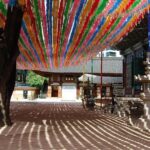
Then you’ll visit Jogyesa Temple, the chief temple of the Jogye Order, which represents Korean Buddhism. You’ll get about 25 minutes here, a short window that still manages to show how living religion works.
What I like about Jogyesa as a stop is how it sits inside the city’s real rhythm. Your guide explains the ideas behind the Bodhisattva spirit and the way the temple reflects society—people living together, practicing, and supporting community. It’s a good counterbalance to the heavy War Memorial content.
Practical note: temples are active spaces. Be respectful with noise and movement, and keep your phone use practical. It’s fine to take photos, but keep an eye out for worshippers and ceremonies.
Tapgol Park: Independence Movement History Meets a Pop Culture Reference
Your final sightseeing block includes Tapgol Park, near Insadong. This park has deep historical significance: it’s linked to the March 1st Korean Independence Movement in 1919, which called for independence from Japanese rule.
You’ll also get the fun modern connection. The park is briefly featured in Squid Game Season 2, episode 1, where a recruiter passes out lottery tickets and bread. That pop-culture nod doesn’t replace the real history, but it gives you a quick, memorable hook that makes your guide’s explanation easier to recall.
Expect about 30 minutes at Tapgol Park. It’s a great finish before you roll into central shopping streets and the end-point area near Myeongdong Cathedral.
Lunch Timing and the Cash Question: How to Plan for Food Without Stress
This tour gives you a structured lunch window at Gwangjang Market, and it’s one of the few parts of the day that you truly control. Lunch is at your expense, and your best strategy is to treat it like a buffet of choices, not a test.
If you’re picky, go for something you recognize from Korean street food rather than gambling on a complicated menu. If you’re adventurous, ask your guide what’s a safe bet. Your guide can usually point you toward popular, easy-to-order dishes.
Also, a small but helpful reality: market cash payments can be easier than scrambling for the right option at the moment. Several guests recommended bringing cash for flexibility.
And yes, you’ll likely snack a bit. That’s how market food works. Budget time for that, and don’t plan a big meal right after the market stop.
Transport and Guide Style: Why This Day Feels Easy for an 8-Hour Plan
The tour is built around comfortable transportation—an air-conditioned minivan or coach—and that matters more than people think. Seoul can move fast. Even on a good day, transferring between distant sights burns mental energy. Here, the vehicle time keeps you fresh for the walks.
The guide element is the real differentiator. Across recent runs, guides like Chloe, Sunny, Sophie, Shin, Grace, Winnie, Stella, and Leo have been singled out for a mix of storytelling, organization, and keeping the group comfortable. More than once, guests praised how guides helped with photos for solo travelers and stayed patient when the group moved through crowded palace and market areas.
You’ll get a live English guide for the day. And because the day is rain-or-shine, your guide’s pacing matters: warm indoor stops are balanced with outdoor sightseeing so you don’t freeze (or overheat) just waiting.
One more practical point: don’t plan on meeting the group later at Gyeongbokgung. Joining after the tour begins isn’t permitted, and contacting the guide once you’re “in motion” for the group doesn’t work. Arrive on time at the official meeting point.
Price and Value: Is $60 Worth It for Seoul Highlights?
At $60 per person for an 8-hour guided day, this tour is priced like a classic highlights sampler with real entry fees included. You’re paying for three things at once:
- Guiding at multiple major sights (palace, temple, museums, and viewpoints)
- Transport across different parts of the city in one organized circuit
- Entrance fees that would add up if you booked each place separately
For first-time visitors, that’s the key value: you compress a lot of iconic stops into one day with less planning headache. It’s also a decent option if you’re on a tight schedule, like when you’re fitting Seoul between transfers.
Now for the fair balance. The ginseng museum shopping stop is where you decide how much to spend. You can treat it like a cultural stop and only buy if you really want something. If you’re hoping for a day with no shopping pressure, manage expectations here.
Who Should Book This Seoul Full-Day Tour (and Who Should Skip)
This tour is a strong match if you:
- Want multiple iconic Seoul sights in one day without doing route math
- Like your history explained in plain language, not just read-off plaques
- Enjoy a mix of palace + hanok streets + viewpoints + museums
It’s also a good fit for solo travelers since the tour guide and group flow make it easier to get photos, not just take selfies in a crowd.
Skip it if:
- You need wheelchair accessibility (it’s not suitable for wheelchair users)
- You plan to bring a baby stroller or pets (not allowed)
- You want a completely free-form day with no fixed stops
If you like structure, this works. If you want to wander at your own pace for hours, you’ll probably prefer a self-guided plan.
Should You Book This Tour?
If you’re trying to get oriented fast and see major Seoul anchors without overplanning, I think this is a solid choice. The big wins are the Royal Guard Changing Ceremony at Gyeongbokgung, the photo-friendly Bukchon hanok streets, and the Bugak Skyway viewpoint that gives you skyline payoff. Add in the War Memorial and Jogyesa, and you get a day that’s more than just shopping and selfies.
My only caution is budgeting for what isn’t included—especially lunch at Gwangjang Market and any purchase you make at the ginseng museum. If you go in with a spending limit (or just window-shop), the day feels like good value.
If your schedule allows only one “guided Seoul highlights” day, this is the type of plan that helps you make that one day count.
FAQ
How long is the Seoul highlights full-day tour?
It runs for 8 hours.
What is included in the price?
Entrance fees, a live English guide, and transportation by air-conditioned minivan or coach are included. Hotel pickup is available for selected central Seoul areas.
Is lunch included?
No. Lunch time is given at Gwangjang Market, but you pay for your own food and drinks.
Where do I meet and where does the tour end?
You meet outside Myeongdong Station Exit 10, next to Sejong Hotel. The tour concludes at Myeongdong Cathedral near Myeong-dong Station.
Does the tour run in bad weather?
Yes. The tour takes place rain or shine.
Is hanbok rental included?
No. Hanbok rental time is not offered on this tour.