REVIEW · SEOUL
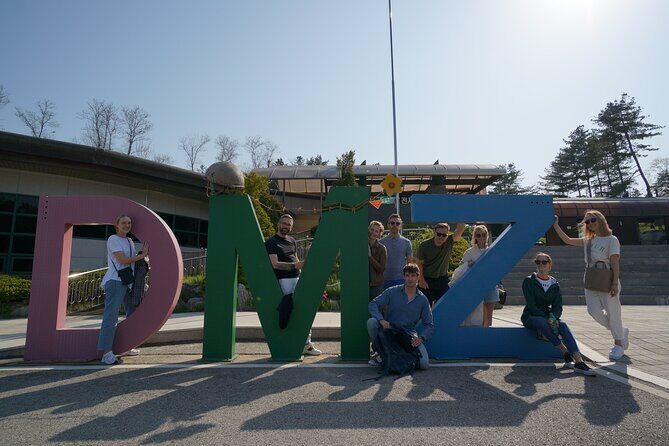
1 Day Private Full DMZ Tour in Seoul with Crystal Gondola
Book on Viator →Operated by Youus Tours Korea · Bookable on Viator
DMZ feels heavy, even on a single day. What makes this tour work is the private pace plus hotel pickup, so you spend less time herding with strangers and more time at the sites that matter. You’ll also get the nice bonus of having a guide handle the hard parts of getting through the process.
I really like the included breakfast and bottled water. An early start is non-negotiable for the DMZ, and having an easy meal plus water means you’re not scrambling before you’re walking.
One thing to plan for: this is a long day with plenty of walking and some elevation, especially around the tunnel and bridge stops. If you don’t have good grip shoes, you’ll feel it.
In This Review
- Key things I think you’ll care about
- Why a private DMZ day from Seoul feels worth it
- The early start: timing, comfort, and what to pack
- Imjingak Pyeonghwa-Nuri Park: war artifacts and the Bridge of Freedom
- The Crystal Gondola over the Imjin River: your main DMZ arrival moment
- Dora Observatory: binocular views of North Korean villages and Kaesong
- Tongilchon-gil (Unification Village): beans, snacks, and a human scale stop
- The Third Tunnel: helmet-on walking and the tunnel’s quiet impact
- Gamaksan Chulleong Bridge: a light hike with the suspension-bridge thrill
- Lunch not included: how to avoid the hungry-late problem
- Price and value: what $220 includes and why it adds up
- The human factor: guides, English, and a calm, safe rhythm
- Should you book this private DMZ tour?
- FAQ
- What time does the tour start?
- How long is the DMZ tour?
- Is hotel pickup in Seoul included?
- Are tickets and admission fees included?
- Is breakfast and bottled water included?
- Is lunch included?
- Do I need to bring anything important like identification?
- Is there a cancellation option if plans change?
Key things I think you’ll care about
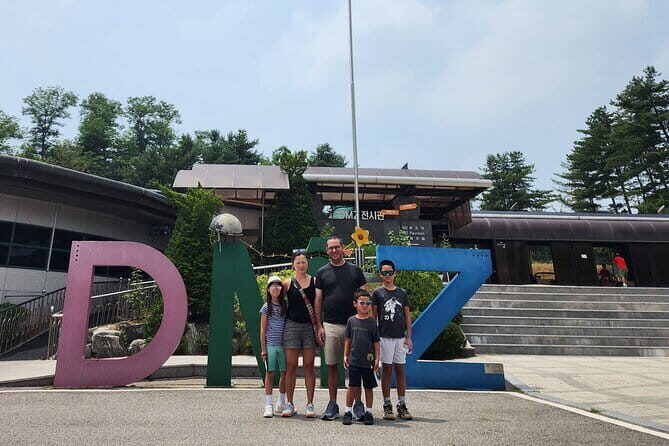
- Private van, private group pace with pickup from your Seoul hotel and drop-off back in the city
- Crystal cable car ride is included, no surprise fees once you’re at the DMZ area
- Dora Observatory and the Third Tunnel give you two very different ways to understand what you’re looking at
- Helmets for the Third Tunnel walk and a structured set of stops keeps the day moving
- Guides like Andy, David, and Lucy are repeatedly praised for clear English and calm, safe driving
- Lunch is not included, so you should think ahead for food and snacks during the day
Why a private DMZ day from Seoul feels worth it
A DMZ visit isn’t just a checklist. It’s one of those days where the details hit harder when you have time to absorb them. In a private setup, you can move at a human pace instead of stopping every 10 minutes because a big bus needs to regroup.
The value here is practical. You’re not starting your day at some distant meeting point. With direct hotel pickup in Seoul, you get more real time for the border sites and fewer minutes lost to logistics. And because it’s for only your group, you can ask questions without waiting for a translator rhythm you didn’t pick.
You’ll still follow a set route of major DMZ area stops, but the private format makes the experience feel less like an appointment and more like a focused day trip.
You can also read our reviews of more private tours in Seoul

The early start: timing, comfort, and what to pack
This tour runs about 9 to 10 hours, usually starting at 7:00 am. Some departures may start a bit earlier, and one of the most consistent themes from guide feedback is that you’ll be out the door early and back later in the afternoon.
You’ll ride in an air-conditioned vehicle, with bottled water provided throughout the day. At the beginning of your journey, there’s also an included light breakfast designed to be easy to eat on the move.
What I’d pack (based on the walking + elevation built into the stops):
- Good shoes with grip (the Third Tunnel area and the bridge crossing involve real walking)
- A light layer (mornings can be cooler, and you’ll move between shaded areas and open ones)
- A small snack backup (the day includes opportunities to buy food on-site, but it’s a long stretch, and having a bar in your pocket keeps you comfortable)
Also, plan your day around being flexible with breaks. The route is structured, and a private guide will keep you moving efficiently so you don’t waste time waiting in long lines.
Imjingak Pyeonghwa-Nuri Park: war artifacts and the Bridge of Freedom

Most DMZ days start with a context stop, and this one is Imjingak Pyeonghwa-Nuri Park. It’s dedicated to people who left North Korea during the Korean War, and it sets the tone fast.
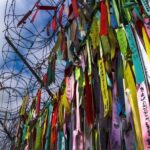
You’ll spend about an hour exploring the park’s war-related artifacts. Then you’ll move on to the Bridge of Freedom, a crossing tied to liberation-era movement. Even if the wording on signs isn’t your thing, the sheer scale of what’s memorialized helps you understand why this zone is treated so differently from a normal sightseeing area.
What I like about starting here: you’re not yet facing the border views, but you’re already learning the emotional logic of the day. It’s the kind of stop that makes later moments at Dora or the tunnel land with more weight.
A minor consideration: it’s an outdoor-focused park, so bring sun protection if you’re going in hot months. You’ll be moving again soon after, so keep your bag simple.
The Crystal Gondola over the Imjin River: your main DMZ arrival moment
The heart of the DMZ experience here is the crystal cable car ride across the Imjin River, spanning the Civilian Control Line. You travel about 850 meters, and the ride is included with no extra charge.
You’ll notice two things right away:
- The transparent floor effect changes how you feel during the crossing.
- The views turn the DMZ from a concept into a real physical boundary you can see and measure.
This stop is about one hour, which is a good length for digesting what you’ve already learned at Imjingak. You’re not rushed, but you also aren’t stuck long enough to lose the moment to impatience.
If you’re claustrophobic or hate enclosed spaces, the cable car still tends to be manageable because you’re not in it for an age. But it is enclosed, so consider that if it’s a concern.
Dora Observatory: binocular views of North Korean villages and Kaesong

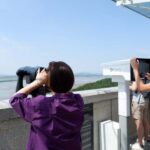
Next up is the Dora Observatory, where you get a close-up look at North Korean villages and the city of Kaesong. The observatory is near the border and equipped with high-performance binoculars, and it’s designed to make distance feel less like a wall and more like something you can study.
Plan on about one hour here. This is a stop where you can slow down and do the mental work: what you’re looking at, what it means geographically, and how small details in the distance connect to the big political story.
One practical note: you’ll be dealing with crowds and controlled movement within the DMZ region overall, even on a private tour. The upside is that your guide can keep your group oriented so you don’t waste time figuring out where to stand, where to move next, and how long things typically take.
You can also read our reviews of more tours and experiences in Seoul
Tongilchon-gil (Unification Village): beans, snacks, and a human scale stop
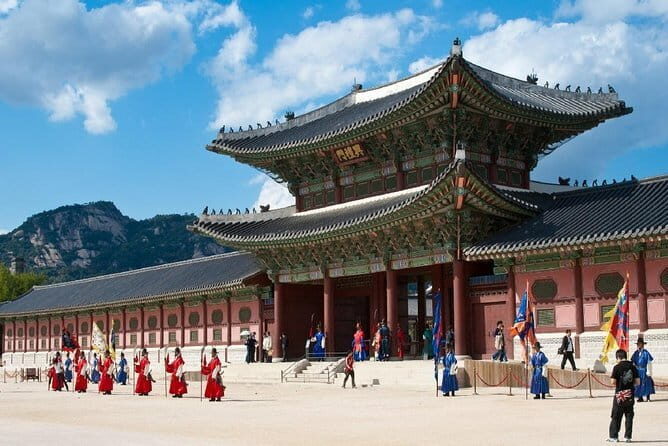
After the heavy viewing, you get a more human, break-in-the-day moment at Tongilchon-gil, also associated with the Unification Village area.
You’ll have about one hour to explore and try local specialties. This region is known for beans, and you’ll find unique desserts and snacks made from those ingredients. It’s not a random food stop. It gives you a change of pace where you can talk, snack, and reset before the day turns physically active again.
A plus: since lunch isn’t included, this kind of stop can help you manage hunger better. A drawback: if you’re expecting a long sit-down meal, don’t. This is more about quick exploration and tasting.
The Third Tunnel: helmet-on walking and the tunnel’s quiet impact
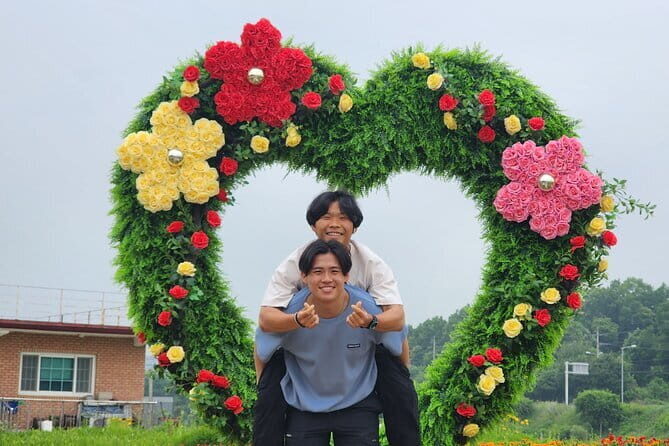
The Third Tunnel stop is the kind of experience that sticks. You’ll put on a helmet and explore the tunnel, then head to the DMZ Theater for a short video that puts the Korean conflict story into clearer framing.
You’ll spend about one hour total at this stop. The tunnel walk adds a physical element that’s hard to replicate in any museum setting. It also forces you to notice things your brain would normally ignore—tight spacing, footing, and the overall sense of what it means to have a passage intended for infiltration.
From a planning perspective, this is where good shoes matter most. You’ll be walking inside and moving with a purpose. If you’re wearing slippery soles or uncomfortable shoes, this is where you’ll feel regret.
If you’re traveling with kids or anyone with limited mobility, this is the part you should think about carefully. The tour asks for moderate physical fitness, and the tunnel is one of the clearer reasons why.
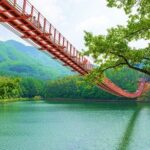
Gamaksan Chulleong Bridge: a light hike with the suspension-bridge thrill
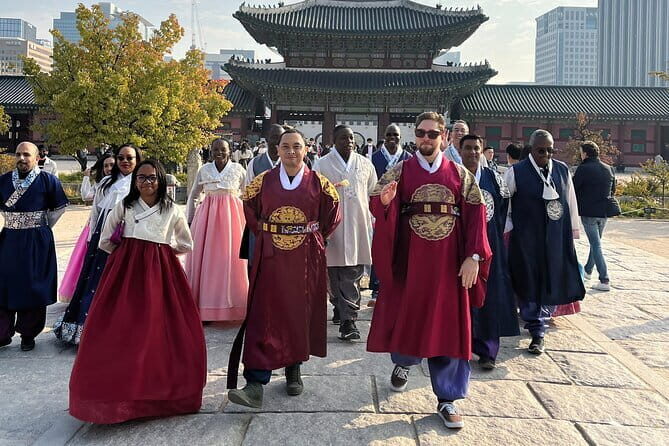
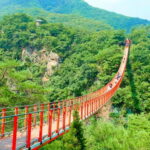
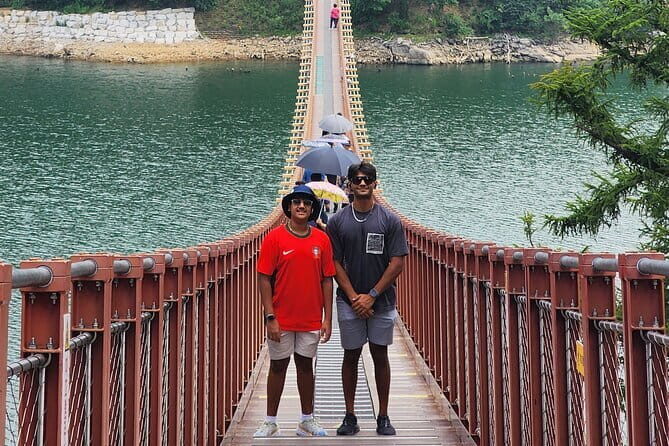
To balance the tunnel, you also get a scenic movement stop at Gamaksan Chulleong Bridge. This is described as a light hiking adventure on an iconic suspension bridge.
You’ll have about one hour here, and the key detail is how the bridge experience feels. The Korean word Chulleong is tied to the idea of swaying, and you’ll likely feel that motion as you cross. It’s a small adrenaline hit in the middle of a day that otherwise runs on heavy context.
You’ll also get elevation and outdoor walking here, so treat this as part of the fitness requirement, not as casual sightseeing. Even if it’s marketed as light hiking, you should still plan for an active day.
If it’s windy, you may want to hold the rail a bit more than you expect. The thrill is part of it, but comfort matters.
Lunch not included: how to avoid the hungry-late problem
Lunch isn’t included in the tour cost. That’s not unusual for day trips, but it does change how you plan your fuel.
The good news is that the day includes an early breakfast, plus bottled water, and you’ll have time at different stops where snacks and food may be available. If you know you get hungry, bring a small snack for the stretches between major sites.
My practical suggestion: eat a little at the breakfast even if you’re not a big breakfast person. Then plan to either buy something during the Unification Village area stop or bring a backup snack. The worst-case scenario on a long day isn’t hunger—it’s hunger plus fatigue, which makes everything feel harder.
Price and value: what $220 includes and why it adds up
At $220 per person, this DMZ tour isn’t a budget impulse buy. But it’s also not just a vehicle rental and a vague itinerary.
Your money is paying for:
- Private hotel pickup and drop-off within Seoul
- Air-conditioned transportation for a long day
- Breakfast and bottled water
- Admission and tickets included across the stops
- A guided DMZ day where someone else manages the time-consuming parts
The biggest value isn’t just the major attractions. It’s the reduced friction: you don’t have to coordinate your own entry flow between multiple controlled areas, and you’re not stuck piecing together public transport schedules across a day that starts early and runs long.
Also, the crystal cable car ride is included with no extra charge, and the tunnel stop includes the helmet-on component as part of your visit. Those are the kinds of details that, if you did them independently, often turn into extra ticket lines and extra time.
If you’re comparing options, look beyond the headline cost. A cheaper tour that includes fewer admissions can end up more expensive in real dollars once you add entry tickets. Here, you already know most core costs are handled.
The human factor: guides, English, and a calm, safe rhythm
DMZ days can feel stressful because everything is controlled and timed. The guides named in feedback—like Andy, David, and Lucy—are repeatedly praised for being patient, speaking clear English, and driving safely and smoothly.
That matters because your day depends on timing. The best guide isn’t just good at explaining facts; they’re good at keeping you comfortable during long walks, sorting logistics without making you wait, and answering questions without overloading you.
If you get one of those guides, expect a day with a smooth rhythm: pickup on time, water and snacks handled, and explanations paced so you can actually process what you’re seeing.
Should you book this private DMZ tour?
I’d book this if you want a focused Seoul DMZ day that protects your time and keeps the day organized. The private pace is a real quality-of-life upgrade, especially when you’re dealing with early pickup and major walking stops. The included breakfast, bottled water, and admissions also make it easier to budget your day without surprise add-ons.
You might think twice if:
- You prefer very relaxed sightseeing with minimal walking.
- You’re not comfortable with a long day that starts early and includes elevation.
- You need a full lunch built into the schedule rather than snacks.
If you’re a history-minded traveler or just curious about how this peninsula’s story is shaped by geography, this is a strong choice. You’ll get the major DMZ anchor points—Imjingak, Dora Observatory, the Third Tunnel—and the crystal cable car moment that makes the border feel real.
FAQ
What time does the tour start?
The tour starts at 7:00 am.
How long is the DMZ tour?
It runs about 9 to 10 hours.
Is hotel pickup in Seoul included?
Yes. Direct hotel pickup and drop-off within Seoul city are included.
Are tickets and admission fees included?
Yes. All tickets and admission fees are fully included in the tour cost.
Is breakfast and bottled water included?
Yes. The tour includes a complimentary light breakfast at the beginning of the journey, plus bottled water.
Is lunch included?
No. Lunch is not included.
Do I need to bring anything important like identification?
You should bring your passport or identification for DMZ checkpoints that require it.
Is there a cancellation option if plans change?
Yes. Free cancellation is available up to 24 hours in advance for a full refund.