REVIEW · SEOUL
Secret Cooking Class in Seoul by Secret Food Tours
Book on Viator →Operated by Secret Food Tours · Bookable on Viator
Kimchi teaches more than taste. In this 2-hour Seoul class, you’ll learn Korean cooking through three hands-on kimchi dishes in a secret-feeling spot near Gyeongbokgung Palace. I like that it focuses on the how—fermentation technique and flavor balance, not just eating something good.
Two things I really appreciate: you actually cook (not just watch), and you get a chef-led explanation of kimchi culture and the big-picture logic behind it. In one standout review example, the host Suyeon was praised for explaining the history/tradition of kimchi and different types, which helps your dishes make sense on first bite. One thing to consider is that it depends on good weather, so plan to be flexible if conditions force a change.
In This Review
- Key highlights to know
- Seoul Kimchi Cooking Class Basics Near Gyeongbokgung
- How the Class Starts: Hand Washing, Chef Meets, and Local Ingredients
- Making Kimchi-buchimgae (Cabbage Kimchi Pancake) the Hands-On Way
- Kkakdugi Radish Kimchi + Bacon Rice + Egg: The Flavor-Builder Dish
- Baek-kimchi (White Kimchi) with Delicate Broth and Noodles
- The Makgeolli Pause and What the Secret Dish Adds
- Price and Value: Is $87 for 2 Hours Worth It?
- Who Should Book This Kimchi Class in Seoul
- Should You Book Secret Cooking Class in Seoul?
- FAQ
- What dishes will I make in the class?
- How long is the Seoul kimchi cooking class?
- What drinks are included?
- Is there a secret dish?
- Where do we meet?
- How big is the group?
- Does it require good weather?
- What’s the cancellation window?
Key highlights to know
- Small group of up to 8 people, so you’ll get time at the prep station
- Three different kimchi dishes you make yourself: pancake, kkakdugi-based rice, and white kimchi noodles
- Chef coaching on fermentation and flavor balancing, so you can recreate the ideas later
- Makgeolli (or a soda) is included while you enjoy the meal
- A surprise secret dish shows up as part of the experience
- Start from a clear meeting address near public transportation: 3rd floor, 36 Jahamun-ro 7-gil
Seoul Kimchi Cooking Class Basics Near Gyeongbokgung
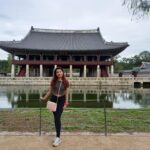
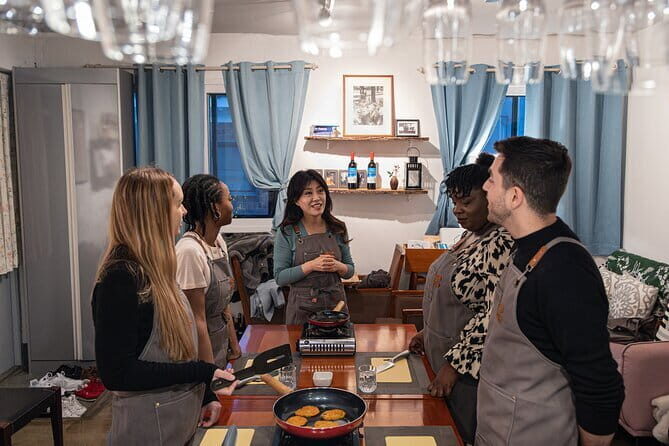
This is a chef-guided cooking class in Seoul built around one central idea: kimchi isn’t one food, it’s a whole approach to cooking. You’ll start near Gyeongbokgung Palace and move into a “secret” setup where the focus stays on your hands, your knife skills, and the flavors you build.
The class runs about 2 hours, and it’s kept intentionally small (max 8 people). That matters because kimchi cooking isn’t passive. You need time to prep, taste, adjust, and actually understand how the dishes come together.
If you’re the type who loves Korean food but wants the “why” behind it, this format fits. If you’re only looking for a quick snack and zero cooking, you might find it a lot of work in a short time. You’ll also get a mobile ticket, which makes check-in smoother when you’re moving through Seoul’s neighborhoods.
You can also read our reviews of more food & drink experiences in Seoul
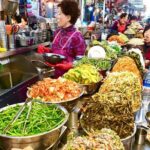
How the Class Starts: Hand Washing, Chef Meets, and Local Ingredients
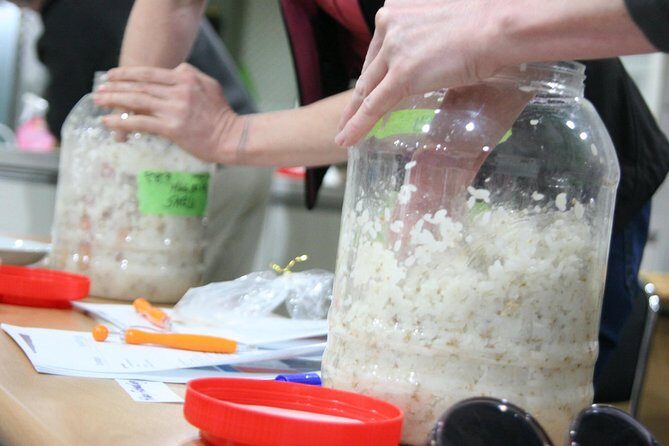
You’ll meet your chef in a secret location setup, then do the simple reset—wash your hands and get ready to cook. From there, the class shifts into ingredients and method. You’ll get to learn about local ingredients, including how you might find similar items in your own city later.
This part is more useful than it sounds. Korean cooking can look ingredient-heavy when you’re at home. Here, you’re taught what to look for and how to think about substitutions, which is the difference between making one great meal once and making it reliably again.
You’ll also get a clear structure: three kimchi-forward dishes, one classic Korean dinner flow, and some drinks during the meal. The class stays organized, but you’re still actively participating.
Making Kimchi-buchimgae (Cabbage Kimchi Pancake) the Hands-On Way
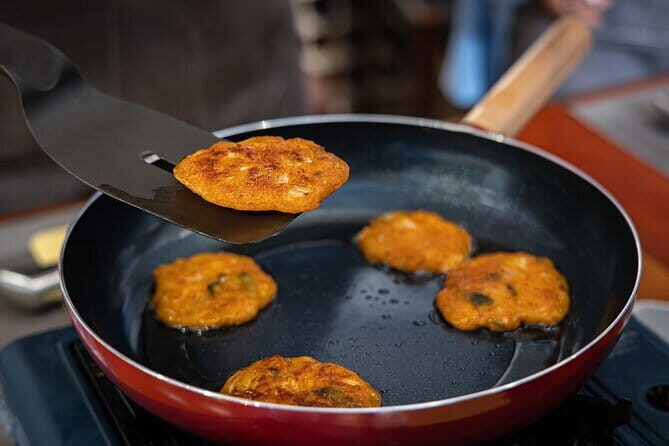
First up is Cabbage Kimchi Pancake (Kimchi-buchimgae). The goal is a crispy, savory pancake where the fermented cabbage kimchi brings the umami punch.
What I like about starting with a pancake is that it teaches fast feedback. If your flavors feel flat, you can adjust. If the texture isn’t right, you can correct your approach while you still have momentum in the class.
You’re not just assembling food; you’re learning the supporting ideas. The class is built around fermentation secrets and the art of balancing bold and subtle flavors, and this dish is a practical place to apply that right away. Kimchi isn’t only heat or sourness here—it’s depth.
At the same time, keep expectations grounded. You’re cooking in a group format, in about two hours total, so you won’t become an expert fermenter by the end. You will, however, leave with a clearer feel for what makes kimchi-buchimgae taste the way it does.
Kkakdugi Radish Kimchi + Bacon Rice + Egg: The Flavor-Builder Dish
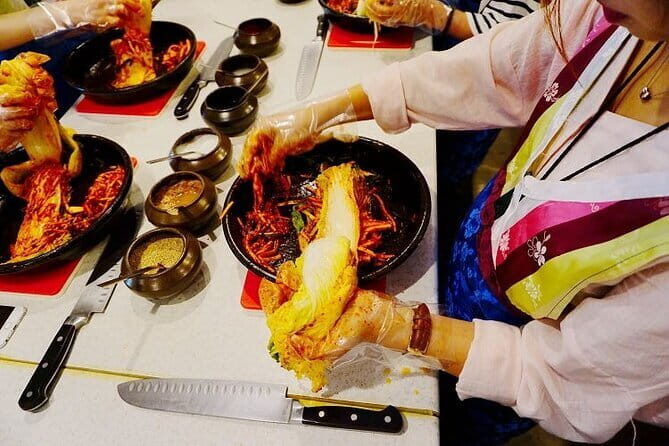
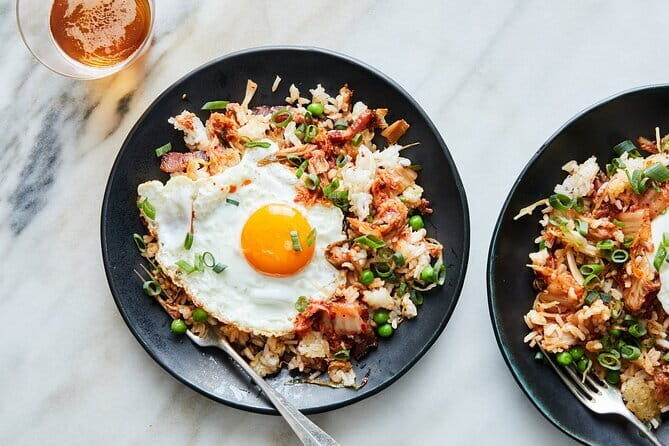
Next is Radish Kimchi (Kkakdugi), which you’ll master and then use in a hearty dish. In this class, you’ll use that radish kimchi to make a stir-fried rice dish with bacon, finished with a golden egg.
This is the dish that turns kimchi from a side ingredient into a driving flavor. You’ll get a sense of how to balance something fermented with rich and savory elements like bacon and egg. That’s an important Korean cooking lesson: kimchi often works best when it’s part of a bigger flavor equation, not the only note you hear.
I also like that this isn’t just a “taste this, move on” moment. You’re actively building the meal step by step. Since the class is small, you can ask questions while you’re working—especially if you’re unsure how much kimchi flavor should come through.
One practical consideration: rice dishes can move fast. In a timed class, you’ll want to pay attention when the chef explains the flow. If you drift into chatting mode (easy to do with a friendly group), you might miss a cue and feel behind for a few minutes.
Baek-kimchi (White Kimchi) with Delicate Broth and Noodles
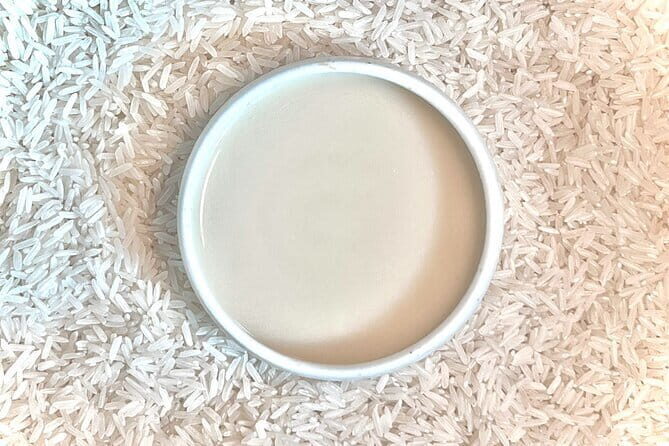
Last is White Kimchi (Baek-kimchi)—the refreshing, non-spicy version. Here, you get it served with delicate broth and noodles, which makes it a totally different flavor experience from the cabbage pancake and the bacon rice.
This part is a smart pacing choice. After richer, more savory dishes, the baek-kimchi meal tones things down. You also get a lesson in variety: kimchi culture includes styles that aren’t just spicy red and sour.
The broth-and-noodle presentation is especially helpful if you’re trying to cook something that feels lighter and more comforting. It’s also a good way to understand the chef’s approach to balance—this class doesn’t treat kimchi as one flavor profile.
Also, because white kimchi is non-spicy, it’s often the easiest on the palate if you’re sensitive to heat. Still, since the overall class includes multiple kimchi dishes, it’s not a “no kimchi strong flavor” event—you’re learning to enjoy fermentation character.
You can also read our reviews of more tours and experiences in Seoul



The Makgeolli Pause and What the Secret Dish Adds
During the meal, you’ll enjoy Makgeolli (a rice wine) or an alcohol-free drink. Then there’s the fun part that the class promises: there’s always a secret dish added in.
That “secret dish” element is more than marketing fluff. It breaks the routine and keeps you paying attention. It also gives you a broader snapshot of how Korean meals are built—more than one dish, more than one texture, and more than one way kimchi shows up.
If you don’t drink alcohol, the alcohol-free option matters. You still get to participate fully in the meal rhythm without feeling like you’re watching everyone else enjoy something.
Timing-wise, you’ll finish back at the meeting point. So you’re not stuck figuring out an end location while your hands are still smelling faintly of kimchi (a smell I wouldn’t call bad. Just… present).
Price and Value: Is $87 for 2 Hours Worth It?
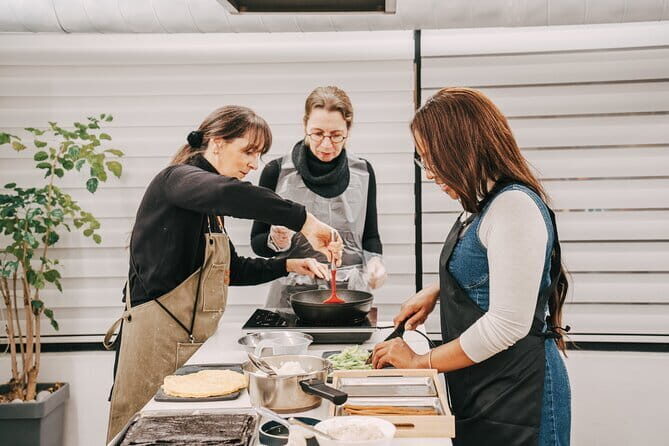
At $87 per person, you’re paying for chef time, ingredients, and a small-group cooking setup that doesn’t rush you into stand-and-watch mode. You’re also getting a full set of meal items included: your cabbage kimchi pancake, the radish kimchi dish with bacon/rice/egg, the baek-kimchi with noodles and broth, plus a drink and a secret dish.
For two hours, that can be good value—especially if you compare it to paying for ingredients and then having to guess how to balance fermentation and flavors. The class isn’t only about recipes. It’s about technique and judgment, including learning how to find local ingredients back home.
There’s also a practical value angle: with a max group size of 8, you’re more likely to get real coaching. That’s where the cost starts to make sense. If this were a large group demonstration, $87 would be harder to justify. In a tighter format, it feels more like buying a skill lesson.
One more note: it’s often booked about 8 days in advance on average, so if you’re traveling at peak times, don’t wait until the last minute.
Who Should Book This Kimchi Class in Seoul
This class is a great fit if you want to:
- learn Korean cooking in a hands-on way
- understand kimchi beyond taste—fermentation and flavor balancing
- cook a trio of dishes you can remember and re-create
- enjoy a meal with drinks included, in a small group
You might consider something else if you:
- hate structured cooking experiences and want only casual strolling food stops
- need a slower pace with lots of free time (this is about the 2-hour class window)
- are uncomfortable with the idea that weather can affect whether you run as scheduled
If you’re traveling solo, this can also work well because you’ll be active at the station and naturally connected with others. If you’re traveling with friends, it can feel like a shared project: chop, taste, adjust, plate, repeat.
Should You Book Secret Cooking Class in Seoul?
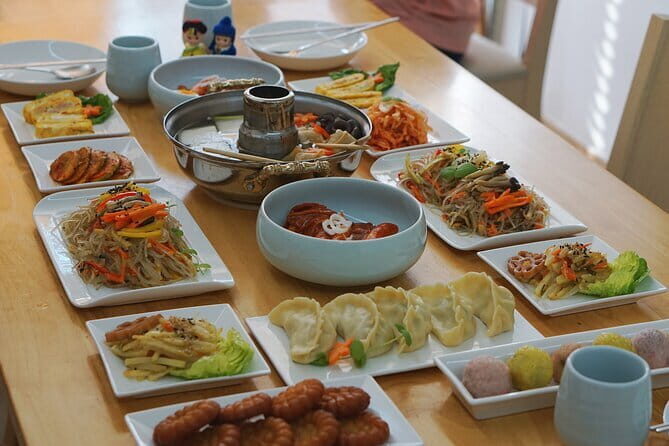
I’d book it if you want a focused Seoul food experience that teaches you actual technique, not just a meal. The dish lineup is well chosen for learning range: kimchi-buchimgae for savory crisp comfort, kkakdugi-based bacon rice with egg for bold fermented depth, and baek-kimchi for a non-spicy reset with noodles and broth. Add in makgeolli (or soda) and the promised secret dish, and you’re getting a full dinner-style payoff.
If you’re picky about comfort and hate surprises, the “secret dish” might feel odd—but in practice it’s usually just a fun bonus, and you still know exactly what the three main dishes are.
FAQ
What dishes will I make in the class?
You’ll cook three kimchi-based dishes: cabbage kimchi pancake (Kimchi-buchimgae), radish kimchi (Kkakdugi) used for a stir-fried rice dish with bacon and topped with a golden egg, and white kimchi (Baek-kimchi) served with delicate broth and noodles.
How long is the Seoul kimchi cooking class?
The class lasts about 2 hours.
What drinks are included?
You’ll enjoy a glass of makgeolli, or an alcohol-free drink (soda).
Is there a secret dish?
Yes. The experience includes a secret dish as part of the class.
Where do we meet?
The meeting point is 3rd floor, 36 Jahamun-ro 7-gil, Jongno District, Seoul, South Korea.
How big is the group?
This experience has a maximum group size of 8 people.
Does it require good weather?
Yes. The experience requires good weather. If it’s canceled due to poor weather, you’ll be offered a different date or a full refund.
What’s the cancellation window?
You can cancel up to 24 hours in advance for a full refund. If you cancel less than 24 hours before the start time, the amount paid is not refunded.