REVIEW · SEOUL
Mount Seorak and Naksansa Temple One Day Tour from Seoul
Book on Viator →Operated by TOURSTORY · Bookable on Viator
One day, two big hits in the mountains. This tour pairs Mt. Seorak views with a calm stop at Naksansa Temple, using an air-conditioned ride so you can focus on the scenery. I love the included park and temple admissions, which cuts out ticket hassle, and I like the way the day is paced so you’re not rushed at each location. One consideration: it’s still a long day, and the cable car may be down, which means you may need to walk more than planned.
I also like that you’ll have English-and-Chinese support from the start of the day to the end. Just be ready for stairs and uneven ground at Seoraksan and Naksansa—great for fit travelers, but not ideal if you hate steep slopes or step-heavy routes.
In This Review
- Quick hits before you go
- Mt. Seorak and Naksansa: what this one-day tour really gets you
- The long drive from Seoul: it’s tiring, but it’s part of the deal
- Seoraksan National Park: choosing between cable car comfort and your hiking legs
- Your cable car options (and the downside)
- How to pick a hike that matches your energy
- What the mountain feels like on a good day
- Naksansa Temple: ocean views, lots of steps, and a calmer pace
- What to expect under your feet and on your legs
- Temple details you can actually use
- What’s included in the price—and what you should budget extra
- Why included tickets matter
- Meals: plan for a meal break and snack flexibility
- Timing, weather, and group size: how to keep your day feeling smooth
- Who should book this Mt. Seorak and Naksansa day trip
- Is this tour good value for $71.43?
- Should you book this one-day Mt. Seorak and Naksansa tour?
- FAQ
- How long is the Mt. Seorak and Naksansa Temple tour from Seoul?
- What stops are included?
- Are entrance tickets included?
- Is the cable car ticket included?
- How do you get there?
- What languages are supported by the staff?
- What is the cancellation policy?
Quick hits before you go
- Air-conditioned coach from Seoul: real comfort for a long ride to the east coast mountains
- Seoraksan National Park time on the ground: enough hours to choose your hiking pace and viewpoints
- Naksansa Temple with ocean-facing views: a quieter, historical contrast to mountain trails
- Tickets included, except cable car: you’ll pay less up front, and the cable car becomes a flexible add-on
- Smallish group limit (43 max): easier movement and clearer meeting points than huge buses
Mt. Seorak and Naksansa: what this one-day tour really gets you
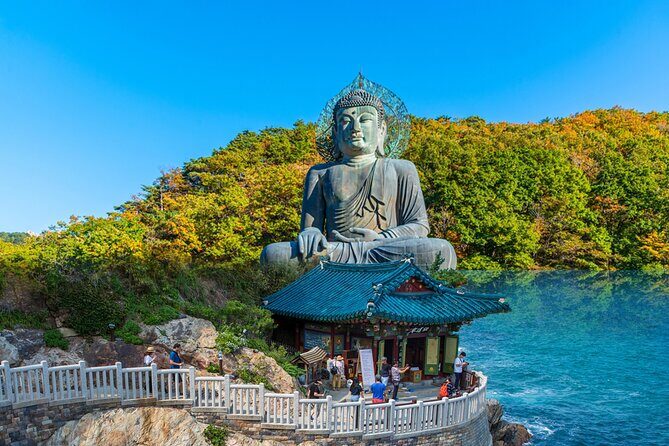
This is a classic “big nature, minimal planning” day. You’re traveling far enough from Seoul that it feels like you’ve escaped the capital, but not so far that you need a multi-day trip. The value is in the structure: you get round-trip transport plus entry tickets, and you arrive with a clear plan for what to see—Seoraksan first, then Naksansa.
The biggest payoff is the mix. Mt. Seorak (Seoraksan National Park) is about viewpoints and forest trails, with routes that range from easier walking to more serious hikes. Naksansa Temple shifts the mood: you trade uphill effort for a temple complex where you’ll still climb stairs, but the reward is a peaceful stroll and ocean-facing scenery.
The day is also weather-dependent in a very real way. Fog and rain can change what you see from the mountain, and heavy conditions can affect whether the cable car runs. The tour will adapt based on traffic and weather, so your “perfect photo day” depends on the sky that day.
You can also read our reviews of more tours and experiences in Seoul
The long drive from Seoul: it’s tiring, but it’s part of the deal
Plan for a big chunk of time in the vehicle. The total day runs about 11 to 12 hours, and the bus ride from Seoul to the mountains and back is a big part of it. On some schedules, it can feel like about six hours total on the road, with at least one rest stop along the way.
Here’s how to make that ride work for you:
- Bring something for the road: water, a snack you like, and a light layer. Even with air-conditioning, temperatures can swing once you climb in elevation.
- Keep your phone charged and download offline maps. The day runs on timing, and you’ll move between meeting points quickly.
- If you’re prone to motion discomfort, consider taking precautions before you board. This is a mountain route, and curves start adding up.
One practical note: you’re on a coach or minivan with ventilation that can vary by vehicle and conditions. A few people reported the air felt weak and windows fogged during their ride. That’s not guaranteed, but it’s a good reminder to pack a mask or tissues and keep your eyewear clear.
Seoraksan National Park: choosing between cable car comfort and your hiking legs
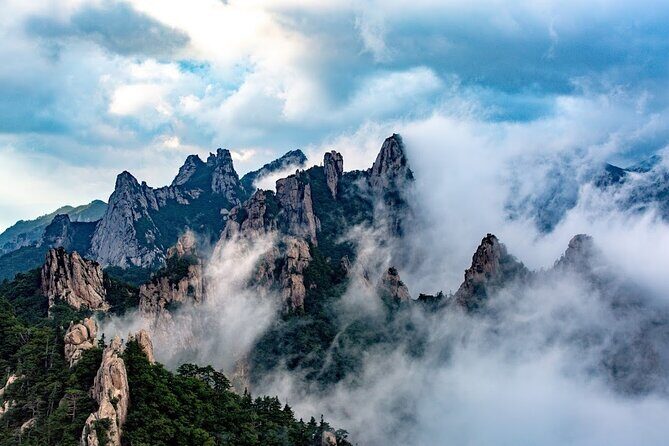
Seoraksan National Park is where the day earns its reputation. You’ll get around 3.5 hours on site, which is not enough to see everything in the park, but it’s plenty to do a meaningful hike to a viewpoint—or take the cable car and still get a real sense of the mountain.
Your cable car options (and the downside)
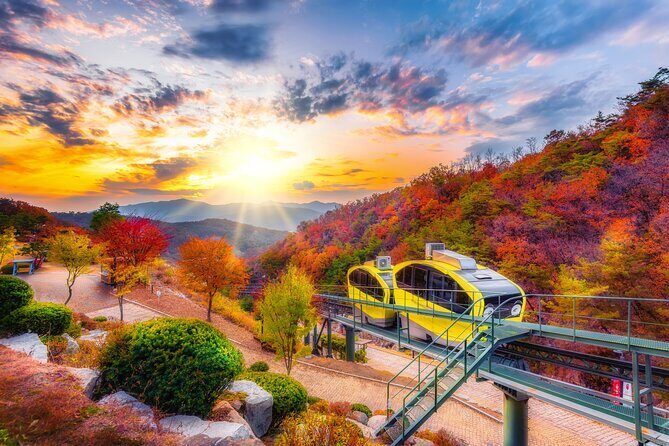
The tour does not include the cable car ticket. You can buy it in cash on-site, and the cable car may not operate in bad weather or for maintenance. That’s the key “plan B” piece of this day.
If the cable car runs, it’s a smart way to save time and energy. Many visitors use it to reach high viewpoints without doing a long grind uphill. If it doesn’t run, you’ll need to rely on walking/hiking routes instead. And since the time on the mountain is limited, cable car downtime can force you to adjust your expectations.
There’s also a real-world timing issue to know: one traveler mentioned the cable car was down for safety inspections and they felt it wasn’t communicated soon enough. I can’t predict how it will go on your day, but the takeaway is simple: if cable car access is important to you, build in flexibility from the start.
How to pick a hike that matches your energy
The park supports different hiking styles. Some people go for a tougher steep route; others choose easier paths. You might find options ranging from walking trails to longer, more challenging climbs, and at least a few viewpoints or observatory-style targets depending on conditions and route choices.
My practical advice: decide on your “minimum win” before you start walking. For example, your goal can be:
- a shorter hike to a ridge or lookout
- a comfortable circuit with lots of photo stops
- or a higher viewpoint via cable car (when running) plus light walking on arrival
This tour works best when you don’t try to do everything. Pick one or two goals and spend your time there.



What the mountain feels like on a good day
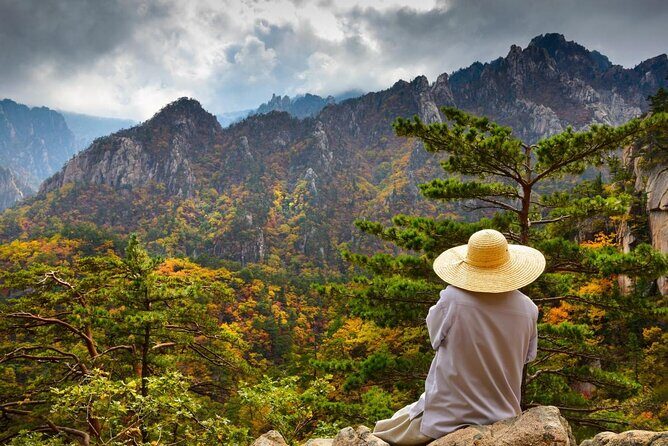
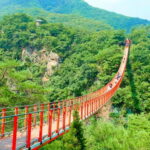
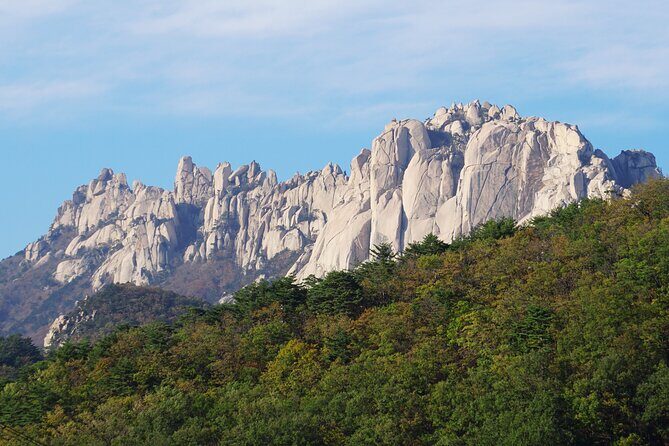
When weather cooperates, Seorak hits hard: sharp rock formations, thick forest, and that layered feeling of mountains dropping away into distance. Even when visibility isn’t perfect, the park still delivers atmosphere—fog can actually make the peaks look more mysterious and the forests feel extra quiet.
If you’re chasing fall colors or clearer views, you’ll still need luck with conditions. One person timed their autumn foliage photos well and got exactly what they hoped for. On rainy days, you might end up seeing less scenery and more sheltered spots instead.
Naksansa Temple: ocean views, lots of steps, and a calmer pace
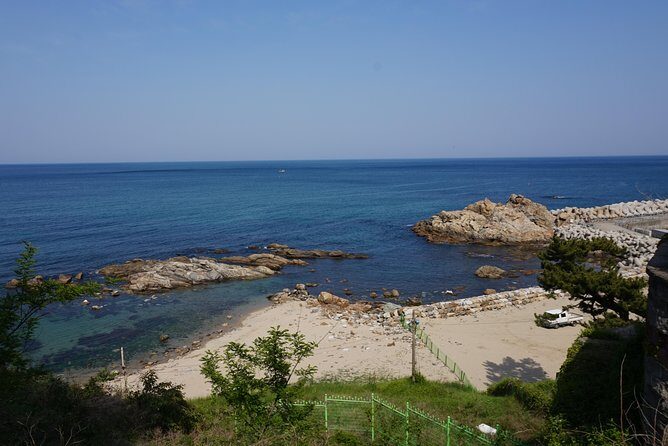
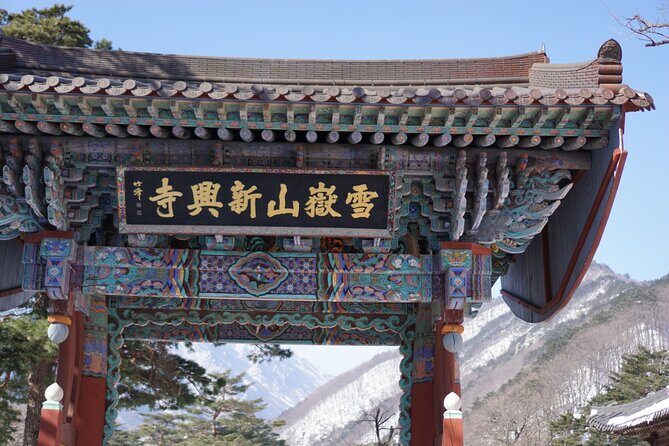
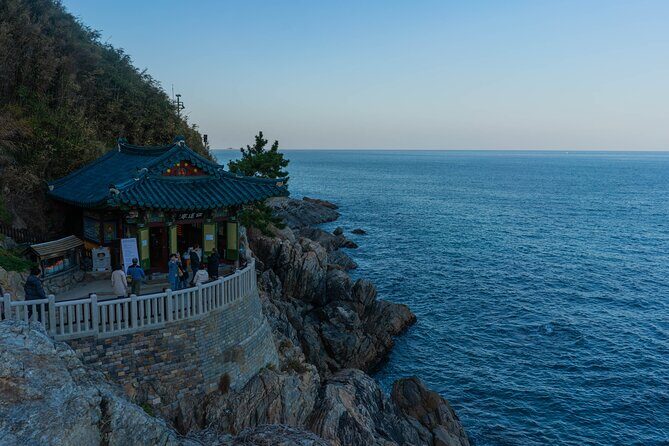
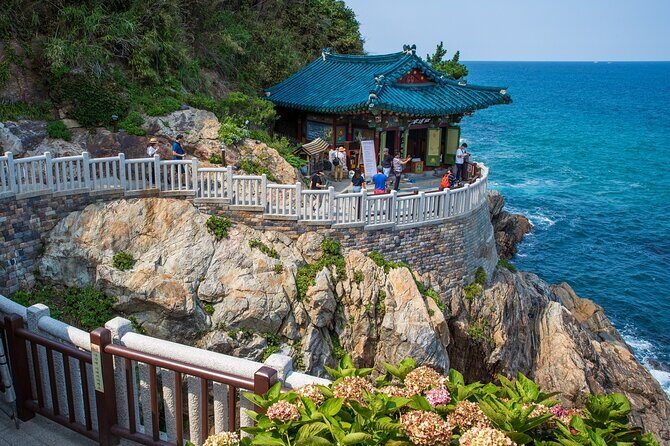
Next comes Naksansa Temple, usually with about 1.5 hours. The tone changes immediately. Instead of climbing for panoramas, you’re moving through a historic temple complex with sea-facing scenery.
This stop has two strengths:
- The setting: you get that temple-by-the-water feel, which makes photos and quiet moments more interesting than a typical inland temple visit.
- The atmosphere: it’s slower paced, and the walkway-style exploration tends to feel like a reset after mountain trekking.
What to expect under your feet and on your legs
Naksansa involves effort. Expect stairs and steep sections. More than one person mentioned that it’s a lot of steps, and steep slopes can add up, especially if you already hiked in the park first.
If you have limited mobility, this is the part that can become frustrating. One review basically warned against it for people who don’t do stairs well, since there aren’t obvious walking aids to make the incline easier. If you’re unsure, ask yourself a blunt question: can you comfortably handle an uphill, step-heavy temple route after a mountain hike?
Temple details you can actually use
You won’t just walk through and leave. Your time matters because the temple complex is a proper visit: you’ll see key areas and you’ll likely get orientation from your guide early in the stop. Some guides are especially strong at adding context—names that popped up include Han (with a very helpful, thoughtful style), Jason (friendly and good at keeping the group moving), Stella, Lucia, David, Shana, and Jiwon. Not all guides will be identical, but the common thread is that you’ll usually get practical explanations plus encouragement to look around.
A helpful bonus: temple etiquette. One traveler said it would have helped to know which gestures or rituals are appropriate at temples. So even though you’ll likely be guided, it’s smart to keep your own approach simple: observe what others do, dress respectfully, and keep a calm, quiet pace where people are worshiping.
What’s included in the price—and what you should budget extra
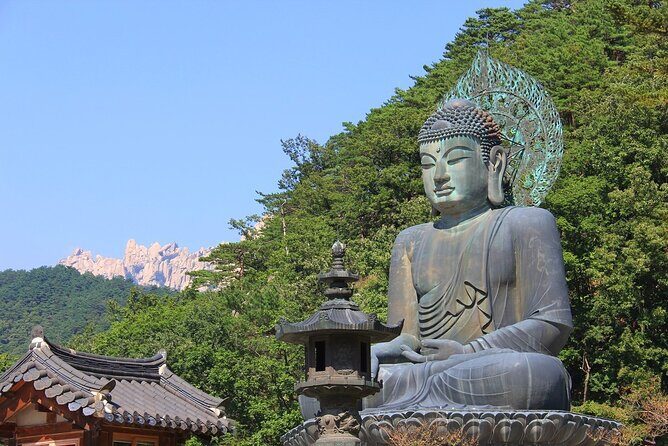
This is priced at $71.43 per person, and that price includes a lot of the expensive “friction” of a day trip: round-trip transport and admission tickets for both main stops.
Included:
- air-conditioned coach/minivan transport
- English and Chinese speaking staff
- Mt. Seorak ticket
- Naksansa Temple ticket
Not included:
- meals
- traveler’s insurance (not offered through the tour)
- cable car ticket (buy in cash on-site)
- other personal expenses
Why included tickets matter
Tickets sound small until you’re standing in line with time ticking down. Here, the included admissions remove that headache. You’re spending your time on the mountain, not negotiating ticket counters.
Meals: plan for a meal break and snack flexibility
Meals aren’t included, so you’ll need to handle lunch on your own. The longer ride typically includes a rest stop where you can grab snacks and use restrooms, and when you’re at the park and temple areas you’ll usually find places to eat nearby—at least enough for a practical lunch.
Bring a small snack even if you plan to buy food. On a day with fixed timing, being hungry can turn a “beautiful hike” into “just survive the next hour.”
Timing, weather, and group size: how to keep your day feeling smooth
This tour runs about 11 to 12 hours, and your exact timing depends on traffic and weather. That matters because it changes two things:
- how much you can do if conditions are rough
- whether you can rely on the cable car
The tour is set up for groups with a maximum of 43 travelers. That size is big enough to feel social, but not so huge that you’re constantly lost. Your guide will typically use a clear group system, and some guides even set up a group chat for coordination.
Weather reality check:
- Rain can cut visibility and make slopes slick.
- Fog can make views softer, but it can also create a dramatic mood in the park.
- Cable car operation is not guaranteed.
If you want the most control, pack like you’re doing a mini hike. Comfortable shoes with grip are non-negotiable. One person suggested bringing hiking clothes, and that advice holds up for both the mountain walk and the temple steps.
Who should book this Mt. Seorak and Naksansa day trip
Book it if:
- you want a high-impact nature day without navigating public transit on your own
- you like flexible hiking options and choosing your own pace at the park
- you want a combination day: mountain views plus a sea-facing temple stop
- you’re okay with a long day and a full coach schedule
Skip or reconsider if:
- you don’t do well with stairs and steep slopes (Naksansa can be tough)
- you need a very predictable cable car experience
- you’re expecting a short, relaxed outing from Seoul (this one is full-day)
It’s also a great match for people traveling with family, as long as everyone can handle walking. Several comments praised the guide’s ability to support different energy levels, including visitors who took the cable car to reduce walking.
Is this tour good value for $71.43?
For many people, the price makes sense because you’re paying for the hard parts of the day:
- transportation out to the mountains and back
- tickets for both Seoraksan and Naksansa
- bilingual support (English and Chinese)
If you were to do it independently, you’d still spend on getting there, plus tickets once you arrive. You might be able to save money by going DIY, but you’d also spend more time planning, arranging routes, and managing ticket entry while squeezing sightseeing into a day. This tour trades a little flexibility for convenience—and for a one-day trip from Seoul, that trade is often worth it.
The only potential “value wobble” is cable car reliability. If you were counting on it and it isn’t operating, you may feel the day shift to more walking. That doesn’t make the tour bad—it just changes how hard it feels.
Should you book this one-day Mt. Seorak and Naksansa tour?
If you want a straightforward day trip from Seoul with major scenery and included admissions, I think it’s a solid buy. The mountain stop delivers the reason most people come—views and trails—while Naksansa Temple gives you a calm, sea-facing historical contrast.
My booking advice is simple:
- If you’re fit and comfortable with uneven ground and steps, book it.
- If cable car access is essential, keep a flexible plan in mind and assume the weather can change things.
- Pack for a long day: shoes first, then a light layer, then snacks.
Do that, and you’ll spend the day where the air feels different—mountain cool and temple quiet—without the stress of figuring everything out on your own.
FAQ
How long is the Mt. Seorak and Naksansa Temple tour from Seoul?
It runs about 11 to 12 hours.
What stops are included?
The tour visits Seoraksan National Park (Mt. Seorak area) and Naksansa Temple.
Are entrance tickets included?
Yes. Mt. Seorak admission and Naksansa Temple admission are included.
Is the cable car ticket included?
No. The cable car ticket is not included and needs to be purchased in cash on-site. It may also not operate due to bad weather or maintenance.
How do you get there?
You travel by air-conditioned coach/minivan with round-trip transport from central Seoul.
What languages are supported by the staff?
The staff speak English and Chinese.
What is the cancellation policy?
You can cancel for a full refund up to 24 hours before the experience starts. If you cancel less than 24 hours before, the amount paid is not refunded.