REVIEW · SEOUL
Seoul: UNESCO Sites tour: Palace, Shrine & Bukchon Village
Book on GetYourGuide →Operated by I LOVE SEOUL TOUR Co., Ltd. · Bookable on GetYourGuide
Royal Korea in one packed day.
This full-day tour strings together some of the most important UNESCO stops in and around Seoul, starting in Bukchon Hanok Village and continuing through Jongmyo Shrine and Changdeokgung (with smart weekday swaps). You also get Suwon’s UNESCO Hwaseong Fortress and a look at Hwaseong Haenggung Palace, so the day feels like a single story about power, ceremony, and royal life. It’s the kind of itinerary that helps you connect the dots fast, even if it’s your first trip to South Korea.
I especially like how the day is guided with clear, friendly explanations of royal architecture and Korean history, with guides such as Park, Leo, KyungAh Park, Orota, Stella, and Heidi showing up in different groups and bringing solid English and lots of photo help. The second big win is value: entrance fees and van transport are included, and you’re not left figuring out schedules between sites. One drawback to plan for: it’s a long, rain-or-shine day with walking, and lunch costs extra.
In This Review
- Key things I’d circle before you go
- Why this palace-and-shrine route makes sense fast
- Bukchon Hanok Village in the morning: more than just pretty streets
- Jongmyo Royal Shrine: the calm power of ancestral rites
- Changdeokgung Palace (and what changes on Mondays)
- Tuesday or closure days: Insadong and Namsangol swaps
- Cheongha Korea Ginseng: a short stop with real context
- Lunch break: plan on paying for food
- Suwon Hwaseong Fortress: UNESCO engineering you can actually picture
- Getting back to Myeongdong: a convenient finish
- Price and value: what $36 gets you (and what it doesn’t)
- Guide quality: clear English, lots of photos, and real curiosity
- Who this tour fits best
- Should you book it?
- FAQ
- What UNESCO sites are included on this tour?
- What happens on Tuesdays?
- What happens on Mondays?
- Where do I meet the tour, and when?
- Where does the tour end?
- Is lunch included in the price?
- What’s included versus not included?
- Can I cancel and get a refund?
- Is this tour accessible for wheelchair users?
Key things I’d circle before you go
- Bukchon Hanok Village: preserved hanok streets with traditional houses now used as cafés and cultural stops
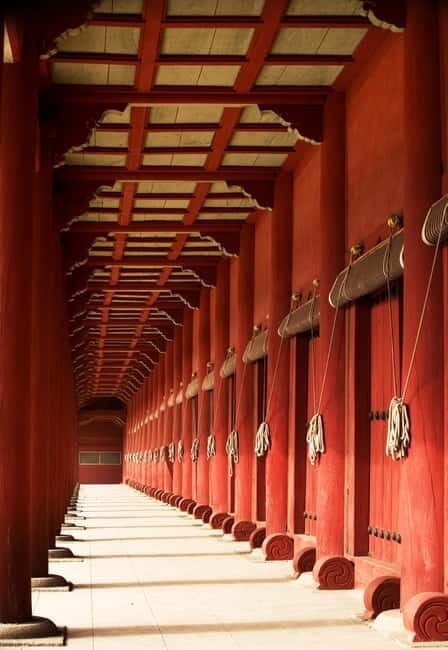
- Jongmyo Royal Shrine: UNESCO ancestral rites site where kings once honored past monarchs
- Weekday swaps: Tuesday swaps Jongmyo for Insa-dong; Monday swaps Changdeokgung for Gyeongbokgung
- Changdeokgung Palace: famous palace gardens and a royal residence feel that’s easy to picture
- Cheongha Korea Ginseng stop: a quick context stop on East Asian medicine and ginseng’s role
- Suwon Hwaseong Fortress: late-1700s engineering plus a royal travel residence at Hwaseong Haenggung
Why this palace-and-shrine route makes sense fast
If you want Seoul history without the planning headache, this kind of day works. Instead of bouncing between points on your own, you follow a tight route built around UNESCO sites that each show a different side of Korean royal culture.
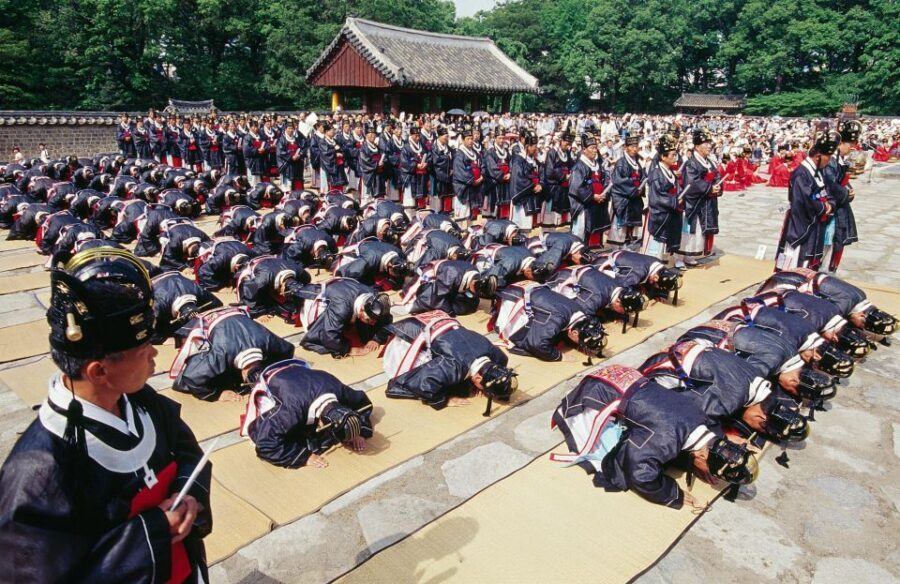
You start with Bukchon’s hanok setting, then move into ceremony at Jongmyo, and finish with royal architecture at Changdeokgung. After that, you leave Seoul proper and still keep the theme going at Suwon’s UNESCO fortress. That structure matters because your brain can actually keep track of what you’re seeing.
You can also read our reviews of more tours and experiences in Seoul.
Bukchon Hanok Village in the morning: more than just pretty streets
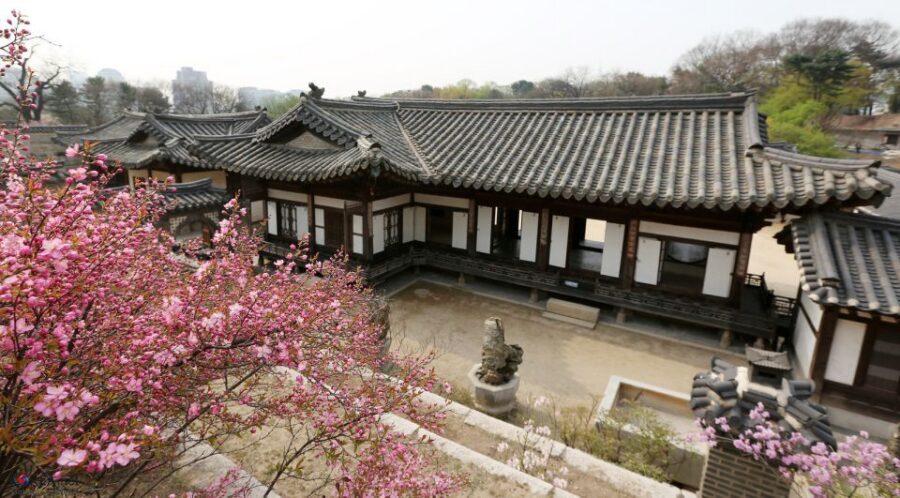
Bukchon is the kind of place where you don’t just look—you start noticing details. The traditional houses (hanok) line the streets with the mix of curves, tiled roofs, and narrow lanes that make it feel like a living neighborhood, not a theme park.
Your guide brings the day’s itinerary into focus as you stroll. It’s also where you’ll get those easy, high-reward photos because the streets give you repeated angles: straight shot between houses, rooflines against the sky, and doorways that feel like they belong in a story. Many hanok have been turned into cafés and cultural centers, so if you want a break or a small snack, the area is set up for it.
Two timing notes you should care about:
- If Bukchon Hanok Village is closed, the tour swaps to Namsangol Hanok Village, so you still get the hanok experience.
- This is typically your best moment for photos before the day gets crowded.
Jongmyo Royal Shrine: the calm power of ancestral rites
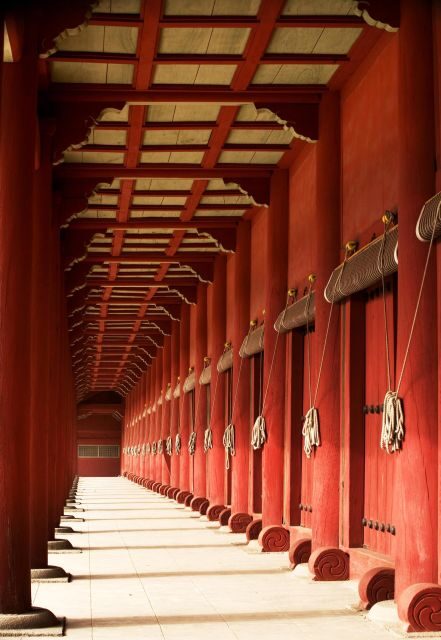
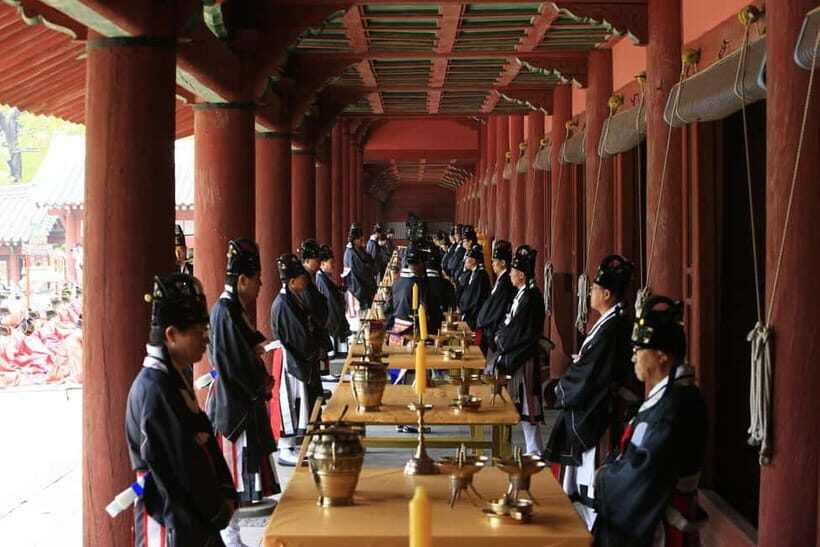
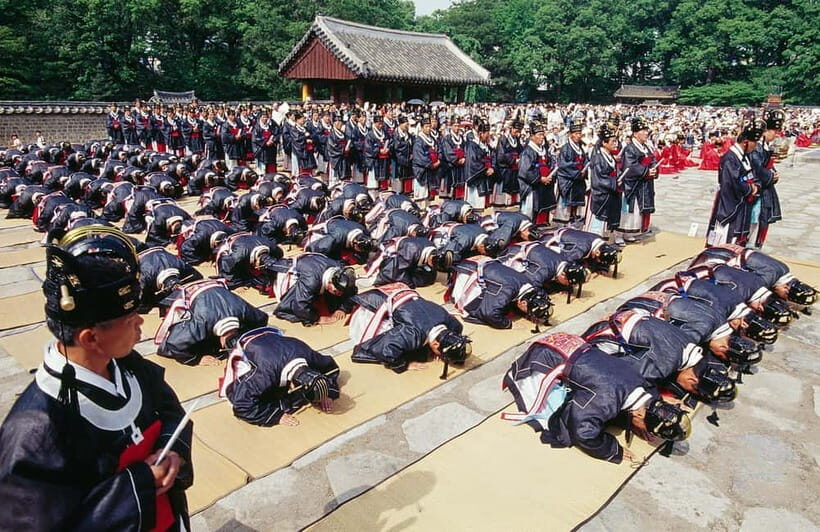
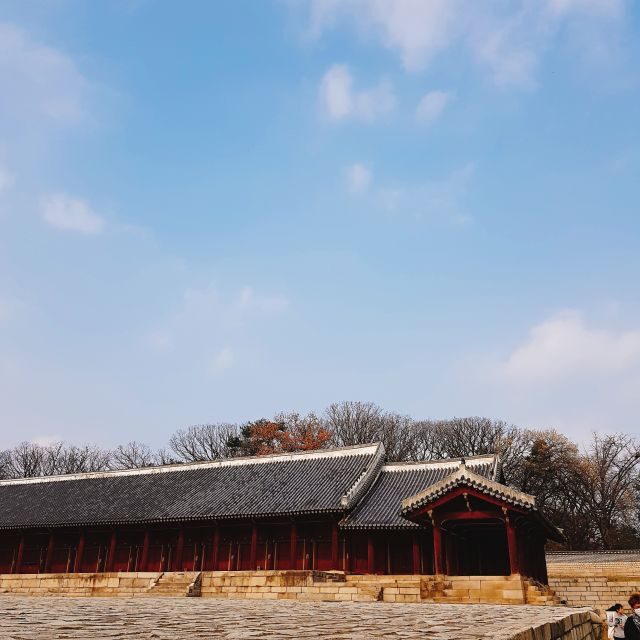
Jongmyo Royal Shrine is where the pace slows for a different reason: it’s tied to royal ancestral rites, and the site is treated as sacred. The shrine was built centuries ago for ceremonies honoring the spirits of kings, and historically it was a place where Korean monarchs came to pay respect to past rulers.
What I like about this stop is the way it changes what you think a palace day means. Changdeokgung is about residence and gardens; Jongmyo is about remembrance and ritual. Even if you only catch a portion of the cultural programming, it’s built for the idea that ceremony is part of governance.
Important practical detail: Jongmyo is closed on Tuesdays. On those days, the tour replaces it with a guided walk through Insadong Culture Street, known for antique shops, galleries, and traditional tea houses. If you’re visiting on a Tuesday, plan on more shopping and streetscape time than shrine time.
Changdeokgung Palace (and what changes on Mondays)
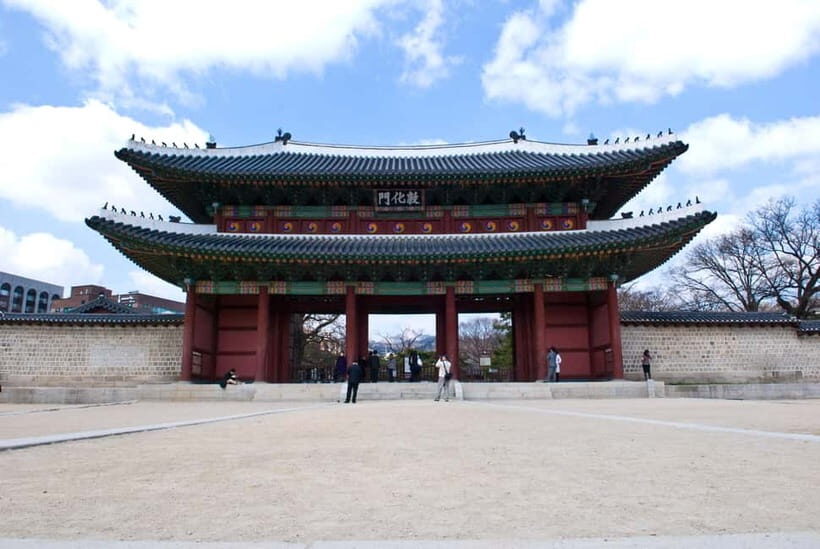
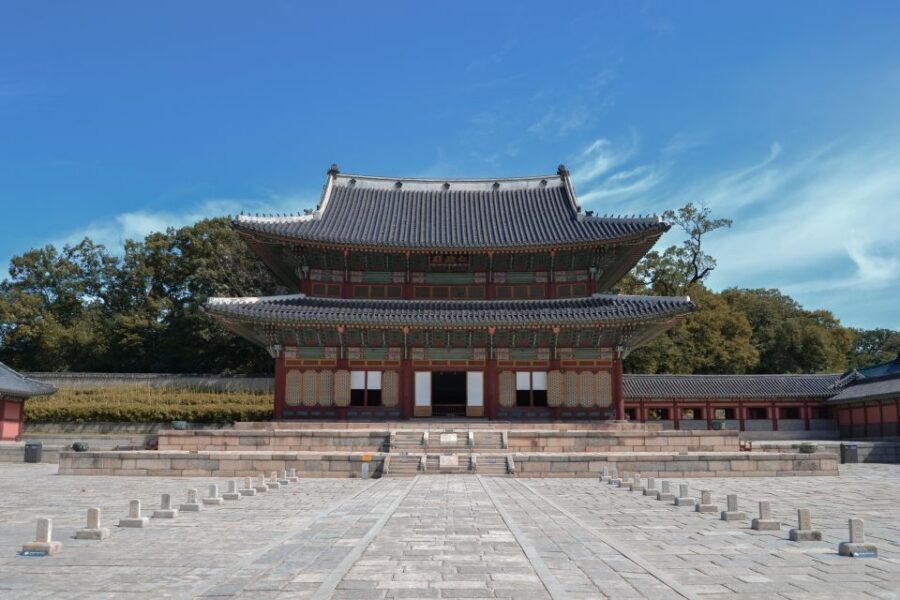
Changdeokgung Palace is one of the big-ticket UNESCO sites, and for a good reason: it’s tied to royal life for hundreds of years and known for its layout and especially for the gardens. The palace feel isn’t just walls and halls—you’re also seeing the design logic of traditional Korean aesthetics through landscaping.
Your guide helps you read the place. Instead of wandering with a vague sense of grandness, you learn why certain areas mattered, and how the architecture connects to the role the palace played. You’ll likely spend time in areas where the gardens and buildings work together, so even photos make more sense.
One weekday swap you should know:
- On Mondays, Changdeokgung is replaced with Gyeongbokgung Palace.
That’s actually helpful. It means you still get an important palace complex even if the primary one isn’t available that day.
Tuesday or closure days: Insadong and Namsangol swaps
This tour is designed for real-world scheduling changes. That’s not glamorous, but it’s practical, and it keeps your day from turning into a disappointment.
Here’s what to remember:
- Tuesdays: Jongmyo becomes Insadong Culture Street (antique shops, galleries, traditional tea houses).
- If Bukchon Hanok Village is closed: you’ll go to Namsangol Hanok Village instead.
If you care about your day matching a specific photo list, it’s worth double-checking your itinerary email from the local partner a few days before departure. The exact meeting point is confirmed by email, so don’t rely on memory or screenshots.

Cheongha Korea Ginseng: a short stop with real context
After the palace visits, you stop at Cheongha Korea Ginseng. This isn’t presented as a random detour. You’ll learn how ginseng has been part of East Asian medicine for a very long time and how Korean ginseng is especially valued for adaptogenic properties—often described as supporting the body’s ability to handle stress.
Is it a sales stop? It’s inside a ginseng context, so you may see products and promotional materials. But the best part is that your guide gives historical framing first, which helps you understand why ginseng shows up so often in Korean everyday culture.
If you don’t like shopping-related stops, you can still approach it as a quick cultural lesson. Use the time for questions, then decide how much you want to browse.
Lunch break: plan on paying for food
Lunch is provided as a break in the schedule, but meal cost isn’t included in the tour price. That’s a normal setup for tours in Seoul, and it’s actually fine because you can choose what fits your stomach and your dietary preferences once you’re on the ground.
If you’re the type who likes control, take a breath before ordering. You’ll be on your feet again later for Suwon, so don’t go for the heaviest thing you can find. A practical move is to eat something filling but not slow to digest, then save room for afternoon walking.
Suwon Hwaseong Fortress: UNESCO engineering you can actually picture
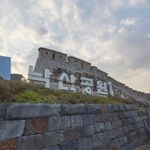
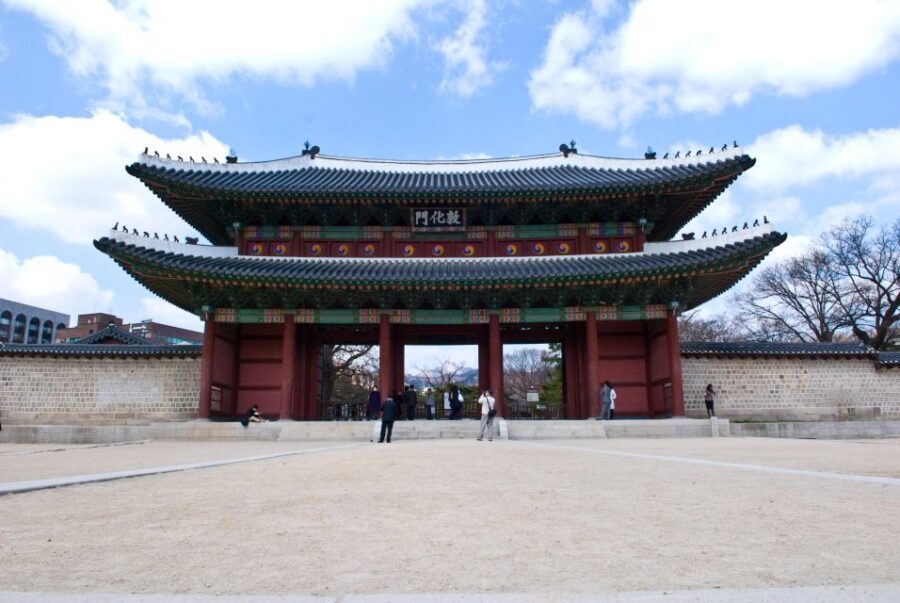
Suwon is where this tour earns its second UNESCO badge. Hwaseong Fortress is a UNESCO World Heritage Site and is known for advanced military engineering from the late 18th century. This is not just a wall view—it’s a whole system of design and defensive planning you can sense when you walk the area.
You also visit Hwaseong Haenggung Palace, a temporary residence used by kings when traveling outside the capital. That pairing matters because it links the fortress to real royal movement and logistics, not just stonework.
If palace days can sometimes feel like repeating the same type of building, this part breaks the pattern. You get the bigger-picture sense of how state power worked on the ground.
Getting back to Myeongdong: a convenient finish
The end of the tour brings you back to Seoul with drop-off in Myeongdong, near the subway station. That’s a smart way to finish because Myeongdong is loaded with places to eat and shop, so you’re not stuck hunting for dinner after a long day.
The meeting logistics are also straightforward:
- Start at 08:30 am at the meeting point outside exit #10 of Myeong-dong subway station.
- The tour includes van transfer and a driver, plus entrance fees and a professional guide.
This matters because getting between sites in Seoul can eat time. Here, that time cost is managed.
Price and value: what $36 gets you (and what it doesn’t)
At $36 per person, this tour is priced like a practical bargain compared to the effort of arranging transport, tickets, and a coherent route yourself. Entrance fees and guided service are included, and the van transfer covers the big jump between Seoul and Suwon.
What you should budget for:
- Lunch (the break is included, but the meal itself isn’t)
- Any personal purchases you choose to make, like ginseng products or snacks during the day
Also keep in mind it’s not suitable for wheelchair users, and the tour is rain or shine. If you hate wet-day walking, bring layers and shoes you can trust.
Guide quality: clear English, lots of photos, and real curiosity
One of the strongest reasons to book this tour is the human factor. You’ll spend hours with your guide, so their pace and clarity matter more than most people expect.
From the guide styles represented on this tour, you can count on:
- strong English explanations of Korean history and culture
- a friendly approach (including taking photos for the group)
- an ability to make architectural details feel understandable instead of overwhelming
If you’re a first-timer, that’s huge. Palace names and shrine terms can start blurring together fast. A good guide helps you keep each place in its own lane.
Who this tour fits best
I’d recommend it if you:
- want a guided route through major UNESCO sites without planning stress
- enjoy history, architecture, and the logic behind royal spaces
- like having built-in replacements for closures so your day still runs
I’d think twice if you:
- dislike long walking days
- need full independence on meals and breaks
- require wheelchair-friendly access
This is best treated as a serious sight-focused day, not a slow café tour.
Should you book it?
Yes, if you want strong value and an efficient UNESCO day. The combination of Bukchon, Jongmyo, Changdeokgung (or the Monday swap), plus Suwon’s Hwaseong Fortress is a lot to pack in, but the route is built around connections—ritual, residence, and state power.
If you’re going on a Tuesday, go in expecting Insadong instead of Jongmyo, and treat it as a streets-and-tea-houses day. If you’re going on a Monday, you’ll still hit a major palace, just a different one. Either way, the structure keeps your time moving.
FAQ
What UNESCO sites are included on this tour?
The tour includes Changdeokgung Palace and Jongmyo Shrine in Seoul, and Suwon Hwaseong Fortress (a UNESCO site in the afternoon).
What happens on Tuesdays?
On Tuesdays, the Jongmyo Shrine visit is replaced with a guided tour of Insadong Culture Street with antiques, galleries, and traditional tea houses.
What happens on Mondays?
On Mondays, Changdeokgung Palace is replaced by a visit to Gyeongbokgung Palace.
Where do I meet the tour, and when?
You meet at 08:30 am outside exit #10 of Myeong-dong subway station.
Where does the tour end?
The tour ends back in Seoul with drop-off in Myeongdong, near the subway station area.
Is lunch included in the price?
Lunch is a break during the tour, but the meal cost is not included in the tour price.
What’s included versus not included?
Included: entrance fees, a professional guide, and van transfer with a driver. Not included: meals and hotel pickup or hotel drop-off.
Can I cancel and get a refund?
Yes. You can cancel up to 24 hours in advance for a full refund.
Is this tour accessible for wheelchair users?
No, it’s not suitable for wheelchair users.