REVIEW · SEOUL
Seoul Food: Banchan, Bibimbap, and Beyond
Book on Viator →Operated by Culinary Backstreets Walks · Bookable on Viator
Food maps Seoul faster than any museum. This 5-hour walk ties together big Seoul landmarks in Jongno and Dongdaemun with the small-plate logic behind banchan and the comfort-mixing idea of bibimbap. You’ll follow a route that makes Korea’s habit of borrowing influences and remixing them feel practical, not just poetic.
What I like most is the way the tour teaches you to taste: multiple dishes come with context, so banchan stops feeling random and bibimbap starts feeling like a system. I also love the guide experience—Eunice comes up again and again for being warm, engaging, and witty, with clear explanations of how history shapes what ends up on the table, plus a pace that lets you actually enjoy each stop.
One possible drawback: it’s a walking-focused day across several major sights, including outdoor stretches like the Cheonggyecheon area. If you prefer lots of indoor sightseeing or minimal walking, plan for a steady stroll and some standing time.
In This Review
- Key things I’d mark on your Seoul map
- A 5-hour Seoul Food walk built around banchan and bibimbap
- Price and what $195 buys you in real terms
- Starting at JW Marriott Dongdaemun Square and ending back where you began
- Dongdaemun Gate at Heunginjimun: history that sets up how Korea eats
- Dongdaemun Design Plaza: Zaha Hadid architecture with a “reinvention” theme
- Cheonggyecheon Stream: a peaceful pause before palace and hanok lanes
- Gyeongbokgung Palace: Joseon-era power, and why the guide’s history matters
- Bukchon Hanok Village: narrow alleys, preserved homes, and the feel of everyday Seoul
- What you’ll eat: banchan, bibimbap, chicken noodle soup, Korean beef, and more
- Why Eunice’s style makes this tour better than a basic food run
- Value check: free sights plus dinner and snacks makes it feel like a full day
- Who this is best for (and who might want a different format)
- Should you book Seoul Food: Banchan, Bibimbap, and Beyond?
- FAQ
- How long is the Seoul Food tour?
- Where does the tour start and end?
- What’s included in the price?
- Is private transportation included?
- Are the main sights admission tickets included?
- Is it a private tour or a group tour?
- Do I need a printed ticket?
- What kinds of food should I expect?
- Can I cancel for a full refund?
- Is the tour suitable for most travelers?
Key things I’d mark on your Seoul map
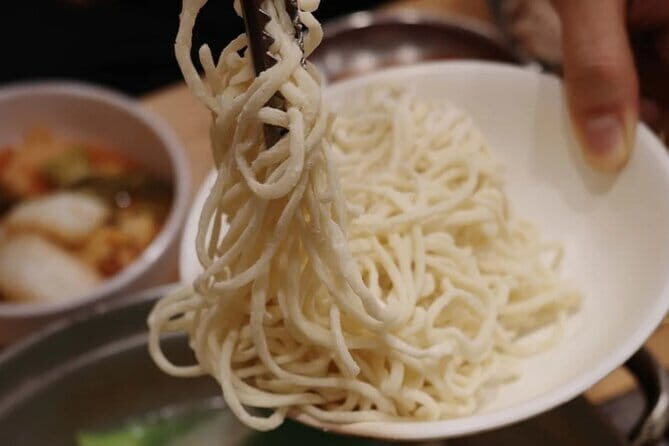
- Banchan-and-bibimbap focus, not just random eating so you understand why the food works the way it does
- Eunice-led cultural explanations that connect history to cuisine (and keep the tour fun)
- Landmark stops with free admission included (gate, design plaza, stream, palace, hanok village)
- Dinner, snacks, bottled water, and alcoholic beverages included for a full food outing
- A private feel with only your group so questions and tastes stay personal
A 5-hour Seoul Food walk built around banchan and bibimbap
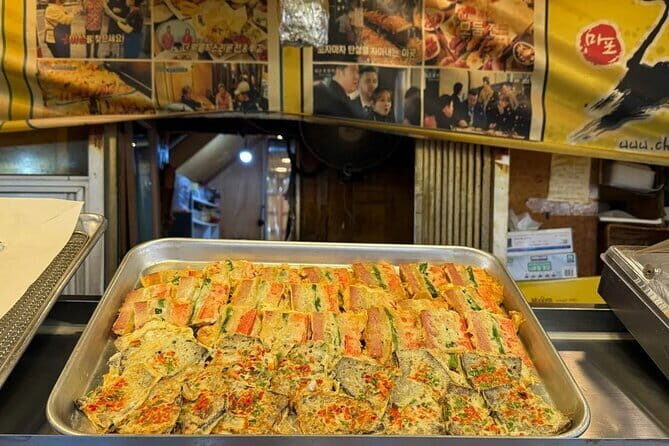
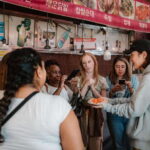
This tour is built like a tasting lesson. Instead of treating Korean food as one big meal at one restaurant, you get the rhythm of how Koreans eat: small plates first, then a main that pulls flavors together, and plenty of chances to compare tastes along the way.
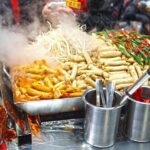
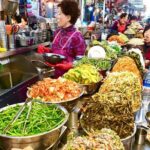
The title says banchan and bibimbap for a reason. Banchan is the Korean answer to variety and balance—salty, sour, crunchy, spicy, and savory in one spread. Bibimbap is the logic-maker: rice plus toppings plus sauce, all mixed into something that’s equal parts comfort and strategy. You’ll come away understanding that these foods aren’t just popular—they’re practical.
And the pricing supports that format. You’re not just paying for a stroll and a couple bites; you’re paying for a guided, structured day where meals and drinks are included. That matters in Seoul, where eating out can add up fast once you go past the basics.
You can also read our reviews of more food & drink experiences in Seoul
Price and what $195 buys you in real terms
At $195 per person for about 5 hours, the value comes from the package, not the headline price. Your inclusion list is doing the heavy lifting:
- Licensed guide
- Dinner
- Snacks
- Bottled water
- Alcoholic beverages
That’s a lot of “you don’t have to think about it” coverage. You can focus on tasting and asking questions instead of budgeting every stop. Also, the major sights on the plan show admission tickets as free, which helps keep the day feeling like a full experience rather than a mix-and-match wishlist.
The one notable gap: private transportation isn’t included. That doesn’t make the tour bad—it just means you should expect walking and/or using public transit to get around the city between stops.
Starting at JW Marriott Dongdaemun Square and ending back where you began
The tour starts at 1:00 pm at JW Marriott Dongdaemun Square Seoul, 279 Cheonggyecheon-ro, Jongno District, Seoul. It ends back at the meeting point, so you’re not stuck figuring out a second end location.
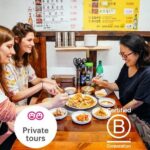
The plan also notes mobile tickets, and the tour operates as a private tour/activity for your group. A private format is great for food tours because pacing is everything: if someone needs a slower moment to process a dish, your guide can adjust on the fly.
One practical tip: start with an appetite and comfortable shoes. Even with planned timing at each stop, you’ll spend real time on your feet—especially near stream areas and in hanok lanes.
Dongdaemun Gate at Heunginjimun: history that sets up how Korea eats
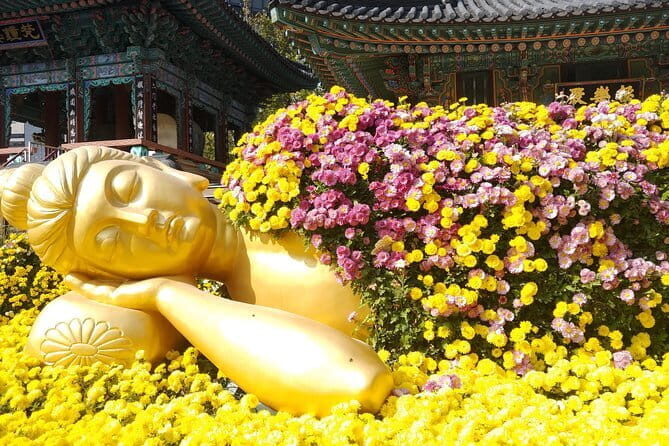
Your day begins at Dongdaemun Gate (Heunginjimun), one of Seoul’s historic “Eight Gates.” Built in the late 14th century, it once served as a main entrance to the city. In other words, this is Seoul’s border between inside and outside—between safety and exchange.
Why does that matter on a food tour? Because Korean cuisine often reflects Seoul’s role as a crossroads. A guide can connect those patterns to today’s food culture: the way flavors travel, adapt, and become distinctly Korean once they land.
This stop is free for admission and timed at about 1 hour. The upside of an early anchor like this is that you get context before you start eating your way through the city.
A small caution: gates and old stone areas are still outdoors. If you’re visiting in harsh weather, bring what you need (sun protection, a light layer, and water—though bottled water is included).
Dongdaemun Design Plaza: Zaha Hadid architecture with a “reinvention” theme
Next comes Dongdaemun Design Plaza (DDP), designed by Zaha Hadid. It’s described as futuristic and open, and in practice it’s one of those places where you instantly see Seoul’s modern face—especially in contrast to the older sites you’ve just visited.
This stop is about 30 minutes and listed with free admission. So you’re not stuck here for hours; it’s more like a reset button between old-world Seoul and the next cultural step.
Even if you’re not an architecture nerd, DDP works well for a food tour because it keeps the tour’s main idea visible: Korea reinvents what it borrows. Food culture does the same thing, and the guide’s explanations help you see the pattern rather than just memorize facts.
You can also read our reviews of more tours and experiences in Seoul

Cheonggyecheon Stream: a peaceful pause before palace and hanok lanes
The Cheonggyecheon Stream segment is designed as a scenic walking route that can feel especially calm at night when lights reflect on the water. Since your day starts at 1:00 pm, the exact feel depends on timing, but the point is the same: you get a breather that isn’t “stand in line and look around.”
This stop is around 1 hour and free. It’s the kind of stop that helps you digest between meals—literally and mentally—because the food portion of the day is built to come in waves.
If you’re sensitive to crowds or want photos, the stream is a smart place to slow down. Just be ready for uneven ground and standing spots that might be popular if the timing lines up with evening.
Gyeongbokgung Palace: Joseon-era power, and why the guide’s history matters
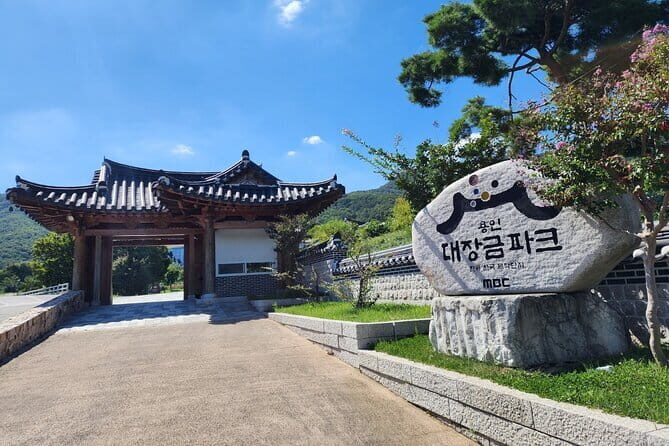
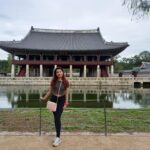
Gyeongbokgung Palace is one of Korea’s most iconic royal palaces and was the main royal palace of the Joseon Dynasty. The plan includes about 1 hour here, with free admission listed.
On a pure sightseeing day, it’s already worth it. On a food day, it adds the missing ingredient: why certain flavors and food customs exist in the first place.
This tour leans hard into history-to-food connections. Eunice is specifically praised for explaining how Korean culture was shaped by history—and how that shaping affects what you end up eating. Even when you’re standing in palace grounds, those stories turn into a way of tasting, not just a lecture.
One consideration: palace grounds can involve a lot of walking and looking up at structures. If you’re more of a “short stop, quick bites” person, plan to stay focused on what your guide points out so the time doesn’t feel stretched.
Bukchon Hanok Village: narrow alleys, preserved homes, and the feel of everyday Seoul
Your final sightseeing stop is Bukchon Hanok Village, a traditional area made up of preserved hanok (traditional Korean houses). The description highlights narrow alleys and great views, which is exactly what makes this area feel like a living neighborhood rather than a museum zone.
This stop is about 30 minutes with free admission listed. That short window is useful on a food tour—you get the atmosphere without running out of energy before the meal finale.
What I like about ending with hanok scenery is the emotional shift. The day starts with defensive history (a gate), then modern reinvention (DDP), then calm (stream), then power (palace), and finally everyday tradition (hanok village). Food fits all those layers.
If you’re traveling with someone who thinks food tours are only about eating, Bukchon helps “sell” the idea that food is part of daily life and place. You don’t just taste Korea—you see the kind of city where those meals belong.
What you’ll eat: banchan, bibimbap, chicken noodle soup, Korean beef, and more
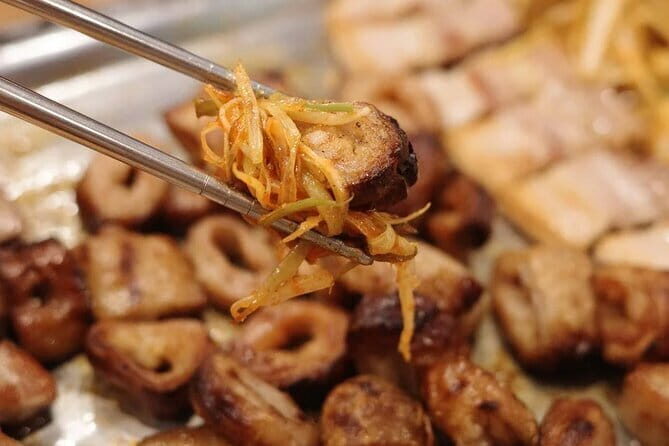
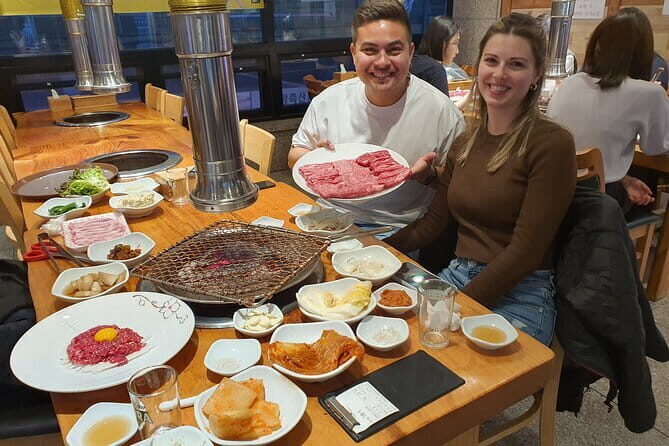
The exact lineup isn’t spelled out stop-by-stop, but the tour concept is clear: you’re here for banchan and bibimbap, plus additional Korean dishes that make the day feel like a real meal circuit.
From the experiences shared, expect a mix that can include:
- Hearty, traditional comfort dishes like chicken noodle soup
- Korean beef served in different styles
- Steak tartare with a standout called magic sauce
- Plenty of small-plate bites described as tasty and plentiful
That range is useful. It shows how Korean flavors can be both straightforward and surprising. It also supports the title’s promise: banchan and bibimbap are anchors, while the “beyond” part helps you see how broad Korean eating is.
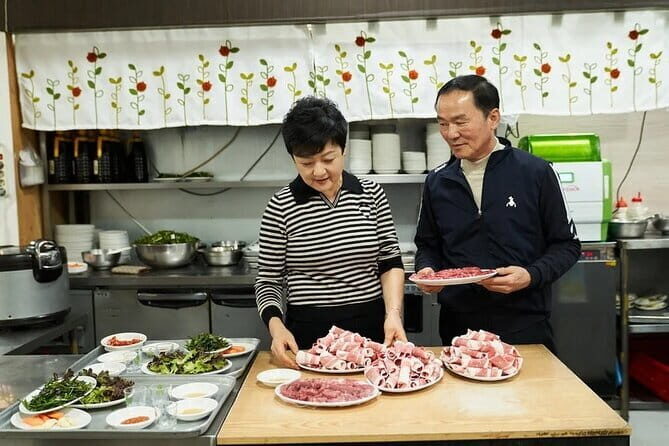
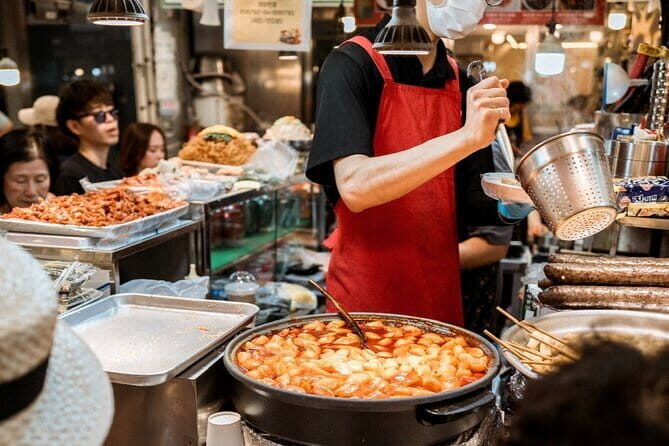
One theme that comes through: eating isn’t treated as a checklist. There’s also mention of meeting people who cook the food and hearing their story. That’s the difference between a food tour that’s just sampling and one that helps you understand how food is made and valued.
If you’re a spice-sensitive eater, go in with honesty when you can. Korean food includes spicy elements, but your guide can steer your choices within the flow of the day. Alcoholic beverages are included, too, so keep in mind your own comfort level with that.
Why Eunice’s style makes this tour better than a basic food run
A food tour lives or dies by the guide’s rhythm and the story thread. Here, that thread is the way Korean food reflects culture and history—and the guide keeps it readable, not stuffy.
Eunice is repeatedly described as:
- Warm and easy to be with
- Witty and engaging
- Good at pace, with enough time between stops to digest and get ready for the next dish
- Strong at explaining how history shaped Korean culture, including how that shaping affects cuisine
That pacing detail is underrated. When a tour rushes, you taste less. When it slows correctly, the flavors actually register. You start noticing the difference between sour and spicy pickles in banchan, or how sauce ties bibimbap together.
Some of the most memorable add-ons in the shared experiences include a record store stop and ending at a tent bar. Those aren’t the kind of details you’d find in a guidebook-only approach. They’re the kind of “this is how locals unwind” moments that make a day feel like a conversation with Seoul, not a performance for tourists.
Value check: free sights plus dinner and snacks makes it feel like a full day
Let’s do the practical math in plain language. You’re paying for:
- Guide time for about 5 hours
- Dinner and snacks, plus bottled water
- Alcoholic beverages
- A route that includes major sights listed with free admission
If you’re paying for a separate palace entry, multiple restaurant meals, and drinks, the cost picture changes fast. Here, the inclusions mean you don’t need to do micro-decisions all day.
The only trade-off is transportation. Since private transportation isn’t included, you’ll rely on walking and public options as needed. If you’re the kind of traveler who likes to plan rides and minimize walking, you might find that part a bit more work than expected.
Still, for most people, the value lands well because you’re buying a structured experience, not just a few bites.
Who this is best for (and who might want a different format)
This is a strong fit if you:
- Want banchan and bibimbap as your foundation, then expand from there
- Like history that connects directly to what you eat
- Enjoy under-the-radar backstreets rather than only big-name photo spots
- Want a guided day that still feels flexible enough to ask questions
It can also be a great choice for a first Seoul trip. The mix of Dongdaemun, Jongno, palaces, and hanok neighborhoods gives you “where am I?” clarity, while the food turns that clarity into something you remember.
It may be less ideal if you:
- Want a sightseeing-only day with minimal walking
- Prefer strictly non-alcoholic outings, since alcoholic beverages are included
- Have very limited mobility and need fully seated, short-stop pacing (the plan notes most travelers can participate, but it doesn’t promise low-walking conditions)
Should you book Seoul Food: Banchan, Bibimbap, and Beyond?
I’d book this tour if you want a Seoul day that’s both edible and explainable. The strongest reason is the combination of real food (with dinner, snacks, and included drinks) and real context through the guide’s history-to-cuisine storytelling—especially with Eunice’s reputation for warmth, wit, and pacing.
Skip it if you only care about landmark photos and don’t want a food-centered itinerary. Also skip or think carefully if you’d rather avoid alcohol entirely, since that’s part of the included package and not presented as optional in the tour details you were given.
If you do book, go in with two goals: learn how banchan works as a spread, and notice how bibimbap comes together when you mix everything into one bite. That’s the “beyond” that makes the day stick.
FAQ
How long is the Seoul Food tour?
The tour runs for about 5 hours.
Where does the tour start and end?
It starts at JW Marriott Dongdaemun Square Seoul, 279 Cheonggyecheon-ro, Jongno District, Seoul, South Korea at 1:00 pm, and it ends back at the meeting point.
What’s included in the price?
The tour includes a licensed guide, alcoholic beverages, bottled water, dinner, and snacks.
Is private transportation included?
No. Private transportation is not included.
Are the main sights admission tickets included?
The listed stops include admission tickets listed as free for the route items provided.
Is it a private tour or a group tour?
It’s a private tour/activity, meaning only your group participates.
Do I need a printed ticket?
No. The tour uses a mobile ticket.
What kinds of food should I expect?
The tour is built around banchan and bibimbap, with additional Korean food tastings that may include dishes mentioned in the shared experiences such as chicken noodle soup, Korean beef, and steak tartare with magic sauce.
Can I cancel for a full refund?
Yes. You can cancel up to 24 hours in advance for a full refund.
Is the tour suitable for most travelers?
The provided details say most travelers can participate, and the meeting point is near public transportation.