REVIEW · SEOUL
Seoul: Small-Group DMZ Tour with North Korea Experience Hall
Book on GetYourGuide →Operated by Seoul N Tour · Bookable on GetYourGuide
A half-day’s worth of facts, in one tense day. This DMZ tour from Seoul pairs big sights like Dora Observatory with a gut-punch stop at the North Korea Experience Hall. I like how the route stays structured, while the guide story-tells in a way that helps it all click.
Two things I really like: the small-group pace (many people report feeling like they got time at each stop), and the human side of the North Korea Experience Hall, including a defector’s story. Guides like Sookhee, Young, BK, and Junie come up repeatedly for their energy and clear English.
One drawback to plan for: there’s often a shopping push at the end, and if that’s not your thing, you’ll want to keep your wallet ready. Also, this trip is not for everyone health-wise, and the day involves walking and standing.
In This Review
- Key Things That Make This DMZ Tour Worth It
- DMZ From Seoul: What This Tour Actually Lets You Understand
- Signature vs Special Course: Why Your Stop List Changes
- The Signature Course (Tuesday to Sunday)
- The Special Course (Mondays, Public holidays, or if Third Tunnel/Dora are closed)
- Pickup, Timing, and How to Plan Your Day Without Stress
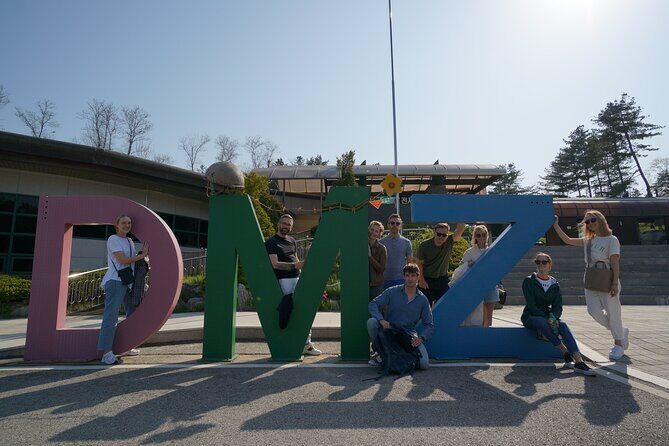
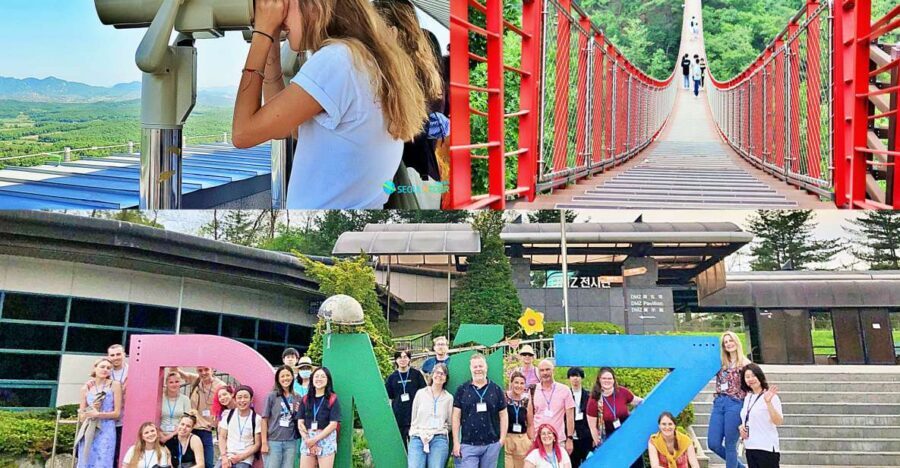
- Imjingak Park and Freedom Bridge: The Emotional Warm-Up
- Imjingak Park (with free time)
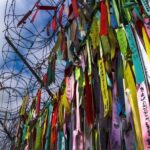
- Freedom Bridge sightseeing
- Mangbaedan and the Guided DMZ Block: When the Day Gets Real
- Mangbaedan (guided tour)
- DMZ zone (guided tour for about 2 hours)
- North Korea Experience Hall: The Stop That Sticks With You
- Dora Observatory and the Third Tunnel: Two Ways to See the Same Tension
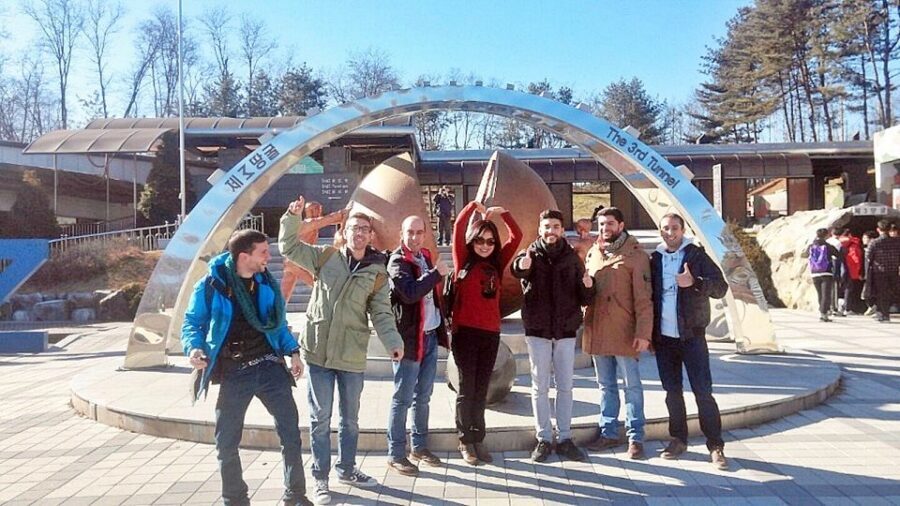
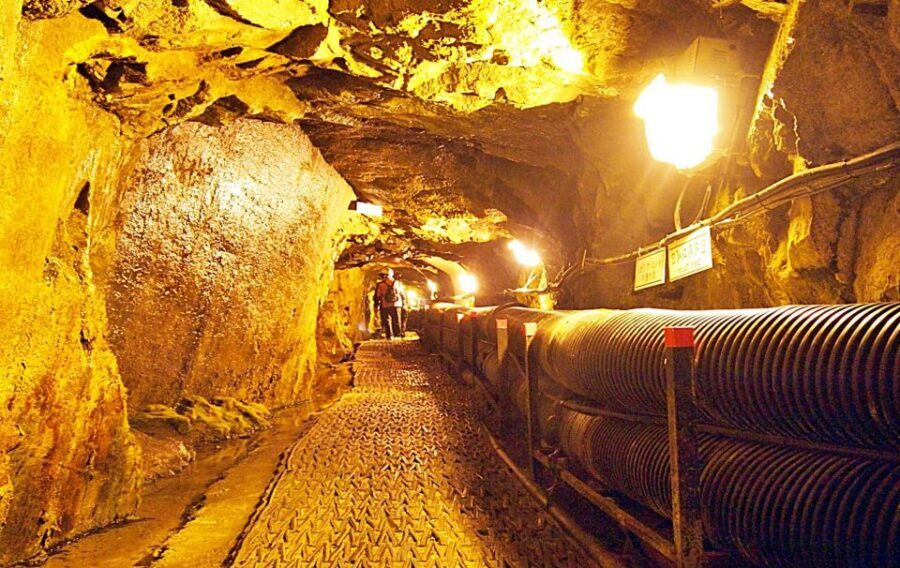
- Third Tunnel of Aggression (guided visit for about 1 hour)
- Dora Observatory (guided tour around 40 minutes)
- Unification Village and the End-of-Day View Break
- Unification Village (guided tour around 30 minutes)
- Gamaksan Suspension Bridge (visit + walk)
- Special Course Stops: Peace Gondola and Gloster Hill When Tunnel/Observatory Are Off
- DMZ Peace Gondola
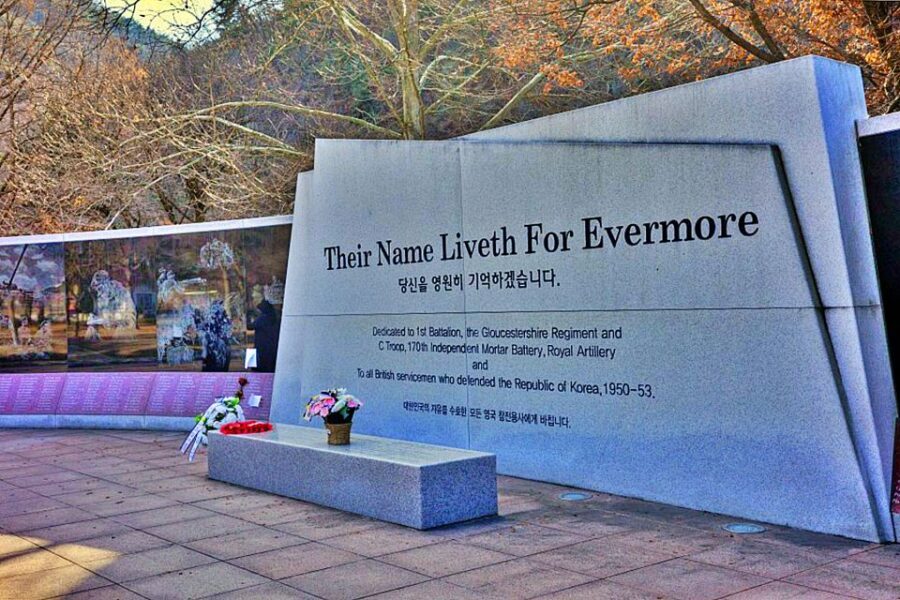
- Gloster Hill Memorial Park
- Price and Value: Is $55 a Good Deal for This Kind of Day?
- Guide Matters: Why People Name Young, Sookhee, BK, and Junie
- Who This DMZ Tour Fits Best (and Who Should Skip It)
- Should You Book This DMZ Tour From Seoul?
- FAQ
- What is the duration of the Seoul DMZ tour?
- Is this DMZ tour available on Mondays and public holidays?
- Do I need a passport?
- Is JSA (Joint Security Area) included?
- What should I wear or bring for the day?
- Can I cancel for a refund?
Key Things That Make This DMZ Tour Worth It
- North Korea Experience Hall adds real-world context through guided storytelling and a defector’s testimony
- Imjingak Park plus Freedom Bridge give you a “start here” picture of division before you reach the restricted zone
- Signature vs Special course changes major sites depending on the day and operating limits
- DMZ time is guided and scheduled—less wandering, more meaning
- Gamaksan Suspension Bridge adds fresh air and a view break at the end
- Guides matter a lot, with Sookhee, Young, BK, and Junie repeatedly praised for clarity and care
DMZ From Seoul: What This Tour Actually Lets You Understand
A DMZ day trip can easily turn into a checklist. This one aims for something steadier: you move from symbols of division to the specific places that shape how people live—and think—on both sides of the border. The value is not just where you go, but how you’re guided to connect the dots.
You’ll also get a rare mix of places: memorial-style stops, viewpoints, and the kind of “you can’t unsee it” installations at the North Korea Experience Hall. The route is designed so you’re not thrown into the most intense sights without context first.
And yes, the day can feel weighty. But the tone is usually controlled by the guide—guides like Young and Sookhee are repeatedly credited for handling heavy topics with clarity. That matters, because you’ll remember the facts longer when they’re explained in a human way.
You can also read our reviews of more tours and experiences in Seoul.
Signature vs Special Course: Why Your Stop List Changes
This is a 365-day DMZ tour, year-round. What you see depends on the day:
The Signature Course (Tuesday to Sunday)
This is the most common full route. You can expect the North Korea Experience Hall, Imjingak Park, Dora Observatory, the Third Tunnel of Aggression, and the Suspension Bridge (plus other guided sites like Mangbaedan and Unification Village).
Why it’s worth it: the Signature route gives you a “system” of sights—memorials and viewpoints, then physical structures that tell a different kind of story (engineering, intrusion, and military intent).
The Special Course (Mondays, Public holidays, or if Third Tunnel/Dora are closed)
On Mondays and public holidays, or when certain sites can’t be visited, the route shifts. You still get North Korea Experience Hall and Imjingak Park, but Dora Observatory and the Third Tunnel are replaced with DMZ Peace Gondola and Gloster Hill Memorial Park (while still ending at the Suspension Bridge).
Why this can be a great choice: you still get the meaning. You just trade specific tunnel/observatory time for other vantage points and memorial context.
Pickup, Timing, and How to Plan Your Day Without Stress
The tour runs 8 to 10 hours, which is long enough to feel like a real outing—not a quick drive-by. You’ll be picked up from multiple Seoul-area options (several subway exits and hotels). The important practical note: the pickup time on your voucher isn’t the actual pickup moment. You’ll get the exact pickup details by email 1 day before, so check spam just in case.
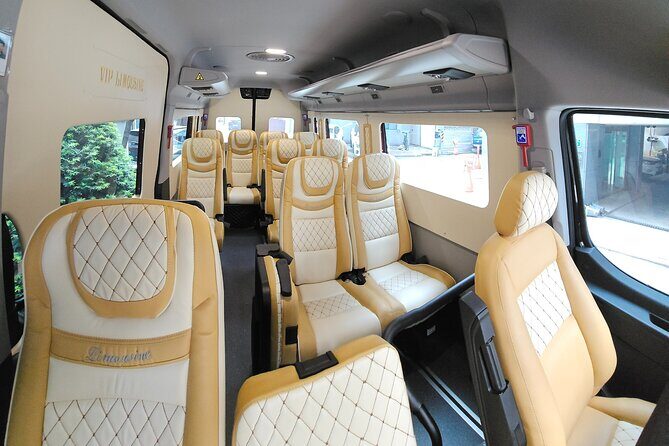
There’s also a big transport rhythm to expect. In the middle of the day, you’ll be on a coach for a stretch, then you’ll jump into guided blocks at each stop. That pacing is one reason small-group tours usually feel better here: you spend less time waiting around, and more time hearing the guide explain what you’re actually looking at.
If you want the most from the day, plan for:
- Passport in hand (this is required)
- Comfortable shoes you can stand and walk in for hours
- A mind-set that this is not a laid-back photo stroll



Imjingak Park and Freedom Bridge: The Emotional Warm-Up
Most people need a primer before the most restricted DMZ area. That’s exactly what the opening sequence does.
Imjingak Park (with free time)
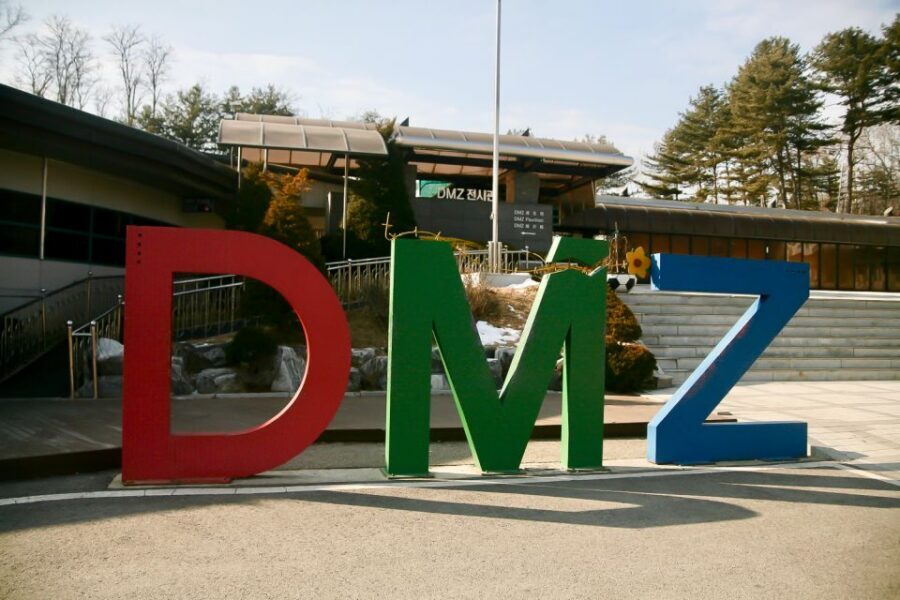
Imjingak Park is your orientation stop. You’ll get guided context, but you’ll also have about 1 hour of free time, which is a gift in a tour day this structured. Use that block to slow down, look carefully, and let the “division” theme sink in before the day gets more intense.
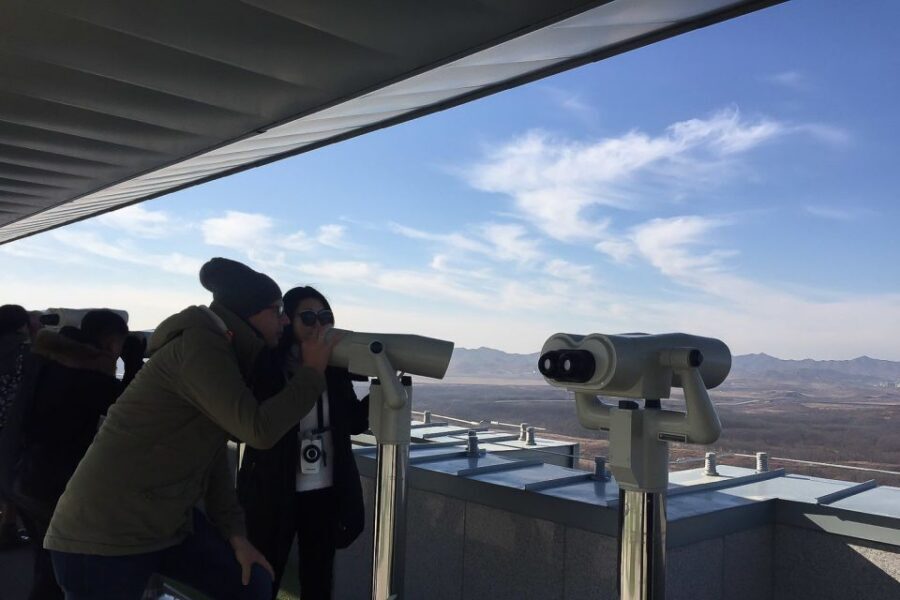
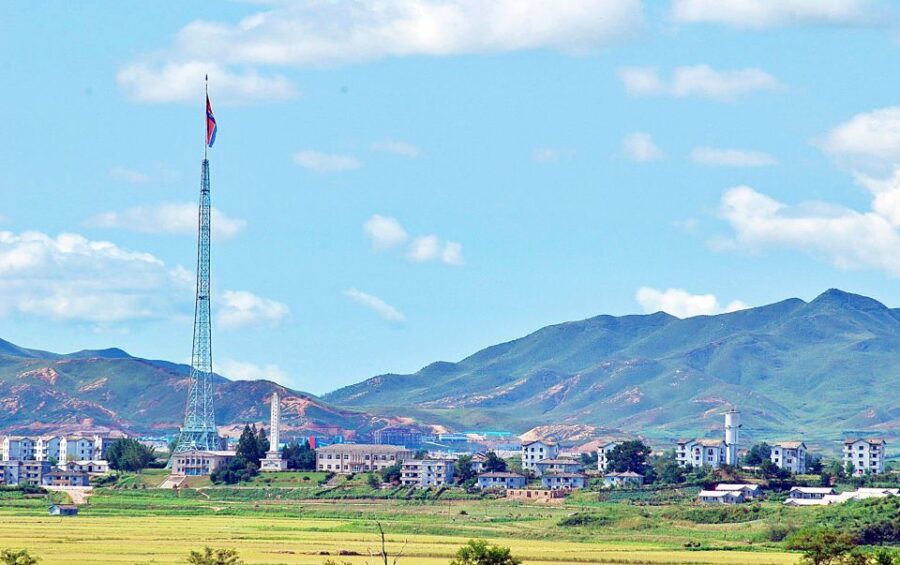
You’ll get views of North Korea from certain vantage points in this area, and that alone can be a mind-shift. Even when you already know the history, seeing how close things are—at least visually—makes the reality feel more immediate.
Freedom Bridge sightseeing
Then comes the Freedom Bridge area, designed for viewing. It’s the kind of stop where you’ll notice how much of the border story is about symbols, distance, and the idea of what never happened.
Practical drawback: on rainy or icy days, walking can be slower. Bring shoes you trust.
Mangbaedan and the Guided DMZ Block: When the Day Gets Real
After the opening, the tour shifts into more guided, more “here’s what this means” mode.
Mangbaedan (guided tour)
This is a guided stop, so don’t treat it like a quick rest stop. Expect the guide to connect the location to the broader DMZ story: how the Korean peninsula was cut, how people were affected, and why certain places became important markers.
DMZ zone (guided tour for about 2 hours)
This is the heart of the day: you’ll spend about 2 hours in the DMZ zone with a guide. That time matters. Without guidance, DMZ sites can blur into “interesting viewpoints.” With guidance, you get a timeline and a logic.
In plain terms: the guide helps you move from visual impressions to understanding why each site exists. That’s also where the storytelling tone really counts, because you’re learning about conflict and separation, not just geography.
North Korea Experience Hall: The Stop That Sticks With You
If you only care about photos, you’ll still take photos here. But the bigger impact is what you’ll hear and how it’s framed.
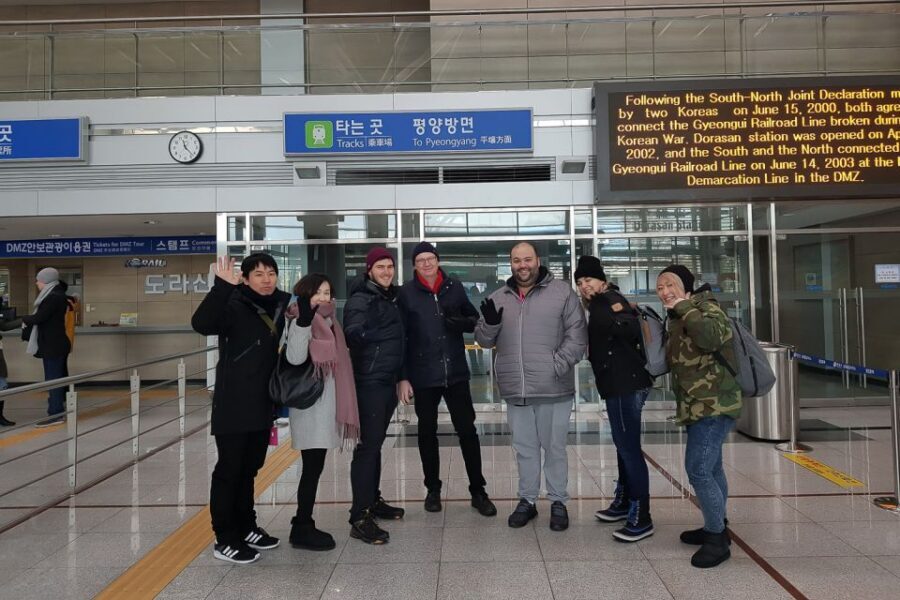
The North Korea Experience Hall includes immersive storytelling and a defector’s story/testimony. This is one of the most highly praised parts of the experience because it makes the DMZ feel less like a political concept and more like lived experience.
Guides like Sookhee and Junie are repeatedly mentioned for how they tell the story—explaining complex events with both clarity and sensitivity. People often point out that it helps make the stories feel real, not abstract.
What you should expect inside:
- Guided interpretation tied to the sites you’ve seen and the sites you’ll see next
- A heavier, more reflective atmosphere than the outdoor viewpoints
- A moment where your understanding shifts from “I learned history” to “I get what it meant for people”
If you’re worried about emotional impact, this is the part to mentally prepare for. It’s not entertainment. It’s explanation with weight.
Dora Observatory and the Third Tunnel: Two Ways to See the Same Tension
On the Signature route, you typically hit both the Third Tunnel of Aggression and Dora Observatory, and that combo is one reason people say the day feels complete.
Third Tunnel of Aggression (guided visit for about 1 hour)
You’ll visit the tunnel with a guide. Even if you’re not a “tunnel person,” this stop changes the mood because it’s physical evidence of intent. It’s also the kind of site that can trigger anxiety for some people, especially those with claustrophobia or respiratory concerns.
So, if claustrophobia is a concern, take the warning seriously—this tour explicitly says it’s not a good fit for people with claustrophobia and certain health issues.
Dora Observatory (guided tour around 40 minutes)
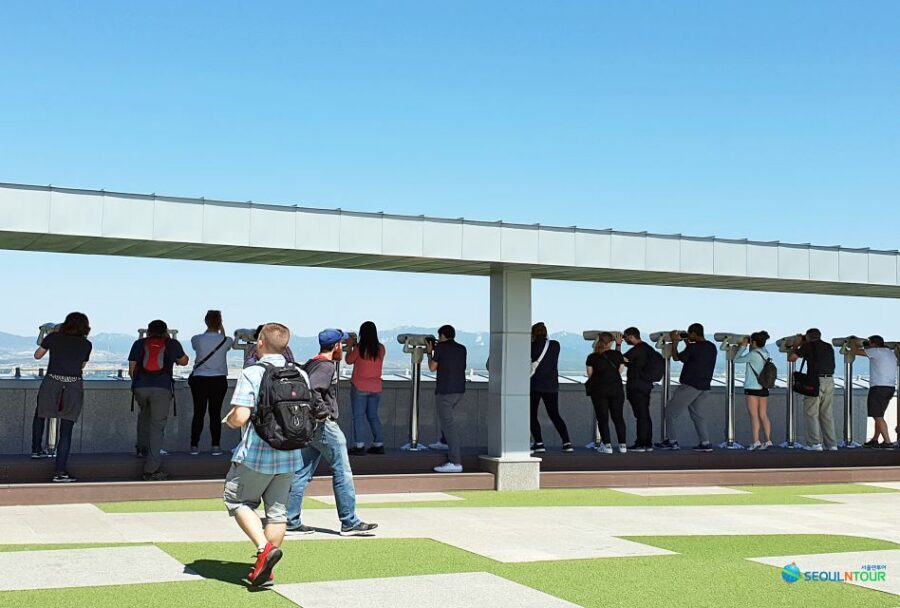
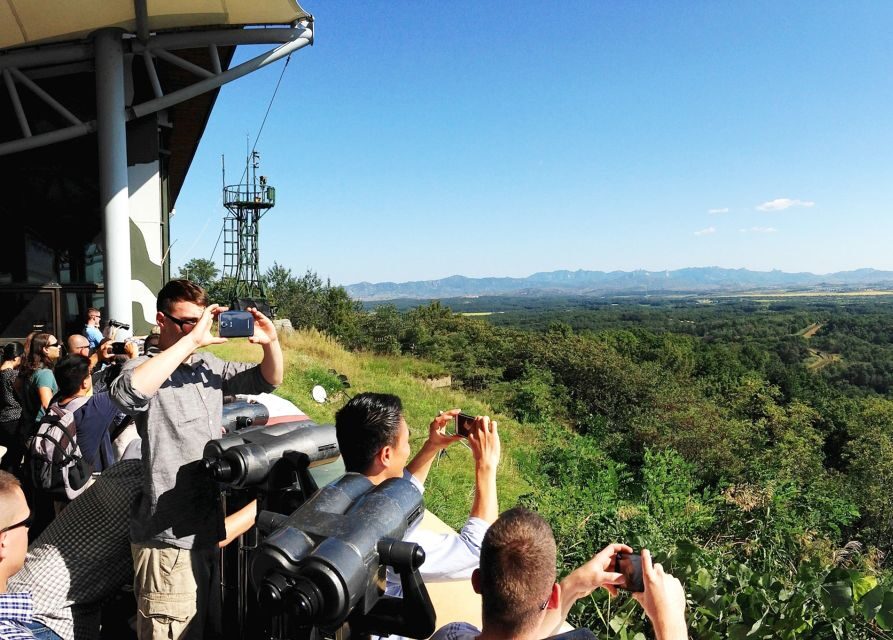
Dora Observatory is your elevated viewpoint for observing and understanding. It’s shorter than the tunnel, but the time is guided, so you’ll learn what to look for and why this vantage point mattered.
A practical note: weather can limit what you can see. Clear days usually feel more rewarding for views, while fog or rain can turn “see far” into “see less.” Still, the guided context keeps it meaningful either way.
Unification Village and the End-of-Day View Break
Unification Village (guided tour around 30 minutes)
This stop rounds out the day with the “what happens next” flavor—though you should expect that it stays grounded in what’s possible now, not in wishful storytelling. The guided time here is short, but it helps connect the border world to the broader idea of reunification.
Gamaksan Suspension Bridge (visit + walk)
Then you transition to a lighter note: Gamaksan Suspension Bridge. You’ll have time to visit and walk on the bridge. This is a popular reset after the intensity of the DMZ zone.
Two practical realities:
- If it’s wet or snowy, the bridge can feel slippery. Plan slow steps and watch your footing.
- This tour includes people who enjoy views, but it also includes people who just want fresh air at the end. Either way, it’s a good “breather” close to returning.
Special Course Stops: Peace Gondola and Gloster Hill When Tunnel/Observatory Are Off
When the Signature route can’t run the Third Tunnel and Dora Observatory, the Special course swaps in different sites.
DMZ Peace Gondola
This is a replacement that still keeps the day focused on movement and vantage points. You’ll get a guided explanation, and the route remains structured—so you won’t feel like you lost the main event; you’ll just see it from a different angle.
Gloster Hill Memorial Park
A memorial stop changes the tone. Instead of physical structures like tunnels, you get a site that emphasizes remembrance and the human cost. If you’re someone who likes reflection as part of learning, this pairing can work really well.
You still finish with the Suspension Bridge, so the day doesn’t end in a heavy mood.
Price and Value: Is $55 a Good Deal for This Kind of Day?
At about $55 per person, this tour is priced for what you’re actually getting: transportation, a live English guide, and entrance fees included. You’ll also cover multiple DMZ-adjacent sites that would be hard to assemble yourself in a single day with guided context.
Two reasons it can feel like good value:
- You’re paying for interpretation, not just admission. The hall and the DMZ-zone guidance are where the meaning happens.
- Small-group format can mean less time standing around and more time hearing the explanation.
What you should budget for separately:
- Lunch isn’t included, so factor in a meal plan.
- If you’re sensitive to shopping pressure, know there may be a stop that nudges souvenir purchases. That’s optional in practice, but it’s part of the schedule.
In the end, this is not a bargain vacation hack. It’s a focused, adult day trip. If that matches your travel style, the price makes sense.
Guide Matters: Why People Name Young, Sookhee, BK, and Junie
The most praised element across the experience is the guide. Not in a vague way. People mention specific qualities: clear English, strong knowledge, good energy, and a sense of humor that keeps the day from collapsing under its own weight.
Guides like Sookhee and Young are praised for explaining history and current political situation in ways that land emotionally without getting sloppy. Others, including BK and Junie, are credited for being attentive and even helping with photos—useful if you don’t want to play phone photographer all day.
If you want to maximize value, do this: listen for how the guide connects each stop. The best guides treat the day like a story with a beginning, middle, and emotional ending. When it works, you leave with a mental map you can explain to friends.
Who This DMZ Tour Fits Best (and Who Should Skip It)
This tour makes specific suitability calls. You should take them seriously because safety and comfort are real issues here.
Best fit:
- You want a guided, structured DMZ day with both outdoor viewpoints and indoor context
- You’re okay with standing/walking, and you can handle a long day
- You like history explained through human stories, not just dates
Skip it (or choose another option) if:
- You’re pregnant or have serious medical conditions
- You have back problems, heart problems, high blood pressure, respiratory issues, or you use a wheelchair/walker
- You have claustrophobia (the tunnel stop is a problem for some people)
- You’re afraid of heights (the suspension bridge may feel challenging)
- You’re over 75 years
If you’re on the fence because of medical concerns, the tour’s own guidance is clear: it’s not recommended for a range of conditions. When in doubt, ask your doctor first.
Should You Book This DMZ Tour From Seoul?
If you want the DMZ in one day with a guide who helps you connect the dots, I think this is a smart booking. The North Korea Experience Hall is the pivot point, and the Signature vs Special routes let you get a full experience even when certain sites are closed. The small-group feel also helps you actually absorb what you’re seeing instead of rushing through.
I’d only hesitate if:
- You dislike shopping stops and hate any time pressure around souvenirs
- You need a fully accessible, low-walking day
- You’re worried about tunnels or emotional content
If your goal is understanding—not just sightseeing—this tour is built for that.
FAQ
What is the duration of the Seoul DMZ tour?
The tour runs about 8 to 10 hours.
Is this DMZ tour available on Mondays and public holidays?
Yes. It operates year-round with a Special course on Mondays and public holidays.
Do I need a passport?
Yes, a passport is required.
Is JSA (Joint Security Area) included?
No. JSA is not included on this tour.
What should I wear or bring for the day?
Bring comfortable shoes and your passport. High-heeled shoes, sandals/flip flops are not allowed.
Can I cancel for a refund?
Yes. You can cancel up to 24 hours in advance for a full refund.