REVIEW · SEOUL
Small-Group DMZ Tour w/ North Korea Experience Hall & Susp.Bridge
Book on Viator →Operated by Seoul N Tour · Bookable on Viator
DMZ day trips hit different once you see the border. This tour is interesting because it layers the human story of division with the physical reality of it: Tunnel 3, Dora Observatory telescopes, and a late bridge walk after the memorial stops. I like the small group size and the chance to look across at North Korea through Dora Observatory.
I also appreciate how much the day covers without feeling like a race. Guides such as BK and Sookhee are repeatedly praised for making complex Korean War and DMZ context easy to follow, and in some cases you may even hear moving stories connected to defectors.
The main drawback is physical: you’ll do stairs and climbs, including walking into a narrow tunnel area. If you have knee issues or you prefer slower pacing, plan smart and bring water—some parts can feel like a workout by the time you reach the suspension bridge.
In This Review
- Key Things That Make This DMZ + Suspension Bridge Day Worth Your Time
- DMZ on a Clock: Your 9-Hour Plan From City Hall
- Morning Setup at Imjingak Park: Freedom Bridge and Refugee Memory
- North Korea Experience Hall + DMZ Exhibition Hall: Context Without Fluff
- The Third Infiltration Tunnel Walk: Narrow Steps, Real Effort
- Dora Observatory Telescopes: The Wow Moment on Clear Days
- Unification Village Area Pass-By: Listening to the Human Wish
- Gloucester Hill Memorial + Gloucester Heroes Suspension Bridge: Memory Meets Movement
- Price and Value: Why $65 Can Actually Be a Deal
- Small-Group Reality: The Difference Between a Good Day and a Great One
- What to Bring (So the Walks Don’t Beat You)
- Weather, Closures, and How the Day Adjusts
- Should You Book This DMZ + Suspension Bridge Tour?
- FAQ
- How long is the DMZ tour from Seoul?
- Where do I meet the group and where does the tour end?
- Is a passport required for this tour?
- What’s included in the $65 price?
- Is lunch or drinks included?
- What happens if the Third Infiltration Tunnel, Dora Observatory, or the suspension bridge can’t be visited?
Key Things That Make This DMZ + Suspension Bridge Day Worth Your Time
- Tunnel 3 on foot: you don’t just look at a map; you walk into the tunnel area to see it up close
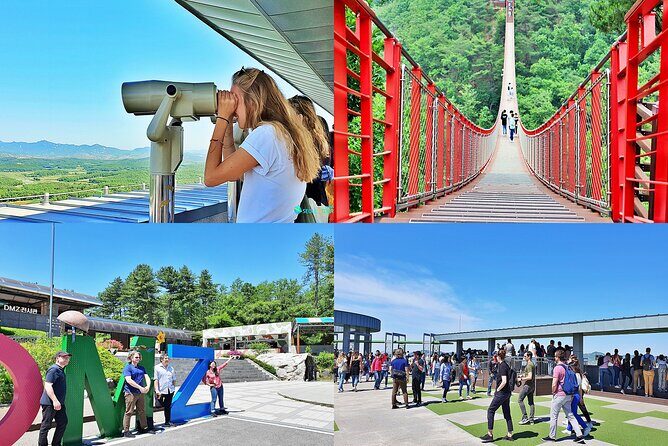
- Dora Observatory telescopes: on clear days, the view is direct and the explanation is practical
- Imjingak Park memorial focus: Freedom Bridge, soldiers’ memorial themes, and refugee-history symbolism are built into the route
- North Korea Experience Hall add-on: you get a structured stop designed to satisfy curiosity with context
- Gloucester Hill + Gloucester Heroes bridge pairing: battlefield memory comes first, then you walk a long suspension bridge with big views
- Day-to-day route flexibility: if the Third Tunnel, Dora, or the suspension bridge is restricted due to weather/security, the itinerary shifts to other DMZ-related stops
DMZ on a Clock: Your 9-Hour Plan From City Hall
This is a full-day tour from Seoul that runs about 9 hours (usually ending around 4:50 pm). The meeting point is City Hall Station, and the day finishes back at City Hall Station too, which is handy when you want an easy start and end without hunting for transfers.
You travel in a climate-controlled coach, so you’re not stuck roasting in traffic. With a maximum group size of 16, the day tends to feel more conversational than assembly-line sightseeing, which matters on a subject this emotionally heavy and historically complex.
The pace is busy, but the structure helps. You’re moving through distinct “chapters” of the DMZ story—memorials, exhibits, the tunnel, then the telescopes, and finally the suspension bridge and battlefield memorial.
You can also read our reviews of more tours and experiences in Seoul.
Morning Setup at Imjingak Park: Freedom Bridge and Refugee Memory
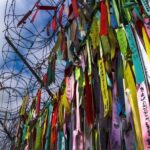
The day kicks off with a drive to Imjingak Park, the kind of place that’s not just pretty—it’s symbolic. You’ll see the Freedom Bridge theme and old steam trains, and your guide ties these visuals back to the Korean War aftermath and the refugee experience.
One reason I like this first stop: it gives you emotional grounding before the more military-focused sights. You don’t jump straight into tunnels and weapons displays without context, so later stops land harder (in a good way).
Imjingak Park also works as a “gear check” for the day. You’ll get oriented, learn how the DMZ functions as a divided buffer zone, and get your bearings before you start walking and climbing more intensely.
North Korea Experience Hall + DMZ Exhibition Hall: Context Without Fluff
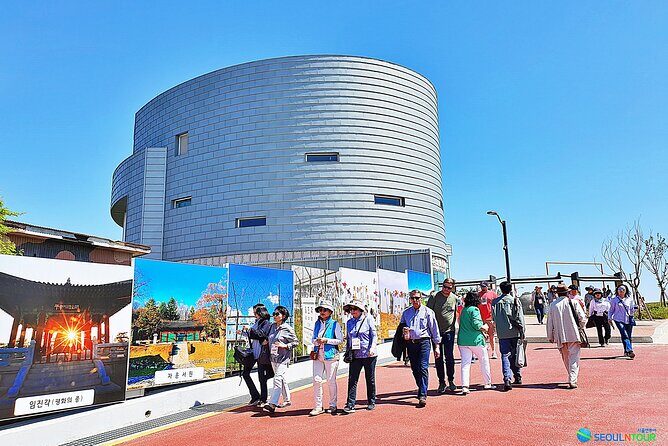
After the Imjingak portion, you’ll spend time with the DMZ Exhibition Hall and related North Korea-focused learning stops. The exhibition includes displays of old weapons and a film that helps connect the dots between the war’s legacy and today’s tense border setup.
Then there’s the North Korea Experience Hall, a newer add-on that’s specifically designed for people who want more than surface-level facts. If your goal is to walk away understanding how the DMZ became what it is, this stop helps you move from curiosity to comprehension.
The value here isn’t just information. It’s pacing and framing. The day keeps returning to the idea that this area isn’t a museum set—it’s still governed by real security rules, real separation, and real consequences.
The Third Infiltration Tunnel Walk: Narrow Steps, Real Effort

The highlight for many people is the Third Infiltration Tunnel. This tunnel was built by the North Korean Army in the 1970s as an infiltration route strategy, and it was discovered in 1978.
Here’s what you should plan for: after driving to the tunnel site, you disembark and follow your guide on foot to see it up close. That means real walking and climbing/descents. The tunnel setting can feel tighter than you expect, so comfortable shoes matter.
This is also where the day’s “DMZ physical reality” becomes obvious. Reviews and guides consistently point out the same practical thing: even on a short schedule, it’s not a stroll. If you’re fit but not used to stairs, build in extra time mentally and move at your own pace when you can.
Dora Observatory Telescopes: The Wow Moment on Clear Days
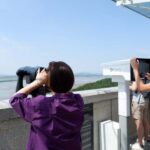
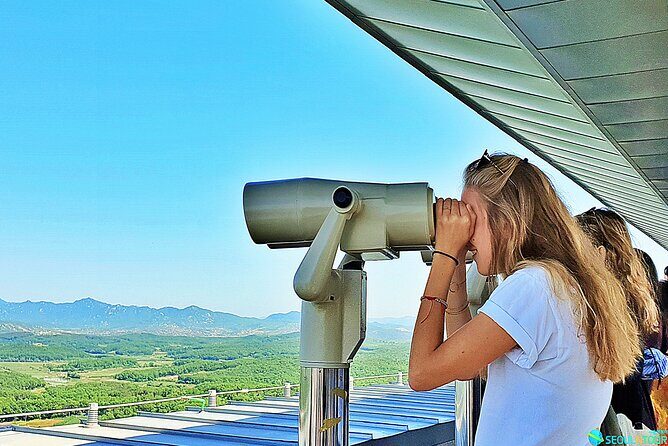
Next comes Dora Observatory on Mt. Dora, one of the few places where you can look across toward North Korea. The big payoff is that you don’t just stand and wonder—you use telescopes trained on North Korea’s propaganda village just across the border.
Dora is a short stop, but it’s memorable because it connects your earlier context to a direct visual. On clear days, you may even be able to see the flagpole in Kijŏng-dong, described as the southernmost village in North Korea.
This is also a stop that changes with weather. If it’s cloudy or visibility is limited, you’ll still get the explanation, but the visual impact may be less than you hoped. Pack patience for this part of the day—the border doesn’t care about your schedule.

Unification Village Area Pass-By: Listening to the Human Wish
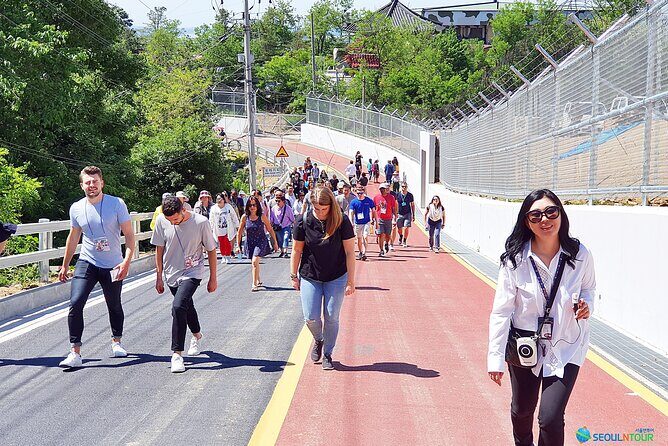
On the way back through the route, you’ll pass by Unification Village. Your guide explains how people living near the DMZ and those watching from South Korea often hold onto the hope of reunification.
I like this stop because it balances the tension. You’ve seen infiltration strategy, military-era artifacts, and division logic. Unification Village offers a reminder that the story isn’t only about threats—it’s also about longing and civic identity.
Even if you’re not politically focused, this is where the tour feels personal. It turns the border from an abstract map line into something people live with and think about daily.
Gloucester Hill Memorial + Gloucester Heroes Suspension Bridge: Memory Meets Movement
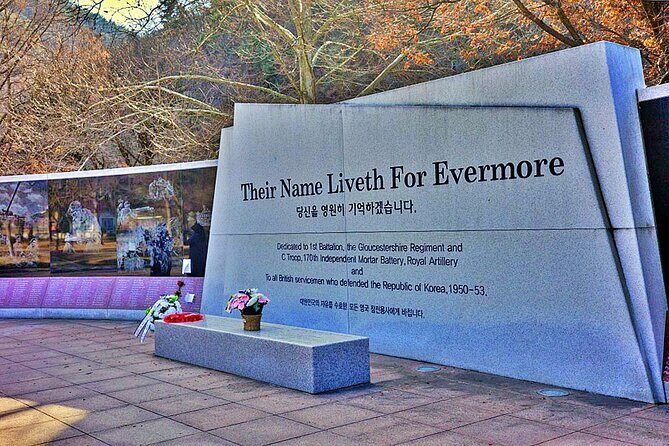
Later in the day, you return toward Gloucester Hill Memorial. This site relates to a key Korean War battlefield location, so it’s not just a photo stop.
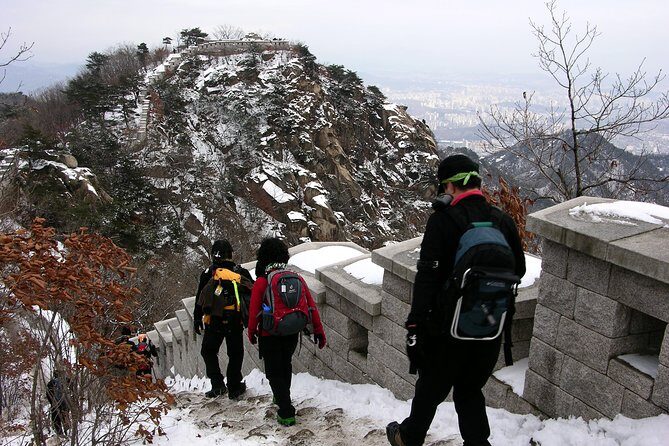
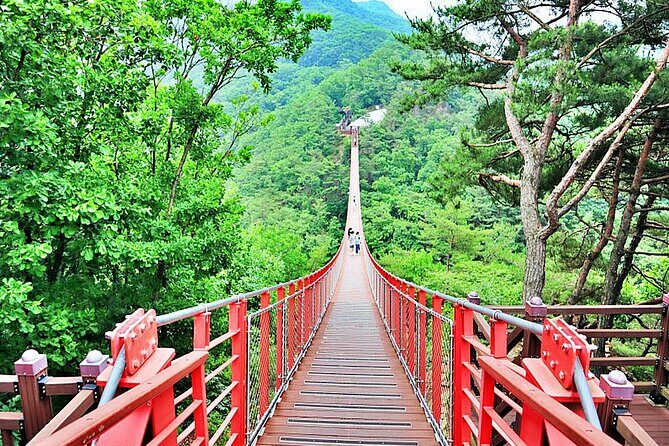
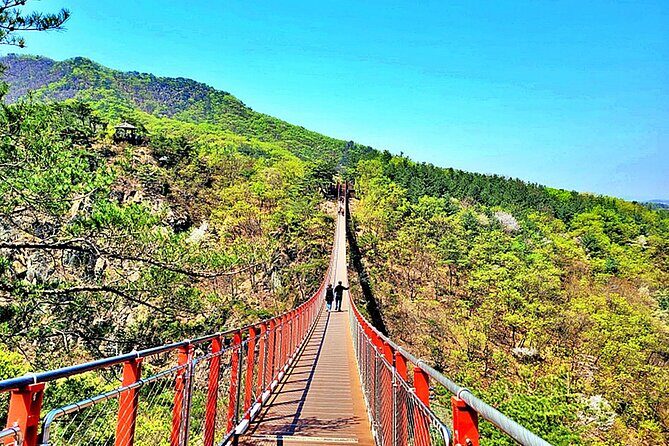
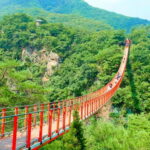
Then you’ll visit Gamaksan Chulleong Bridge, which is also called the Gloucester Heroes Suspension Bridge. It opened in 2016 and is described as the longest mountain suspension bridge in South Korea. The walk feels like a reward after the earlier intensity, but it still comes with physical effort—descents and climbs are part of the day.
One practical tip: if your suspension bridge visit is weather-impacted (heavy rain, snow) or blocked due to security operations, the tour adjusts. The replacement options mentioned include visiting Odusan Unification Observatory or Majang Lake Suspension Bridge depending on what’s allowed that day.
Price and Value: Why $65 Can Actually Be a Deal
At $65 per person, this tour is priced like a budget day trip, but the value comes from what you get bundled together. The tour includes transportation and entrance fees and taxes, plus a professional guide and pickup (from limited listed spots).
What’s not included is also important for your planning: lunch and drinks cost extra, and there’s no hotel pickup/drop-off. Since you meet at City Hall Station and return there, it’s best for you if you’re already staying near central Seoul or you don’t mind getting to the subway.
Compared to piecing together separate paid admissions and guided transport, the all-in approach matters. You pay once, you spend the day focused, and you don’t waste time coordinating multiple tickets while you’re on a tight Seoul itinerary.
Small-Group Reality: The Difference Between a Good Day and a Great One
With a maximum of 16 travelers, the tour works best when your guide can keep the information flowing clearly. That’s a theme in the feedback: guides like BK, Young, Sookhee, Lua, Seokhee, Roy, and Juni are praised for being friendly, organized, and able to answer questions in context.
Still, one caution is worth stating plainly: if a guide’s English delivery is hard to catch, you’ll feel it fast during a commentary-heavy day. If you’re relying on the narration for most of your understanding, I’d prioritize choosing times when you’re likely to get clear, confident guidance.
The good news is that most of the guide praise isn’t just personality. It’s about structure—how the day stays on time, explains what you’re seeing, and keeps you from feeling lost while the group moves between stops.
What to Bring (So the Walks Don’t Beat You)
This is the part that can make or break your comfort.
- Wear comfortable shoes. Tunnel 3 involves a walk with up and down movement in a narrow area.
- Bring water, especially if you’re doing this in cold or humid weather.
- Pack layers. You’ll be outside for parts of the day, inside on the coach, and you’ll feel temperature swings.
- Take your time with the tunnel and bridge sections. If you’re not used to steep steps, you’ll still get through, but slow and steady is the move.
If you’re traveling with older family members or anyone with mobility limits, this isn’t the best “easy day.” The tour notes that it’s not recommended for seniors who have walking problems. For everyone else with moderate fitness, it’s very doable with good shoes and realistic expectations.
Weather, Closures, and How the Day Adjusts
This tour runs year-round, but the DMZ is governed by real-world rules. If the Third Infiltration Tunnel and Dora Observatory are closed due to military or weather conditions, the day shifts to a special DMZ tour course.
That special approach can include:
- the North Korea Experience Center
- Imjingak Pyeonghwa-Nuri Park
- DMZ Peace Gondola
- Gloster Hill Memorial Park
- the Suspension Bridge
Additionally, if access to the suspension bridge or Gloucester Memorial is restricted, you may be routed to Odusan Unification Observatory or the War Memorial of Korea.
And if the suspension bridge is closed because of heavy rain or snow (or security control), you’ll switch to Odusan Unification Observatory or Majang Lake Suspension Bridge. The core value stays: you’ll still get a coherent DMZ day rather than a cancellation-only outcome.
Also note: the tour requires good weather. If it’s canceled due to poor conditions, you should expect a different date or a refund.
Should You Book This DMZ + Suspension Bridge Tour?
If you want a DMZ day that combines the big visual moments—Dora Observatory telescopes and the Third Tunnel walk—with memorial context and a later suspension bridge payoff, this is a strong pick. The $65 price makes sense because entrance fees and transportation are bundled, and the small-group size helps the guide answer questions instead of shouting over crowds.
Book it if:
- you’re comfortable with walking, climbs, and a tunnel-style stop
- you want both memorial reflection and practical, guided explanation
- you like a structured day that moves through multiple DMZ “chapters” without feeling random
Skip it (or choose another option) if:
- you strongly dislike steep stair sections or narrow, enclosed-feeling areas
- you need a fully relaxed pace with minimal walking
- you prefer meals included (lunch and drinks are not provided)
FAQ
How long is the DMZ tour from Seoul?
It runs about 9 hours. The tour ends around 4:50pm.
Where do I meet the group and where does the tour end?
You meet at City Hall Station in Seoul and return to City Hall Station at the end of the tour.
Is a passport required for this tour?
Yes. A current valid passport is required on the day of travel.
What’s included in the $65 price?
Pickup (from limited listed spots), a professional guide, and all fees and taxes are included, along with transportation and entrance fees for the stops.
Is lunch or drinks included?
No. Lunch and drinks are not included.
What happens if the Third Infiltration Tunnel, Dora Observatory, or the suspension bridge can’t be visited?
The itinerary can change. If Tunnel 3 and Dora Observatory are closed, the tour uses an alternate DMZ course that can include stops like the North Korea Experience Center and DMZ Peace Gondola. If the suspension bridge is closed due to weather or security control, the day can switch to Odusan Unification Observatory or Majang Lake Suspension Bridge.