REVIEW · SEOUL
Seoul Half Day Tour with a Local: 100% Personalized & Private
Book on Viator →Operated by City Unscripted · Bookable on Viator
Seoul in four hours, and it feels personal. This private half-day walking tour lets you shape the day around your interests while a local host gives real context, not just captions. I like the 100% personalized plan that starts when you’re ready, so the city doesn’t feel like a checklist.
Two things I love most are the chance to see both major sights and quieter streets, and the way the host can keep things moving at your speed. You’ll get a private experience with room for questions and course-corrections.
One thing to consider: it’s mostly on foot, and tickets, food, and drinks aren’t included, so you’ll want comfy shoes and a little extra budget for stops along the way. Also, the experience depends on good weather, so plan a flexible mindset.
In This Review
- Key reasons this tour works well
- A Half-Day Seoul Plan That’s Actually Yours
- The Route in Real Time: Palace to Traditional Streets to Modern Seoul
- Gyeongbokgung Palace: Joseon-Era Seoul Without the Confusion
- Insadong for Street Snacks, Crafts, and Tea Breaks
- Dongdaemun Design Plaza: The Modern Edge You Can Explain
- Bukchon Hanok Village: Traditional Houses and the Street-Level Reality
- How Guides Shape the Day: From Bella to Andrew to Paul
- Price and Value: Is $111.37 Worth It for a Half Day?
- Practical Tips So You Don’t Lose the Day
- Who This Tour Is Best For
- Should You Book This Seoul Half-Day Private Tour?
- FAQ
- How long is the Seoul half-day tour?
- Is this tour private or shared?
- Where is the meeting point, and where does the tour end?
- Can I get picked up at my hotel?
- Is the tour mostly walking?
- Are tickets to attractions included?
- Is food and drink included?
- Is the tour dependent on weather?
- What’s the cancellation policy?
- Are service animals allowed?
Key reasons this tour works well
- You choose 3 or 4 hours: short enough to fit a tight schedule, long enough to feel oriented.
- A local host tailors the route: shopping, food, history, or culture can steer the day.
- Major sights plus character streets: palace grandeur and traditional neighborhoods in one run.
- Hotel meet-up is possible (central areas): handy when you don’t want to hunt for the meeting point.
- A walking-first plan: slower where it matters, brisk where it saves time.
- Strong guide value shows up in real experiences: from smooth pacing to helpful navigation.
A Half-Day Seoul Plan That’s Actually Yours
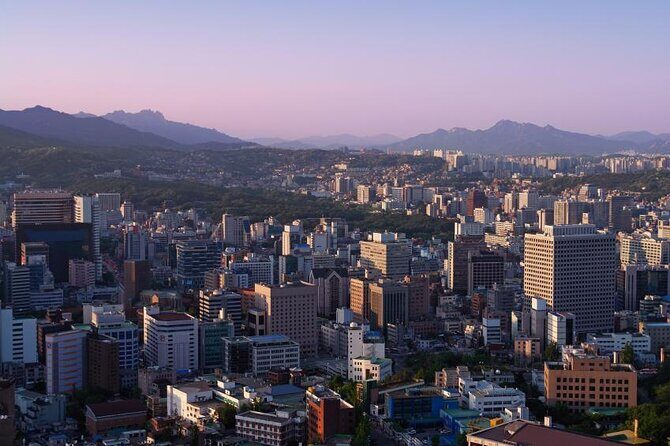
This is the kind of tour that fits well when you’re trying to get a feel for Seoul fast. Instead of being locked into a rigid group rhythm, you’re working with a local host who adjusts the day around what you care about—whether that’s palace history, street food, design, or traditional neighborhoods.
I also like that the timing is flexible. You can begin when it suits your schedule, and if you requested a hotel meet-up for a central location, you’ll likely start the day with less friction. At $111.37 per person for a private walking tour, the value is less about “cheap sightseeing” and more about saving your time and energy while someone else maps the route and explains what you’re seeing.
You can also read our reviews of more private tours in Seoul



The Route in Real Time: Palace to Traditional Streets to Modern Seoul
Expect a tight but thoughtful arc across four iconic areas: Gyeongbokgung Palace, Insadong, Dongdaemun Design Plaza, and Bukchon Hanok Village. The exact walking pace depends on your host and your preferences, but the structure is designed to hit contrasts—royal Korea, everyday traditional culture, cutting-edge design, then preserved houses.
Because it’s only 3 to 4 hours, you don’t get the slow, lingering version of these places. You get the “right highlights, plus the meaning behind them” version. That can be ideal if it’s your first visit, or if you only have a day before moving on. If you’re the type who likes to stare at details for long stretches, tell your host early so the pacing can shift.
Also note the practical stuff: tickets, food, and drinks are not included, and public transport may be used at an additional cost. Since it’s mostly walking, the tour works best when you plan for steps, curb crossings, and a few short climbs.
Gyeongbokgung Palace: Joseon-Era Seoul Without the Confusion
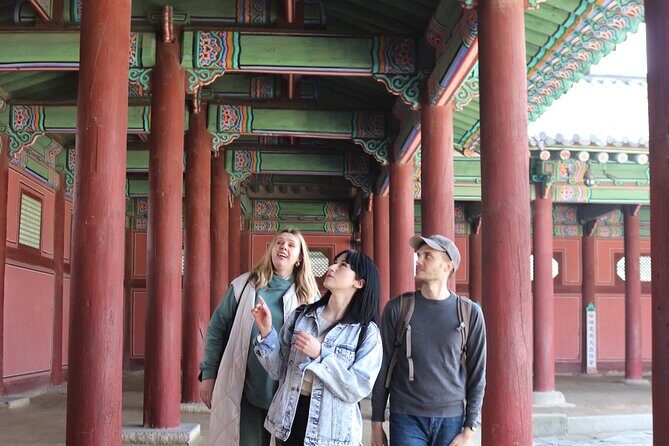
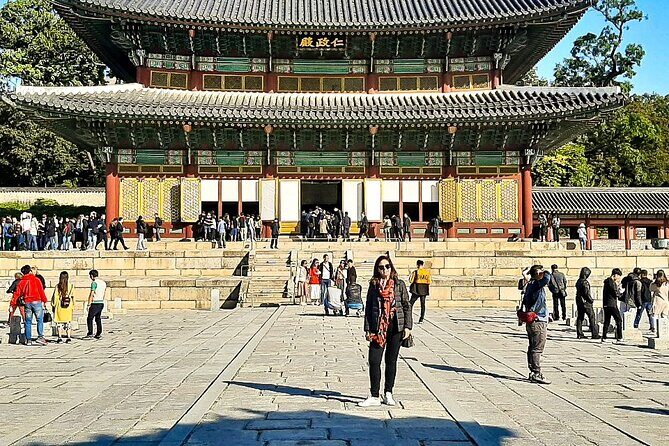
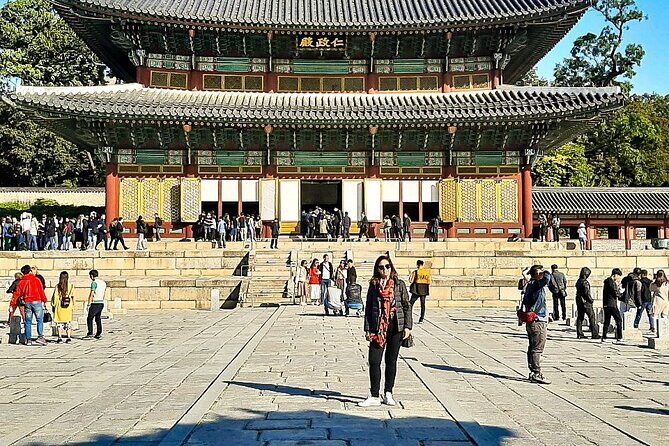
Gyeongbokgung Palace is the headline stop for a reason. The architecture and layout connect you to the Joseon Dynasty—big statements in stone, gates, courtyards, and the kind of symmetry that makes it easier to understand how royal spaces worked. Even if you’ve seen photos before, you’ll usually notice new details on-site: the scale, the way buildings align, and how the palace feels like a city within a city.
What I’d watch for during this part of the walk:
- Ask your host to explain what you’re looking at as you move, not after you’ve already taken ten photos.
- If you’re interested in daily life and rules, request that angle. Palace history lands better when it’s tied to how people lived, not just dates.
- Build in time for your first photos. This area is where people often rush and then regret it later.
A drawback to consider: palace visits can involve longer lines or entry logistics, and tickets are not included. If you’re hoping to go inside specific buildings, confirm expectations with your host and be ready to pay entry separately.
Insadong for Street Snacks, Crafts, and Tea Breaks
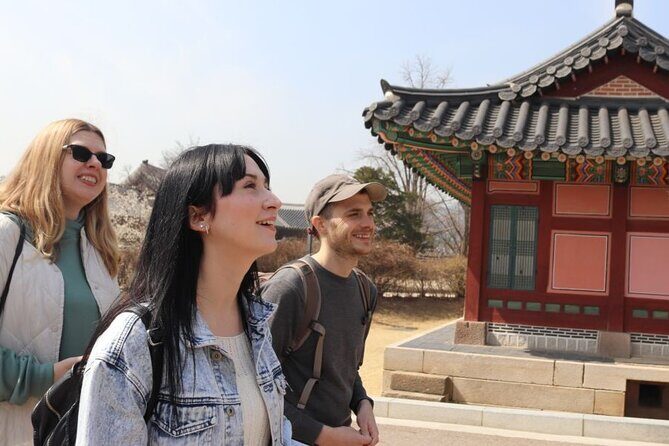
Insadong is where Seoul starts to feel human—less grand, more everyday, and full of small discoveries. This is a strong match for people who want traditional Korean arts, antique shops, and the kind of browsing that turns into a mini treasure hunt.
Insadong also tends to make food practical. Your host can help you choose street snacks that fit your tastes, and you can stop for a drink in a tea house setting if you want a short reset. Because food and drinks aren’t included, you’re in control of what you buy and how much you spend, instead of being locked into a set meal.
Two smart ways to use this stop:
- Tell your host if you want shopping versus just looking. You’ll walk differently depending on your goal.
- If it’s rainy or hot, ask for a slightly more indoor-friendly plan. You still get the culture, but you avoid being miserable.
Dongdaemun Design Plaza: The Modern Edge You Can Explain

Dongdaemun Design Plaza (DDP) is the “future” counterweight to the palace and hanok streets. Even if you’re not a design-obsessed person, the building’s reputation for cutting-edge architecture makes it a great stop to understand how Seoul blends creativity and public space.
This area is a hub for fashion, design, and technology exhibitions. That matters because it’s not just photo ops—the place is built for events and showcases, so your host can point out what’s typically worth your attention during your visit.
Here’s the practical angle: exhibition access may involve tickets or time limits, and the tour doesn’t include attraction tickets. If you want to enter specific exhibits, ask your host how to prioritize based on the time you have.
Also consider weather here. When it’s hot, plan a quick look and use shade strategically. When it’s rainy, ask for a tighter walking loop around the best viewpoints so you’re not stuck under umbrellas for no payoff.



Bukchon Hanok Village: Traditional Houses and the Street-Level Reality
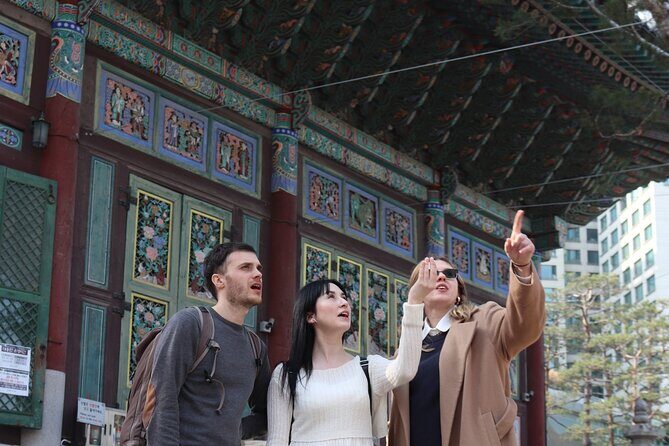
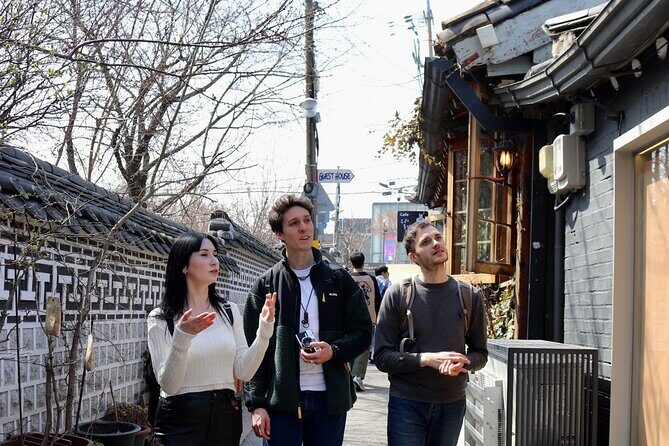
Bukchon Hanok Village is one of those places that can look like a postcard and still feel real once you’re walking through it. The preserved hanok houses give you a sense of historical lifestyle—how neighborhoods were arranged, how streets connect, and why this area is so often used to explain traditional Seoul.
What you can expect during this part:
- Narrow lanes and lots of perspective points for photos.
- A slower feel compared with the palace stop, because there’s more to see per minute.
- Your host’s background context, which is what turns a “pretty village” into something you understand.
Main drawback: it can mean lots of walking on uneven or stepped surfaces. If you have mobility concerns, bring it up early. And if you’re traveling with older family members, make sure your host knows your walking limits; some routes can include stairs and multiple small uphill segments.
How Guides Shape the Day: From Bella to Andrew to Paul
The biggest difference between an average Seoul walk and a great one is the host. This tour’s promise is that you’ll get a passionate local guide who answers questions and adjusts the day as you go. The names that show up repeatedly in guide experiences give you a hint at what that looks like on the ground.
For example:
- Bella is highlighted for being kind, well-organized, and smooth at getting people around.
- Jay is described as friendly and fun, with pacing that worked well for someone who wanted to move at their own speed.
- GJ is praised for helping first-time visitors get their bearings and understand where to go later on their own.
- Andrew stands out in stories for deep history-and-culture explanations, plus patience with lots of questions.
- Paul is noted for framing Joseon-era context (especially Confucian ideas) so palace and hanok visits feel connected rather than separate stops.
- Jihyun is remembered for customizing the route tightly to preferences and adjusting on the fly.
- Ruth fits well if you want a fast intro with food stops and strong energy about the city.
- Sujeong and Yujin get credit for being flexible and for making historical stories feel practical.
Even if your guide isn’t any of these people, the pattern matters: when the host is good, you leave with a mental map and explanations you can reuse later in the trip.
Price and Value: Is $111.37 Worth It for a Half Day?
Let’s talk straight value. This tour is $111.37 per person and runs 3 to 4 hours. Tickets, food, and drinks aren’t included, and public transport costs (if used) can be extra. So you’re not paying for a full meal-and-entry package.
What you are paying for is:
- A private experience rather than crowd navigation with a group.
- A host who can shape the route around your interests (shopping, food, history, culture).
- Time savings: you don’t have to plan connections between four major areas in Seoul’s streets.
- Context that helps you understand why these places matter.
If you’re only in Seoul for a short time, or if you want to avoid spending your first day researching where to go next, the price is easier to justify. If you already have a tight plan and enjoy doing everything yourself, you might spend less by going solo. But if you want your day to feel efficient and meaningful without turning into homework, this is a solid use of time.
Practical Tips So You Don’t Lose the Day
A private walking tour goes well when you show up prepared. Here are the things I’d do before you start:
Wear shoes for uneven streets. Bukchon can mean stairs or small changes in level. Don’t bring fashion sandals and hope for the best.
Bring some cash or card for food. Since meals and drinks aren’t included, you’ll likely want a snack stop in Insadong and maybe something else depending on your appetite.
Plan for weather. This experience requires good weather. If it’s canceled due to poor weather, you’ll be offered another date or a full refund. In other words: don’t schedule something else immediately after you finish unless you like surprises.
Ask early about your walking limits. The route is walk-heavy, but a good host can adjust.
Use the hotel meet-up option if it fits. Hotel meet-up for central locations is available on request through the questionnaire after booking. If you hate morning logistics, ask for it.
Who This Tour Is Best For
This is a strong choice if you:
- Are visiting Seoul for the first time and want orientation plus meaningful highlights.
- Have a short window, like one busy day, and want to see major areas without bouncing around alone.
- Prefer a flexible plan instead of following a group’s pace.
- Like talking to a local about culture and daily life, not just taking photos.
It’s also a good fit for families that move at a reasonable pace, as long as you communicate needs. Service animals are allowed, and the meeting area is near public transportation, which can help if you need a simple backup plan.
Should You Book This Seoul Half-Day Private Tour?
Book it if you want a guided Seoul intro that feels personal: palace to traditional streets to design, all within a few hours, and guided in a way that can match your interests. The private setup is where the value lives, especially at this length of time.
Skip it or adjust expectations if you want a slow, deep, ticket-heavy itinerary where every attraction is included. This tour is built for walking, learning, and choosing your own food and ticket moments—not for handing you a fully packaged day.
If you’re trying to make your first hours in Seoul count, this is one of the cleaner ways to do it.
FAQ
How long is the Seoul half-day tour?
It’s about 3 to 4 hours. You can choose your preferred duration when you book.
Is this tour private or shared?
It’s private. Only your group participates.
Where is the meeting point, and where does the tour end?
The start point is 109 Jae-dong, Jongno District, Seoul, South Korea. The tour ends back at the meeting point.
Can I get picked up at my hotel?
Hotel meet-up for central locations is available on request. You’d arrange it through the questionnaire after booking.
Is the tour mostly walking?
Yes. It’s primarily a walking experience. Public transport may be used at an additional cost.
Are tickets to attractions included?
No. Tickets to any attractions are not included.
Is food and drink included?
No. Food and drinks are not included.
Is the tour dependent on weather?
Yes. It requires good weather. If it’s canceled due to poor weather, you’ll be offered a different date or a full refund.
What’s the cancellation policy?
You can cancel for a full refund if you cancel at least 24 hours before the experience’s start time.
Are service animals allowed?
Yes, service animals are allowed.