REVIEW · SEOUL
Seoul: DMZ Tour with Japanese-Speaking Guide
Book on GetYourGuide →Operated by I LOVE SEOUL TOUR Co., Ltd. · Bookable on GetYourGuide
The DMZ can feel like a movie set. This Seoul day trip takes you to the Korean Demilitarized Zone—plus stops like Dora Observatory and the 3rd Infiltration Tunnel—where the history isn’t abstract, it’s right in front of you. What I like most is having a live Japanese-speaking guide who makes the background click as you move from site to site. I also appreciate the structure: you start with context, then you walk into the parts that are physically hard to forget.
One thing to weigh before you book: the 3rd tunnel walk involves a steep slope and takes about 30–40 minutes round trip on foot. It can be challenging for children and older travelers, and the tour notes that you may choose to wait at the tunnel area if you need a break. If you have heart problems or use a wheelchair, this one isn’t listed as suitable.
In This Review
- Key highlights you’ll actually care about
- Why this Seoul DMZ tour hits differently than most day trips
- From Myeongdong to the border: how the morning sets you up
- Imjingak Park: the warm-up stop that makes the rest make sense
- Freedom Bridge: photos are easy, meaning takes a moment
- The 3rd Infiltration Tunnel: the walk that makes the border real
- Dora Observatory: how weather changes what you see
- Unification Village: souvenirs with a peace-and-division theme
- Timing, effort, and what the $50 really covers
- What might derail your plan (and what you’ll do instead)
- Should you book this DMZ tour with a Japanese-speaking guide?
- FAQ
- Do I need a passport for this DMZ tour?
- Is the JSA (Joint Security Area / Panmunjom) included?
- How long is the tour?
- Is food included?
- What language is the guide?
- What should I wear or avoid wearing?
- Is the tour accessible for wheelchair users or people with heart problems?
Key highlights you’ll actually care about
- A Japanese-speaking guide (you might hear names like Hong Yu-sŏn / 홍유선 and Yun / ユン) who explains as you go
- Imjingak Park and Freedom Bridge to set the emotional context before you reach the militarized areas
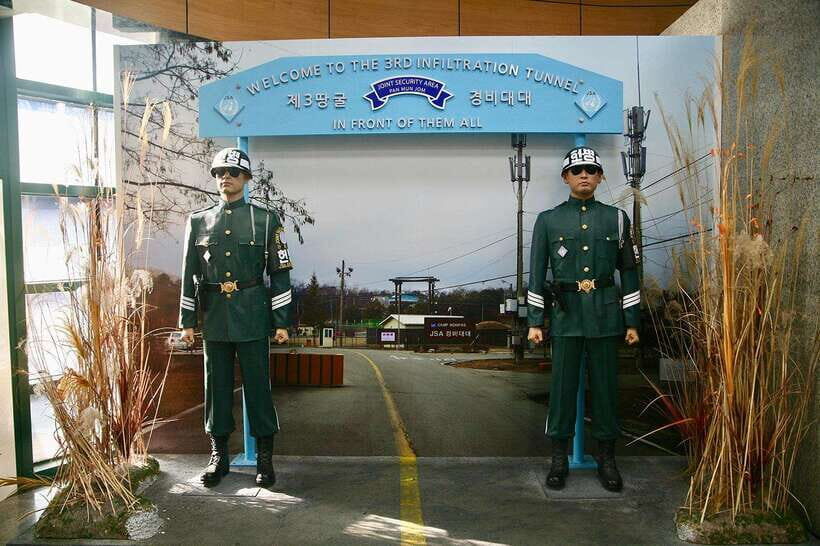
- Walking inside the 3rd Infiltration Tunnel—cooler air, steep parts, and a real sense of scale
- Dora Observatory views that can reach far into North Korea on a clear day, sometimes without using the telescope
- Unification Village shopping where peace-themed souvenirs often include North Korea related goods
Why this Seoul DMZ tour hits differently than most day trips
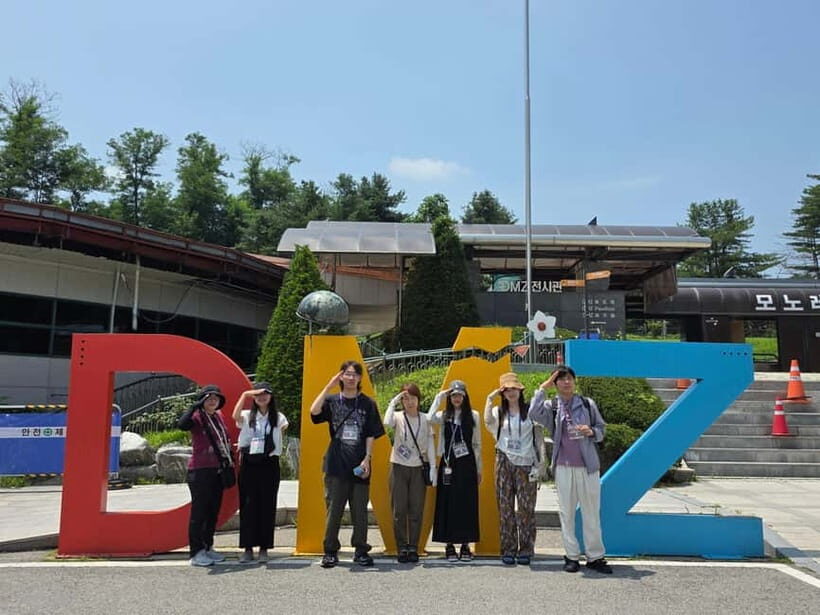
If you’ve ever done a history tour that mostly feels like reading plaques, this is a different animal. The DMZ is a living boundary—2.4 miles (4 km) of separation that has been in place since 1953—so the day doesn’t stay theoretical for long. Even when you’re just looking across, you’re looking at the physical result of decades of conflict.
I also like that the day mixes several “angles” of the topic. You get the on-the-ground memorial side at Imjingak Park, the repatriation symbolism at the Freedom Bridge, and then the claustrophobic, human scale element with the tunnel. That mix matters because it helps you understand why people feel moved here, not just informed.
The other big reason this tour feels unusual is that you’re visiting a place most people only see in news clips. You’re not just watching history from a distance; you’re standing on the same guarded geography where the story is still unfolding.
You can also read our reviews of more guided tours in Seoul


From Myeongdong to the border: how the morning sets you up
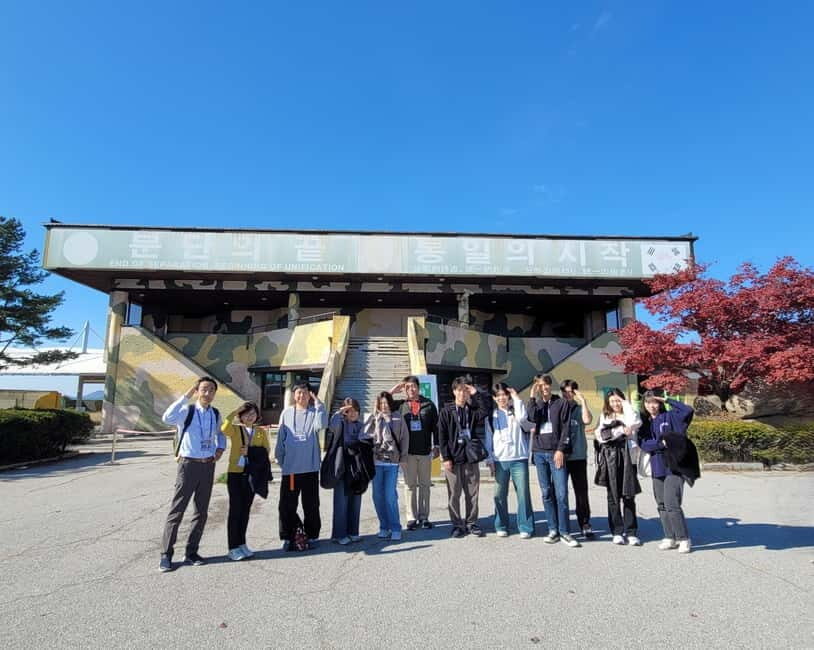
Your day starts with one of three options: a meeting area at 159-1, another at 20-16, or Myeongdong Station Exit 10. Then you ride out by air-conditioned bus or minivan for about an hour. This driving time isn’t filler—your guide typically uses the ride to explain the background so the DMZ stops don’t feel random.
Once you reach Imjingak, you’ll get about an hour guided there. This is a good lead-in because it’s where you start seeing the human side of division: reunification hopes, displaced families, and the idea of peace in a very South Korean context. If you arrive with only general knowledge, the guide’s pacing helps you build a mental map fast.
There’s also a practical rhythm to this tour: short guided segments at each site, then you have time to look and take photos. That keeps the day from turning into a nonstop lecture, even though you will be hearing history the whole way.
Imjingak Park: the warm-up stop that makes the rest make sense
Imjingak Park is where the emotional tone lands. It’s close enough to the DMZ area that you can feel you’re nearing something serious, but it’s still a place where you can focus on context without the same immediate restriction pressure as inside the tunnel area.
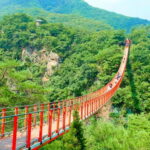
From there, the tour flows to the Freedom Bridge, with a guided stop of about 30 minutes. The bridge is described as being used by prisoners of war who were repatriated from the North, and that detail is important. It reframes the site from a dramatic photo location into a place connected to real people’s movement and return—an angle that makes later stops feel more grounded.
If you’re the type who likes to understand why a location matters before you judge it visually, Imjingak and the bridge pair up nicely. If you prefer to see things first and learn later, you might feel a little “guided too early,” but the payoff is that you’ll understand what you’re looking at when you get to Dora and the tunnel.
Freedom Bridge: photos are easy, meaning takes a moment
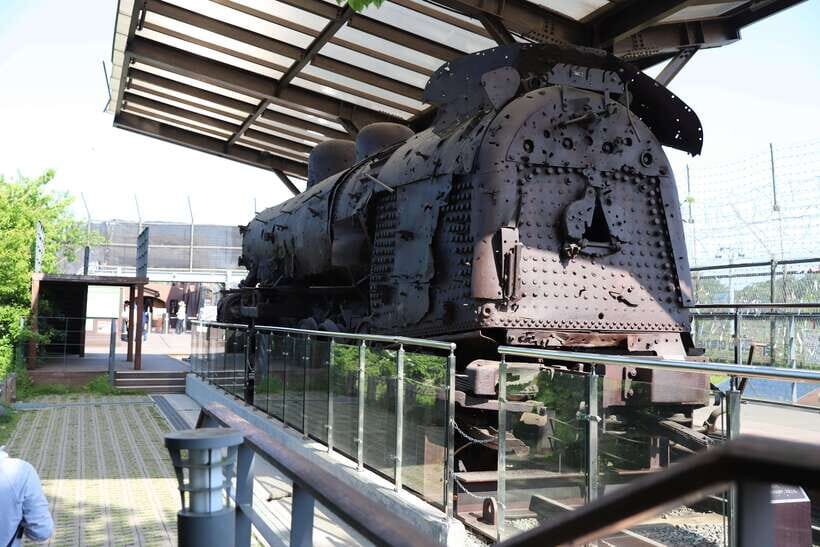
At Freedom Bridge, the tour gives you time to view it properly and hear its role in repatriation. Thirty minutes might not sound like long, but for this kind of site it’s enough to absorb the symbolism without turning it into a rushed stop.
One useful mindset here: don’t just shoot a wide shot and move on. Spend a couple of minutes letting the “before and after” of the Korean War feel concrete. The bridge is about movement across division under strict circumstances—so even if you personally don’t connect emotionally, you can still understand the structure of the history.
Also, keep your expectations realistic about visuals. You’re not going to see North Korea like a normal travel viewpoint. This is still a controlled border region, so your best photos often come from making your framing reflect the separation itself—not from hoping for cinematic clarity.
The 3rd Infiltration Tunnel: the walk that makes the border real
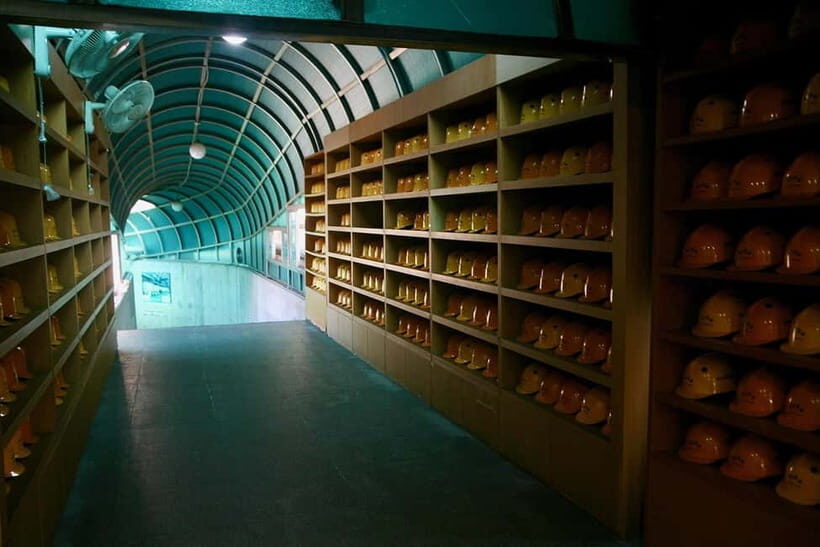
This is the part many people remember, and not only because it’s a famous stop. The 3rd Infiltration Tunnel is an incomplete passage built under the DMZ, and the tour includes getting inside on foot. You’ll have a guided segment of about 40 minutes at this stop, but plan for the walking time inside to take around 30–40 minutes round trip due to the steep slope.
Here’s the key practical advice: bring your patience and wear proper shoes. The tour strongly discourages flip-flops, slippers, and shoes with heels. The steepness and footing demand steadiness, and the tour format means you can’t treat this like a casual stroll.
It can also be cooler than expected inside the tunnel, which is a welcome change in summer. But the more important “temperature” is psychological: tunnels shrink space. When you walk through something like this, you understand why strategy mattered so much here—because the geography itself was an active tool.
If you’re with kids or you’re older, this is where you should plan flexibility. The tour notes that it’s possible to wait in front of the tunnel. That’s not failure; it’s smart pacing.

Dora Observatory: how weather changes what you see
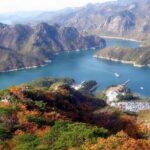
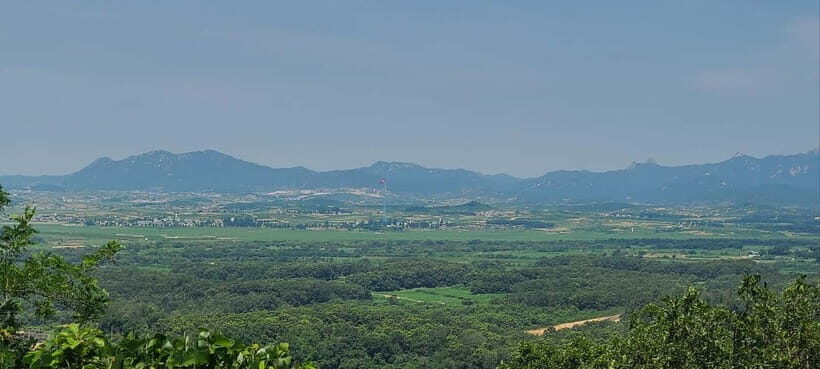
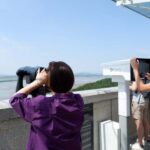
After the tunnel, the itinerary climbs toward Mountain Dora and the Dora Observatory. The guided visit is about an hour. The big attraction is the view across toward North Korea, and the tour gives a clear weather-dependent detail: in good weather, you can see as far as North Korea without using the observatory’s telescope.
That matters because it turns the observatory from a one-size-fits-all viewing platform into a conditional experience. On clear days, your “I can see it with my eyes” moment may happen. On hazier days, you’ll likely rely more on the telescope and accept that atmosphere limits distance.
Either way, your time here is valuable because the DMZ is visually obvious from this kind of higher vantage. Seeing that 2.4-mile (4 km) stretch as part of the actual terrain helps you understand the strange nature of the boundary: it’s narrow enough to feel close, yet fortified and restrictive enough to create a total division in daily life.
Unification Village: souvenirs with a peace-and-division theme
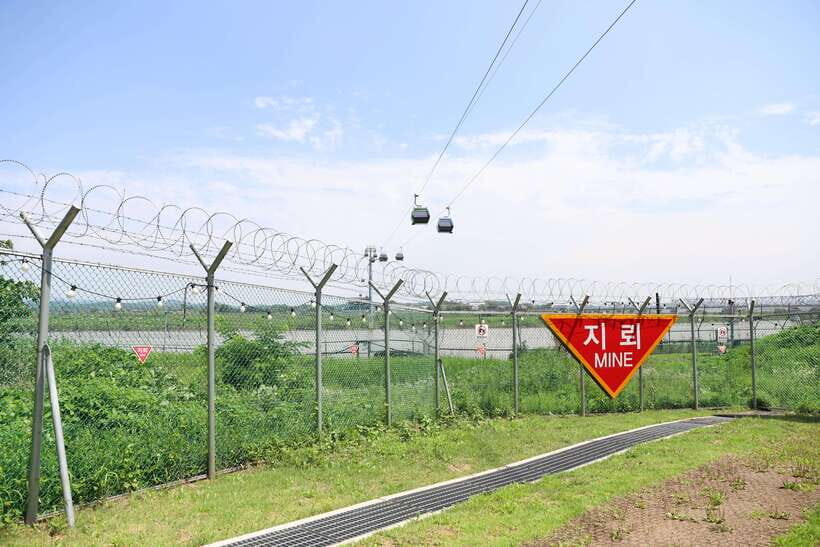
Next comes Unification Village, near the DMZ area, with a guided stop of about 30 minutes. This is the “human scale shopping” part of the day, and it’s not just kitschy. The tour description frames the shops around peace and reconciliation, and it notes that goods from North Korea are often sold there.
The practical value is that you can find thematic souvenirs you can actually explain when you give them as gifts. The snacks and small items are easier to bring home than larger museum-style purchases, and this stop is designed for that.
Still, keep your expectations grounded. This is a border-adjacent retail area, not a luxury market. If you treat it like a place to find meaningful small reminders rather than a bargain hunting spree, you’ll enjoy it more.
Timing, effort, and what the $50 really covers
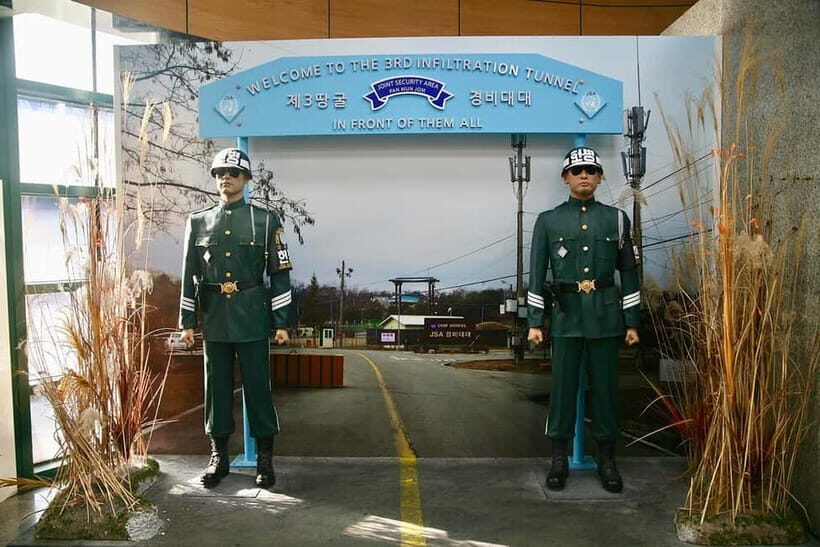
For a tour priced around $50 per person and lasting 7–8 hours, the value mainly comes from logistics and access. Your day includes entrance fees, roundtrip shared transfer, a licensed professional DMZ tour guide, and transportation in an air-conditioned bus or minivan.
What you’re paying for is not just the destinations—it’s the fact that you’re moving as one group through a highly controlled area, with guidance that helps you understand what you’re seeing. A DIY DMZ plan is far harder than it sounds, because the border region is governed by military and government rules.
Food and drinks aren’t included, so you’ll want to plan a basic strategy: eat before you start, and then budget time for snacks if the day allows. Also remember the day can return to Seoul later depending on traffic and group size.
My rule of thumb for this kind of day trip: if you care about having a real guide explanation (not just a list of stops) and you’re ready for a physically active segment at the tunnel, it’s a solid deal for the time.
What might derail your plan (and what you’ll do instead)
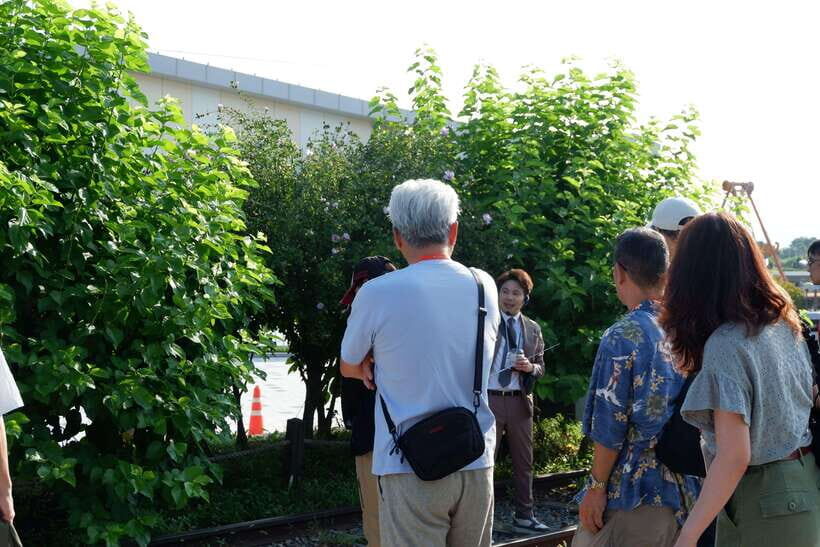
This tour operates in a space where things can change. Since the DMZ is operated by the military, the trip may be canceled without prior notice. Also, the itinerary can be adjusted based on weather, military, or government regulation. In situations where one major stop like JSA / Panmunjom isn’t visited, the tour indicates you’ll go to alternatives such as Art Space BEAT 131, Odusan Unification Observatory, War Memorial of Korea, and then finish at City Hall or Myeongdong depending on timing.
That unpredictability is the nature of the place. The upside is that the tour isn’t purely “one rigid itinerary or nothing.” You’ll still get DMZ-adjacent viewpoints and related sites, so the day shouldn’t turn into a total washout.
The best way to handle this: keep your schedule flexible and treat the day as a guided attempt to reach major sites, not as a guarantee to see everything in any specific order.
Should you book this DMZ tour with a Japanese-speaking guide?
You should book if:
- You want a structured DMZ day with meaningful guided explanations as you go
- You’re interested in the specific stops listed like Imjingak, Freedom Bridge, the Dora view, and the Unification Village shopping stop
- You’re okay with the reality that the tunnel walk involves effort, and you’ll wear proper shoes
You might pass if:
- You have a heart condition or mobility limitations (this tour is noted as not suitable for wheelchair users and heart problems)
- You’re hoping for a purely passive sightseeing day with minimal walking
- You need guaranteed access to every possible military-area site, because changes and cancellations can happen
If you want one Seoul day trip that feels genuinely different from the usual palaces and street food runs, this fits the bill. The combination of border geography, guided context, and the tunnel experience gives you a story you’ll remember—not just photos.
FAQ
Do I need a passport for this DMZ tour?
Yes. The tour specifically says you must bring your passport.
Is the JSA (Joint Security Area / Panmunjom) included?
No. The tour notes that a visit to JSA is not included.
How long is the tour?
The duration is listed as 7 to 8 hours.
Is food included?
No. Food and drinks are not included.
What language is the guide?
The live tour guide language is Japanese.
What should I wear or avoid wearing?
The tour strongly recommends that you refrain from wearing flip-flops, slippers, or shoes with heels. Proper footwear matters especially for the tunnel slope.
Is the tour accessible for wheelchair users or people with heart problems?
No. It is not suitable for wheelchair users or people with heart problems.