REVIEW · SEOUL
Private DMZ Tour in South Korea(Entrance fees are included)
Book on Viator →Operated by Ultimate Korea Tour - Private Day Tours · Bookable on Viator
The DMZ feels like time froze. This private day trip is built around hotel pickup and a licensed English guide with real army experience, so you’re not just watching sights—you’re getting the story behind the cease-fire line. You’ll start early, visit the DMZ and nearby memorial grounds, then top it off with a lighter stop in Heyri.
Two things I’d put at the top of your checklist: the convenience of door-to-door private transport, and the way the guide connects events from decades ago to what people think and do today. The one thing to consider is that this is a long, structured day (about 7–8 hours) with no lunch included, so you’ll want to plan around that early morning start at 7:30am.
If you’re the type who wants more than photos, this tour leans hard into context. The DMZ area is also described as a place where time has come to a stop—yet it’s now home to rare birds and plants—so the contrast is part of the experience.
In This Review
- Key Highlights You’ll Care About
- 7:30am Pickup and Private Car: How the Day Stays Easy
- The Real Value: An English Guide with Army Experience (Not Just Facts)
- Standing in the DMZ: Cease-Fire Line Views and How to Make It Meaningful
- Imjingak Pyeonghoa-Nuri Park: War Artifacts Plus the Human Side of Division
- Heyri Art Village: A K-Drama-Adjacent Break That Still Fits the Day
- Price and What You Really Get From the $230 Package
- Scheduling Reality: What 7–8 Hours Feels Like
- Who Should Book This Private DMZ Tour
- Should You Book This DMZ Private Day Tour?
- FAQ
- What time does the tour start?
- How long does the tour take?
- Is hotel pickup and drop-off included?
- Are entrance fees included?
- Is lunch included?
- Is this a private tour?
- What language is the guide?
Key Highlights You’ll Care About
- Hotel pickup and drop-off using an air-conditioned private car keeps the day smooth.
- English-licensed guides with army experience (reported as 2–3+ years) add firsthand-style context.
- Entrance fees are included, including your DMZ stop.
- Imjingak Pyeonghoa-Nuri Park is close enough to pair well with the DMZ without rushing.
- Heyri Art Village is a free stop that gives you a palate cleanser after the border area.
7:30am Pickup and Private Car: How the Day Stays Easy
You begin at 7:30am with pickup from Seoul, and the tour ends back at your starting point. That might sound small, but for a DMZ day, it matters. Border-region touring often means long driving and strict timing, so fewer handoffs means less stress.
You’ll ride in an air-conditioned vehicle, and it’s private—meaning your group stays together. Some tours cram a lot of people into a shared bus; here, you’re in a calmer setup, which helps when you want to hear your guide clearly.
Also pay attention to the “moderate physical fitness” note. The DMZ area involves walking and time outdoors, so if you’re sensitive to long periods on foot, plan accordingly (comfortable shoes are non-negotiable).
You can also read our reviews of more private tours in Seoul


The Real Value: An English Guide with Army Experience (Not Just Facts)
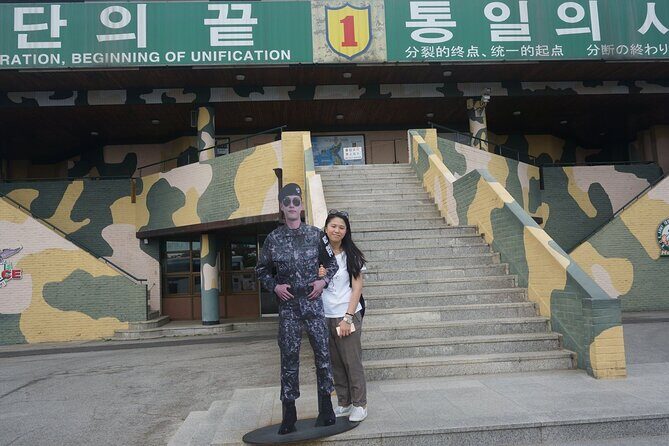
The standout here is the guide. You get a licensed English guide who has army experience (the details provided say the guides have army experience of more than 2–3 years). That’s a big deal because the DMZ isn’t just geography—it’s a living reminder of conflict, threat assessment, and border realities.
In the guide style description, it’s emphasized that you’ll hear real army stories between North and South Korea, including how perspectives have shifted over time. And that’s exactly what you should look for: not only dates and locations, but how people’s thinking changed.
The reviews also back this up with specific names. People mentioned a guide called Mr. Kori as excellent, with in-depth knowledge and a professional yet friendly approach. Another comment praised a guide named Mr Bean for clear explanations of the Korean War and its aftermath. In other words, you’re not rolling the dice on interpretation—you’re getting a guide who can make complicated topics understandable.
If you’re lucky, the tour may also include the chance to meet a female guide, with surprising personal stories mentioned in the description. Even if your guide isn’t the one referenced by name, you can still expect a guided approach that’s more personal than textbook.
Standing in the DMZ: Cease-Fire Line Views and How to Make It Meaningful
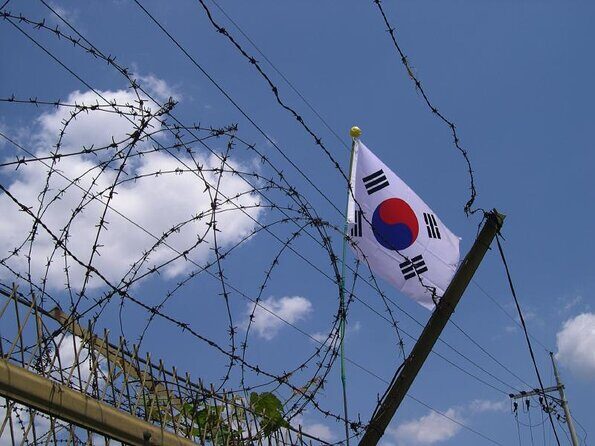
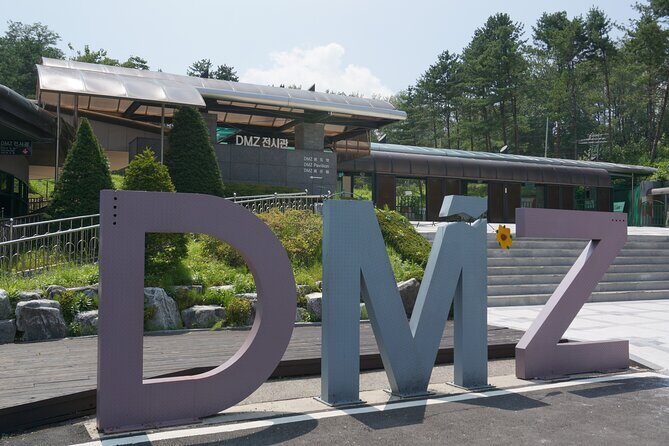
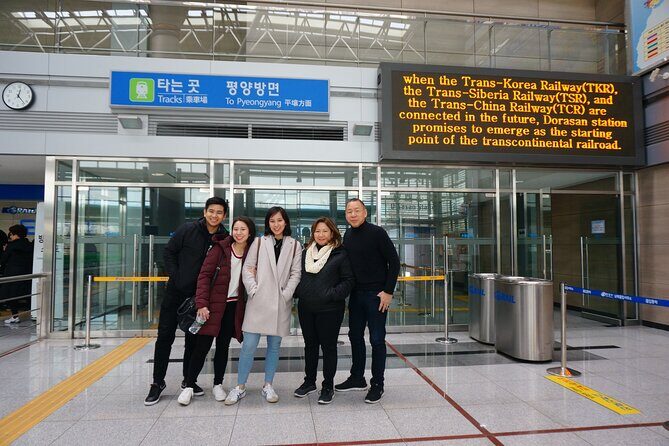
The DMZ stop is the core of the day, and it includes admission. The tour frames the DMZ around a powerful detail: the Korean War began in 1950, and the cease-fire line along the 38th parallel created a 248 km (155 miles) buffer zone.
The emotional effect is the point. The area is described as symbolizing both war and peace, and division and unification. That language matters because the DMZ doesn’t feel like a normal tourist site. It’s more like standing at the edge of a long, unresolved argument.
Here’s how to get the most out of it:
- Ask your guide to connect the cease-fire line to what daily life and security posture can feel like.
- Listen for the “what changed over time” theme, since the description highlights that people’s thinking has evolved.
- Watch for the contrast the tour mentions: a place associated with danger is also a haven for rare animals, birds, and plants. That contradiction is worth slowing down for.
Time can feel odd here. It’s not a quick photo stop. Even though the tour day is planned (with a DMZ window of about 5 hours including admission), the atmosphere is heavy. Give yourself mental space. If you go in wanting neat, simple answers, you might walk out feeling like you learned how complicated the human side is.
Imjingak Pyeonghoa-Nuri Park: War Artifacts Plus the Human Side of Division
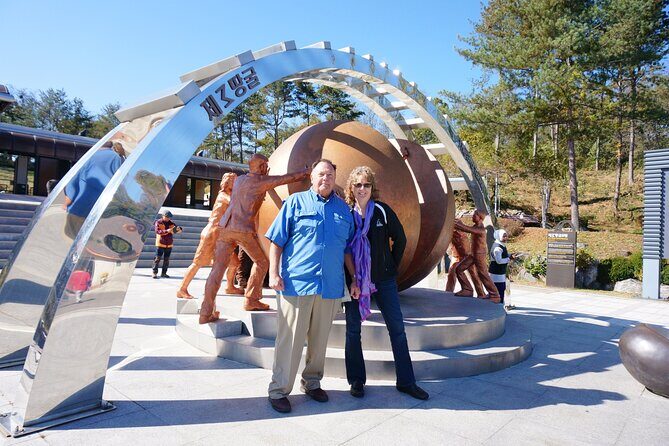
After the DMZ, you head to Imjingak Pyeonghoa-Nuri Park. It’s described as about 56 kilometers from Seoul City Hall and roughly 7 kilometers from the DMZ, which makes it a natural pairing. Admission here is listed as free, so you’re getting another meaningful stop without extra ticket cost.
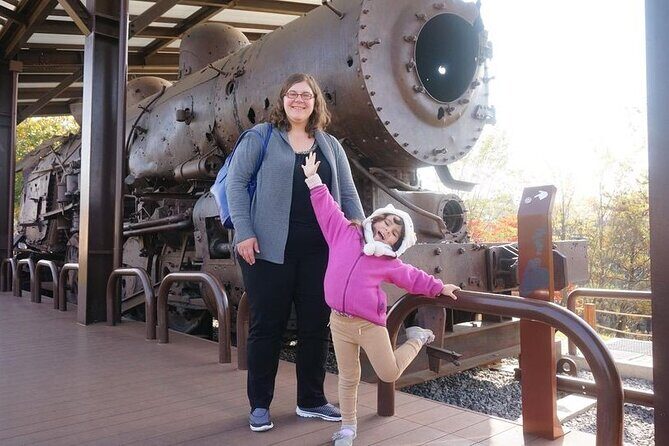
This is one of those places where the emotional logic becomes more concrete. The tour notes that the resort has various war-related artifacts and spacious areas associated with peace and remembrance themes (the name Pyeonghoa ties into peace ideas). You’ll likely find yourself thinking less in terms of borders on a map and more in terms of what conflict means for families, losses, and hope.
The main drawback to watch for is pacing. The DMZ stop can be intense, and then you’re moving to another concentration of memorial material. If you want the day to feel balanced, use Imjingak for a slower reset—walk around rather than rushing, and let your guide steer you into context.
Heyri Art Village: A K-Drama-Adjacent Break That Still Fits the Day
Then you shift gears to Heyri Art Village. This stop is about 2 hours and is also free (admission ticket free is listed). The tour describes it as a K-drama shooting place, with an art gallery plus modern-style coffee shops and cafés.
I like this pairing because it avoids the common mistake: going from heavy history to pure downtime with no transition. Heyri gives you a social, creative atmosphere after the border area. It also keeps the day from turning into a two-stop overload.
What to do with your time there: treat it as a stroll stop. Browse the art spaces if you’re curious, grab a coffee if you need a real break, and use the time to decompress. Since lunch isn’t included on the tour, this can also be your practical chance to manage food—just remember that café hours and crowding can vary, so don’t leave it to the last minute if you’re hungry.



Price and What You Really Get From the $230 Package
At $230 per person, this isn’t a bargain-basement DMZ outing. But the cost is easier to justify when you look at what’s included and what’s avoided.
Included:
- Air-conditioned private transportation
- Private transportation (not just shared bus style)
- Expert certified guide
- Hotel pickup and drop-off
- Entrance fee (including the DMZ admission)
Not included:
- Lunch
That “entrance fees included” detail matters. DMZ-related admission costs can add up fast when they’re not bundled. Here, you start the day knowing your biggest paid variable is handled.
Value also comes from time and stress. A private car means fewer pickup delays and less scrambling. A licensed English guide with army experience means you’re paying for interpretation, not just sightseeing.
The main “cost risk” is the lunch gap. If you normally like sit-down meals and you rely on the tour to time everything for you, you may end up paying for convenience food later than you’d like. For most people, though, this is a simple fix: plan for snacks and treat lunch as something you’ll handle yourself near your free time windows.
Scheduling Reality: What 7–8 Hours Feels Like
This tour runs about 7 to 8 hours, starting at 7:30am. That’s a full day, not a quick half-day border hit. The schedule is built around a DMZ focus first, then Imjingak, then Heyri.
If you’re thinking about it like a typical city sightseeing day, you’ll likely misjudge it. This one is structured for a specific atmosphere. You’re alternating between intense context and then a more relaxed art stop. It works well for many people because it creates contrast—just don’t plan the rest of your evening too tightly.
Because it’s private, your group pace matters. If you’re the kind of person who likes questions and pauses, the private format is helpful. If you’re trying to minimize time outdoors, wear layers and plan for weather.
Who Should Book This Private DMZ Tour
This is a strong choice if:
- You want a DMZ experience explained in clear English, not just a general tour script.
- You care about hearing personal-style military context (the guide background is emphasized in the description).
- You prefer private comfort: hotel pickup, drop-off, and an air-conditioned car.
- You’d like a balanced day: history-heavy first, creative/art stop after.
It’s also a good fit for first-time South Korea visitors who want one “cannot-miss” regional experience without turning it into an endurance test.
If you’re the type who wants to do everything on your own, this may feel scheduled. But if you value guidance and pacing, this tour format is built for you.
Should You Book This DMZ Private Day Tour?
I’d book it if your top priority is understanding—especially the human and security side of what the DMZ represents. The combination of entrance fees included, private hotel transport, and an English guide with army experience makes the price feel more grounded than many “DMZ photo tour” options.
Skip it (or rethink it) if you don’t handle long days well, or if you hate managing your own meal timing since lunch isn’t included. Also, if outdoor walking would be a struggle, bring your best shoe choice and consider whether moderate fitness is really you on a 7–8 hour day.
FAQ
What time does the tour start?
The tour start time is listed as 7:30am.
How long does the tour take?
It runs approximately 7 to 8 hours.
Is hotel pickup and drop-off included?
Yes. Pickup from your hotel and return to your hotel are included with private transportation.
Are entrance fees included?
Yes. Entrance fees are included, including the DMZ admission.
Is lunch included?
No. Lunch is not included.
Is this a private tour?
Yes. It’s a private tour/activity, and only your group participates.
What language is the guide?
The tour includes a licensed English guide.
If you want, tell me your travel dates and whether you’re comfortable with early mornings. I can suggest how to plan food and timing around the no-lunch part of the day.