REVIEW · SEOUL
Noryangjin Fish Market Dinner
Book on Viator →Operated by Honey Trail · Bookable on Viator
Dinner at Noryangjin is a feast with purpose. This small-group outing lets you walk the fish market with a Korean-speaking guide and pick seafood before it becomes your dinner. Then you get a short post-meal stroll to Sayuksin Park for views over the Han River and the tombs of King Danjong’s seven loyalists.
What I like most is how the guide turns a chaotic market into something you can actually use, not just stare at. You also get a genuine small-group setup (up to seven people), so the experience doesn’t feel like you’re being herded along. One thing to plan for: the seafood selection can change day to day, and crab or lobster cost extra while drinks are not included.
In This Review
- Key takeaways before you go
- Why Noryangjin Fish Market dinner feels different
- The market walk: choosing seafood with a local Korean guide
- Crab and lobster: plan for extras
- Your seafood may vary day to day
- Eating inside the market: what’s included (and how ordering works)
- Typical options you might run into
- The guide can help you expand your order
- The Sayuksin Park stroll: Danjong’s loyalists and Han River views
- Price and value: what $112.55 is really buying
- The main “value gotcha”: what’s not included
- Small group size: why seven people matters
- What to watch for before booking
- Who this tour suits best (and who might prefer something else)
- Booking and timing tips for a smooth evening
- Should you book the Noryangjin Fish Market dinner?
- FAQ
- FAQ
- How long is the Noryangjin Fish Market dinner experience?
- Where does the tour start and end?
- How many people are in the group?
- What’s included in the price?
- Are drinks included with dinner?
- Does the included seafood include crab or lobster?
- Will I be able to choose my own seafood?
- What if the seafood available changes by season?
- Is the tour guaranteed to run every day?
- What is the cancellation policy?
Key takeaways before you go
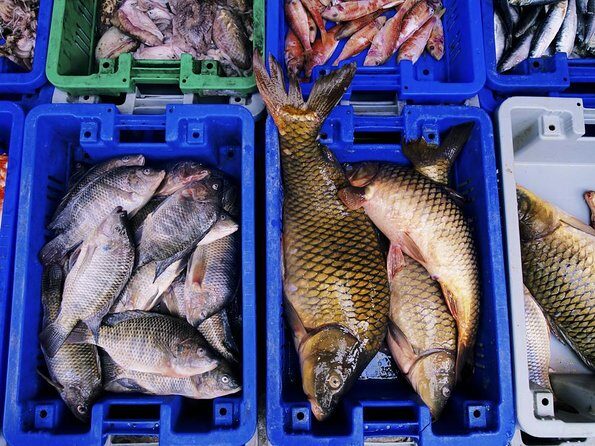
- Pick the catch first: you choose what you want, then it gets prepared for you
- Small-group dinner: maximum seven people, so you can ask questions
- Korean-speaking guide: they help you get around the market and order without stress
- What’s included is the meal, not the add-ons: crab/lobster cost extra, and drinks are on you
- Seasonal seafood reality: your exact spread may vary depending on the market
Why Noryangjin Fish Market dinner feels different
Seoul has plenty of food tours. This one works because it starts where the food is actually traded, not where it’s already cleaned up for tourists.
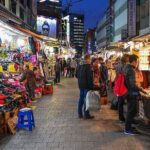
Noryangjin Fisheries Wholesale market is the big one in Seoul. It handles about 50% of metropolitan volume and moves roughly 250 to 300 tons of fishery products every day. That matters for your dinner because it’s the kind of place where the day’s market conditions shape what looks best, is freshest, and is most available.
You’re also not just watching from the sidelines. The structure is simple: walk the market with a local guide, select seafood, eat it in a restaurant inside the market. That’s the practical magic here. It connects “I’m curious about seafood” to “I’m eating seafood the way Koreans order it.”
You can also read our reviews of more shopping tours in Seoul

The market walk: choosing seafood with a local Korean guide
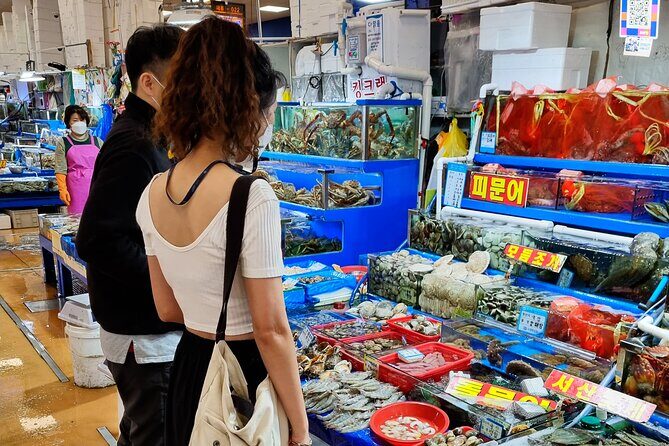
Your evening starts at Noryangjin Station, and the tour keeps things focused for about two hours total. Early on, you’ll meet your guide and head into the market with a small group. The goal is to make the market readable: where to look, what to ask for, and how to translate options into an actual order.
The tour is designed around you choosing your catch. That’s a big deal here because seafood choices aren’t one-size-fits-all. Different textures, cooking styles, and even what’s available that day can change your whole meal. And you’re not left to guess. The guide is Korean-speaking, which helps if you’re not fluent or if menus and vendors move fast.
Crab and lobster: plan for extras
The core meal is included, but crab and lobster are not. The listing is clear about that, and I think it’s the right way to do business in a wholesale-heavy market. Seafood prices swing with season and market conditions, so the tour reserves crab/lobster as add-ons rather than promising a fixed “premium seafood” plate.
If you want those, you can still do it—just expect an additional cost. The best move is to decide what you want most before you sit down at the restaurant, and let the guide help you turn that desire into an order.
Your seafood may vary day to day
Even with a set dinner framework, what you get can change. Seasonal availability and what’s showing best in the market matter. That’s not a downside; it’s often the point. If you only travel once, you don’t want a tour that forces the same menu no matter what’s fresh.
The guide also makes choices based on the market situation each day. So your dinner won’t look like a generic seafood sampler. It should look like what’s actually good right now.
Eating inside the market: what’s included (and how ordering works)
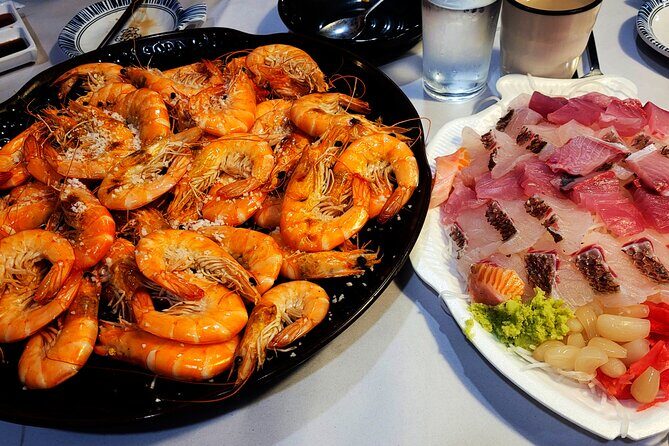
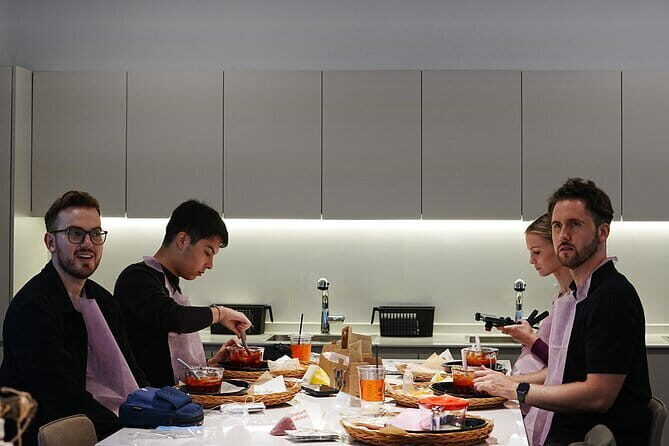
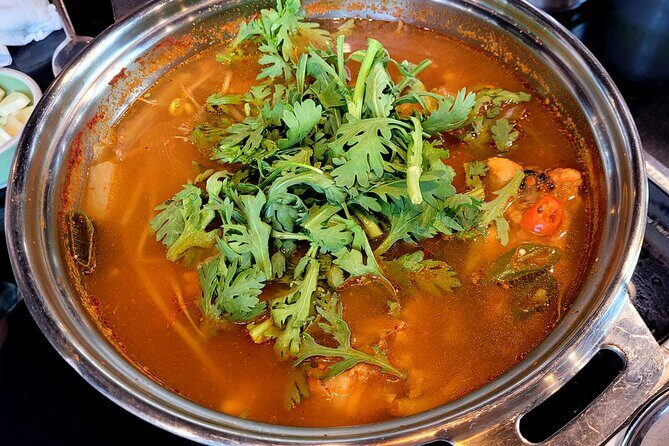
After you choose seafood, the group heads to a restaurant within the market to have it prepared. This is where the tour becomes more than sightseeing. You’re converting a market selection into a cooked meal while everything is still fresh and close at hand.
The dinner includes the foods prepared from what’s selected. Drinks are not included, so you’ll want to budget for whatever you like to drink with seafood. Because drinks aren’t bundled, the best value comes from treating the price as a “seafood dinner ticket,” not an all-you-can-eat plan with unlimited beverages.
You can also read our reviews of more tours and experiences in Seoul



Typical options you might run into
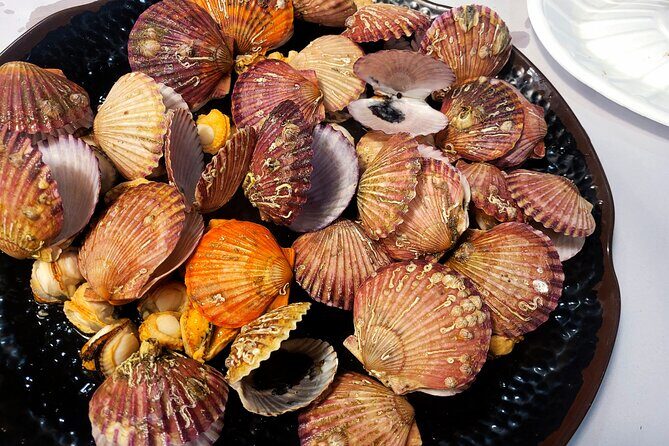
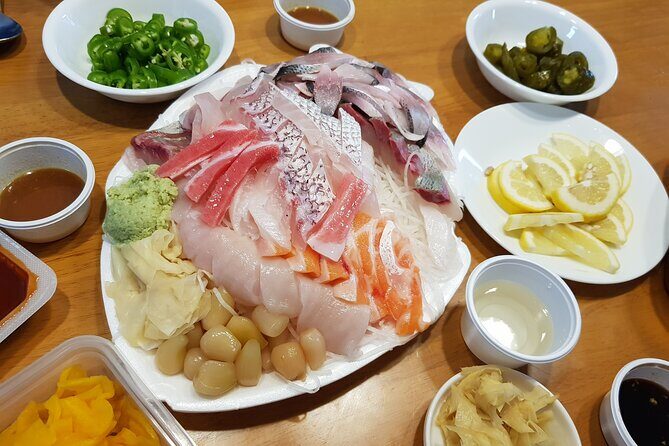
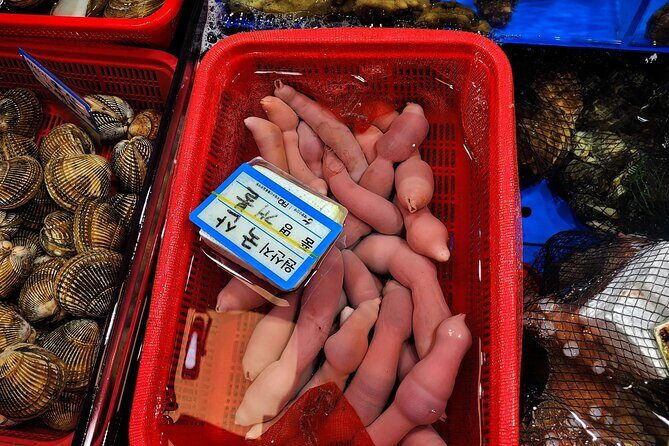
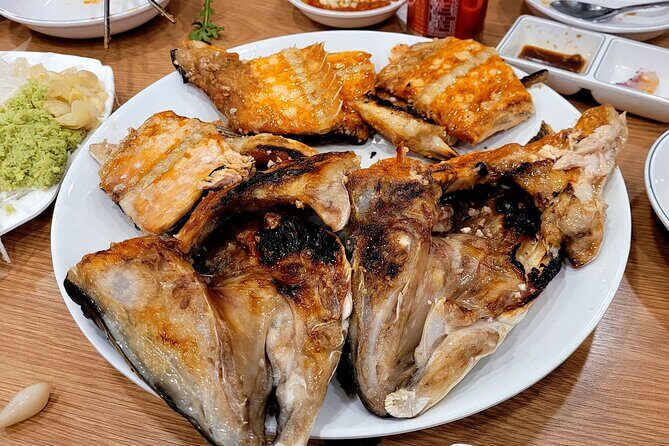
The seafood spread can vary, but you should expect a real mix of Korean seafood preparations. In past experiences with this guide, orders have included items like sashimi, shrimp, abalone, sea pineapple, sannakji, and even spoon worms. Not every day will match that exact list, but it gives you a sense of the range.
That variety is a reason this tour earns top scores. Seafood isn’t just one flavor. It can be raw, sliced, chewy, tender, or intensely ocean-forward. When the guide helps you order intelligently, you don’t end up stuck with one safe item you can’t really taste.
The guide can help you expand your order
One of the most praised moments in this kind of market dinner is the flexibility. If you see extra seafood you want to try, the guide can help you purchase more of what you like. That’s especially helpful when you’re curious but aren’t sure how to order.
If you’re the type who wants a “taste menu,” this is where you can add on. Just remember: the included meal is the baseline, and anything outside that—like crab/lobster or extra dishes—will cost more.
The Sayuksin Park stroll: Danjong’s loyalists and Han River views
Once dinner is sorted, you head out for a walk to Sayuksin Park. This isn’t a long museum stop. It’s a lighter end to the evening: a chance to reset after seafood and to swap the market scene for something open-air.
Sayuksin Park is known for the tombs of King Danjong’s seven loyalists. Even if you don’t know the story, the layout and the setting give you a clear sense of “important place” energy. And the park offers views over the Han River, which is a nice contrast to the tight corridors and busy stalls of the market.
Practically, it also helps you cool down and digest. Two hours inside a fish market can be intense. This is a gentle landing before you head back to Noryangjin Station.
Price and value: what $112.55 is really buying
At $112.55 per person, this isn’t the cheapest way to eat seafood in Seoul. But it also isn’t trying to be.
You’re paying for three things that cost real money and time:
- A guided market experience with a local Korean-speaking guide
- A prepared dinner at a restaurant inside the market
- A small-group format (maximum seven people), which takes effort to organize
Also, the food component isn’t fixed. The seafood price can change based on the market and season, and the tour adjusts what you eat accordingly. That means you aren’t paying for a rigid menu that might not match what’s best that day.
The main “value gotcha”: what’s not included
The two biggest add-on factors are:
- Crab and lobster (extra cost)
- Drinks (not included)
So if you love seafood and want premium crustaceans plus cocktails or beer, your final spend will rise. If you’re happy with a solid mix of seafood dishes and keep drinks moderate, the price can feel more reasonable.
A smart strategy is to decide early how you want to approach your budget: do you want the included dinner to be the core, or do you want to add one premium item like crab or lobster?
Small group size: why seven people matters
A maximum of seven travelers doesn’t sound like a big deal on paper. In practice, it helps the guide move at the right pace and gives you space to ask questions.
With a small group, you’re not stuck waiting behind people who are still figuring out what they’re looking at. The guide can also respond faster if someone wants to adjust ordering based on what they see in the moment.
It’s also easier to keep the experience personal. Even when people come alone, the guide can still run it like a real dinner outing rather than a “big group event.”
What to watch for before booking
This tour is built around the market and a restaurant reservation. A few practical considerations can help you have a smoother night:
- Seafood varies. Your exact meal changes day to day depending on availability and market situation. If you have a strict must-have item besides what’s included, you’ll want to ask how that works.
- Crab/lobster aren’t included. If you’re specifically chasing those, treat them as add-ons.
- You need at least two participants for it to run. The restaurant booking depends on having enough people.
- Mobile ticket means you’ll want your phone charged and ready for check-in.
And one more subtle point: market dinners are sensory. You’ll be close to lots of seafood and active vendors. If you prefer a quiet meal environment, this experience is more “real working market” than “calm restaurant.”
Who this tour suits best (and who might prefer something else)
This is a strong fit if you:
- Want to choose seafood yourself rather than relying on a fixed set menu
- Like having a guide to translate and explain what you’re seeing
- Enjoy eating adventures, including trying unfamiliar seafood preparations
- Prefer a small group dinner over a large bus-tour vibe
You might want to skip or rethink it if you:
- Only want one very specific type of premium seafood and don’t want to pay extra
- Are uncomfortable with a working wholesale market environment
- Want drinks included in the price without any add-on planning
Booking and timing tips for a smooth evening
This tour is typically booked about 45 days in advance. That’s a hint: restaurant space and the market plan are not last-minute friendly. If your trip has fixed plans, it’s worth booking early so you can pick a day that won’t force compromises.
Also, start your night with realistic expectations: the market doesn’t work like a museum. It’s fast, practical, and heavily focused on trade. Your best experience comes from going in with curiosity and trusting the guide to help you order what will work well.
Should you book the Noryangjin Fish Market dinner?
If you want a seafood dinner that feels connected to real local sourcing, this is one of the more direct ways to do it in Seoul. The standout reason to book is the combination of a Korean-speaking guide plus a small group size, which turns market chaos into an actual meal plan.
Book it if you’re excited to pick seafood, learn what you’re ordering, and enjoy a range of preparations beyond the usual tourist seafood. Skip it only if you need drinks included, want a fixed menu every time, or insist on crab/lobster being included in the price.
FAQ
FAQ
How long is the Noryangjin Fish Market dinner experience?
It runs for about 2 hours.
Where does the tour start and end?
It starts at Noryangjin Station in Seoul, South Korea, and it ends back at the meeting point.
How many people are in the group?
The tour has a maximum of 7 travelers.
What’s included in the price?
The tour includes dinner. The seafood foods prepared from what you choose are included.
Are drinks included with dinner?
No. Drinks are not included.
Does the included seafood include crab or lobster?
No. Crab and lobster are not included and cost extra.
Will I be able to choose my own seafood?
Yes. You’ll tour the market and choose your preferred catch, and then it’s prepared at a restaurant.
What if the seafood available changes by season?
That’s expected. The seafood selection can vary depending on season and market conditions, and the guide aims to select what’s best that day.
Is the tour guaranteed to run every day?
It only operates when at least 2 participants are signed up because the restaurant needs a minimum group size. If it doesn’t meet the minimum, you get a full refund or an alternative date/experience.
What is the cancellation policy?
You can cancel for a full refund if you cancel at least 24 hours before the experience start time.