REVIEW · SEOUL
DMZ Tour from Seoul – Optional Suspension Bridge Experience
Book on Viator →Operated by I Love Seoul Tour · Bookable on Viator
The DMZ is history you can feel. This half-day tour from Seoul brings you to the Korean Demilitarized Zone with Imjingak Park and the Third Tunnel, plus Dora Observatory if conditions allow. One thing to keep in mind: DMZ schedules are controlled by the military, so some stops can be changed or canceled on short notice.
I like the structure here. You get a tight run of sites tied to the Korean War and the border today, with round-trip-style transport from central Seoul and a professional local guide. The tone is serious, but the day doesn’t drag—just don’t expect a relaxed, free-for-all itinerary.
If you’re hoping for the Dora telescope view, plan around weather. Clear skies can make the difference between seeing distant North Korea features and getting a gray, limited view.
In This Review
- Key things I’d plan around before you go
- DMZ access in one practical half-day
- Price and Logistics: what $27.50 really means
- Imjingak Pyeonghoa-Nuri Park: where unification hopes meet monuments
- The Third Tunnel: a narrow, timed look at how the border was engineered
- Dorasan Station closure: the DMZ’s moving target reality
- Dora Observatory: telescope views that depend on the sky
- When plans shift: alternative route options
- The guide experience: why names keep showing up
- Pistol shooting add-on: optional, age matters
- What to bring and how to handle the day
- Who should book this DMZ tour from Seoul
- Should you book it?
- FAQ
- How long is the DMZ tour from Seoul?
- Do I need a passport for this tour?
- Is lunch included?
- Does the tour include pickup from my hotel?
- What stops are included in the standard itinerary?
- Can I see North Korea through the telescope at Dora Observatory?
- Is the Third Tunnel admission included?
- Is pistol shooting included?
- Can the tour be canceled due to military reasons?
- Is there free cancellation?
Key things I’d plan around before you go
- Half-day tour that can still feel long: about 7 hours, but busy days can stretch to roughly 8–9.
- Tunnel access is the star: the Third Tunnel visit is included and timed, so you’ll experience it without rushing.
- Weather matters for the telescope: Dora Observatory viewing is conditional on clear conditions.
- Dorasan Station may be closed: it’s listed as closed due to military reasons.
- No shopping detours: the itinerary avoids stops like ginseng or amethyst factories.
- Small group size: capped at 40 people, which helps the pacing at checkpoints.
DMZ access in one practical half-day
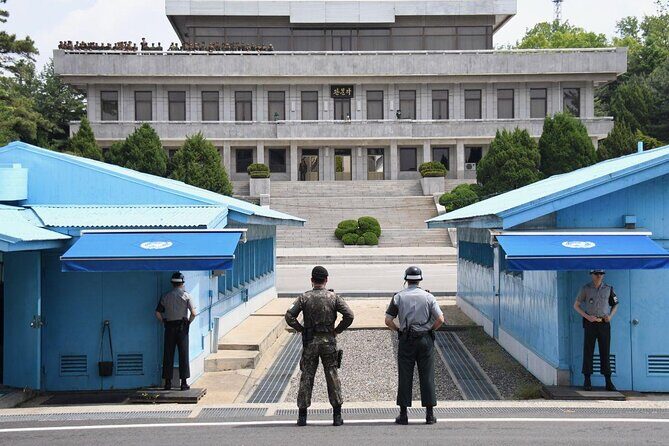
The DMZ tour is one of those Seoul experiences that doesn’t feel like a museum trip. You’re going to real border geography, real checkpoints, and places shaped by decades of tension. Even if you know the headline facts about the Korean War, the visit helps the conflict make sense in physical space.
This itinerary is built for impact in limited time. You start near the DMZ story at Imjingak Park, then move into the ground-level reality at the Third Tunnel, and finish with a distant look from Dora Observatory. If the day cooperates, the telescope view turns “North Korea as an idea” into “North Korea as something you can point at from a specific spot.”
The flip side? You’re not in charge. Military operations run the show. That’s why you should keep your expectations flexible and your schedule durable—especially with a tour that can be altered if conditions change.
You can also read our reviews of more tours and experiences in Seoul.
Price and Logistics: what $27.50 really means
At $27.50 per person, this DMZ tour is priced like a value play compared with many Seoul day trips. The big reason: transport from central areas is part of the package, and key admissions are covered on the stops that count.
Here’s what helps the value feel real:
- Transport with air-conditioned coach or minivan
- Professional local guide
- Admission at the Third Tunnel
- Admission at Dora Observatory
A couple of practical notes will save you headaches. Lunch isn’t included, so you’ll want to plan for either buying food during breaks (if offered) or eating before the tour starts. Also, your tour ends with a drop-off at City Hall or Myeongdong, so make sure your evening plans can handle arriving back in the center.
Pickup is offered for centrally located Seoul hotels (including areas like Gangnam, Myeongdong, Gwanghwamun, Itaewon, Dongdaemun). If your place is outside Seoul—like Incheon—you’ll either make your own way to Seoul or pay an extra charge based on distance. If your hotel is down alleys, staff may meet you at the nearest central hotel or subway station.
Imjingak Pyeonghoa-Nuri Park: where unification hopes meet monuments
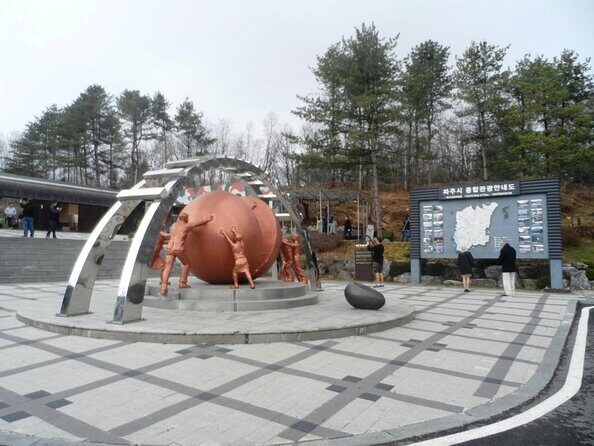
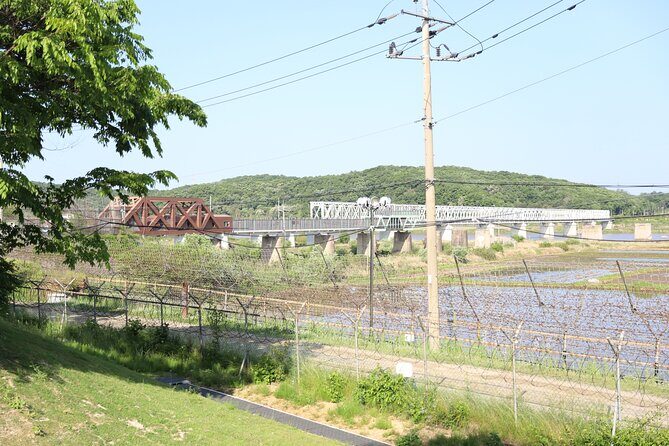
Your first stop is Imjingak Pyeonghoa-Nuri Park, about 7 km from the Military Demarcation Line. This is the kind of place where the geography is close enough to feel relevant, but the emotional weight is what sticks with you.
Imjingak was built in 1972 with the idea that unification could one day happen. The park has a few layers: monuments, Unification Park, and the North Korea Center. There’s also a three-storied Imjingak building that gives the area a bigger-than-just-a-park feel.
The visit is free (admission ticket free) and paced around about 40 minutes. That’s enough time to walk, read the key markers, and get the “why this matters” context before you go underground at the tunnel. The one drawback? If you’re looking for nonstop activity, this stop is more reflective than action-heavy.
The Third Tunnel: a narrow, timed look at how the border was engineered
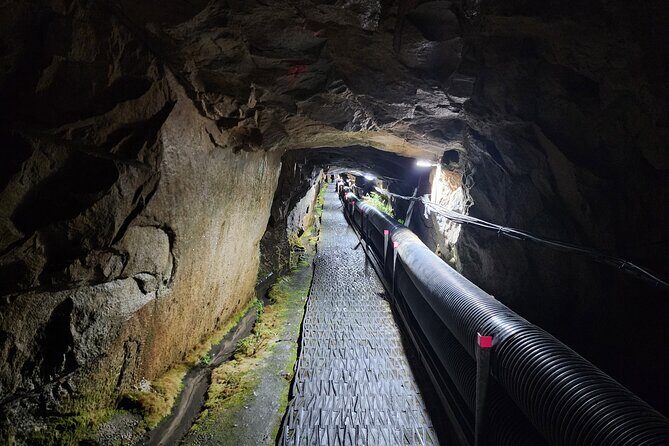
The Third Tunnel is the stop that most people remember clearly. It was discovered by South Korea in 1978 and stretches about 1,635 meters long. The dimensions given are tight—around 2 meters in width and 2 meters in height—so you’re not walking into a Hollywood-style cavern. This is cramped by design, and that physical reality makes the story click.
You’ll spend about 40 minutes here, with admission included. The tour time matters because tunnels can only be experienced at the pace of the site rules, not yours. It’s also helpful to know the tunnel is estimated to allow around 30,000 soldiers to move through per hour. That number is jarring when you think about how narrow the space is.
Practical consideration: moderate physical fitness is listed as a requirement. Even if the walk isn’t extreme, tunnels can mean stairs, enclosed areas, and some uneven footing. Wear shoes you trust.
This is also where guide style really shows. When the facts are explained well, you don’t just see a tunnel—you understand why it exists and why it’s still talked about decades later.
Dorasan Station closure: the DMZ’s moving target reality
There’s a stop listed at Dorasan Station, which is the northernmost station on South Korea’s railway line, about 56 km from Seoul. But it’s also listed as closed due to military reasons.
That matters because it’s a reminder that DMZ access can change based on conditions you can’t control. When a stop is closed, the day’s pacing and flow can still work—but you should expect that you might not see everything that looks on paper.
If you’re the type who hates uncertainty, this is the part to handle in advance mentally. Think of Dorasan as a bonus if it opens—rather than something you plan your whole emotional arc around.



Dora Observatory: telescope views that depend on the sky
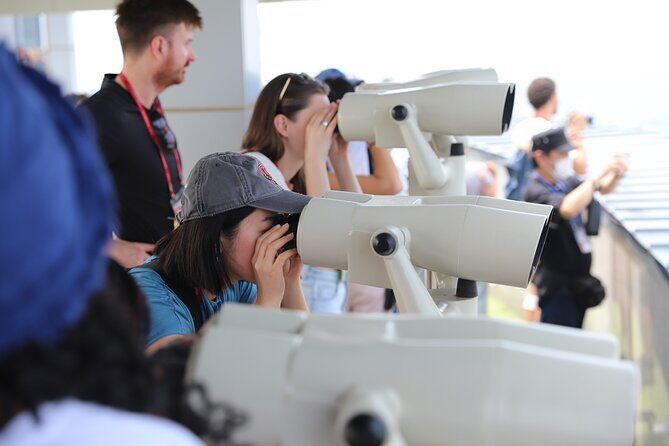
The last major stop is Dora Observatory, where you can overlook North Korea and several locations. The sites named include Gaeseong, Songaksan, the Kim Il-Sung Statue, and the Cooperation Farm (Geumamgol). The key detail is that on a clear day you can look through a telescope into North Korea.
You get about 30 minutes at Dora Observatory, with admission included. That’s a short window, so bring your attention with you. The telescope experience is the main “wow,” but it’s not guaranteed in the way a rooftop view is. Weather can soften distances or block visibility entirely.
If you’ve got the chance to dress for changing conditions, do it. A “nice enough for Seoul” day can still be chilly or hazy out on the viewing points. Clear skies are the best friend here.
When plans shift: alternative route options
Because the DMZ is operated by the military, the trip may be canceled without prior notice, and the itinerary may be altered due to road conditions, weather, or government orders. Also, DMZ sites are sometimes affected by incidents, crowd levels, and training schedules.
One included backup route lists:
- Imjingak Park
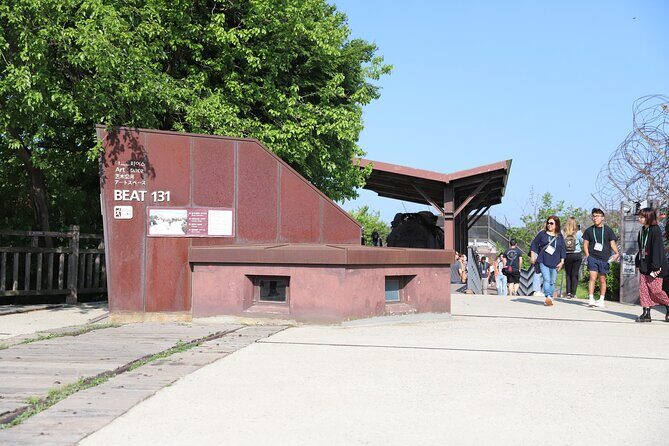
- Art Space BEAT 131
- Odusan Unification Observatory
- War memorial of Korea
- Dismissal at City Hall or Myeongdong
The big lesson: the tour is designed to still give you border-related context even when certain DMZ-specific access changes. The downside is obvious—if you came specifically for the tunnel or telescope, you’ll feel the difference if those parts are limited that day.
The guide experience: why names keep showing up
Good guides matter here more than they do on most city tours, because the material is heavy and the sites are tightly controlled. Based on the guide feedback, several names show up repeatedly: Stella, Kenny, Chloe, Leo, Jun, Chong, and Jung.
The most praised pattern is simple:
- Guides kept the day organized even with crowds and timed stops.
- English communication was strong.
- Guides were friendly, patient with questions, and willing to adjust when access changed.
On one day, a guide adaptation was highlighted when the group had to leave an area prematurely, but the tour still continued with the goal of keeping the experience intact. Another detail I like: the tour sticks to its promise of skipping the usual souvenir-shop funnel. That keeps your limited time for the DMZ content, not for forced shopping detours.
Pistol shooting add-on: optional, age matters
The tour includes pistol shooting if the option is selected. There’s also a clear requirement: participants must be over age 14.
If you’re not selecting that option, you can focus on the history stops without worrying about an extra activity. If you are, plan for a structured, rule-based experience tied to the site’s safety procedures. It’s not something I’d treat as casual—more like a separate activity that uses time.
What to bring and how to handle the day
You’re dealing with ID checks and military-run timing, so your prep needs to be boring in a good way:
- Bring your current valid passport and have it ready on travel day.
- Dress in layers. Weather can shift fast, and telescope visibility depends on conditions.
- Wear comfortable shoes for walking and any stairs near the stops.
Also, expect occasional waiting. One guide note in the feedback pointed out that start waits can happen when DMZ crowds are heavy. On those days, it’s best to accept it as part of the process rather than a failure of the tour.
Who should book this DMZ tour from Seoul
This is a great fit if:
- You want a first DMZ visit without committing to a full-day plan.
- You like guided context that connects the Korean War to what you see in person.
- You want transport from central Seoul and don’t want to wrestle schedules.
This may not be the best fit if:
- You need a highly flexible itinerary with lots of free time. DMZ days are controlled and timed.
- You’re highly sensitive to change. Weather, military training, and closures can alter stops.
- You’re expecting a full menu of DMZ sites every single time. Dorasan Station is listed as closed, and access can vary.
Should you book it?
If you’re asking me whether this is worth your time and money, I’d say yes—with one condition: you treat it as a guided DMZ experience, not as a guarantee of every possible view.
At $27.50 with transport, a professional guide, and admissions that include the tunnel and Dora Observatory, it’s strong value for a first visit. The best part is the combination: Imjingak gives you the “why,” the Third Tunnel gives you the physical reality, and Dora Observatory gives you the “that’s North Korea over there” moment when the sky cooperates.
Book it if you can handle the border’s reality: sometimes things shift, and you show up ready to roll with it. Skip it if your ideal day is hands-free, totally predictable, and weather-proof.
FAQ
How long is the DMZ tour from Seoul?
It runs about 7 hours, though the end time can differ depending on the number of tourists and traffic that day.
Do I need a passport for this tour?
Yes. A current valid passport is required on the day of travel.
Is lunch included?
No. Lunch is not included.
Does the tour include pickup from my hotel?
Pickup is available for centrally located Seoul hotels, and staff may meet you at a nearby central hotel or subway station if your hotel is behind alleys. If you’re outside Seoul, you may need to make your own way to Seoul or pay an extra charge based on distance traveled.
What stops are included in the standard itinerary?
The tour includes Imjingak Pyeonghoa-Nuri Park, the Third Tunnel, and Dora Observatory. Dorasan Station is listed as closed due to military reasons.
Can I see North Korea through the telescope at Dora Observatory?
You can look through a telescope depending on weather conditions. Clear conditions improve the chance of a good view.
Is the Third Tunnel admission included?
Yes. Admission to the Third Tunnel is included.
Is pistol shooting included?
Pistol shooting is included only if you select the option. Participants must be over age 14.
Can the tour be canceled due to military reasons?
Yes. Since the DMZ is operated by the military, the trip may be canceled without prior notice, and schedules can also change due to weather and other government or military factors.
Is there free cancellation?
Yes. You can cancel up to 24 hours in advance for a full refund.
![Andong Hahoe Folk Village [UNESCO World Heritage] Private Tour from Seoul - The early pickup and the long ride out of Seoul](https://7.seoulescapes.com/wp-content/uploads/andong-hahoe-folk-village-unesco-world-heritage-private-tour-from-seoul.jpg)