REVIEW · SEOUL
Max Out Seoul: Must Visit City Highlights Panoramic Day Tour
Book on Viator →Operated by TOURSTORY · Bookable on Viator
Seoul in one long day beats guesswork. This 8 to 9 hour panoramic highlights route strings together classic palaces, old-market flavors, and modern design stops with English-speaking staff and round-trip transportation. It is a smart choice when you want a lot of Seoul without spending half your trip mapping trains and transfers.
What I like most is the pacing: you get quick hits at places such as Gwanghwamun Square and Gyeongbokgung Palace plus hands-on street time in Insadong and Gwangjang Market. I also like the structure—most entrances are listed as free, so you can budget around what you actually want to buy. The main drawback is that it is an ambitious day; you should expect a fair amount of moving and a route that can shift with traffic and weather.
In This Review
- Key highlights to look forward to
- Is This “Max Out Seoul” Day Tour Great Value?
- Meeting Point and How the Day Actually Unfolds
- Cheonggye Plaza: From Old Overpass to City Park Mood
- Gwanghwamun Square and the Gyeongbokgung Gate Ceremony
- Insadong’s Car-Free Lanes: Crafts, Tea Houses, and Ceramics
- Gwangjang Market: The Street Food and Shopping Reality Check
- Dongdaemun Design Plaza (DDP): Modern Seoul’s Design Face
- Seongsu-dong: Creative Streets, Art Spaces, and Coffee Stops
- Jamsil to Starfield Library: Tower Views and an Iconic Interior
- Sebitseom Floating Islands: Han River Views Without the Theme-Park Detour
- Who This Tour Suits Best (and Who Should Skip It)
- Should You Book Max Out Seoul?
- FAQ
- How long is the Max Out Seoul panoramic day tour?
- What is the price per person?
- What time does the tour start?
- Where do we meet for the tour?
- Is round-trip transportation included?
- What is included in the tour cost?
- Are meals included?
- Are entrance tickets included?
- Is there a mobile ticket?
- What is the group size and fitness expectation?
Key highlights to look forward to
- Cheonggye Plaza (Cheonggyecheon restoration area) right after the overpass-to-park story
- Gwanghwamun Gate at Gyeongbokgung Palace for the royal guard changing ceremony reenactment
- Insadong’s car-free weekend main street for crafts, tea houses, and ceramics shopping
- Gwangjang Market with an included twisted doughnut, plus time for street food and browsing
- Seongsu-dong creative streets with popular coffee shops and art spaces
- Han River photo stops at Starfield Library and Sebitseom Floating Islands
Is This “Max Out Seoul” Day Tour Great Value?
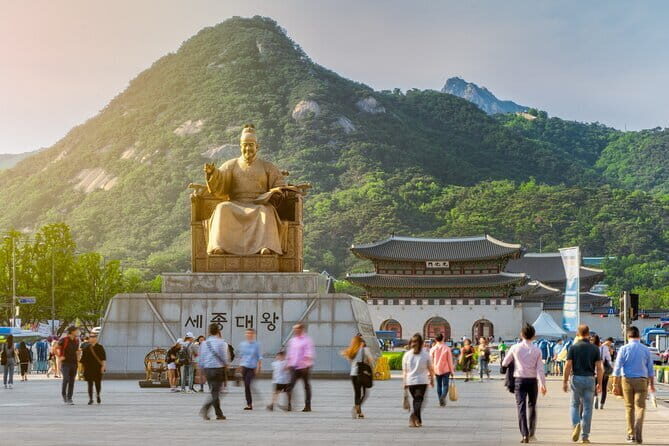
At $76.19 per person for roughly 8 to 9 hours, this tour is priced like a true “time saver.” You are paying for transport between distant areas, an English-speaking guide/staff presence, and organized time at major stops. When you compare that to solo day logistics, the math often works, especially if it is your first Seoul visit.
Value also comes from how many stops are listed as free admission. Cheonggye Plaza, Gwanghwamun Square, Gyeongbokgung Palace, Insadong, Seongsu-dong, Jamsil, Starfield Library, and Sebitseom are noted as free. The one place you should plan for spending is food or shopping at Gwangjang Market, where admission is not included and meals are not included overall.
The trade-off is that a lot is packed in. If you hate tight schedules or prefer slow wandering with long breaks, this may feel like a sprint. For most people, though, it is a very efficient way to get your bearings fast.
You can also read our reviews of more city tours in Seoul
Meeting Point and How the Day Actually Unfolds
Your day starts at 152 Sejong-daero, Jongno District. The tour is described as having round-trip transportation, and travel time between stops is included in the total duration. That matters because Seoul distances can trick you—what looks close on a map can eat time on the ground.
The tour begins at 9:10 am, so you’ll want to start your morning organized. The end location is different from the start, so don’t plan on your hotel being right at the finish line. Also note there is a maximum of 43 travelers, which is large enough to feel social but usually small enough for a guided flow.
One more practical reality: the route is subject to traffic and weather. That does not mean you are stuck in uncertainty; it means the order and timing may adjust. On a day with rain or heavy congestion, your best move is to stay flexible and treat each stop as the win.
Cheonggye Plaza: From Old Overpass to City Park Mood
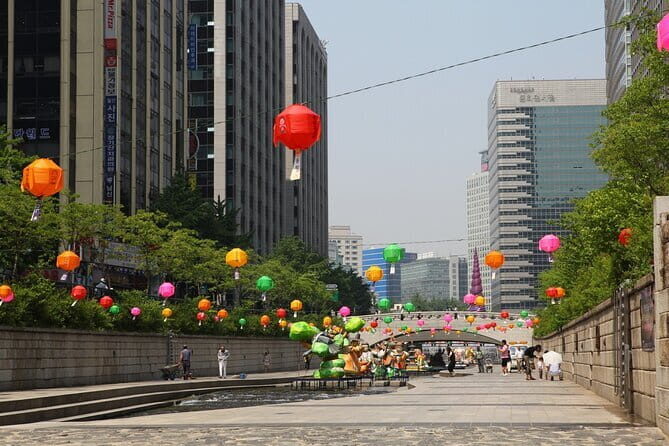
The tour’s first stop is Cheonggye Plaza, tied to the Cheonggyecheon restoration project that turned an overpass area into an urban park. This spot is more than a pretty walk; it is a clear example of Seoul changing how public space works. You get a quick orientation to the city’s modern planning style early on.
You have about 10 minutes here, which is just enough for a short stroll and getting a feel for the setting. It is also a good warm-up before the heavier historical stops later. If you love photos, aim for a couple of quick shots right away; the rest of the day will keep you moving.
Potential consideration: this is a very short stop. If you are the type who likes to linger in parks and people-watch for an hour, treat Cheonggye Plaza as a quick taste, not the main event.
Gwanghwamun Square and the Gyeongbokgung Gate Ceremony
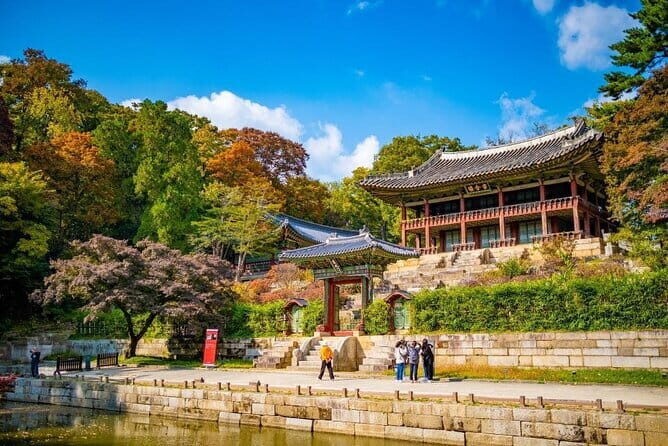
Next up is Gwanghwamun Square, placed in the heart of Seoul in front of Gwanghwamun Gate, the main entrance to Gyeongbokgung Palace. This square is open to the public and serves as a common gathering space for events and civic moments. It is a natural place to understand where the city’s big historical axis sits.
You spend about 25 minutes here. The timing sets you up well for the palace moment that follows.
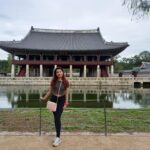
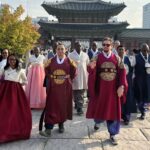
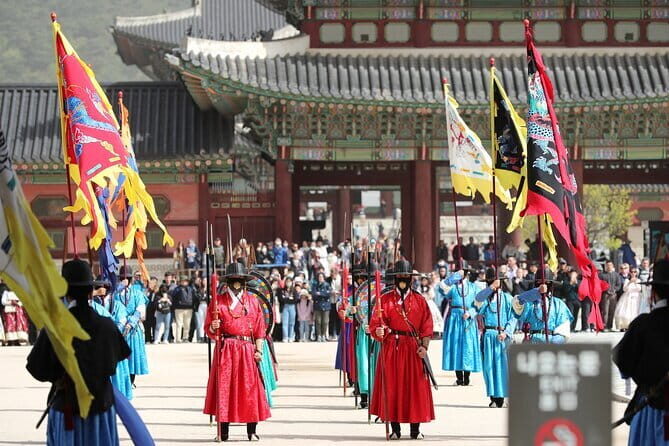
Then comes Gyeongbokgung Palace with a royal guard changing ceremony reenactment at Gwanghwamun Gate. The description notes costumes and weapons are reproduced based on historical records. That is the key: you’re not just sightseeing the gate and walls—you’re seeing a performance rooted in Joseon-era ritual.
You have about 30 minutes for this segment. It is enough time to watch the ceremony, take photos, and still move on without the day dragging. My advice: arrive ready. Wear layers if it’s chilly, and keep your phone charged, because this is one of the more visual stops on the itinerary.
Insadong’s Car-Free Lanes: Crafts, Tea Houses, and Ceramics
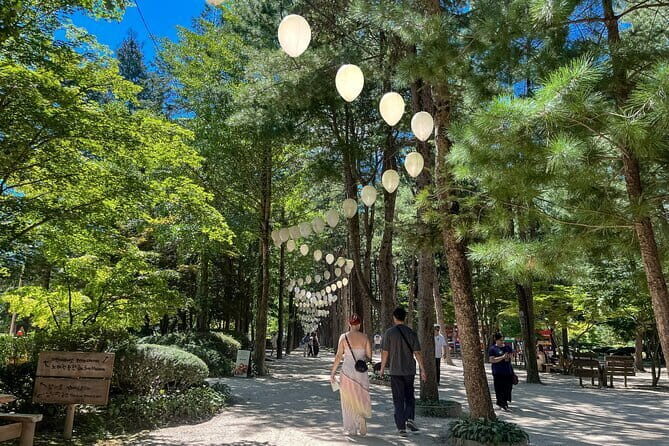
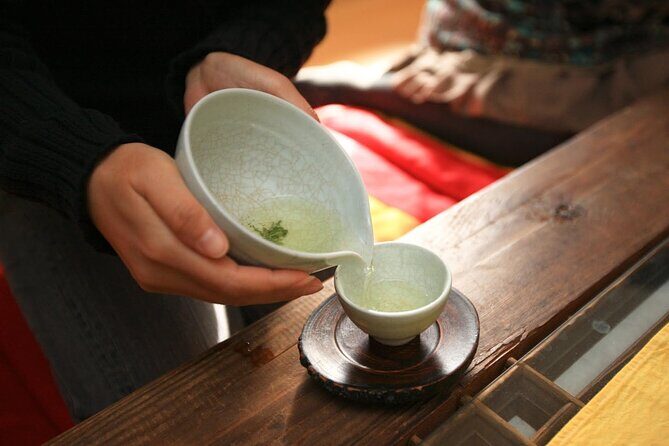
Then you shift into a much more human-scale Seoul at Insadong. The area is described as narrow alleys full of antique shops, art galleries, traditional tea houses, and craft stores. The shopping focus here is especially clear: traditional ceramics, calligraphy materials, and folk crafts are a big draw.
You get about 1 hour at Insadong, and that feels like the right amount. It is long enough to browse, pick up something small, and grab a snack if you want—without losing the whole afternoon to a single neighborhood.
A neat detail: the main street in Insadong is closed to vehicle traffic on weekends, turning it into a pedestrian zone. That can make the lanes feel more relaxed and walkable, with street performers and food vendors adding to the atmosphere.
Possible drawback: because it is shops and alleys, it can be easy to get “lost” in the best way, but also hard to find your way back quickly. If you like structure, pick a landmark in your mind early, like the street’s main stretch, and keep checking where your group is headed.


Gwangjang Market: The Street Food and Shopping Reality Check
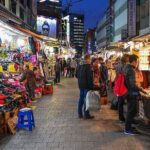
After Insadong, you get to Gwangjang Market, one of Seoul’s oldest and largest traditional markets. It was established in 1905, and it is known for goods like fabrics and clothing—plus, very importantly, Korean street food.
You have about 1 hour here. Admission is not included, but the good news is the tour includes a snack: one twisted doughnut per person at Gwangjang Market. That is a nice little perk because it means you start the market experience already having something local in your hands.
Meals are not included, so if you want more than the included doughnut, you should budget for it. This is the stop where your spending can creep up fast, because it is easy to keep saying yes to one more bite or one more purchase.
The practical value: this is one of the best ways to see how Seoulers shop and eat day-to-day, not just what tourists line up for. If your goal is authenticity over museum-style experiences, this is the part of the day you’ll likely remember.
Dongdaemun Design Plaza (DDP): Modern Seoul’s Design Face
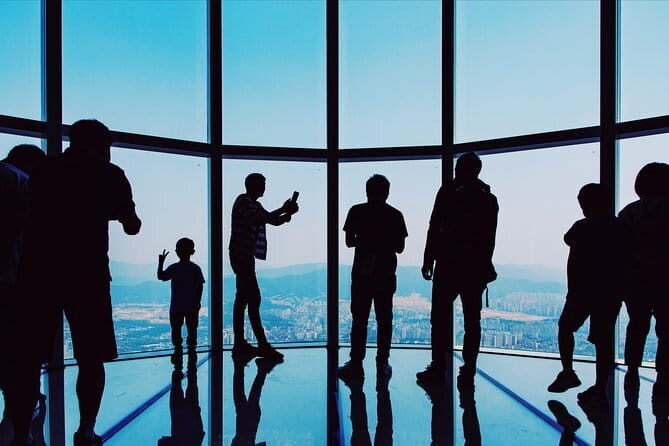
From there you head to Dongdaemun Design Plaza (DDP), described as a major urban development landmark with a neo-futuristic design—curving forms and smooth reflective surfaces. It’s also a hub for design and fashion, with exhibitions and events, plus museum and educational facilities.
The itinerary info does not list a specific time length for DDP, but it is clearly treated as a meaningful stop. I like that balance. You see palace-era Seoul first, then you switch to a modern architectural statement.
What to expect: this is a great place to walk around and take photos, especially if you enjoy architecture or design. It is also a good contrast after market browsing and alley walking.
Consideration: if your ideal day is mostly historical sites, DDP may feel more “scene and structure” than “time travel.” Still, it’s one of the city’s most recognizable modern backdrops.
Seongsu-dong: Creative Streets, Art Spaces, and Coffee Stops
Next is Seongsu-dong, famous for a creative arts scene. You are told the neighborhood hosts art spaces and studios for established and emerging artists, and it’s home to some of Seoul’s popular unique coffee shops with distinct design and atmospheres.
You get about 1 hour here, and the framing is useful: this isn’t only for people who want to buy souvenirs. It’s also for people who want a different Seoul flavor—more contemporary, more student/artist energy, and more “new economy” than palace-and-market.
The description notes that the neighborhood continues to evolve and also attracts tech startups and innovative businesses. That helps explain why it feels different from older districts.
Practical tip: if you care about coffee-shop interiors and photo angles, come ready to choose quickly. With a limited time window, it helps to pick the vibe you want first rather than hopping everywhere.
Jamsil to Starfield Library: Tower Views and an Iconic Interior
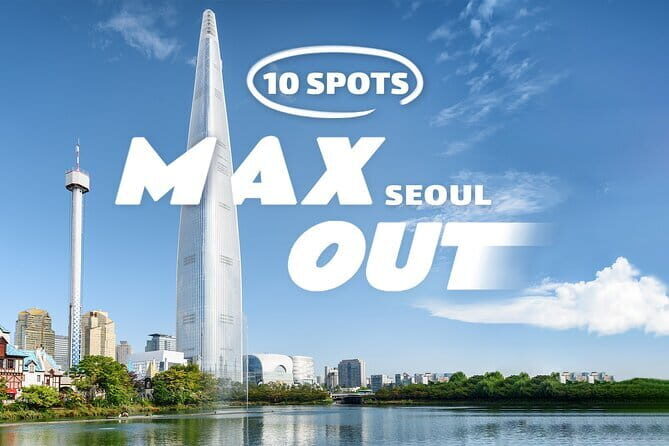
Then the tour heads to Jamsil, a district known for entertainment and sports, plus big skyline sights like Lotte World Tower and the adjacent Lotte World complex. The day includes a 20-minute stop, so this is a quick look rather than a deep theme-park visit.
Jamsil is also beside the Han River, with riverfront parks that are popular for biking, picnics, and walks. Even in a short time, you may get a feel for why people like spending time here.
After that comes Starfield Library, located inside Starfield COEX Mall. This is one of those places where you understand why it became a photo stop. The library spans two stories and has a towering wall of books around nearly 14 meters high, which creates a dramatic backdrop.
You get about 30 minutes. Admission is listed as free, and the mall setting means it’s convenient for a planned visit rather than chasing a hidden doorway. If you want a classic Seoul photo without needing extra tickets, this fits.
Consideration: it is inside a busy commercial complex. If you dislike crowds in enclosed spaces, arrive ready to move at a steady pace and focus on one or two key photo spots.
Sebitseom Floating Islands: Han River Views Without the Theme-Park Detour
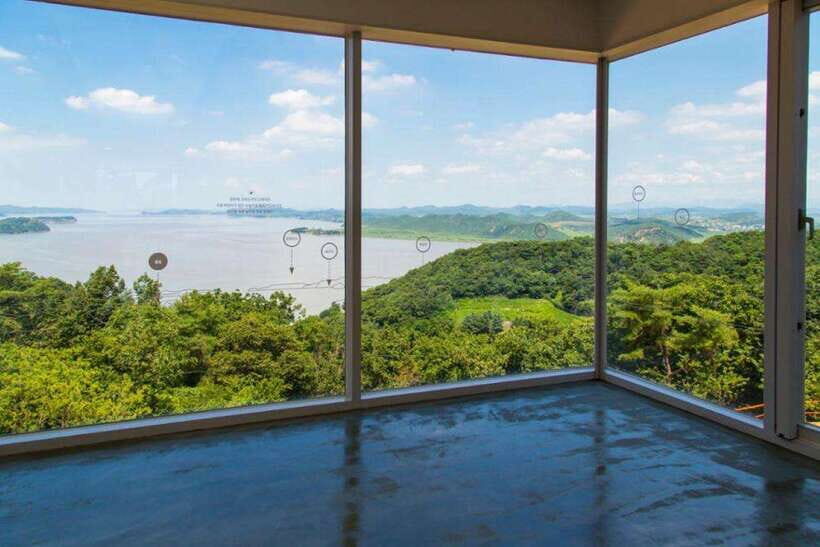
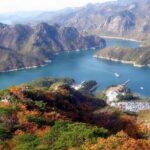
The day closes with Sebitseom, also called Sebitseom Floating Islands, on the Han River. It’s described as three man-made islands: Gavit Island, Chavit Island, and Solit Island. The overall idea is a mix of nature, technology, and art—Seoul’s innovation spirit in an outdoor setting.
You have about 1 hour here, and it is free admission. This stop is a strong end-of-day choice because it shifts you away from interiors and back into open air. After palace gates, market lanes, and malls, the river setting can feel like a reset.
What makes it worth it: the islands are purpose-built, so you get a clear “modern Seoul along the river” scene. If you like walking paths and fresh photos over souvenirs, this is a good payoff.
Practical consideration: being by the Han River, weather can matter. If the day has been gray or windy, keep your outer layer ready.
Who This Tour Suits Best (and Who Should Skip It)
This tour is best for you if you want a first-time Seoul orientation with a mix of traditional and modern highlights. It is also a good fit if you want someone else to handle the big travel moves and keep you on track, especially with English-speaking staff.
It is also a solid match if you like structure: the day is planned stop-by-stop, you start at 9:10 am, and you cover major districts in a single push.
You might want a different plan if:
- You like slow travel with long unstructured breaks
- You get grumpy when an itinerary changes due to traffic and weather
- You prefer fewer stops and more time at each
A note on fitness: the tour lists a moderate physical fitness level. That usually means you should expect some walking between sights and time on your feet. If you’re unsure, wear supportive shoes and keep water handy.
Should You Book Max Out Seoul?
If your priority is seeing the big Seoul hits without spending your limited vacation time figuring out logistics, I think this is a strong buy. The pricing works because transport + English-speaking staff + snacks are included, and many entrances are listed as free. Plus, the day includes both classic sights like Gyeongbokgung Palace and everyday texture like Gwangjang Market.
Book it if you want a day that feels like getting your bearings and then deciding where to return next time. I would pass if you’re the type who hates pace, crowds (especially in indoor places like Starfield Library), or you want a deep, unhurried exploration of one neighborhood.
If you’re on the fence, ask yourself a simple question: do you want Seoul in highlights, or Seoul at a slower local pace? This tour is for highlights.
FAQ
How long is the Max Out Seoul panoramic day tour?
The tour runs about 8 to 9 hours.
What is the price per person?
The price is $76.19 per person.
What time does the tour start?
The start time is 9:10 am.
Where do we meet for the tour?
You meet at 152 Sejong-daero, Jongno District, Seoul, South Korea.
Is round-trip transportation included?
Yes. Round-trip transportation is included, and travel time between stops is part of the total tour duration.
What is included in the tour cost?
Included items are round-trip transportation, English speaking staff, and snacks. There is also one twisted doughnut per pax at Gwangjang Market.
Are meals included?
No. Meals are not included.
Are entrance tickets included?
Most stops list admission as free. Gwangjang Market admission is not included, and the tour materials note other spending is not included.
Is there a mobile ticket?
Yes. The tour uses a mobile ticket.
What is the group size and fitness expectation?
The tour has a maximum of 43 travelers and is listed for guests with a moderate physical fitness level. If you’re bringing a baby stroller, you should inform the provider.