REVIEW · SEOUL
Essence Korea 3days Ptivate Tour(West/East)
Book on Viator →Operated by Tour n Korea · Bookable on Viator
Three days, two coasts, one smart route. You get a packed mix of royal sites and hanok streets, plus countryside views you usually only reach with multiple separate trips. I like that the plan is built around time-efficient stops with admissions and lunch included, so your budget stays predictable. One catch: the pace can feel busy, so you’ll want to travel light and keep your must-see list tight.
This tour also leans hard into smooth logistics. You’ll have pickup, a comfortable vehicle, and a guide who keeps things moving (the operation is associated with guides like Johnny, Jun, and George, each noted for clear explanations and getting you where you need to be). You’re not stuck figuring out buses or ticket windows.
Finally, it’s priced for a private-group experience, but you’ll still need to handle accommodation yourself. The schedule even lines up an overnight in Jeonju, so plan your hotel early and don’t count that cost as included.
In This Review
- Key highlights you’ll feel right away
- How the West/East route actually works in 3 days
- Day 1: Gongju forts, Jeonju hanok streets, and Andong’s living folklore
- Day 2: Yeosu ocean time, Gyeongju Shilla power, and Haedong Yonggungsa’s seaside setting
- Day 3: Mokpo’s west-end atmosphere, APEC Naru Park, and Busan’s Gamcheon art walk
- What’s included (and why it matters for real budgeting)
- Price and logistics: is $800 per person worth it?
- The pace reality check: how to enjoy a packed itinerary
- Picking the right traveler profile for this tour
- Should you book this private West/East Korea tour?
- FAQ
- Is this a private tour?
- Do you get pickup?
- What’s included in the price?
- Is accommodation included?
- How long is the tour?
- What if the weather is bad?
Key highlights you’ll feel right away
- Private pacing for West or East, with a combined feel if you choose to mix routes
- Jeonju Hanok Village plus street-food time, not just a quick photo stop
- Real royal sites: Baekje and Shilla tomb complexes, forts, and museums with context
- Ocean views and temples: Yeosu and Haedong Yonggungsa in one stretch
- Busan’s Gamcheon Culture Village with its refugee-history-to-art transformation
- Lunch and most admissions handled, so you spend less time in ticket lines
How the West/East route actually works in 3 days
This is designed as a countryside add-on to Seoul. Instead of one area per day, you’re moving through major “sets” of sights: West-side kingdoms and city culture, then East-side Shilla-era landmarks, ocean temples, and finishing with Busan-area energy.
The big decision is whether you want the tour to lean West, lean East, or blend both. Your schedule is built so you can do either, but the stops as listed give a feel for the combined approach: Baekje-era Gongju and Jeonju on day one, Shilla and coastal highlights on day two, and an ending that funnels you toward the Busan region on day three.
What you’ll like is that you’re not just seeing famous names. You get places tied together by theme: royal power, traditional living, coastal scenery, and how regional history still shows up today.
You can also read our reviews of more tours and experiences in Seoul
Day 1: Gongju forts, Jeonju hanok streets, and Andong’s living folklore
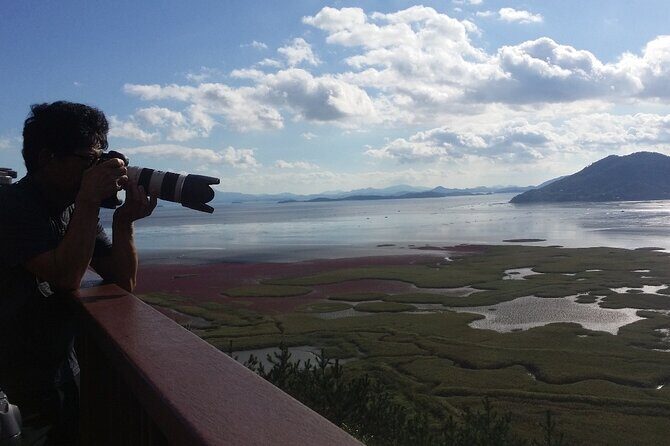
Day one starts in Gongju, a former Baekje capital area about 1,400 years ago. The plan gives you multiple layers of the city instead of one main attraction. You’ll have time around Gongju’s fortress and museum area, which helps you understand why this city mattered beyond being a dot on a map.
One of the more fun stops is Gongsanseong Fortress, where you can look down over the city from the heights. It also includes a chance to try archery. Even if you’re not a big activity person, this is the kind of experience that makes the day feel more than museum-to-museum.
Then comes Gongju National Museum, which focuses on royal life from the Baekje dynasty. This is a smart pairing with the earlier fortress and tomb stops: you see the physical remains first, then the museum adds meaning.
After that, you’ll go to Muryeongwangneung Tomb of King Muryeong. This is a royal tomb site, with a small museum on-site. For practical travelers, that small museum matters because it saves you from trying to piece together what you’re looking at on your own.
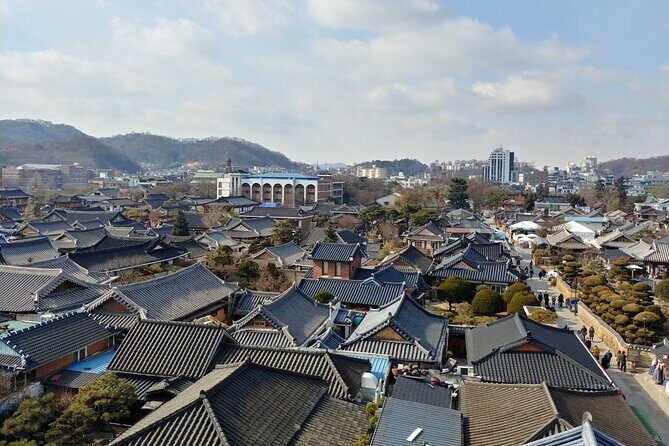
Next is Jeonju, famous for hanok (traditional Korean houses) and food. The stop at Jeonju Hanok Village is the one many people care about most on this route—because it’s not only architecture. It also ties into the food side, including street-food time, so you can taste what Jeonju is known for instead of treating it like a sightseeing stop.
You’ll stay overnight in Jeonju. Accommodation isn’t included, so budget time to book a place that’s convenient to where you’ll likely be the next morning.
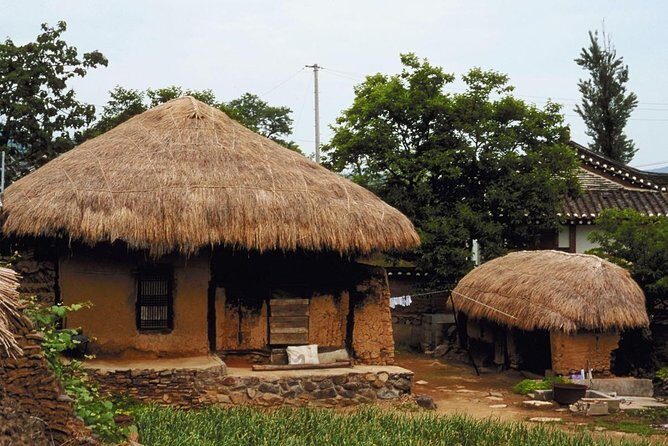
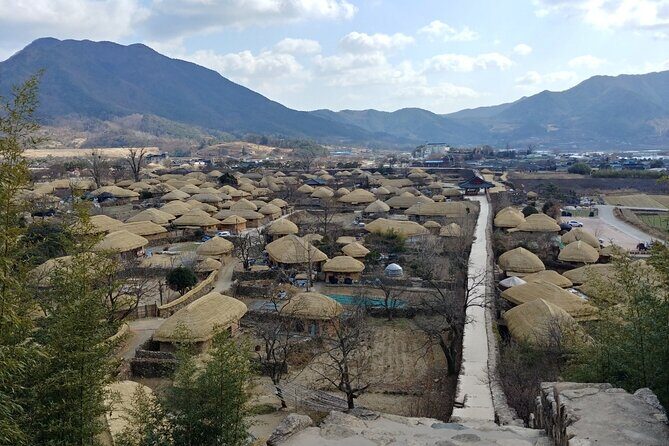
Day one also includes an East-side curveball: Andong Hahoe Folk Village. Andong is often treated as one of the more authentic areas in Korea, and this village has a strong reputation for preserved traditional culture. The details here are part of why it gets included—like the fact that Queen Elizabeth II visited Andong in 1999 and held a birthday event. Even if that’s not your usual history hook, it signals how well-known this place is beyond Korea.
Practical note: day one is the longest-feeling day because it spans both West and East themes. If you’re prone to museum fatigue, pace yourself at Gongju and save your energy for the hanok-food time in Jeonju.
Day 2: Yeosu ocean time, Gyeongju Shilla power, and Haedong Yonggungsa’s seaside setting
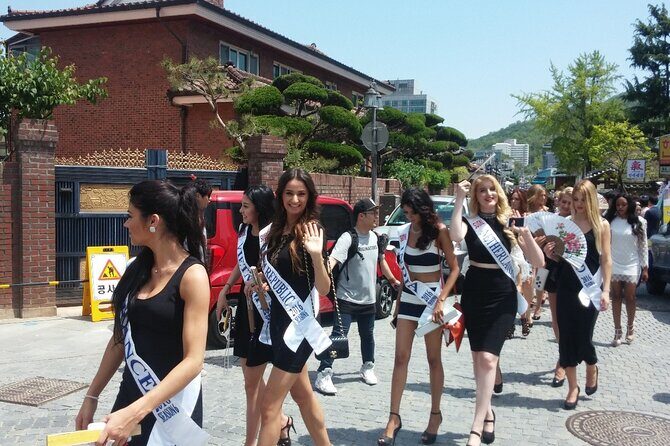
Day two begins with Yeosu, a coastal favorite on Korea’s west and south sea edge. You get around 3 hours, which is a good window for both scenery and food. This is one of those days where the setting matters: ocean views change the vibe of walking around the city, and fresh seafood is the obvious payoff.
Next is Gyeongju, the old Shilla capital region described as a world cultural heritage area. You’re getting a full-sight day here—city sites plus a museum—so you can connect the era to what you see in front of you.
Between the Gyeongju stops, you’ll visit Daereungwon Tomb Complex, a huge royal tomb area from Shilla. Time is short (about 40 minutes), so treat it like a focused walk: look first, then use the included museum time (where available) to understand the scale and symbolism.
You’ll also have Gyeongju National Museum, which covers roughly a thousand years of Shilla context. For me, this is where the day becomes clearer. You go from tombs and stones to artifacts and explanations, which makes the sightseeing feel less random.
There’s also a coastal walk that breaks up the history tone: Odongdo. It’s described as a trekking course with camellia flowers. Even if you’re not chasing seasonal blooms, the value here is changing your pace—short walk, sea air, and a different kind of “view” than what you get in city heritage sites.
Then you end day two with Haedong Yonggungsa, one of the most beautiful temples in Korea. The key feature is location: it sits right by the East Sea, giving you the kind of photo and reflection combo that makes people stop moving for a moment. You also get about 50 minutes here, which is enough for photos and a calm wander without feeling like you’re rushing a worship site.
Day two tip: wear shoes you can trust. You’ll be walking at forts, villages, and temple grounds, and you don’t want to lose time to sore feet.
Day 3: Mokpo’s west-end atmosphere, APEC Naru Park, and Busan’s Gamcheon art walk
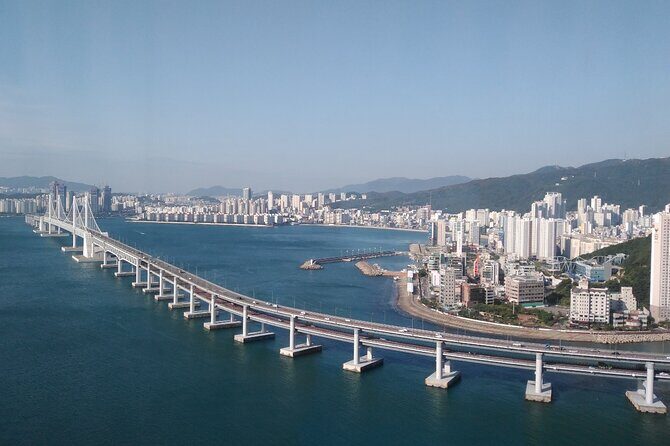
Day three starts in Mokpo, positioned as the west end of Korea. It’s not just scenic—it’s also described as a place for authentic food and a unique city view. This is your “finish strong” day before you settle into the Busan-area sights.
Time is shorter (about 2 hours), so you’ll likely do a focused loop: take in the city atmosphere, grab food, and keep moving. If you like trying local flavors instead of hunting for a familiar chain, this is a good slot.
Then you shift to APEC Naru Park, associated with the APEC meeting held in 2005. The standout here is the scenic location. It’s a park stop, so think slower walking and a chance to reset after the heritage-heavy earlier days.
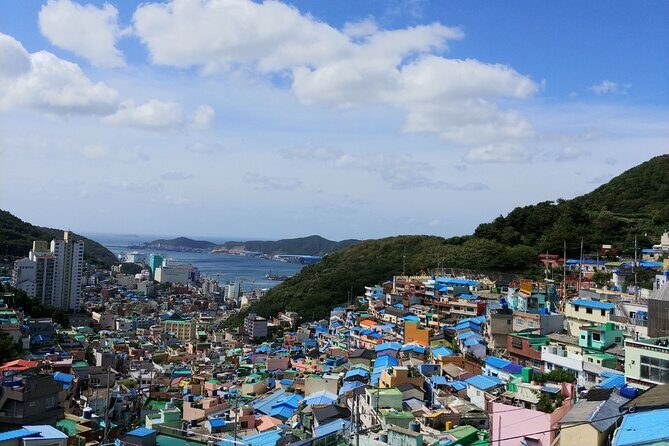
Finally, you land on a Busan classic: Gamcheon Culture Village. This place is known for its unusual art-filled streets, but the origin is the interesting part: the village was made to accommodate refugees from across Korea. Now it’s famous for culture and creativity, turning a difficult history into a community identity you can literally walk through.
The time on Gamcheon is tight (about 40 minutes), so you’ll want to prioritize the streets and viewpoints that interest you most. If you’re the type who likes to shoot lots of photos, you’ll still be fine, but keep an eye on where the path pulls you next—this village is more walk-forward than museum-lined.
What’s included (and why it matters for real budgeting)
This tour bundles a lot of the usual headaches.
Included:
- Fuel surcharge and parking fees
- Admission for the stops where tickets are part of the plan
- Lunch for 3 days
- A private-group setup (only your group participates)
- Pickup is offered, and you receive a mobile ticket
Not included:
- Accommodation
The value in this setup is that you’re buying time and coordination, not just transportation. Admissions and lunch costs add up fast if you’re self-planning, and parking/fuel are the hidden line items that surprise people. With this tour, you don’t have to build a spreadsheet for every day.
One more practical plus: because you’re not sharing the day with random strangers (private group), your guide can nudge the plan based on your energy level. That matters on a tight 3-day schedule.

Price and logistics: is $800 per person worth it?
At $800 per person for about 3 days, you’re paying for a lot of travel friction removal: the vehicle, the driver, the pickup concept, and the fact that many admissions and lunches are rolled into the price.
To judge value, think about what you’d otherwise need to cover:
- cross-region transport (which is harder than it looks when you’re not starting in one city)
- admission fees across multiple sites
- lunch each day
- time spent figuring out routes and ticket timing
Then subtract your biggest variable: accommodation. Since lodging isn’t included, the true cost depends on what you choose for the Jeonju night and how you’ll handle your final night if your trip ends near Busan.
The tour is also positioned as a popular option, with an average booking window of 53 days in advance. That usually means availability can be better when you plan ahead, especially around busier travel weeks.
The pace reality check: how to enjoy a packed itinerary
This kind of route can be a win or a strain. You’ll see a lot. The stops are timed in short chunks—40 to 50 minutes for some sites and around 1 to 3 hours for the bigger cities—so you’re always moving from one focus to the next.
Here’s how I’d make it work:
- Start each morning ready to go (don’t plan extra breakfast errands unless your guide allows it)
- Keep one light layer for the transition between temple/outdoor sites and indoor museum time
- Bring comfortable shoes, because you’ll likely be on foot at forts, villages, and temple areas
- Decide what you want most: photos, food, or explanation time. You can do all three, but you’ll enjoy it more if you don’t treat every stop like a marathon
If you’re the type who wants slow wandering and long rests between sights, you may feel the days are tight. In that case, think about extending the trip length on your own planning.
Picking the right traveler profile for this tour
This tour fits best when:
- You want countryside Korea without building a complicated multi-day itinerary
- You’re happy with a structured day plan and don’t need free-form exploring all day
- You care about history and culture, but you also want food stops that feel local
- You prefer the convenience of tickets and meals handled instead of hunting down each detail
It says most travelers can participate, and the fact it’s private means it can also work well for groups that want a single shared pace—like families who want everyone on the same schedule.
Should you book this private West/East Korea tour?
I’d book it if you want a smart “best-of” framework for West and East Korea in just 3 days, and you’re comfortable with an active schedule. The biggest reason is practical: transport plus admissions plus lunch are bundled, and the stops include both heavy heritage sites and real food-and-city texture.
I’d think twice if you hate tight timing or you know you’ll want long, unstructured downtime. In that case, you might enjoy an expanded trip that gives each region more breathing room.
If you do book: lock in your Jeonju stay early, wear good walking shoes, and decide ahead of time which two or three places are your must-photos. With a busy schedule, that simple choice helps you feel like you had control, not just motion.
FAQ
Is this a private tour?
Yes. It’s a private tour/activity, so only your group participates.
Do you get pickup?
Pickup is offered.
What’s included in the price?
The tour includes fuel surcharge, parking fees, admission, and lunch for 3 days.
Is accommodation included?
No. Accommodation is not included.
How long is the tour?
It runs for 3 days (approximately).
What if the weather is bad?
The experience requires good weather. If it’s canceled due to poor weather, you’ll be offered a different date or a full refund.
![[Premium Private Tour] Mt Seorak & East Sea or Nami island from Seoul - Gwongeumseong cable car or Biseondae valley walk: pick your pace](https://7.seoulescapes.com/wp-content/uploads/premium-private-tour-mt-seorak-east-sea-or-nami-island-from-seoul.jpg)