REVIEW · SEOUL
DMZ One Day Tour in Gyeonggi-do with English or Spanish
Book on Viator →Bookable on Viator
A tense border, explained step by step. This one-day DMZ tour from Seoul pairs certified English/Spanish guides with major sites like Imjingak, the 3rd Infiltration Tunnel, and Dora Observatory—plus a Bunker Museum stop that adds context beyond the usual photo ops.
I especially like two things: first, you get a guide fluent in your language, so the story makes sense as you move from place to place; second, the itinerary includes going into the tunnel area until a limited area, which makes the visit more real than looking from outside. One consideration: the day is long (about 9 hours) and lunch/dinner are not included, so plan for the full-time commitment and bring money for meals.
If you want your DMZ day to feel organized—transported in an air-conditioned vehicle, with entrance tickets handled—this tour fits the bill. You’ll meet at City Hall station, then ride to Paju, which takes about 90 minutes each way.
In This Review
- Key highlights you’ll actually feel on the day
- Meeting in Seoul and riding out to Paju
- Imjingak Pyeonghoa-Nuri Park: the DMZ story begins here
- The 3rd Infiltration Tunnel: where the tour gets physical
- Dora Observatory on Dorasan: views from the 38th parallel
- Bunker Museum: history explained through artifacts and scenes
- Price and value: is $250 worth a full DMZ day?
- Timing, pacing, and what to bring
- Who this DMZ tour is best for
- Should you book this DMZ One Day Tour from Seoul?
- FAQ
- How long is the DMZ one-day tour?
- Where do I meet the guide in Seoul?
- Is pickup included?
- How long does the drive take to Paju?
- Which language options are available?
- What stops are included in the itinerary?
- Do I enter the tunnel, or do I only view it from outside?
- Are entrance fees included in the price?
- Is lunch included?
- Do I need a mobile ticket?
Key highlights you’ll actually feel on the day

- English or Spanish certified guidance that keeps the details understandable
- Imjingak Pyeonghoa-Nuri Park as a clear starting point for the day’s theme
- The 3rd Infiltration Tunnel visit until the permitted limited area
- Dora Observatory on Dorasan (Mount Dora) for views across the DMZ from the 38th parallel
- Bunker Museum stop to add historical context beyond the tunnels and outlooks
- Mobile ticket + entrance fees included for simpler planning
Meeting in Seoul and riding out to Paju

The day starts with a meet-up at City Hall station. From there, you transfer to Paju by car—about 90 minutes. That transfer matters, because it shapes your pace. Instead of rushing between far-flung sights, you get a structured day with real time built in.
What I like about this setup is the focus on logistics that don’t steal your energy. The tour includes an air-conditioned vehicle, which is a big deal for a full day outside Seoul. You also get entrance fees included, so you’re not constantly checking ticket counters and “where do we pay?” moments.
Group discounts are mentioned too, which can make this feel more reasonable if you’re traveling with others. And since the tour uses a mobile ticket, you won’t need to hunt for paper vouchers the morning of.
You can also read our reviews of more tours and experiences in Seoul

Imjingak Pyeonghoa-Nuri Park: the DMZ story begins here
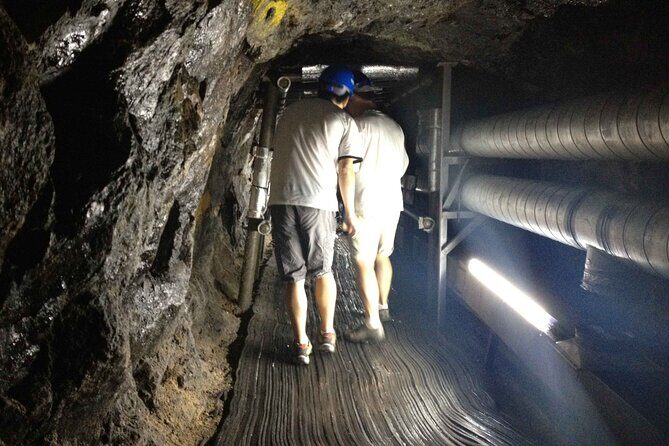
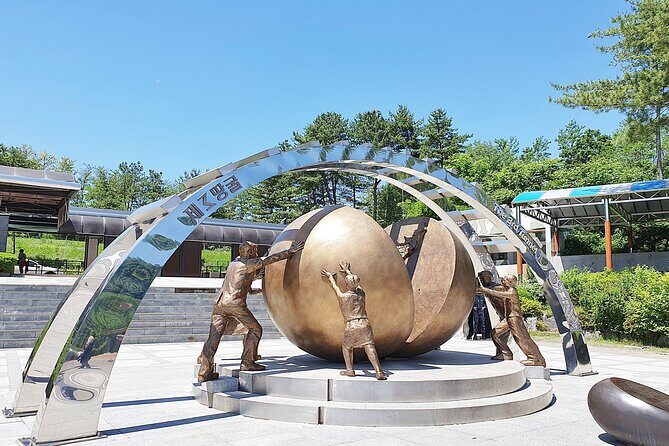
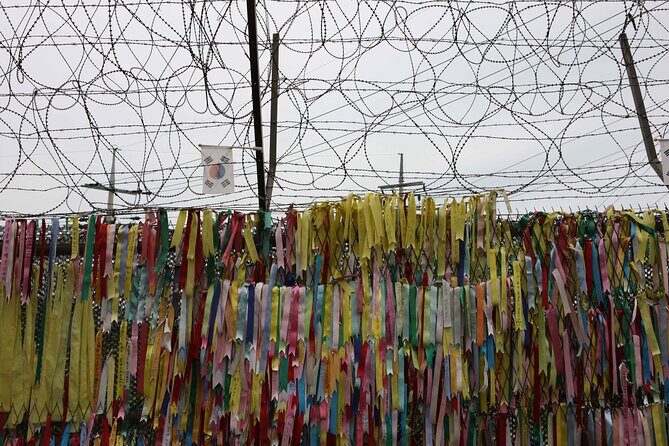
Imjingak Pyeonghoa-Nuri Park is the first stop, and it’s not an accident. The park is described as built in 1972 as a place meant to console people from both sides who were affected by the split. Think of it as the emotional and historical preface before you reach the more concrete, physical parts of the DMZ visit.
This part of the tour is valuable because it helps you frame what you’re seeing later. Without that context, the tunnel and observatory can turn into a checklist: visit, take photos, move on. With Imjingak as your start, the day has a theme—loss, separation, and what people built to cope with a divided reality.
Practical tip for this stop: treat it like a “get your bearings” moment. Expect to spend time there (the schedule lists about 4 hours), so bring a layer and keep an eye on your energy. It’s longer than you might think for a first stop, but that’s what gives it weight.
The 3rd Infiltration Tunnel: where the tour gets physical
After Imjingak, the itinerary moves to the DMZ and focuses on The 3rd Infiltration Tunnel. The tour description notes it was apparently designed for a surprise attack on Seoul from North Korea. Even if you treat that wording as “as presented to visitors,” it still tells you what kind of structure you’re walking into: something built for movement and surprise.
The key detail here is that you go into the tunnel until the limited area. That limited access is important. It means you get to experience being inside the tunnel, but the visit is controlled for safety and operational reasons. You shouldn’t expect a full walk-through, and you shouldn’t plan your expectations around seeing every part of the tunnel.
This stop is about perspective. Outside, the DMZ is abstract—an administrative boundary and a series of viewpoints. Inside a tunnel (even for a limited segment), it becomes physical and claustrophobic in a way that’s hard to fully grasp from outside structures alone.
Time-wise, the tunnel segment is listed at about 2 hours 30 minutes, and admission is included. So when you pay the price for the day, you’re not just buying transportation—you’re buying time at the tunnel with guided access as part of the program.
Dora Observatory on Dorasan: views from the 38th parallel
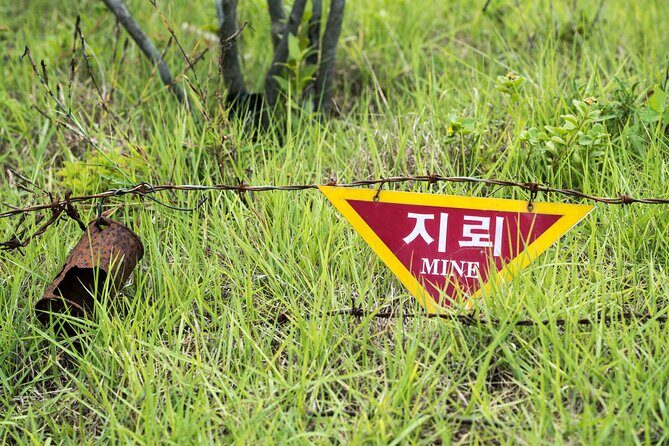
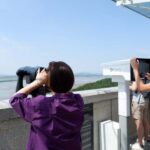
Next comes Dora Observatory, located on the South Korean side of the 38th parallel. The observatory sits on top of Dorasan (Mount Dora) in Paju, and its purpose is straightforward: it provides scenic views across the DMZ.
I like that the tour doesn’t treat the observatory as a quick “look and go” stop. It’s scheduled for about 2 hours 30 minutes, which gives you enough time to settle in and actually use the viewpoints. If the tunnel makes the day feel enclosed and heavy, the observatory flips the mood: you’re looking outward over a vast boundary line.
One thing to keep in mind: the view is toward the North side across the DMZ, but what you can clearly make out can vary. The tour description says visitors can see the North, but it doesn’t promise specific targets or conditions. The best approach is to go in wanting the overall sense of separation and the scale of the area—not a perfect postcard shot.
Admission is included here too, so you’re not juggling extra payments or asking around to find ticket rules.
Bunker Museum: history explained through artifacts and scenes
The tour overview adds a stop at the Bunker Museum, described as a place where you can uncover hidden historical facts and see poignant scenes related to war. Even though the detailed itinerary stops list only the three main locations, the museum is clearly presented as part of the day’s “history and intrigue” angle.
This is a smart inclusion for two reasons. First, tunnels and observation decks tell you something about geography and strategy, but a museum helps connect the dots. Second, it adds variety. A DMZ day can feel repetitive if it’s only metal, concrete, and viewpoints; a museum tends to slow you down and give you context you can’t pick up from a view alone.
If you’re the kind of traveler who likes understanding what you’re looking at (and not just looking), you’ll probably appreciate the museum. If you prefer strictly outdoor sights, you might feel the museum is the most “information-heavy” portion of the day—but it’s also the one most likely to make the rest click.



Price and value: is $250 worth a full DMZ day?

At $250.00 per person, this tour isn’t a budget deal. But value is about what’s bundled, not just the headline number.
Here’s what you’re getting based on the tour info:
- About 9 hours of guided programming
- Pickup offered and group transportation in an air-conditioned vehicle
- Entrance fees included for the scheduled stops
- A mobile ticket
- Guidance in English or Spanish
- Group discounts are available
What’s not included:
- Lunch and dinner
So you’re paying for a guided, all-in structured day rather than piecing together individual tickets and routing yourself. In a place like this, that matters. Coordination and access are part of the experience, and the tour is built around that.
My practical take: budget extra for meals and snacks, because the day runs long and you’ll need food. Also, since the tour is on average booked 41 days in advance, it’s smart to reserve early if you want a specific language option (English vs. Spanish) or preferred timing within the schedule.
Timing, pacing, and what to bring
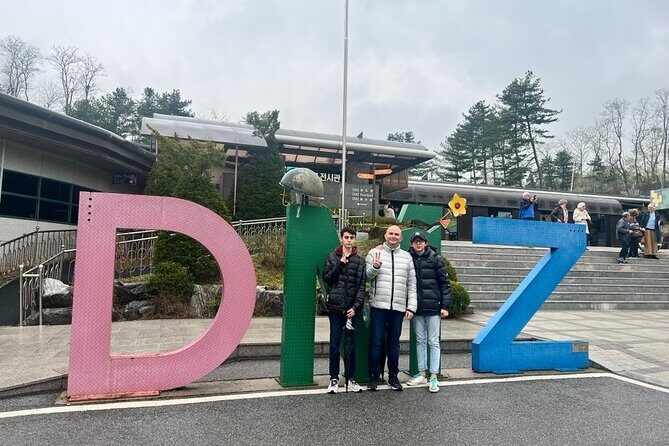
The big rhythm of the day is simple: meet in Seoul, transfer to Paju (~90 minutes), then spend substantial blocks of time at each major stop. With 4 hours at Imjingak, then 2.5 hours at the tunnel, then 2.5 hours at Dora Observatory, you should expect a full day with limited downtime.
Because lunch/dinner aren’t included, I recommend you plan around that gap. Even if the tour gives you breaks, you shouldn’t assume meals are handled.
Bring:
- Comfortable clothes and shoes for walking between stops
- A light layer (observatories and outdoor areas can feel different from vehicles)
- A way to pay for lunch/dinner since you’re responsible for it
- Your mobile ticket details ready on your phone
Language choice also affects your experience. If English or Spanish is your comfort zone, this tour is set up to use it. That’s not a small detail. It changes how much of the day you’ll actually understand.
Who this DMZ tour is best for
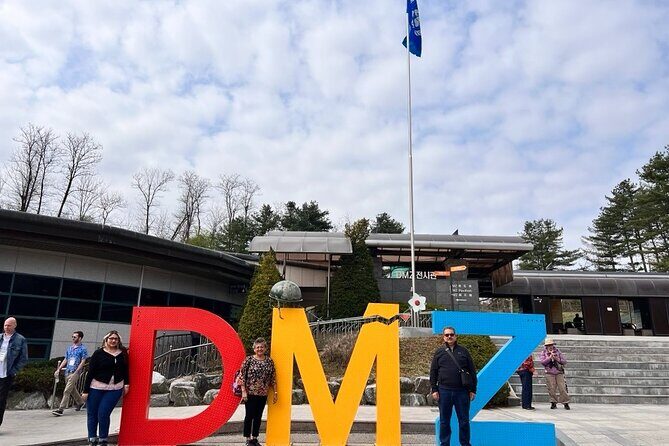
This one-day DMZ tour is a strong fit if you want:
- Guided context, not just transit between sights
- A program that includes both memorial-style context (Imjingak) and hands-on/physical visiting (tunnel access until the limited area)
- A viewpoint component (Dora Observatory) that’s part of the official schedule
- A museum stop (Bunker Museum) to add meaning to what you see
It’s likely less ideal if you’re chasing a relaxed, spontaneous day or if you hate structured time blocks. This itinerary is designed to use most of your day. If you only want a quick look and photos, you’ll probably feel the schedule is tight.
Also, it’s best for travelers who are comfortable with the emotional weight of the subject. The tour is explicitly about history, separation, and war-related scenes, so it’s not a light theme day.
Should you book this DMZ One Day Tour from Seoul?
I’d book it if you want a guided, organized DMZ day with major stops handled for you—transportation, entrance fees, and a language option (English or Spanish). The combination of Imjingak, the 3rd Infiltration Tunnel visit until the limited area, Dora Observatory, and the Bunker Museum stop is a well-rounded way to understand the DMZ from multiple angles.
I wouldn’t book it if you’re trying to keep costs down, because lunch/dinner are on you and the base price is premium. Also, if you’re sensitive to long, structured days, the about 9-hour pacing plus the 90-minute transfer may feel heavy.
If you’re planning ahead, reserve early—the tour is typically booked about 41 days in advance. That’s a sign it fills up, especially around language preferences.
FAQ
How long is the DMZ one-day tour?
It runs for about 9 hours (approx.).
Where do I meet the guide in Seoul?
You meet your tour guide at City Hall station.
Is pickup included?
Yes, pickup is offered.
How long does the drive take to Paju?
The transfer from Seoul to Paju takes about 90 minutes by car.
Which language options are available?
The tour is offered with guides fluent in English or Spanish.
What stops are included in the itinerary?
The scheduled stops include Imjingak Pyeonghoa-Nuri Park, The 3rd Infiltration Tunnel, and Dora Observatory, plus a Bunker Museum visit mentioned in the tour overview.
Do I enter the tunnel, or do I only view it from outside?
You go into The 3rd Infiltration Tunnel until the limited area.
Are entrance fees included in the price?
Yes, entrance fee is included.
Is lunch included?
No, lunch is not included.
Do I need a mobile ticket?
Yes, the tour uses a mobile ticket.