REVIEW · SEOUL
Discover Round Korea in 7days: All-Inclusive Experience
Book on Viator →Operated by Hanatour ITC (하나투어 아이티씨) · Bookable on Viator
Seven days, one smooth Korea loop. This all-inclusive tour strings together fortress sites, hanok streets, markets, temples, and national parks into a single route, with most costs handled up front. You’ll also follow a set plan that avoids the usual shopping detours, plus there’s a scheduled wellness-facility visit tied to the Korea Tourism Organization.
Two things I really like: first, the English-speaking guide support (for example, I’ve seen groups led by Jay and praised for staying attentive to the whole group). Second, the value is practical—entrance fees and major meals are included, so you’re not constantly making small payment decisions mid-trip.
One possible drawback: the days are full, and you’ll be in a group rhythm most of the time. If you prefer lots of solo wandering or flexible stops, the “no options/no shopping” approach may feel a bit limiting, and the itinerary calls for a moderate physical fitness level.
In This Review
- Key highlights at a glance
- Price and what you really get for $1,970
- Seoul start point: simple logistics with an easy beginning
- Day 1 in Gongju: fortress views, royal tombs, and a museum full of artifacts
- Day 2 Jeonju Hanok Village: hanok streets, hanbok fun, and a temple tea moment
- Day 3 Boseong green tea terraces and Suncheon Bay wetlands
- Day 4 Busan: war memory, Jagalchi seafood energy, and a sea cable car ride
- Day 5 Gyeongju Silla stops: Bulguksa, royal tombs, and Cheomseongdae
- Day 6 Andong Hahoe folk life and Korean dessert-making
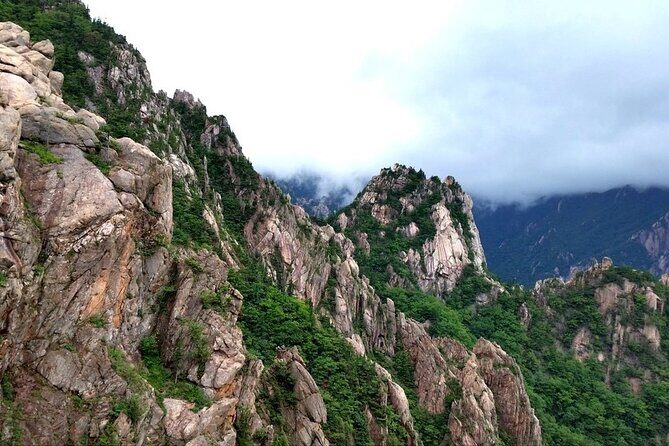
- Day 7 Seoraksan National Park: Jujeongol Valley and dramatic scenery
- Hotels, meals, and how the group day feels
- Who should book this Korea loop, and who should skip it
- Should you book Discover Round Korea in 7 Days?
- FAQ
- How much does the tour cost, and how long is it?
- Where is the meeting point in Seoul, and what time do we start?
- What’s included in the tour price?
- Are entrance fees covered?
- Is there an English-speaking guide?
- How large is the group?
- What fitness level do I need?
- Does the tour use a mobile ticket, and where does it end?
- What happens if weather is bad?
Key highlights at a glance
- All entrance fees are built in—fortress walls, tomb complexes, temples, and museums come with tickets handled.
- No shopping stops, no options—the schedule is designed to keep you moving through real sights, not retail stops.
- UN Memorial Cemetery and Korean heritage—you get both solemn history and everyday cultural life.
- Hanok + hanbok time in Jeonju—traditional village streets plus a hands-on clothing experience.
- Tea and food experiences—a tea conversation with a monk and a dessert-making class add character beyond sightseeing.
- Seoraksan National Park in the mix—you finish with dramatic scenery instead of ending on city fatigue.
Price and what you really get for $1,970

At $1,970 per person for about 7 days, you can break it down to roughly $280 per day. That sounds like a lot until you look at what’s included: 6 nights of twin/double accommodation, an air-conditioned vehicle, an English-speaking guide, entrance fees for all sites, and a package of meals (6 breakfasts, 7 lunches, 6 dinners).
The big value move here is that the trip reduces decision fatigue. You don’t have to price out museums, temples, tomb sites, and the transport between them. You also get a welcome kit, plus a mobile-ticket setup is listed as part of the experience.
Still, you’re trading some freedom for convenience. This is a pre-set loop with minimal switching. If you love controlling your own pace minute by minute, you might feel constrained.
You can also read our reviews of more tours and experiences in Seoul
Seoul start point: simple logistics with an easy beginning
You start at AMID Hotel Seoul, in the Jongno District near Insadong (38 Insadong 5-gil). Start time is 8:00 am, and the tour ends back at the same meeting point.
That matters more than it sounds. An early start helps you use daylight on the first travel day, and getting dropped back at the same place helps you keep the last evening uncomplicated—especially if you planned your own Seoul nights.
If you’re thinking about where to stay in Seoul, the tour info recommends Amid Hotel Seoul for hotel pickup convenience on the first day and drop-off on the last day.
Day 1 in Gongju: fortress views, royal tombs, and a museum full of artifacts
Day 1 is all about early history, starting in Gongju, where you’ll first tackle Gongsanseong Fortress. This is a UNESCO World Heritage Site, and it’s the kind of place that changes how you read the region. You’re not just looking at buildings—you’re seeing why people built defenses on a hillside, and how geography shaped power.
Next comes the Songsan-ri Tombs and the Royal Tomb of King Muryeong. The standout here is the burial style: the tomb is known for brick-built construction. That’s a detail that tends to stick with you because it shows craftsmanship in a very physical way. You also get artifacts linked to royal burial practices, which helps the site feel less like a blur of stones.
Your third stop is the Gongju National Museum, with around 10,000 cultural artifacts. The museum is worth treating like a “reset button” after outdoor walking. Inside, you can connect what you saw on the hill (fortress setting) with what the tomb represents (royal life and craftsmanship).
Watch-outs for Day 1: outdoor sites plus a museum mean you’ll want sturdy shoes and a light layer for temperature shifts.
Day 2 Jeonju Hanok Village: hanok streets, hanbok fun, and a temple tea moment
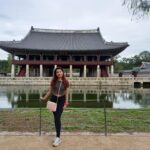
Jeonju is the cultural pivot on this route. You begin with the Gyeonggijeon Shrine in the heart of the Jeonju Hanok Village, where you’ll see more than 800 traditional hanok houses. Even if you’ve seen hanok photos before, the scale here tends to make it feel real. This is the kind of place where you slow down a little just to take in alley shapes and courtyard rhythm.
Then you get a dedicated Hanbok experience. The tour frames it as time to wear the traditional clothing in one of Korea’s most picturesque settings. For many people, this is the “I’ll remember this later” moment because it changes how you see the village while you walk through it.
After that, you explore the shrine again in more depth with Gyeonggijeon Shrine, which dates to 1410 and holds a portrait of King Tae-jo, the founder of the Joseon Dynasty. This adds context: the village isn’t just architecture, it’s tied to specific royal-era history.
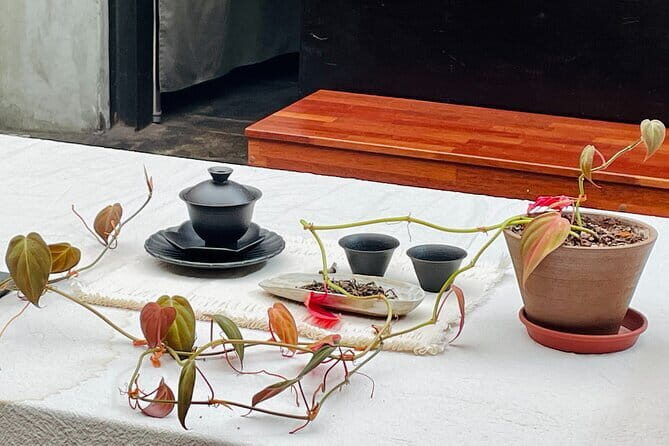
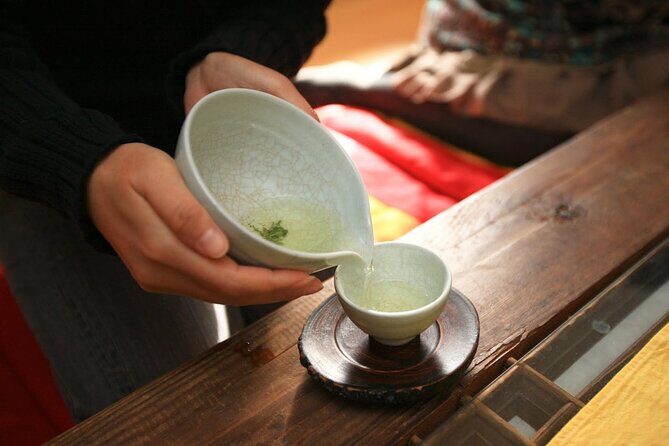
Your final stop of the day is Baekyangsa Temple, followed by a tea conversation with a Buddhist monk. This is one of the more personal experiences on the schedule. You’re not only touring; you’re slowing down for conversation and reflection, with the temple setting doing its part in keeping the mood calm.
Potential drawback to consider: Day 2 is culture-heavy, and if you’re sensitive to quieter settings, the temple part may feel more reflective than exciting.
Day 3 Boseong green tea terraces and Suncheon Bay wetlands
Day 3 starts with Boseong Green Tea Field (Daehan Dawon), described as Korea’s largest green tea field. The terraces are the main appeal. You walk between rows of tea bushes while the views shift with how you move. It’s scenic, but it’s also practical knowledge—tea agriculture becomes more understandable when you see it as a working hillside system.
After lunch, you head to Suncheon Bay Wetland Reserve, where the river meets the sea. The big draw here is scale and wildlife habitat: it’s listed as one of the top five wetlands in the world and a sanctuary for more than 250 species.
That combination—tea field agriculture plus a wetland nature reserve—makes the middle of the trip feel like more than a checklist. You’re switching ecosystems, and that helps keep fatigue down.
What to pack mentally: expect a day with real walking time outside. You’ll likely want water and something to protect from sun.

Day 4 Busan: war memory, Jagalchi seafood energy, and a sea cable car ride
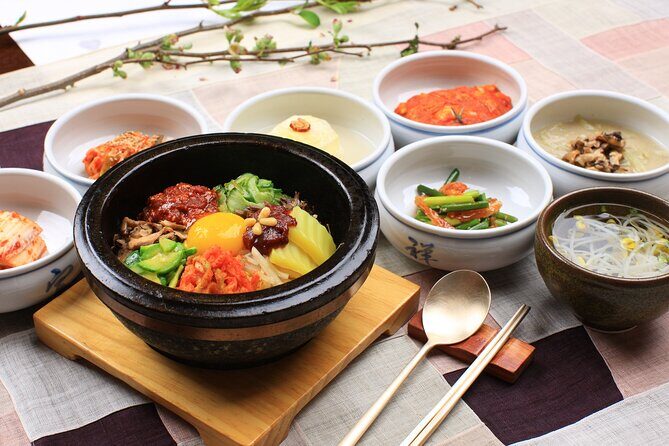
Busan shows up with emotional weight first. You begin at the UN Memorial Cemetery, a solemn place honoring UN soldiers who lost their lives during the Korean War. Around 2,300 graves are arranged by nation. Sites like this don’t need extra storytelling; the setting does the work. Plan to give it actual time, not just a quick photo pass.
Then you pivot to daily life with Jagalchi Market, Busan’s iconic fish market. You’ll see seafood stalls and local specialties lined along the streets. This stop is lively and sensory, and it’s one of the best contrasts to the cemetery you did earlier.
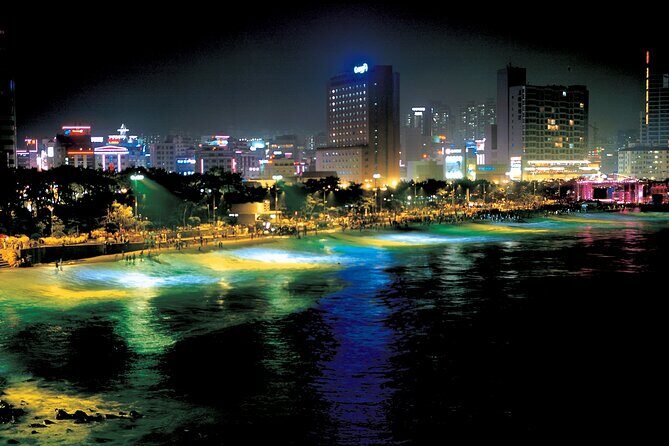
For a more scenic finale, you ride the Songdo Cable Car. It runs about 1.6 km from Songdo Beach Station to Songdo Sky Park, and you glide over the coastline. Even if you don’t love heights, this tends to be a “good payoff” activity because you get views without having to commit to a long hike.
Real consideration: markets can be crowded and busy. If you hate noise, go slower and focus on the stalls that interest you, not on keeping pace with the group.
Day 5 Gyeongju Silla stops: Bulguksa, royal tombs, and Cheomseongdae
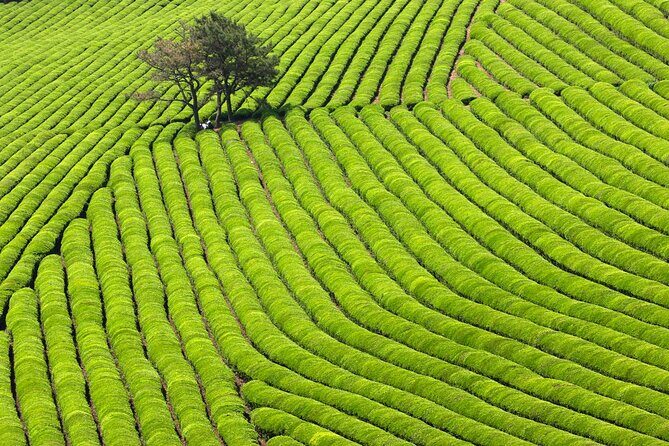
Day 5 is Gyeongju, the ancient capital for a thousand years. It’s packed with UNESCO-level stops, and the route moves from grand temple architecture to royal burial sites to an iconic observatory.
You start at Bulguksa Temple, listed as a UNESCO World Heritage Site. Then you move to the Daereungwon Tomb Complex, where royal burial mounds and relics—including items like elaborate gold crowns—show the scale of the Silla royal court.
Next is the Gyeongju National Museum, which highlights artifacts from a millennium ago, with golden crown pieces among the iconic items you’ll see. Museums here are especially useful because they help you “translate” what you saw outside into names, materials, and timeline.
You finish at Cheomseongdae Observatory, a beloved symbol of Gyeongju. It’s a shorter stop, but it’s memorable because it represents how the Silla people observed stars. It’s a nice change of pace from temples and tombs—your brain gets to switch from rulers on earth to the sky above.
What can feel repetitive if you’re not careful: temple and tomb mornings can blend together. The museum stop breaks that up, so don’t skip it mentally when the group moves on.
Day 6 Andong Hahoe folk life and Korean dessert-making
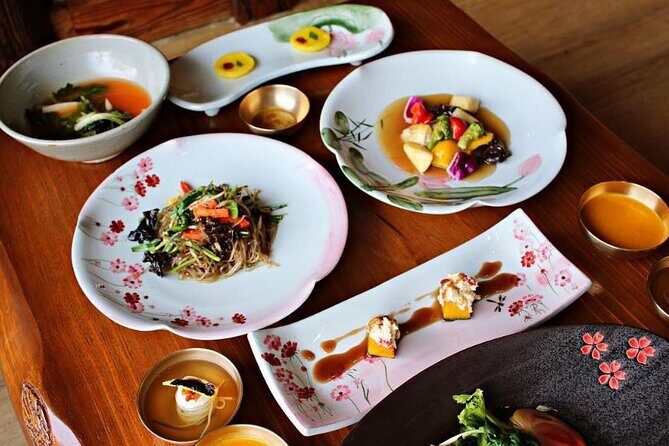
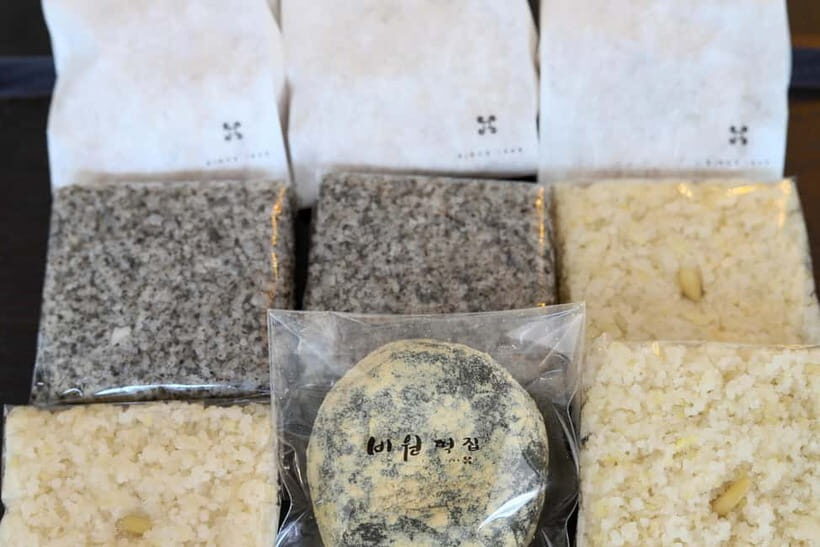
Day 6 adds hands-on culture, not just photos. You start with Momyeongjae, an immersive traditional Korean dessert-making experience at the Korean Traditional Culture Center. This is the kind of stop that makes the trip feel like you learned something you can repeat later, not just watched something happen.
Then you head to Andong Hahoe Folk Village, described as one of Korea’s best-preserved traditional villages and a UNESCO World Heritage Site with more than 600 years of history. The key idea here is living cultural landscape. You’re not only looking at old buildings; you’re seeing a village preserved for continuity.
This is also a good day if you want variety in the trip texture. After earlier days filled with major historical monuments, you get something closer to “everyday heritage,” which can feel more human.
Potential drawback: village time depends on weather and foot traffic. Wear shoes you can walk comfortably in, even if the day looks relaxed on paper.
Day 7 Seoraksan National Park: Jujeongol Valley and dramatic scenery
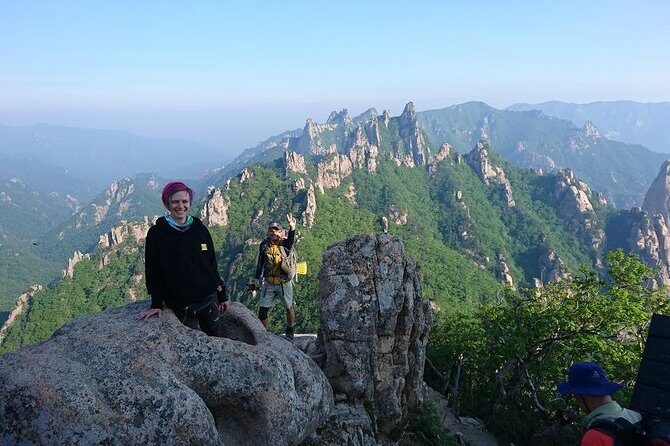
You end the loop in Seoraksan National Park, with time at Jujeongol Valley. Seoraksan is known for dramatic rock formations, soaring peaks, and crystal-clear streams. Even when you’re not a hardcore hiker, national park terrain tends to provide instant rewards for your effort because the views show up quickly.
The tour lists the Seoraksan stop as free admission for the final activity block, which is helpful if you’re tracking value. The timing of the last day also matters: by Day 7, most travelers have adapted to the group schedule, so you’ll likely enjoy the scenery more because you’re not adjusting to a new city every few hours.
Fitness note: while admission is free, you still need to be ready for walking on uneven ground. The overall tour calls for moderate physical fitness, so plan accordingly.
Hotels, meals, and how the group day feels
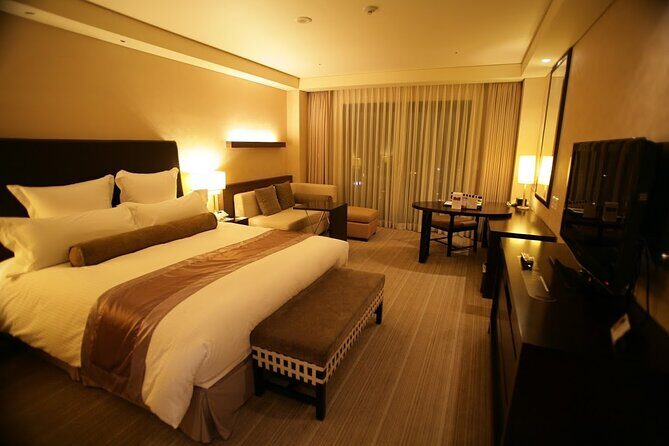
You get 6 nights in twin or double rooms, with the touring rhythm supported by an air-conditioned vehicle. The vehicle type can vary by group size, which is common for group travel and helps keep timing steady.
Meals are partially covered: 6 breakfasts, 7 lunches, 6 dinners. That means you’ll still have at least one meal window where you might pay on your own. I like that this keeps you from feeling trapped in a package every single hour, but it’s still structured enough that you’re not always searching for food while tired.
This is also where the “no shopping” promise becomes more than a marketing line. If shopping stops were swapped in, you’d likely lose time and energy to bus rides to malls. Here, the schedule is built to keep you on heritage sites, nature spots, and cultural experiences.
Who should book this Korea loop, and who should skip it
This tour fits best if you want:
- a high-support trip with an English-speaking guide and admissions covered
- a route that mixes Korea’s heritage + nature + food experiences
- a low-planning style where you show up, follow the plan, and enjoy the sights
You might want to skip (or choose a more flexible private option) if you:
- want lots of independent time in each city
- dislike packed days or prefer to set your own pace
- plan to spend most evenings exploring far from the hotel, since you’ll mostly be on the tour’s schedule
Should you book Discover Round Korea in 7 Days?
If you’re drawn to the idea of seeing Seoul-area history and then riding the wave south through Jeonju, Busan, and Gyeongju, finishing with Seoraksan nature, this tour makes a strong case for your time. The value is easiest to justify because entrance fees and major meals are included, and you’re also getting multiple UNESCO-type stops plus hands-on cultural moments like hanbok time and dessert-making.
My call: book it if you want a guided “greatest hits with real context” style trip and you’re okay with a fixed route. If you crave freedom—choose your own restaurants every night, linger for hours, or change plans daily—then the no-options structure may feel too tight.
FAQ
How much does the tour cost, and how long is it?
The tour price is $1,970.00 per person, and the duration is 7 days (approximately).
Where is the meeting point in Seoul, and what time do we start?
You meet at AMID Hotel Seoul, 38 Insadong 5-gil, Jongno District. The start time is 8:00 am.
What’s included in the tour price?
The tour includes 6 nights of accommodation, an air-conditioned vehicle, an English-speaking guide (or driver-guide), entrance fees for all listed sites, a welcome kit, and meals (6 breakfasts, 7 lunches, 6 dinners).
Are entrance fees covered?
Yes. Entrance fees during the tour are included.
Is there an English-speaking guide?
Yes. The tour includes an English-speaking guide (or a driver-guide).
How large is the group?
The tour has a maximum of 35 travelers.
What fitness level do I need?
Travelers should have a moderate physical fitness level.
Does the tour use a mobile ticket, and where does it end?
A mobile ticket is included. The tour ends back at the meeting point.
What happens if weather is bad?
This experience requires good weather. If it’s canceled due to poor weather, you’ll be offered a different date or a full refund.
If you want, tell me your travel dates and whether you prefer more nature time or more city/history time, and I’ll help you sanity-check if this exact 7-day route matches your style.