REVIEW · SEOUL
7 days Flexible Tour for Major Cities(Seoul,Busan,Gyeongju etc)
Book on Viator →Operated by Awesome Tour · Bookable on Viator
A private loop with zero stress beats DIY. This 7-day Korea plan strings together the highlights of Seoul, the DMZ, historic Gyeongju, and coastal Busan with a guide who can adapt as you go, led by Hun (and often Sean alongside him). From your airport arrival through your trip end, you’re not stuck figuring out routes, tickets, or timing alone.
What I like most is the way the tour mixes big icons with everyday Korea: royal palaces and hanok streets on one side, then markets and local food time on the other. I also love the logistics: pickup, a comfortable mini van, and entrance tickets handled for you means you spend your energy looking, not queuing.
One thing to consider: meals are not included, so you’ll want to budget extra for lunch and dinner, especially on market days. Also, some days pack a lot in—so wear shoes you trust.
In This Review
- Key things that make this tour work
- Why this 7-day route feels easier than it looks on paper
- Seoul Day 1: Palaces, hanok streets, and a market that feeds your curiosity
- Seoul Day 2: Tower views, Bongeunsa calm, and the Han River at night
- DMZ Day 3: Reflection at Imjingak, then the real-world views from Dora and the Third Tunnel
- Seoul Fortress Day 4: Gates, pavilion stories, archery time, and a drama-ready folk village
- Southbound Day 5 and Day 6 in Gyeongju: Tombs, ponds, and one of Korea’s most memorable night scenes
- Busan Day 7: Markets, ocean cable rides, the temple by the waves, and a bamboo break
- What you’re really paying for: value at $2,000 per person
- Should you book this Seoul–DMZ–Gyeongju–Busan tour?
- FAQ
- What time does the tour start?
- Is airport transport included?
- Are entrance tickets included?
- Are meals included?
- How are hotel bookings handled?
- Is this tour private?
Key things that make this tour work
- Real flexibility: the schedule is adjustable, you can add more tours, and you can take a day off.
- Private touring with your own guide: no mixed-group guessing, just you and your party.
- DMZ day is explained, not rushed: public-bus transfer inside the zone is planned and your guide keeps the context clear.
- Seoul-to-Busan end options: you can return to Seoul or go back from Busan.
- Night-friendly stops: Gyeongju bridges and ponds, plus the Han River cruise timing all fit the vibe.
- Tickets mostly handled: entrance fees are included on the itinerary, with a couple specific exceptions you’ll plan for.
Why this 7-day route feels easier than it looks on paper

Korea can be surprisingly smooth once you have a good setup. This tour’s whole advantage is that you’re moving between major cities while still getting a guided experience at each stop, instead of doing a “see it, sprint to the next photo” routine.
You’ll start at 10:00am and the tour is private, meaning your group stays together. That matters in places like palaces, fortress walls, and the DMZ where timing and instructions really count.
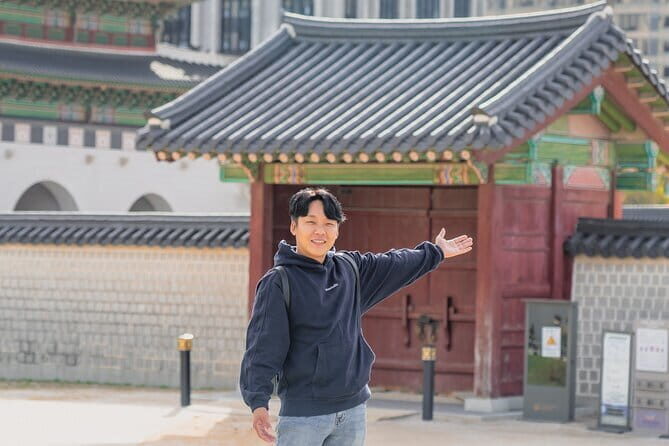
The guides—often Hun, with Sean in the mix—are part of the value. In the reviews, they’re described as energetic, friendly, and tuned into what you actually want: photo spots, food choices, and small changes to keep the day comfortable. That kind of attention is hard to replicate with DIY planning.
You can also read our reviews of more tours and experiences in Seoul
Seoul Day 1: Palaces, hanok streets, and a market that feeds your curiosity
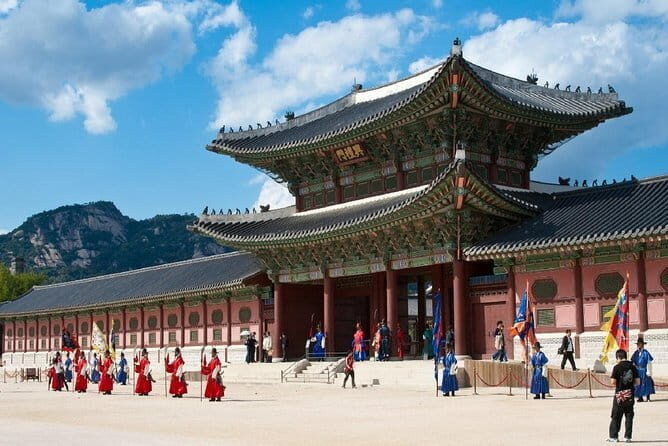
Day 1 is a classic Seoul “starter pack,” but the order is smart. You’ll begin at Gyeongbokgung Palace, the major Joseon Dynasty palace. The guided tour is your shortcut to understanding what you’re looking at—where the palace story starts, why certain buildings matter, and the best areas for photos. The palace is large, so having someone keep the pace from turning into a blur is a big help.
Next is Bukchon Hanok Village, known for traditional homes tied to the noble class. This stop works best if you slow down and look at the human scale—courtyards, alleys, and that layered feel of old Seoul. It’s also included to help you see more than just exteriors; the plan mentions going inside together.
Then you roll into Insadong, a traditional street area with pottery, art, antiques, and cozy tea cafés. This is one of those days where you get to choose your level of shopping: browse, snack, or take a tea break and just absorb the atmosphere.
After lunch (on your own), you’ll visit the War Memorial of Korea. It’s not just objects on display. It’s set up to help you understand why the Korean War began and how it unfolded, using weapons, tanks, and memorials that make the scale feel real.
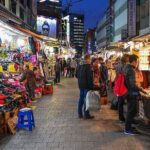
You close at Gwangjang Market, one of Seoul’s most famous traditional markets. This is where you trade “tourist curiosity” for actual Korean taste. Your guide explains the market and introduces specialties, and you’ll sample food together. For me, this is the moment where a trip stops feeling like sightseeing and starts feeling like a story you’re living.
Possible drawback for Day 1: it’s a lot of moving. Build in a little breathing room by keeping your daypack light and buying snacks at the market rather than trying to carry everything.
Seoul Day 2: Tower views, Bongeunsa calm, and the Han River at night
The second day starts with N Seoul Tower. Your guide brings you up the mountain and helps with history and photos. One practical note: the cable car ticket is not included, so if you want that ride, you’ll need to pay separately.
From there you head to Bongeunsa Temple, in the middle of Seoul’s city energy. This is a nice contrast stop: color, lanterns, and lotus flowers are mentioned, and the walk around gives you context so it’s not just pretty scenery.
Next is Starfield Library, the famous photo spot with a huge collection of books. It’s on social media for a reason—if you want the clean, photogenic lines, you’ll like it. If you’d rather skip it, the plan offers a swap to a traditional Korean village.
A quick photo stop follows: the Statue of Gangnam Style. It’s short and fun, and it gives you a pop-culture marker for the day.
Then comes one of my favorite parts of this itinerary: the Han River cruise (E-Land Cruise). The plan mentions chicken or noodles before boarding, so you’re not scrambling for dinner at the worst possible time. The cruise is built for the night mood and K-drama fans tend to love it for the atmosphere.
What to plan: bring something light for the evening. Even when the day is warm, river air can change fast.
DMZ Day 3: Reflection at Imjingak, then the real-world views from Dora and the Third Tunnel
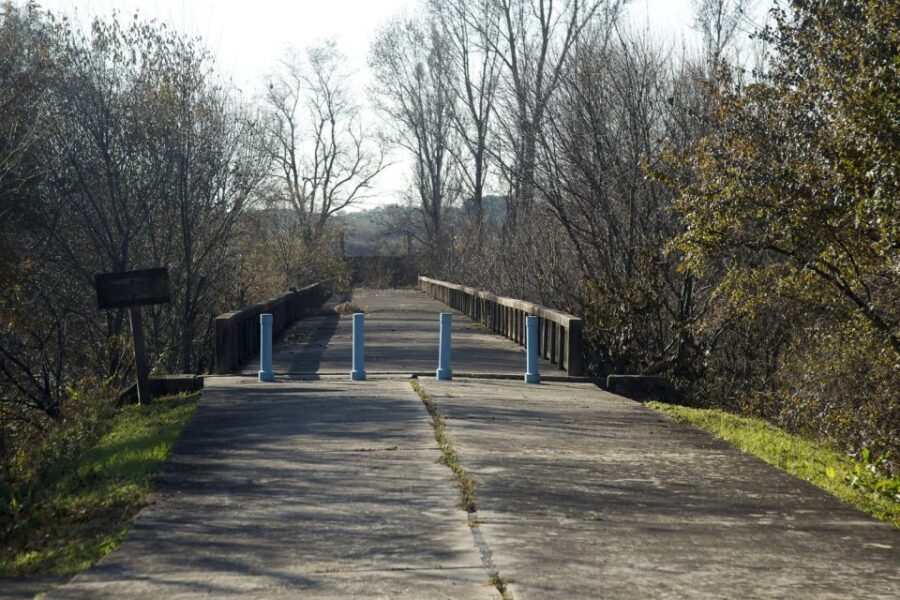
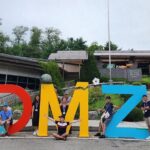
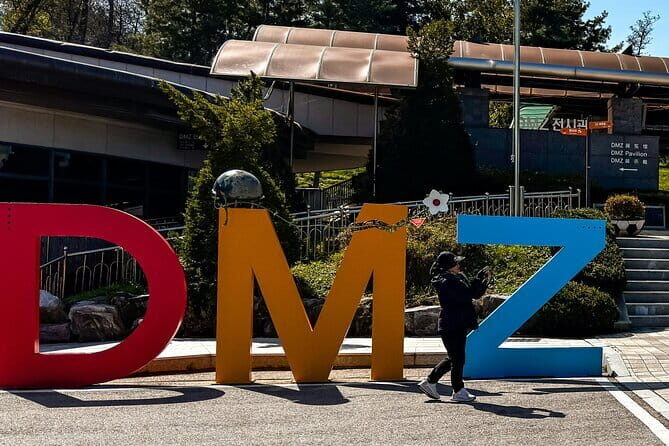
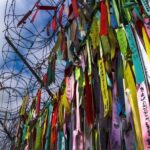
Day 3 is the itinerary day that needs the right mindset. You’ll start at Imjingak Pyeonghoa-Nuri Park. Before entering the DMZ itself, you’ll walk around areas like the Bridge of Freedom and an abandoned steam train. It’s a set-up for understanding what you’re about to see.
Next is the DMZ. The tour notes an important logistics detail: private cars aren’t allowed inside the DMZ area, so you’ll transfer to a public bus for the movement. The tour remains private besides that bus ride, and your guide provides explanations throughout. That matters, because the DMZ is easy to misunderstand if you just look without context.
Then you go to The Third Tunnel, with an actual underground visit. It’s described as 73 meters deep, and the round trip takes about 20 minutes. You’ll hear the estimated military purpose (30,000 soldiers per hour) as part of the explanation, which helps it land emotionally rather than just as a tourist attraction.
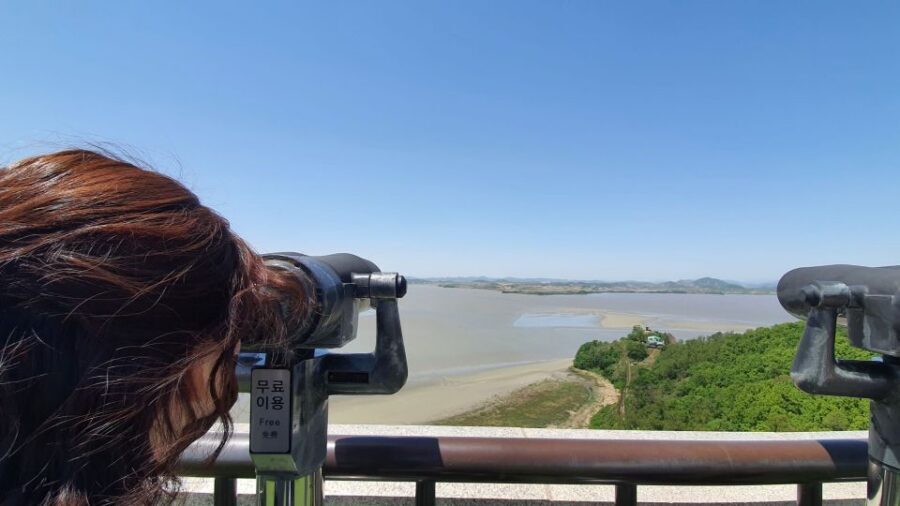
After that: Dora Observatory. This is the stop where you see North Korea up close, and you’ll get explanations about life without freedom and the harsh conditions people face. It’s not “fun” in the theme-park sense. It’s powerful, and your guide’s narrative is what keeps it grounded.
You finish with Museum of Modern History of Korea, described as one of the best modern history museums in Korea. It covers Korean War history, then shifts into recreated everyday life from the 1950s onward. That mix of large events and small daily details is what helps the story stick.
Seoul Fortress Day 4: Gates, pavilion stories, archery time, and a drama-ready folk village
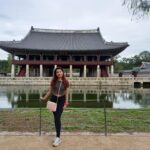
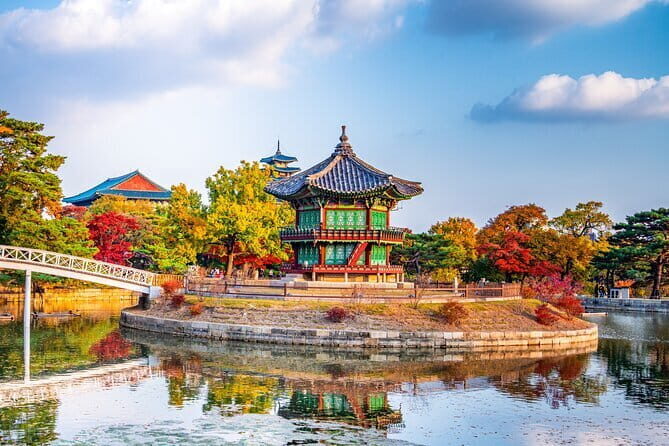
Day 4 shifts from modern Seoul to royal-era drama. You start with Banghwasuryujeong Pavilion (Dongbukgakru). The plan says it’s stunning, but also tied to the party venue of the 22nd king, plus a hidden story your guide will share. Even if you’re not a palace person, these “why this exact place” details make a site feel alive.
Then you visit Janganmun Gate. The gate has a tragic connection to the same 22nd king, and the plan mentions bullet holes from the Korean War. This is history you can see, not just read.
You continue to Yeonmudae (Dongjangdae), described as a commander’s center and a place where soldiers trained. You can even try archery here, and later you’ll get the best fortress views for photos.
Next stop is Changryongmun Gate, the east gate with a design that looks unusual until you understand the fortress’s logic. That’s another place where a guide adds value: you start seeing architecture like strategy, not decoration.
You end at Korean Folk Village, a large filming location for many historical dramas. The plan says walking is manageable because your guide walks with you, showing traditional agriculture, houses, and performances as part of the route.
Consideration: folk village days can be hot or crowded depending on season. If you’re going in summer, aim for water breaks and don’t wait until you feel exhausted.

Southbound Day 5 and Day 6 in Gyeongju: Tombs, ponds, and one of Korea’s most memorable night scenes
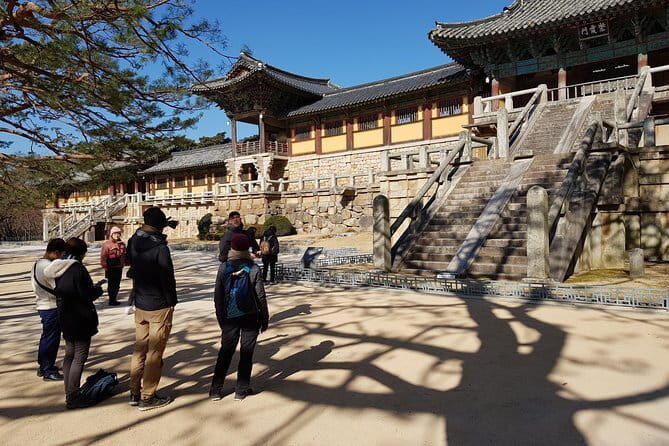
On Day 5, you’re heading to Gyeongju. The plan includes 1–2 attractions along the way and lunch in Pohang. Once you reach Gyeongju, your schedule includes Space Walk, described as safe and fun with your guide joining you. After a long drive, that’s a good “stretch your legs” kind of stop.
Day 6 goes deeper into the classics. You start at Daereungwon Tomb Complex, mostly dating from the 4th to 6th centuries. The description highlights that special construction methods helped keep the tombs intact. You can enter one open tomb to see valuable artifacts.
Then you stroll Hwanglidangil for local specialties, including the famous coin bread. This kind of street time is valuable because you get to snack like locals rather than chasing one set meal.
After that comes the night-friendly part: Woljeonggyo Bridge is visited at night, and the plan mentions it was originally built in 760 and rebuilt using historical documents. Nearby is the big scenic payoff: Donggung Palace and Wolji Pond. The plan says visiting at night gives a magical view, and it ties the reconstruction to historical records.
You finish with two heritage anchors: Cheomseongdae Observatory, built in 633 and noted as possibly the oldest observatory in the world, plus Gyeongju National Museum, with real original treasures like crowns and artifacts.
What I’d do with this day: keep your evenings unplanned besides this tour. The night scenes are the moment you’ll remember most.
Busan Day 7: Markets, ocean cable rides, the temple by the waves, and a bamboo break
The final day shifts to the coast.
Start at Gukje Market. The plan explains why Busan wasn’t occupied by North Korea and how that early commercial strength helped the market grow. You’ll explore blankets and other items and keep things simple on time.
Next is Songdo Cable Car, over the ocean. The plan says it’s free, and if you’re afraid of heights you can switch to the Sky Capsule, which is lower and has a transparent floor for better views. You can even connect your phones to the cable car’s speakers for music—small detail, but it makes the ride feel more like an experience.
Then you go to Haedong Yonggungsa, called the most beautiful temple in South Korea by the tour’s framing, largely because it’s relatively new and because you get ocean views from the temple grounds. It’s one of those places where you naturally slow down.
After that: Busan Gamcheon Culture Village. The plan notes a sad history tied to refugees who built homes there, and you’ll learn how they lived and how the village works today. It’s colorful, but the story matters.
You end with Ahopsan Forest, a bamboo forest walk inside a city environment. The plan emphasizes the quiet vibe—worth doing after a day of markets and crowds.
What you’re really paying for: value at $2,000 per person
At $2,000 per person for about 7 days, this is not a budget tour. The value comes from four places that add up fast if you DIY:
- Private guide time for multiple cities
You’re paying for interpretation, pacing, and problem-solving. Sites like the DMZ and fortress gates don’t become easy just because you bought tickets.
- Transport that keeps the itinerary coherent
A mini van with a driver saves you from train and bus transfers while also keeping the day on schedule. It also helps when timing is tight for night views.
- Tickets are mostly covered
Entrance tickets for the itinerary are included, which reduces the mental load. Do note exceptions: the N Seoul Tower cable car ticket is not included.
- Airport transport plus flexible end/start options
You can return to Seoul with the tour or go back from Busan. That flexibility alone can save you from booking extra guides or changing plans last-minute.
On the downside, meals aren’t included. If you hate thinking about food budgets, this is the part that needs planning. But if you like markets and guided food stops, you’ll probably enjoy the approach.
Should you book this Seoul–DMZ–Gyeongju–Busan tour?
I’d book it if you want a private way to see major places without turning your trip into a spreadsheet. It’s a great fit for first-timers who want context (palaces, modern history, the DMZ) and also for returning visitors who want the comfort of guides smoothing the logistics.
I’d skip or reconsider if your travel style is mostly self-guided, you hate having a packed day schedule, or you need meals fully included. You’ll also want to bring moderate fitness expectations into the picture since multiple days involve walks and timed stops.
If you’re okay budgeting for food and you want someone like Hun (and Sean) to handle the moving parts, this tour makes Korea feel organized and personal, not stressful.
FAQ
What time does the tour start?
The meeting point start time is 10:00am.
Is airport transport included?
Yes. Airport transport is included, either going back to Seoul with the tour or leaving from Busan (your choice).
Are entrance tickets included?
Entrance tickets for the itinerary are included, but the plan notes that the cable car ticket for N Seoul Tower is not included.
Are meals included?
No. Meals are not included.
How are hotel bookings handled?
The guide can help with hotel booking, but the hotel itself is not included in the tour price.
Is this tour private?
Yes. It’s a private tour/activity with only your group participating.